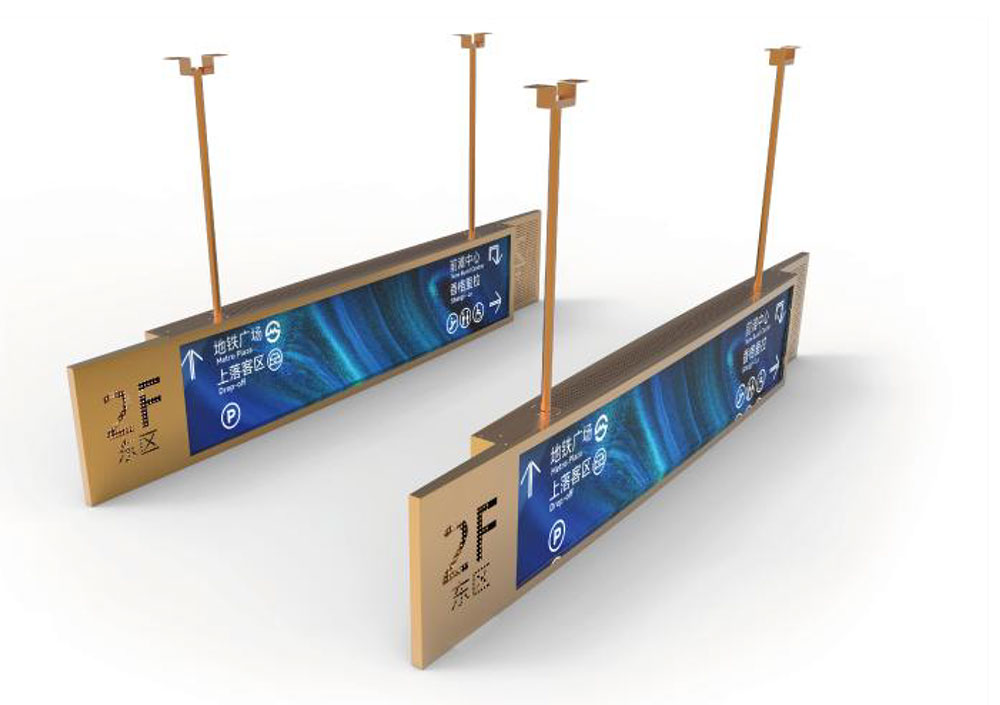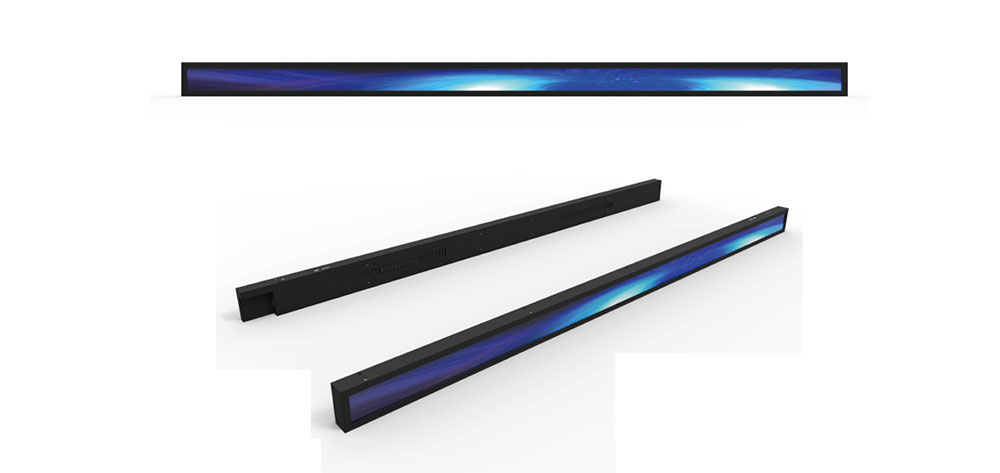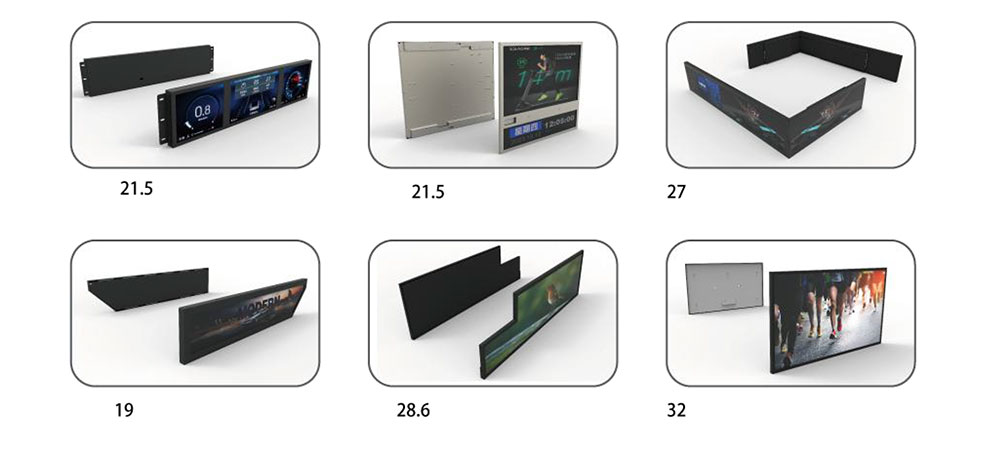
Embedded equipment spans a vast and demanding range of applications, from industrial human-machine interfaces (HMIs) and medical monitoring systems to transportation displays, kiosks, and factory automation controllers. As these systems evolve toward richer graphical interfaces and multi-parameter data visualization, wide screen LCD modules have become the preferred display solution. Their extended horizontal format aligns naturally with dashboards, timelines, waveform monitoring, and split-screen layouts that vertical or square panels simply cannot accommodate efficiently. At HITULCD, we engineer wide screen LCD modules specifically optimized for the reliability, longevity, and environmental resilience that embedded deployments require.
Why Wide Screen Formats Suit Embedded Applications
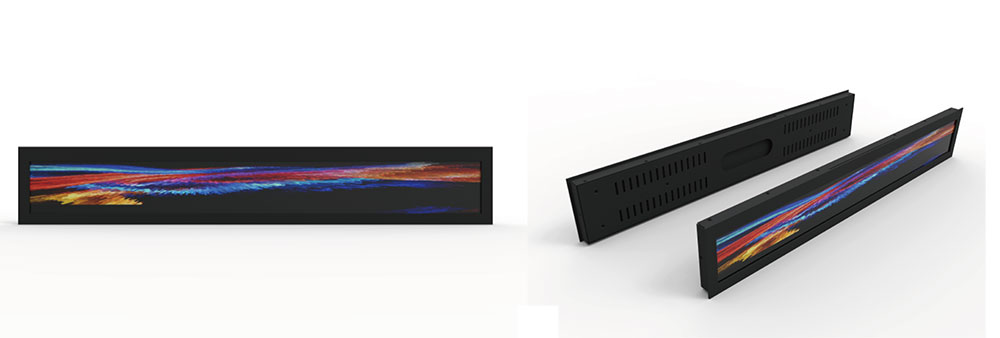
The term "wide screen" refers to display panels with aspect ratios greater than the traditional 4:3, most commonly 16:9 and 16:10. These formats offer more usable horizontal real estate, which is ideal for interfaces that display multiple data streams side by side. In an industrial control panel, for example, an operator can monitor a process flow diagram, live sensor readouts, and alarm status simultaneously without switching screens.
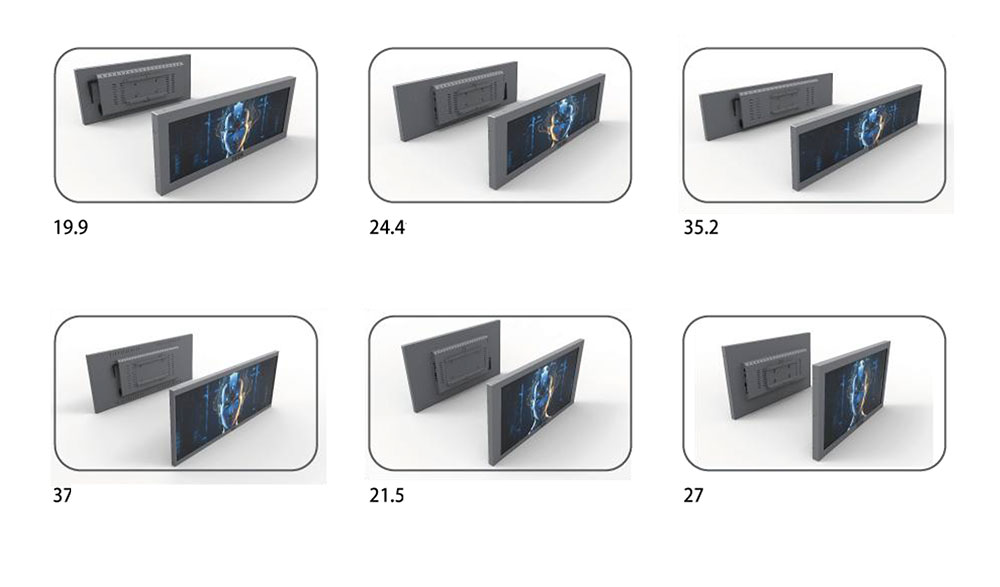
Wide aspect ratios also reduce the need for scrolling in list-heavy or table-based interfaces, improving operator efficiency and reducing error rates. For embedded devices where screen real estate directly influences workflow productivity, the wide format is more than an aesthetic choice—it is a functional advantage.
Key Technical Requirements for Embedded LCD Modules
Unlike consumer displays that are replaced every few years, embedded equipment often operates for a decade or more in the field. This imposes strict requirements on the display modules used within them.
Long-Term Availability
Embedded product lifecycles frequently exceed five to ten years. HITULCD wide screen modules are built around industrial-grade panels with extended production commitments, minimizing the risk of costly redesigns caused by component obsolescence.
Wide Operating Temperature Range
Embedded systems are deployed in outdoor kiosks, vehicle cabins, and factory floors where ambient conditions vary widely. Our industrial wide screen modules support operating temperatures from -30°C to +80°C and storage temperatures from -40°C to +90°C, ensuring stable performance in harsh thermal environments.
High Brightness and Sunlight Readability
Standard consumer displays typically deliver around 250 to 350 nits of brightness, which becomes unreadable under direct sunlight. HITULCD high-brightness wide screen modules are available in configurations ranging from 800 nits up to 2500 nits, enabling clear visibility in outdoor and high-ambient-light installations. Optical bonding further reduces internal reflection and improves contrast in bright conditions.
Robust Interface Options
Embedded integration demands flexible connectivity. Depending on resolution and controller architecture, our wide screen modules support LVDS, MIPI-DSI, and eDP interfaces, with RGB and TTL options available for lower-resolution panels. This range allows engineers to match the module to their processor's native display output without additional bridge components.
Resolution and Size Options
HITULCD offers wide screen LCD modules across a broad size spectrum to suit diverse embedded form factors. Common wide screen resolutions and their typical panel sizes include:
- 1024 × 600 — popular for compact 7-inch and 10.1-inch HMIs
- 1280 × 800 (WXGA) — a versatile 16:10 format for 8-inch to 12.1-inch panels
- 1920 × 1080 (Full HD) — 16:9 format for 15.6-inch and larger industrial displays
These resolutions balance graphical detail with the processing capabilities of typical embedded system-on-chip platforms, avoiding unnecessary GPU load while maintaining crisp text and imagery.
Enhancing Durability and Readability
Optical Bonding
Optical bonding fills the air gap between the cover glass and the LCD panel with a clear adhesive. This eliminates internal reflections, boosts contrast, improves ruggedness against vibration and impact, and prevents condensation from forming between layers—an essential feature for outdoor and transportation-grade embedded systems.
Touch Integration
Projected capacitive (PCAP) touch panels are the standard for modern embedded interfaces, supporting multi-touch gestures and operation with gloves when properly tuned. For applications requiring operation in wet environments or with heavy industrial gloves, resistive touch remains a reliable alternative. HITULCD integrates both technologies with our wide screen modules as complete touch display assemblies.
Wide Viewing Angles
IPS (In-Plane Switching) panel technology delivers viewing angles up to 178° horizontally and vertically, ensuring that operators can read the display accurately from off-axis positions—critical for control rooms and shared workstations.
Power and Backlight Longevity
LED backlights in HITULCD industrial wide screen modules are rated for a typical lifetime of 50,000 hours or more to half-brightness, supporting the extended service life embedded equipment demands. For battery-powered or energy-sensitive designs, dimmable backlight control via PWM allows brightness to be tuned to ambient conditions, reducing power consumption and extending backlight life.
Selecting the Right Module for Your Design
Choosing the correct wide screen LCD module involves balancing several factors: the required brightness for the deployment environment, the interface supported by your embedded processor, the operating temperature range, mechanical mounting constraints, and expected product lifecycle. HITULCD's engineering team works directly with OEM designers to specify the optimal module, providing detailed datasheets, mechanical drawings, and integration support throughout the development process.
Conclusion
Wide screen LCD modules deliver the horizontal real estate, readability, and reliability that modern embedded equipment requires. With high-brightness options, wide temperature tolerance, flexible interfaces, and long-term availability, HITULCD wide screen modules empower engineers to build embedded systems that perform reliably for years across the most demanding environments. Whether your application is an outdoor kiosk, an industrial HMI, or a transportation display, a properly specified wide screen module is the foundation of a durable and effective visual interface.
KEYWORDS: wide screen LCD modules, embedded equipment displays, high brightness LCD, industrial HMI display, sunlight readable LCD