Introduction: Why Bar Type LCDs Are Transforming Supermarket Shelves
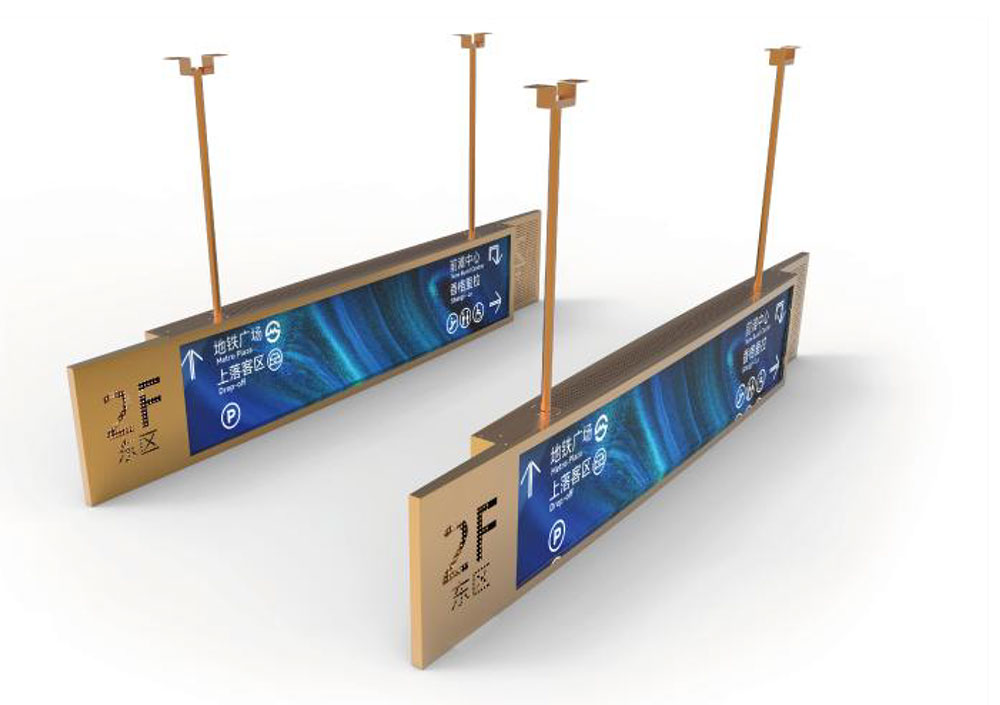
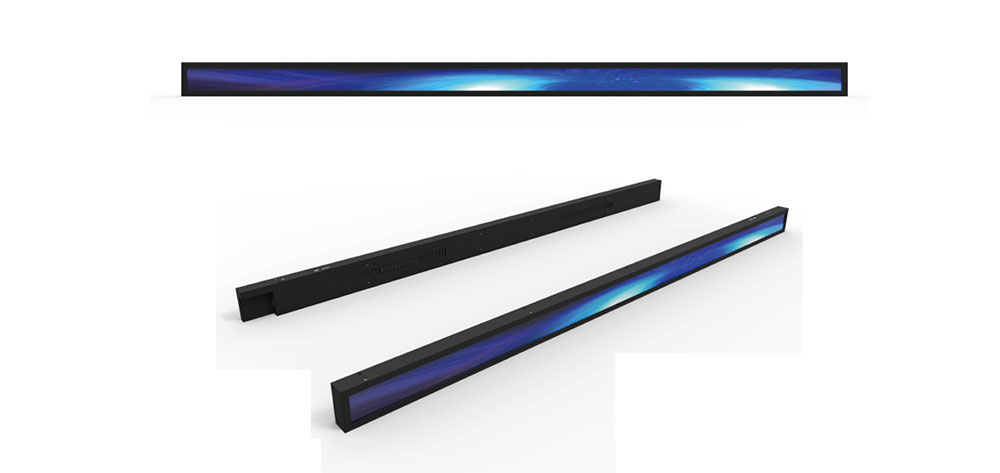
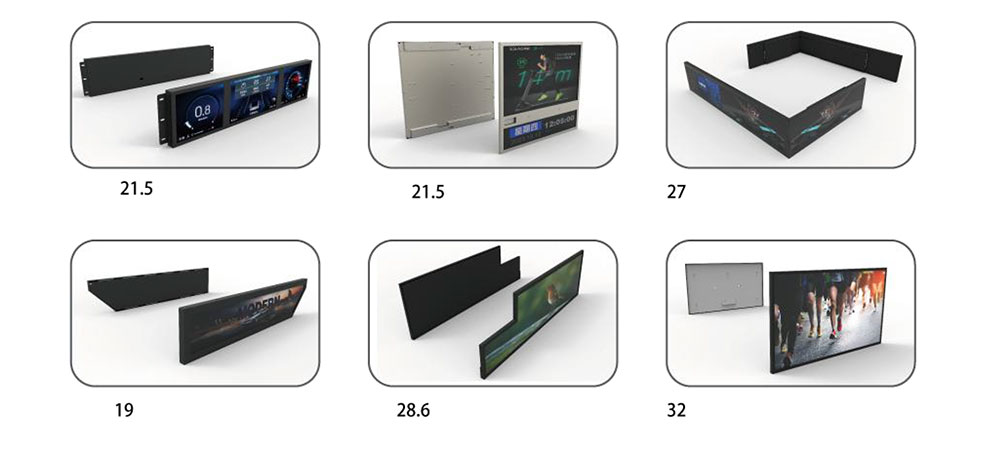
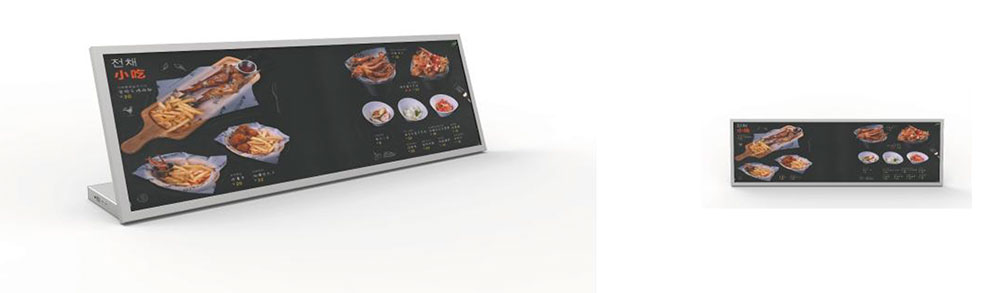
Bar type LCDs, also known as stretched or ultra-wide stretched bar displays, have become a cornerstone of modern retail merchandising. Their elongated aspect ratios (typically 16:4.5, 24:9, or even more extreme formats) fit perfectly along the narrow edges of supermarket shelves, freezer cases, and gondola ends where conventional 16:9 monitors simply cannot go. For US grocery chains investing in digital signage, sourcing the right bar type LCD supplier is a decision that directly affects display brightness, longevity, integration ease, and total cost of ownership.
This white paper examines the key technical criteria for selecting bar type LCDs for supermarket environments and provides guidance on identifying reliable US-based suppliers and distribution partners.
Key Technical Requirements for Supermarket Shelf Displays
Before evaluating suppliers, it is essential to understand what separates a retail-grade bar type LCD from a generic panel. Supermarkets present a demanding operating environment, and the display specifications must reflect that.
1. High Brightness for Visibility
Overhead grocery lighting typically ranges from 500 to 1,500 lux, and displays near storefront windows may face direct sunlight. A bar type LCD intended for shelf-edge use should deliver at least 700 nits, with 1,000 to 2,500 nits recommended for high-ambient or semi-outdoor zones. High-brightness panels ensure promotional pricing, product imagery, and video content remain crisp and legible regardless of surrounding light conditions.
2. 24/7 Operation and Thermal Management
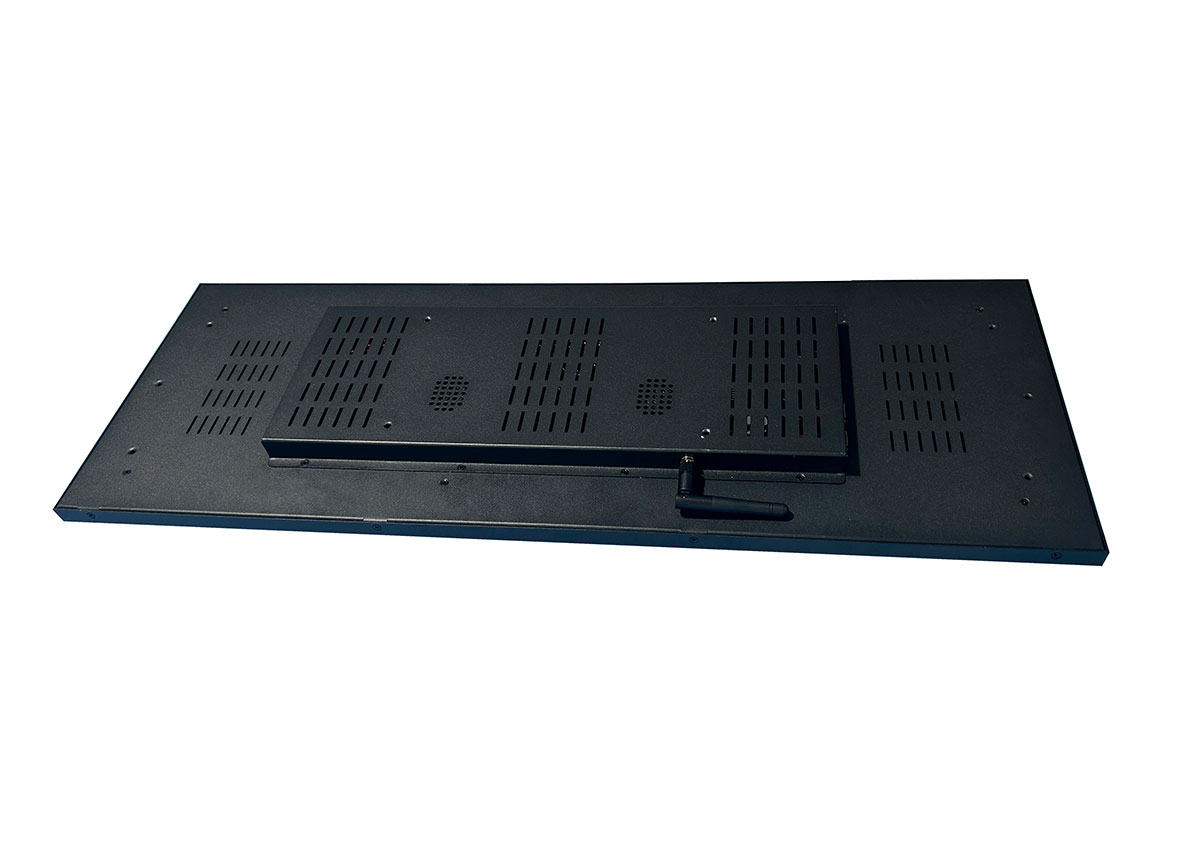
Supermarkets often run 16 to 24 hours per day. Displays must be rated for continuous operation with robust thermal management, including efficient heat dissipation and, in high-brightness models, active cooling or optically bonded panels to prevent image degradation and isotropic clearing.
3. Slim Profile and Flexible Mounting
Shelf-edge real estate is limited. The ideal bar type LCD offers a slim depth, low-profile bezels, and versatile mounting options such as VESA brackets, rail clips, or custom shelf-edge housings that integrate seamlessly with existing store fixtures.
4. Wide Operating Temperature Range
Displays installed in or near refrigerated and frozen sections must tolerate low temperatures and resist condensation. A wide operating range (commonly -20°C to +60°C) and anti-condensation design are critical for cold-aisle deployments.
5. Connectivity and Content Management
Modern retail signage relies on centralized content management systems (CMS). Suppliers offering panels with built-in SoC (System-on-Chip) media players, HDMI/USB inputs, and network connectivity simplify large-scale rollouts across multiple store locations.
What to Look for in a US Bar Type LCD Supplier
Choosing a supplier is about more than the panel itself. The following factors distinguish a dependable partner for supermarket-scale deployments.
Local Inventory and Fast Lead Times
US-based warehousing shortens delivery windows and reduces shipping complications. Suppliers with domestic stock can support rapid store rollouts and replacement needs without extended overseas lead times.
Customization Capability
Supermarket projects frequently require custom brightness levels, cover glass treatments, aspect ratios, or enclosure designs. A supplier with in-house engineering and OEM/ODM flexibility can tailor bar type LCDs to specific shelf systems.
Warranty and After-Sales Support
Look for suppliers offering a minimum of three years warranty on commercial-grade displays, alongside responsive US-based technical support and clear RMA processes.
Certification and Compliance
Displays sold in the US market should carry FCC, UL, and RoHS certifications. These ensure electrical safety and regulatory compliance for commercial retail installations.
Types of US Suppliers to Consider
The US market offers several categories of bar type LCD sources, each with distinct advantages.
Specialized high-brightness display manufacturers deliver panels engineered specifically for retail brightness demands, often with the deepest customization options and the strongest technical expertise. Brands such as HITULCD focus on high-brightness stretched bar displays optimized for demanding commercial environments.
Commercial signage integrators bundle displays with mounting, installation, and CMS software, offering turnkey solutions ideal for chains that prefer a single accountable partner.
Authorized distributors stock multiple brands and provide competitive pricing plus local logistics support, which suits buyers comparing options across manufacturers.
Evaluating Total Cost of Ownership
The lowest sticker price rarely delivers the best long-term value. When comparing US suppliers, factor in energy efficiency, panel lifespan (rated in hours to half-brightness), warranty coverage, and the availability of spare parts. A high-brightness panel with an LED backlight rated for 50,000+ hours and a robust warranty often outperforms a cheaper alternative over the display's service life.
Conclusion
Selecting the right US supplier of bar type LCDs for supermarket shelves comes down to matching technical requirements—brightness, durability, thermal performance, and connectivity—with a partner that offers local inventory, customization, strong warranties, and full regulatory compliance. By prioritizing retail-grade specifications and dependable support, grocery retailers can deploy shelf-edge digital signage that captures attention, elevates the shopping experience, and delivers reliable performance for years.
Frequently Asked Questions
Q1: What brightness level is needed for bar type LCDs on supermarket shelves?
A minimum of 700 nits is recommended for typical indoor grocery lighting, while 1,000 to 2,500 nits is advisable for areas exposed to bright ambient light or direct sunlight near storefronts.
Q2: Can bar type LCDs be used inside refrigerated or freezer aisles?
Yes, provided the display is rated for a wide operating temperature range (such as -20°C to +60°C) and features anti-condensation protection to withstand cold, humid conditions.
Q3: What certifications should a US bar type LCD supplier provide?
Look for FCC, UL, and RoHS certifications to ensure electrical safety, electromagnetic compliance, and adherence to hazardous-substance regulations in the US market.
Q4: Do bar type LCDs support centralized content management?
Many commercial models include a built-in SoC media player or standard HDMI/USB inputs and network connectivity, enabling integration with a CMS for managing content across multiple store locations.
Q5: How long should the warranty be for retail-grade bar type LCDs?
A commercial-grade bar type LCD should carry at least a three-year warranty, backed by responsive US-based technical support and a clear RMA process.