Introduction
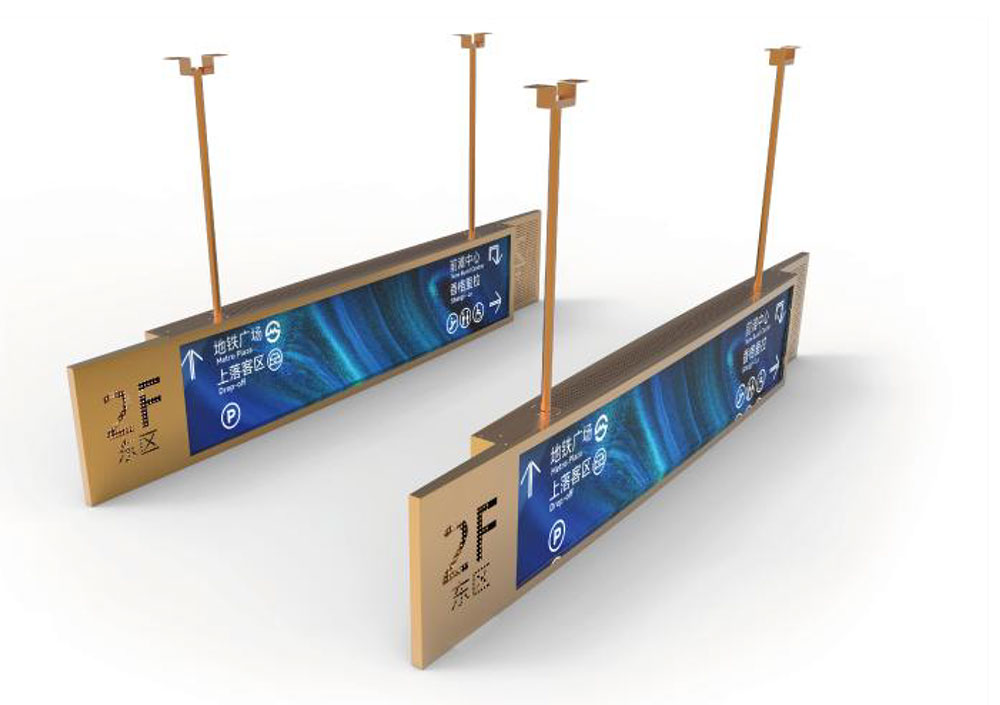
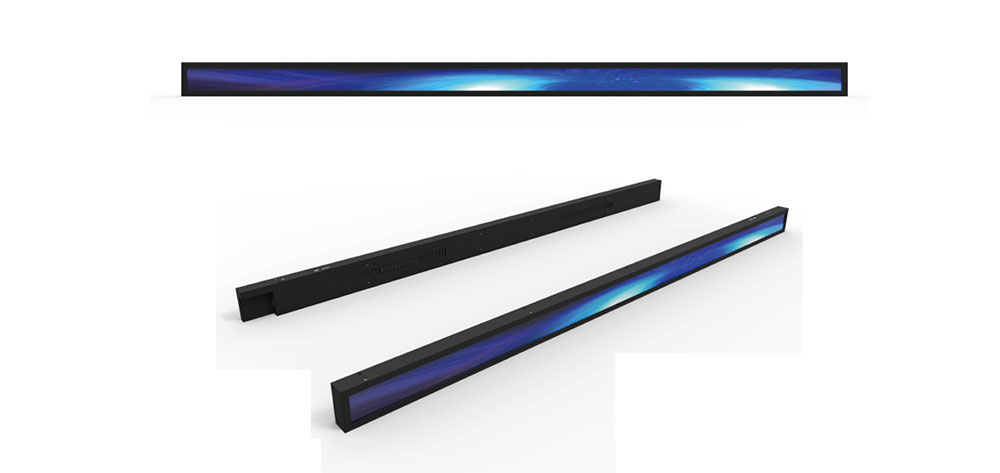
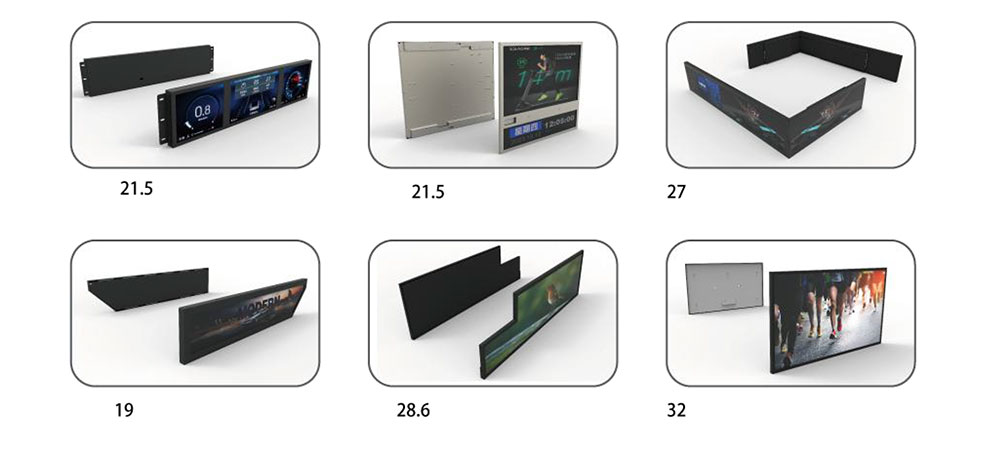
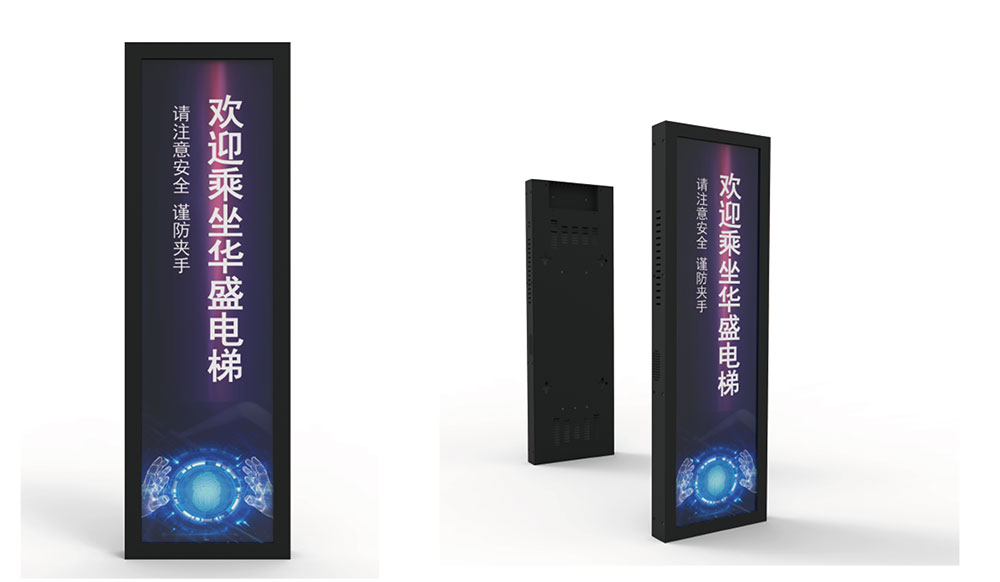
Bar type LCDs, also called stretched or ultra-wide displays, have become essential across US industries where space is limited but visibility matters. From transit signage and retail shelf edges to industrial control panels and smart shelving, these elongated panels deliver information in a compact footprint. When the deployment environment includes extreme heat, freezing cold, or wide daily temperature swings, choosing a wide temperature bar type LCD becomes critical. This guide from HITULCD walks US buyers through the key technical and practical considerations for making a confident purchase.
Why Wide Temperature Range Matters
Standard commercial LCDs typically operate between 0°C and 50°C. That range is inadequate for many real-world US applications: outdoor kiosks in Arizona summers, cold storage displays in Midwest warehouses, transportation signage exposed to New England winters, or unheated industrial facilities. A true wide temperature bar type LCD is engineered to operate reliably from roughly -30°C to +80°C, ensuring the display starts up, renders clearly, and avoids liquid crystal freezing or clearing point failures.
When the liquid crystal material exceeds its clearing point, the image washes out; below its freezing threshold, response times slow dramatically and the panel may not display at all. Verifying the rated operating and storage temperature ranges against your worst-case environment is the single most important purchasing step.
Key Specifications to Evaluate
1. Operating and Storage Temperature
Always separate operating temperature from storage temperature. A panel may survive storage at -40°C but only operate reliably down to -30°C. Match both figures to your site conditions, including transport and warehousing before installation.
2. Brightness and Sunlight Readability
Wide temperature deployments are often outdoors or near windows. Look for high-brightness models rated at 1000 to 2500 nits for sunlight-readable performance. Pair high brightness with optical bonding, which reduces internal reflection, improves contrast, and prevents condensation between the cover glass and panel during temperature cycling.
3. Aspect Ratio and Resolution
Bar type LCDs come in stretched ratios such as 16:3, 16:4.5, or 32:9. Confirm the physical dimensions fit your mounting space and that the native resolution supports your content, whether it is scrolling text, wayfinding, or detailed graphics.
4. Wide Viewing Angle
IPS panels maintain color and contrast across wide viewing angles, which is essential for bar displays mounted overhead or viewed from the side in retail aisles and transit corridors.
Environmental and Durability Factors
Beyond temperature, consider humidity resistance, vibration tolerance for transportation use, and ingress protection ratings for dust and moisture. For US outdoor installations, an anti-glare or anti-reflective surface treatment improves legibility, while a conformal-coated driver board resists corrosion in humid coastal environments.
Compliance and Certification for the US Market
Ensure any display you purchase meets US regulatory requirements. Look for FCC Part 15 compliance for electromagnetic emissions, UL certification for electrical safety, and RoHS compliance for restricted substances. For public and government projects, ADA-compliant mounting and readability may also apply. Buying certified products avoids costly compliance delays during installation and inspection.
Supplier Selection Tips
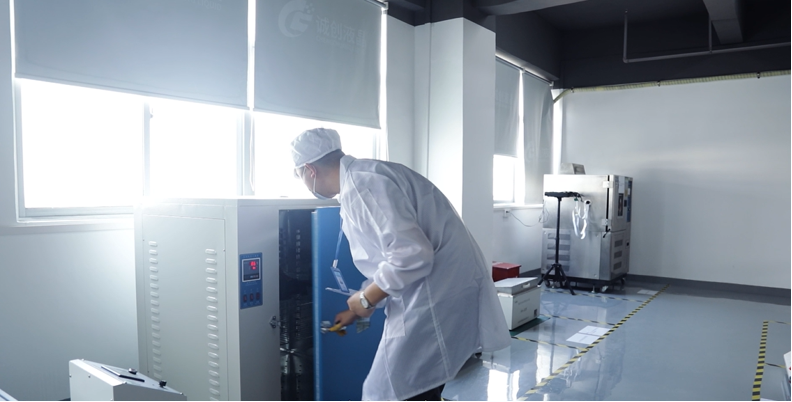
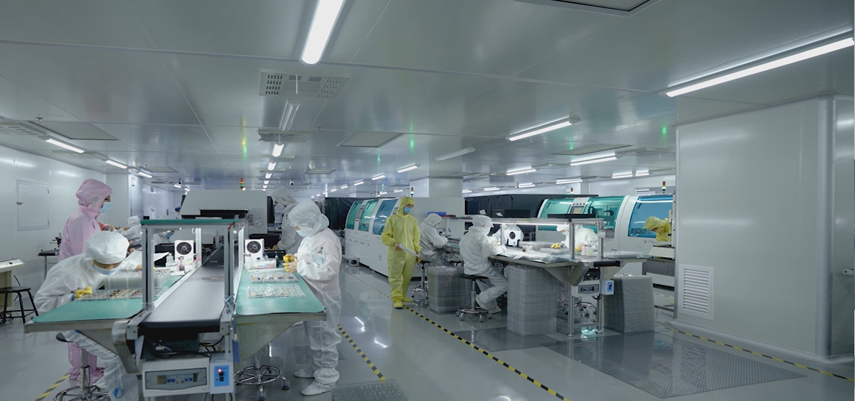
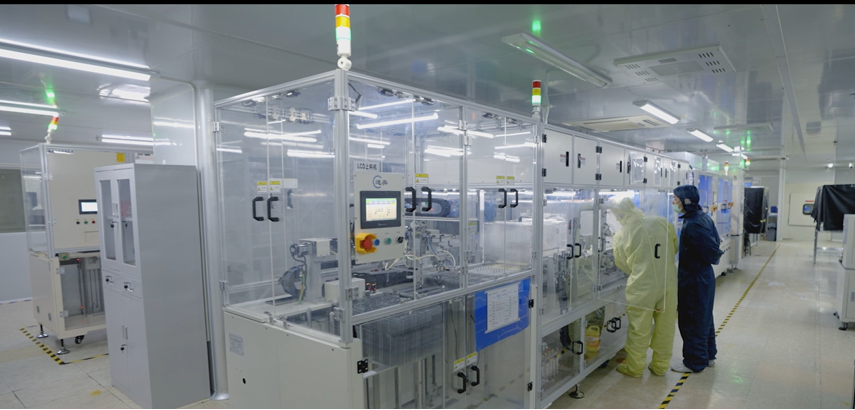
Choose a manufacturer with proven wide temperature engineering rather than a reseller rebranding standard panels. Ask for detailed datasheets, temperature test reports, and sample units for on-site validation. Confirm lead times, minimum order quantities, and whether the supplier offers customization such as custom brackets, touch integration, or extended interface options. A responsive US-based support channel and clear warranty terms reduce long-term risk.
Total Cost of Ownership
The lowest upfront price rarely delivers the best value. Factor in energy efficiency, expected lifespan under thermal stress, failure rates, and replacement logistics. A properly rated wide temperature bar type LCD may cost more initially but avoids field failures, downtime, and repeat truck rolls that quickly erase any savings.
Conclusion
Purchasing wide temperature bar type LCDs in the US requires balancing temperature ratings, brightness, form factor, durability, and certification against your specific deployment. By prioritizing verified specifications and a trusted manufacturing partner, you ensure reliable performance in the harshest conditions. HITULCD specializes in high-brightness, wide temperature bar type displays engineered for demanding US environments, backed by testing, certification, and dedicated support.
KEYWORDS: wide temperature bar type LCD, high-brightness LCD, sunlight readable display, stretched bar LCD US, industrial LCD supplier