Introduction
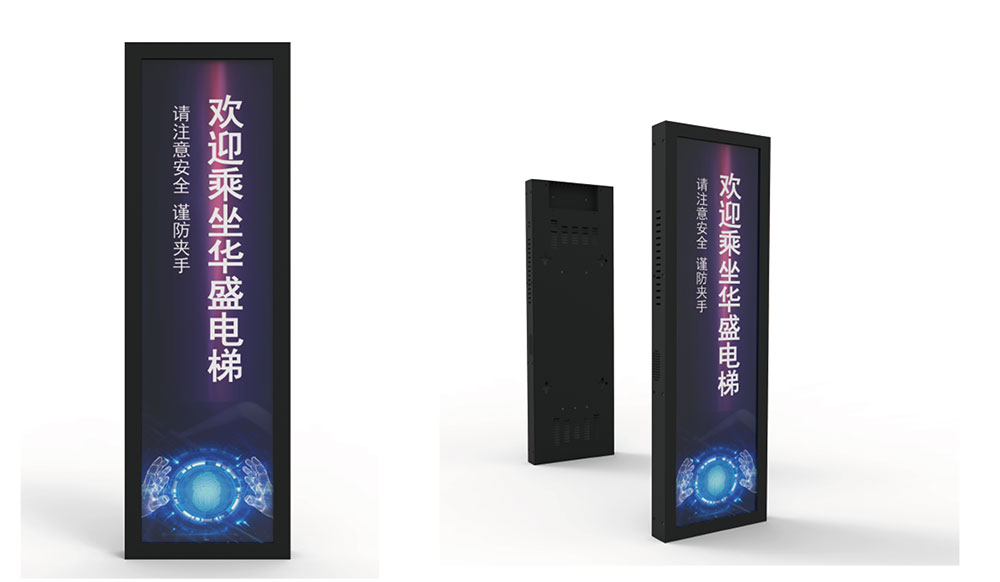
Bar type LCDs—also called stretched or ultra-wide stretched displays—have become a cornerstone of modern advertising infrastructure across the United States. Their elongated aspect ratios (commonly 16:4.5, 24:9, or 32:9) make them uniquely suited to shelf edges, transit corridors, elevator frames, drive-thru menu rails, and retail end-caps where a conventional 16:9 panel simply does not fit. For US buyers—whether a national retail chain, a QSR franchise group, a transit authority, or a digital signage integrator—sourcing the right bar type LCD requires balancing brightness, environmental rating, supply-chain reliability, and compliance with domestic standards. This white paper provides a structured reference for procurement teams evaluating advertising bar type LCDs in the American market.
1. Defining the Bar Type LCD Category
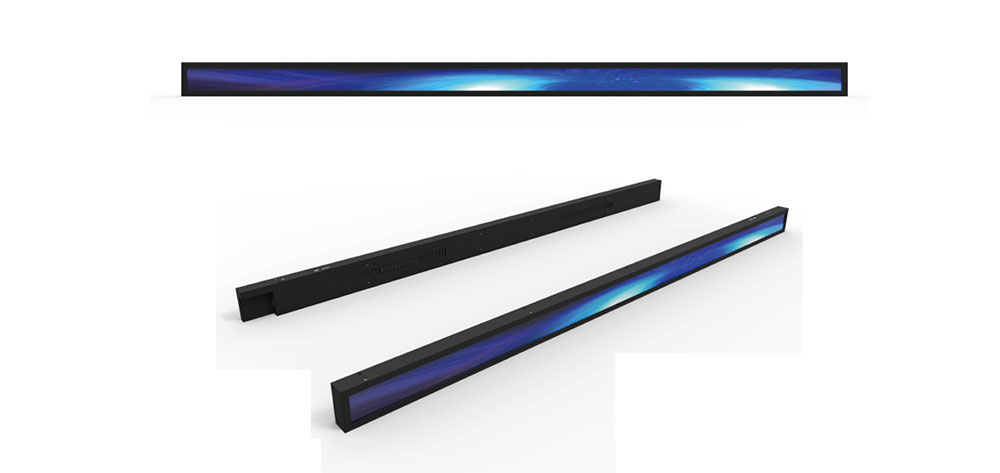
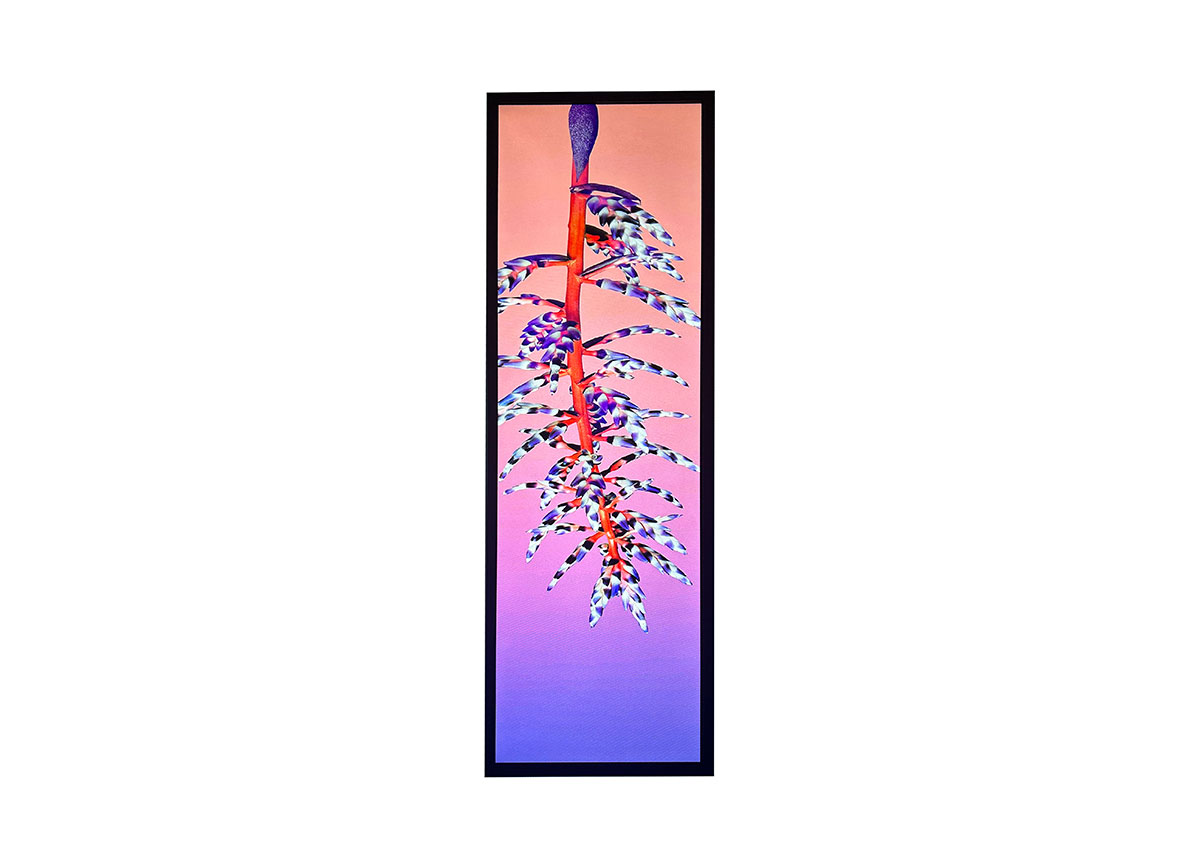
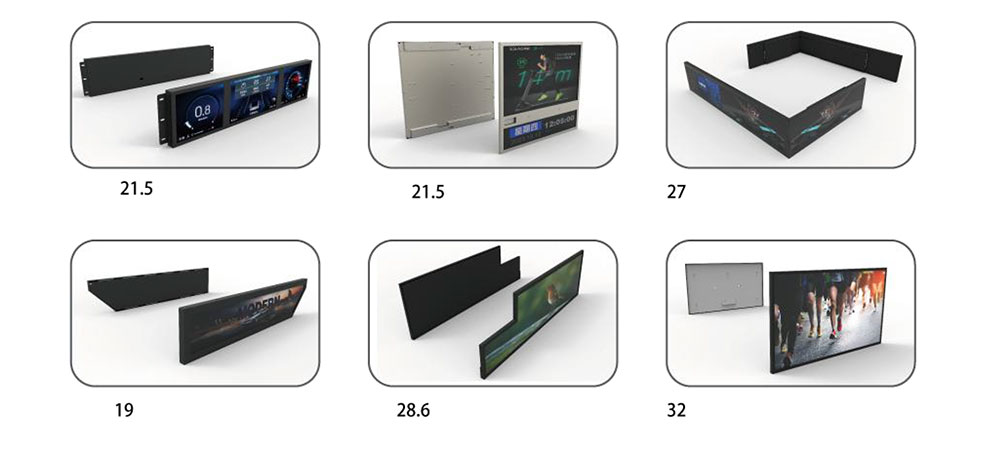
A bar type LCD is a display panel cut or manufactured to a non-standard, elongated form factor. Unlike a cropped standard panel, a purpose-built stretched panel maintains full pixel density and backlight uniformity across its extended width or height. Typical diagonal sizes used in US advertising deployments range from 19" to 88" stretched, with native resolutions such as 1920×540, 1920×360, or 3840×1080 depending on the model.
Key sub-categories relevant to US advertising:
- Shelf-edge bars — small (19"–29"), used in grocery and pharmacy retail.
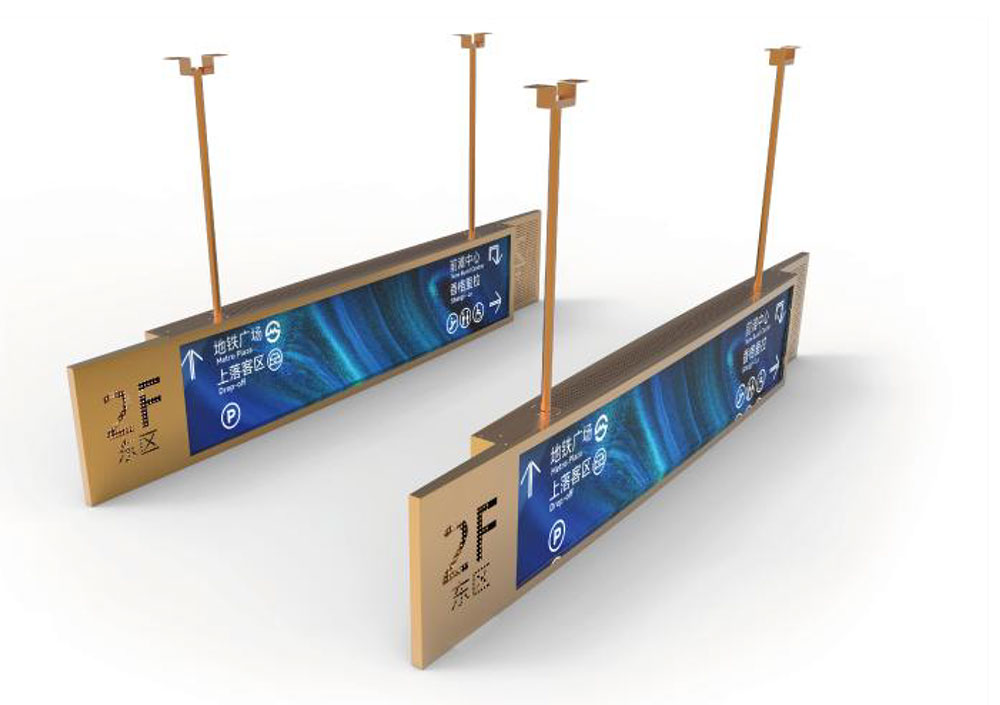
- Transit and wayfinding bars — mid-to-large, deployed in airports, subways, and bus shelters.
- Drive-thru and outdoor bars — high-brightness, weather-sealed units for QSR menu boards.
- Architectural and elevator bars — vertical or horizontal accents in commercial buildings.
2. Brightness Requirements by US Deployment Environment
Brightness, measured in nits (cd/m²), is the single most decisive specification when sourcing bar type LCDs for US advertising. Ambient light conditions vary dramatically across American venues, and under-specifying brightness is the most common—and most costly—procurement mistake.
| Environment | Recommended Brightness | Notes |
|---|---|---|
| Indoor retail shelf edge | 300–500 nits | Controlled lighting; readability at close range. |
| Storefront / window-facing | 2,000–2,500 nits | Must overcome direct sunlight glare. |
| Transit hubs (indoor) | 700–1,000 nits | Mixed daylight and artificial light. |
| Outdoor drive-thru / bus shelter | 2,500–5,000 nits | Full sun exposure; requires auto-dimming. |
For US Sun Belt states—Arizona, Texas, Florida, Nevada, and Southern California—buyers should specify the upper end of each range due to prolonged high-intensity solar loading. Panels intended for window-facing installations should include automatic brightness sensors to comply with local energy codes and to prevent nighttime light-pollution complaints in municipalities such as those governed by dark-sky ordinances.
3. Environmental and Thermal Considerations for the US Climate
The United States spans multiple climate zones, and a bar type LCD sourced for a New England transit shelter faces very different stresses than one installed at a Phoenix drive-thru. Procurement specifications should address:
- Operating temperature range: Outdoor units should be rated at least -30°C to +60°C to survive Northern winters and Southwestern summers.
- Ingress protection: IP65 or higher for the front bezel of any exterior-facing installation.
- Anti-clearing / thermal management: High-brightness panels generate heat; look for active cooling or optically bonded glass to prevent isotropic blackening (a temporary dark blotch that appears when panels overheat in direct sun).
- Humidity resistance: Critical for Gulf Coast and Southeastern deployments.
4. US Regulatory and Compliance Reference
Sourcing displays for the US market carries specific compliance obligations that overseas buyers and domestic integrators alike must verify before purchase:
- UL / cUL certification — required for electrical safety in most commercial jurisdictions; frequently mandated by local building inspectors.
- FCC Part 15 (Class A/B) — governs electromagnetic emissions; mandatory for any electronic display sold or operated in the US.
- ENERGY STAR — increasingly requested by corporate ESG programs and some state procurement rules.
- ADA considerations — while displays themselves are not directly regulated, mounting height and protrusion into walkways must comply with the Americans with Disabilities Act, particularly for transit and public-venue installations.
- California Title 20 / Title 24 — energy efficiency standards affecting displays sold or installed in California.
5. Supply Chain and Sourcing Channels
US buyers generally source advertising bar type LCDs through one of four channels, each with distinct trade-offs:
- Direct from specialized manufacturers — best pricing and customization for volume orders; requires managing import logistics, tariffs (HTS codes under Chapter 85), and lead times.
- Domestic distributors and value-added resellers — faster fulfillment, local warranty support, and stocked inventory, at a margin premium.
- Signage integrators — turnkey solutions bundling hardware, mounting, media players, and CMS software.
- OEM/ODM partnerships — for chains requiring branded, spec-locked units across hundreds of locations.
For nationwide rollouts, buyers should confirm the supplier's ability to provide consistent panel binning (color and brightness uniformity across batches), spare-parts availability for a minimum 3–5 year deployment lifecycle, and a documented RMA process with US-based or expedited support.
6. Total Cost of Ownership (TCO) Reference
The purchase price of a bar type LCD represents only a fraction of its lifetime cost. A defensible sourcing decision should model:
- Energy consumption over the deployment period (high-brightness panels draw more power).
- Expected panel lifespan (measured as hours to half-brightness—commercial-grade units target 50,000+ hours).
- Warranty coverage and mean-time-to-repair.
- Mounting, cabling, and content management system integration.
- Shipping, insurance, and applicable import duties.
7. A Practical Sourcing Checklist
- Confirm the exact aspect ratio and native resolution match the physical installation site.
- Specify brightness with a margin above the minimum for the environment.
- Verify UL, FCC, and any state-specific certifications.
- Require environmental ratings appropriate to the installation climate zone.
- Assess supplier capacity for multi-site consistency and long-term parts support.
- Request sample units for on-site brightness and readability validation before committing to volume.
Conclusion
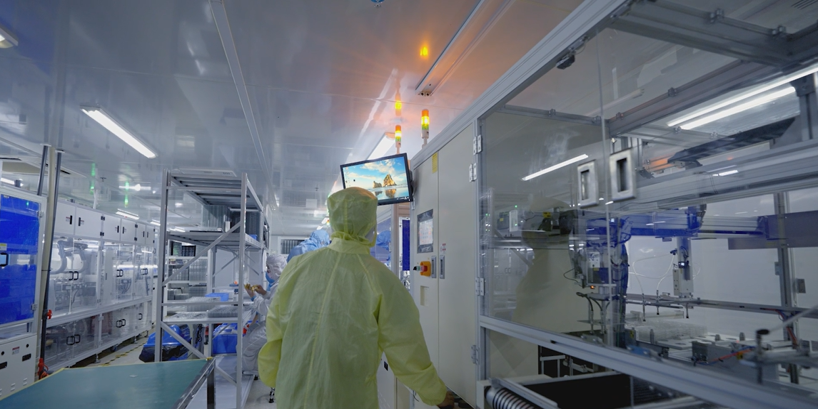
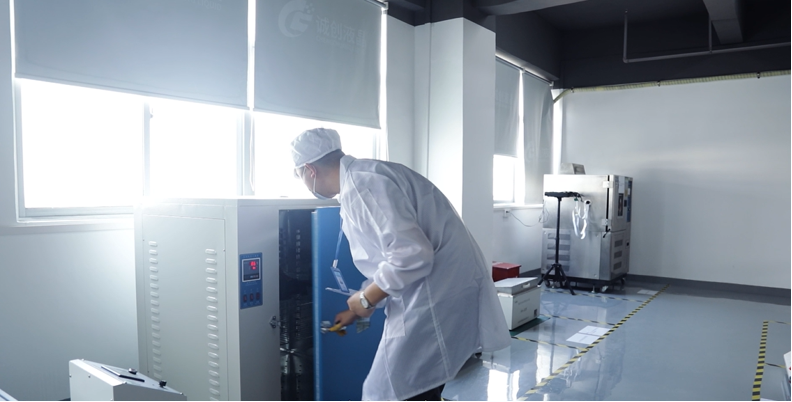
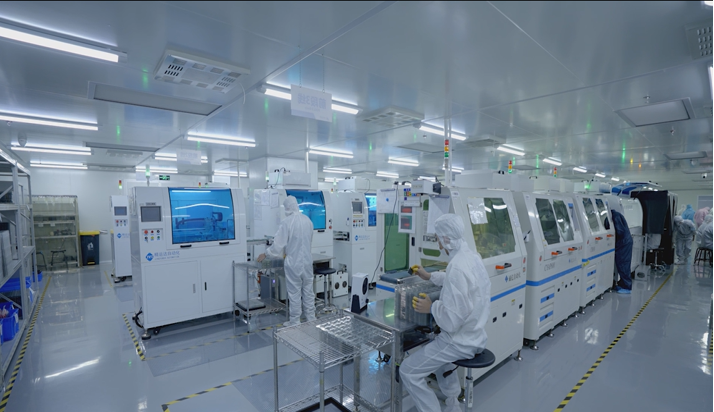
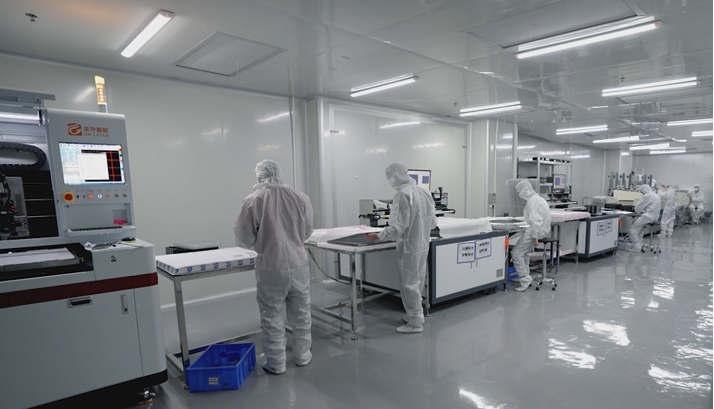
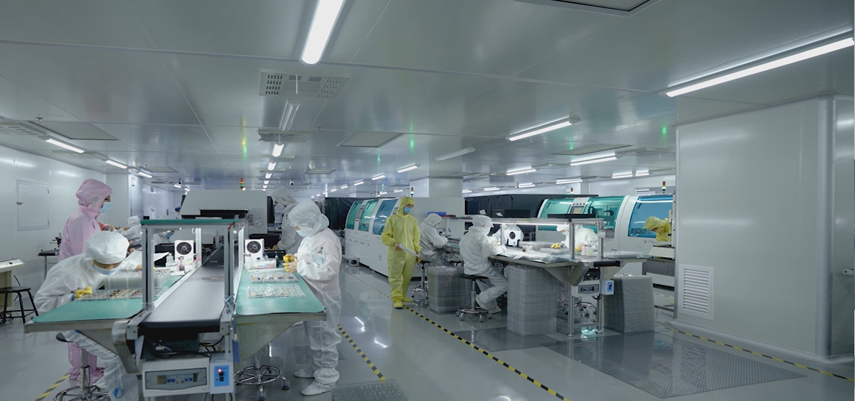
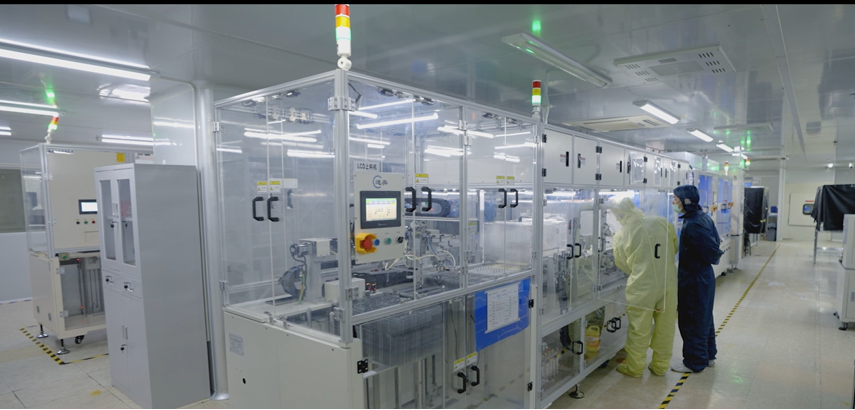
Sourcing advertising bar type LCDs in the US is a multi-variable decision that extends well beyond screen size and price. Brightness matched to the ambient environment, climate-appropriate durability, verified US regulatory compliance, and a resilient supply chain together determine whether a deployment succeeds or generates costly field failures. Procurement teams that apply a structured reference framework—rather than treating stretched displays as commodity panels—will secure hardware that performs reliably across America's demanding and diverse advertising environments. HITULCD supports US buyers with high-brightness bar type LCD solutions engineered for these conditions, backed by the certifications and manufacturing consistency that nationwide rollouts require.
KEYWORDS: bar type LCD, advertising stretched display, high-brightness LCD sourcing, US digital signage, outdoor LCD procurement