

Industry pain points and challenges
Understand the core issues in this application scenario and how we can provide solutions through advanced display technology
core pain point
Harsh Environmental Exposure in Automated Production Areas
Pain Point: Automation displays are deployed directly on robotic work cells, conveyor lines, packaging stations, and process equipment where dust, lubricant mist, cleaning chemicals, and in food/pharma lines, direct washdown, are constant. Commercial-grade panels suffer liquid ingress, sticky or unresponsive touch surfaces, and connector corrosion, leading to erratic operation and premature failure on lines that are expected to run unattended for long stretches. Technical Requirement: IP65/IP66-rated front bezel, chemically resistant front glass, sealed connectors, and a fully enclosed rear housing to prevent internal contamination.
Electromagnetic Interference from Servo Drives, Robotic Controllers, and Motion Systems
Pain Point: Automated cells concentrate multiple servo drives, robotic arm controllers, VFDs, and high-speed switching electronics in a compact footprint. Displays without sufficient shielding experience flickering, signal noise, or unexpected resets — a direct risk to process quality and, in robotic cells, to operator safety around moving equipment. Technical Requirement: Robust EMC/EMI shielding validated to industrial standards (CE, IEC 61000 series), isolated power and signal circuitry, and confirmed stable operation near multiple simultaneous high-frequency switching sources.
Real-Time Signal Accuracy for Motion Control and Process Feedback
Pain Point: Automated lines depend on the display to accurately reflect live process data — robot position, cycle status, sensor readings, machine vision results, and alarm states — in sync with the control system. Any lag, dropout, or refresh delay increases the risk of missed defects, mistimed operator intervention, or process errors that propagate downstream. Technical Requirement: Low-latency signal processing, stable high refresh rates, and verified synchronization with PLC/motion controller output under continuous operating loads.
Legacy Panel Replacement & Multi-PLC / Multi-Protocol Compatibility
Pain Point: Automated lines often mix equipment from different eras and different controller ecosystems — Siemens, Rockwell/Allen-Bradley, Mitsubishi, Omron, Beckhoff — communicating over varied protocols (EtherCAT, Profinet, Modbus, CANopen). When a display fails or a line is retrofitted, matching mounting cutouts, signal formats, and protocol support without re-engineering the automation cabinet becomes a major integration bottleneck. Technical Requirement: Drop-in replacement form factors, multiple video interface support (VGA, DVI, HDMI, LVDS), and documented compatibility across major automation controller platforms and industrial communication protocols.
Fleet-Scale Consistency and Long-Term Supply for Multi-Line Rollouts
Pain Point: Automation projects rarely need a single display — a full line or plant rollout can require dozens to hundreds of identical HMI/monitoring units. Inconsistent batches, unpredictable lead times, or components that go end-of-life mid-rollout force costly redesigns and delay commissioning across multiple stations. Technical Requirement: Unit-to-unit consistency backed by quality control processes, scalable production capacity, and committed long-term component availability with advance end-of-life notice.
Our technological advantages
We provide industry-leading display technology and customized solutions to meet the special requirements of this application scenario
Sealed, Chemical-Resistant Construction
Highlight: Our automation display panels feature IP65/IP66-rated front sealing, oil- and chemical-resistant front glass, and fully gasketed enclosures built for continuous exposure to dust, mist, and cleaning agents, including washdown-capable configurations. Pain Point Solved: Prevents liquid and particulate ingress, protects touch responsiveness, and extends panel service life in unattended, contaminated automation environments.
Industrial-Grade EMC Shielding
Highlight: Reinforced electromagnetic shielding and isolated signal circuitry maintain display stability near servo drives, robotic controllers, and VFDs, with performance validated against CE and industrial EMC standards. Pain Point Solved: Eliminates flickering, signal noise, and unexpected resets in electrically dense automation cabinets, protecting process quality and operator safety.
Low-Latency Signal Processing for Real-Time Feedback
Highlight: Optimized signal processing pipelines deliver accurate, low-latency rendering of live position data, cycle status, sensor output, and alarm codes, verified stable under continuous high-load operation. Pain Point Solved: Reduces the risk of missed alarms, delayed operator response, and process errors caused by display lag or dropout.
Legacy-Compatible Drop-In Replacement
Highlight: Form-fit-function replacement panels matched to common legacy mounting cutouts, with multiple video interface options (VGA, DVI, HDMI, LVDS) for straightforward integration into existing automation cabinets. Pain Point Solved: Enables fast panel replacement without re-engineering automation cabinets, minimizing downtime during retrofit and repair.
Multi-Controller & Multi-Protocol Compatibility
Highlight: Support for major automation communication protocols (EtherCAT, Profinet, Modbus, CANopen) and interface standards, backed by engineering documentation to speed integration across mixed-brand automation environments. Pain Point Solved: Simplifies deployment on lines combining equipment from multiple controller ecosystems, reducing engineering time per project.
Vibration & Shock Resistance
Highlight: Reinforced mounting structures and shock-absorbing internal design support stable operation under continuous vibration from robotic arms, conveyors, and adjacent moving machinery. Pain Point Solved: Prevents connector loosening, internal component fatigue, and display malfunction caused by sustained mechanical vibration.
Fleet-Scale Manufacturing Consistency & Long-Term Supply
Highlight: Standardized production processes ensure unit-to-unit consistency across large orders, backed by scalable manufacturing capacity and long-term component/BOM stability with advance notice of any changes. Pain Point Solved: Supports multi-line and multi-plant rollouts without inconsistency across stations or unplanned redesigns from component discontinuation.
Customization & OEM/ODM Support
Highlight: Configurable sizes, brightness levels, touch technology, bezel design, and mounting formats, with support for custom firmware, connector pinouts, remote-monitoring/IoT interfaces, and branding for OEM production runs. Pain Point Solved: Allows automation integrators and machine builders to match displays exactly to cabinet designs, smart-factory connectivity requirements, and regional compliance needs without over-engineering.
Application scenario display
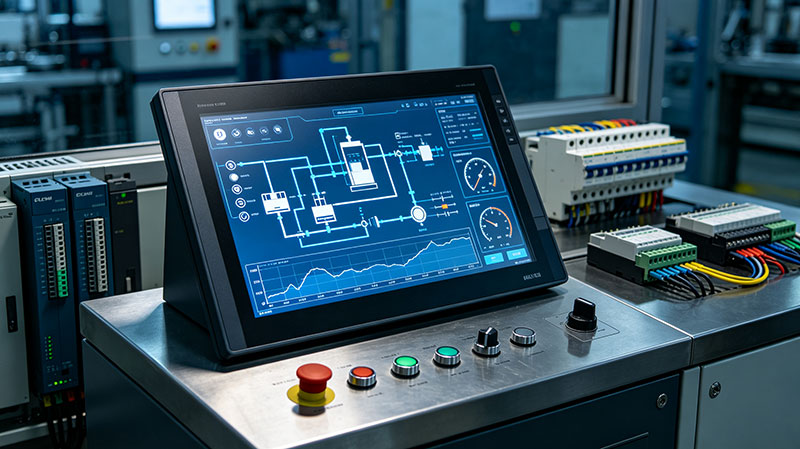
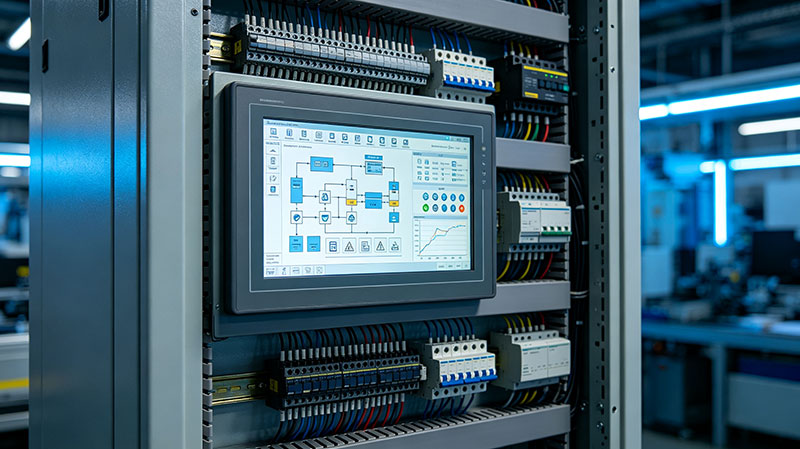
Recommended product model
Selected industrial grade display products for this application scenario have been validated in multiple practical projects
 ">
1000 Nits
">
1000 Nits
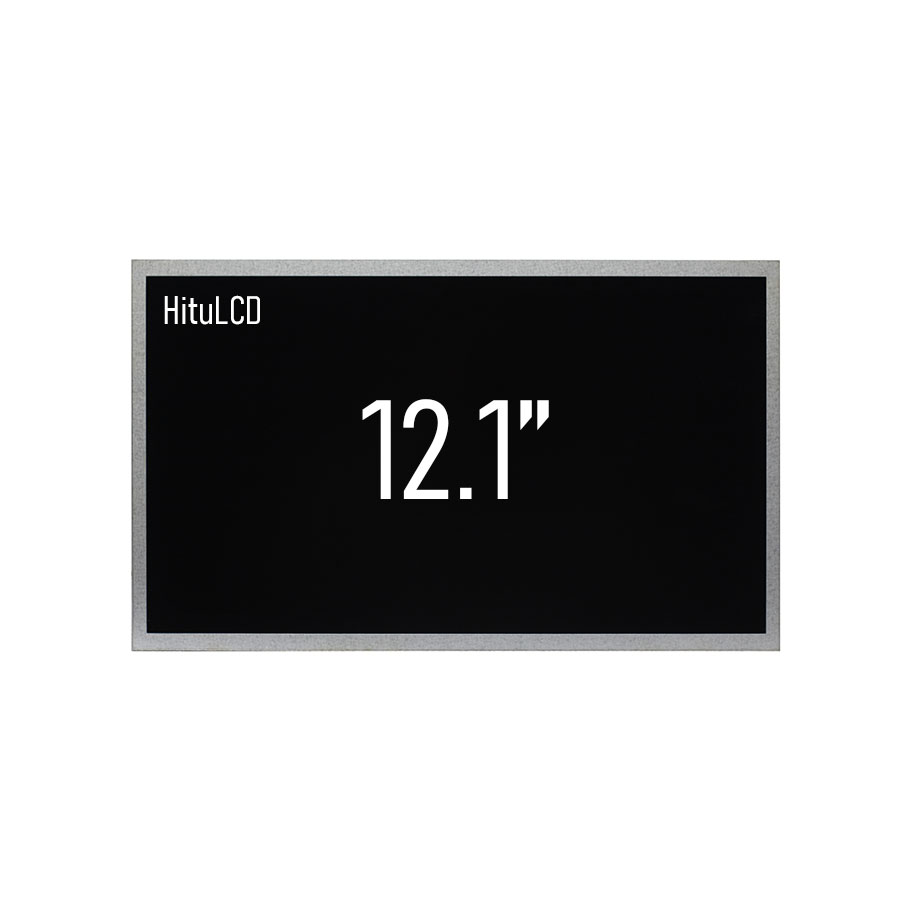
12.1 Inch 1000nits High Brightness TFT LCD Module Screen
model: HT121FHD-1000
 ">
1000 Nits
">
1000 Nits
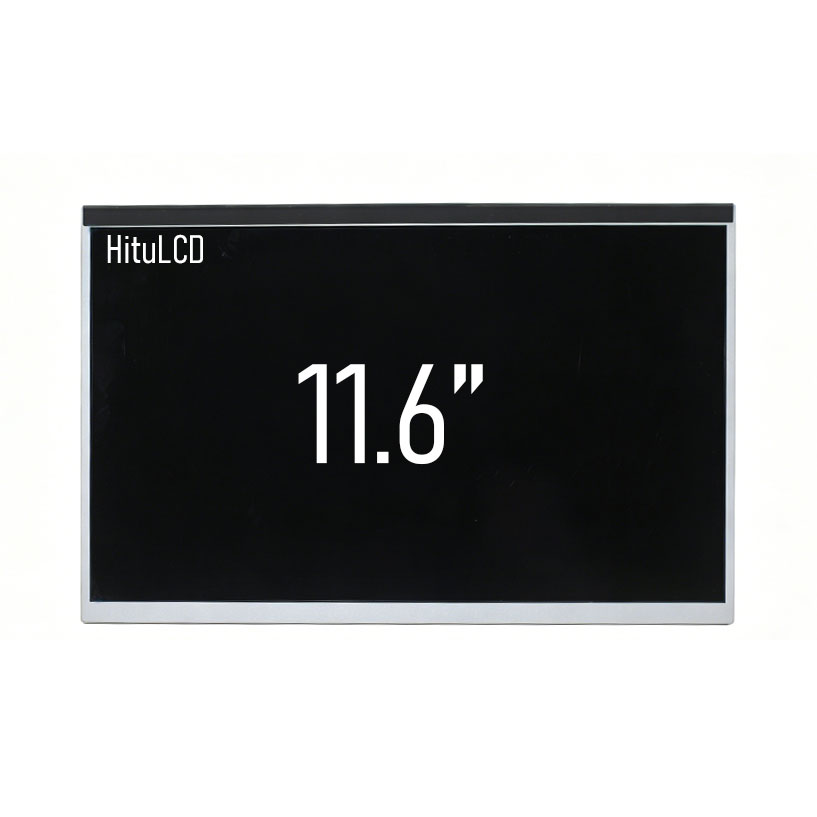
11.6 Inch High Brightness TFT LCD Display (1000NITS)
model: HT116FHD-1000
 ">
1000 Nits
">
1000 Nits
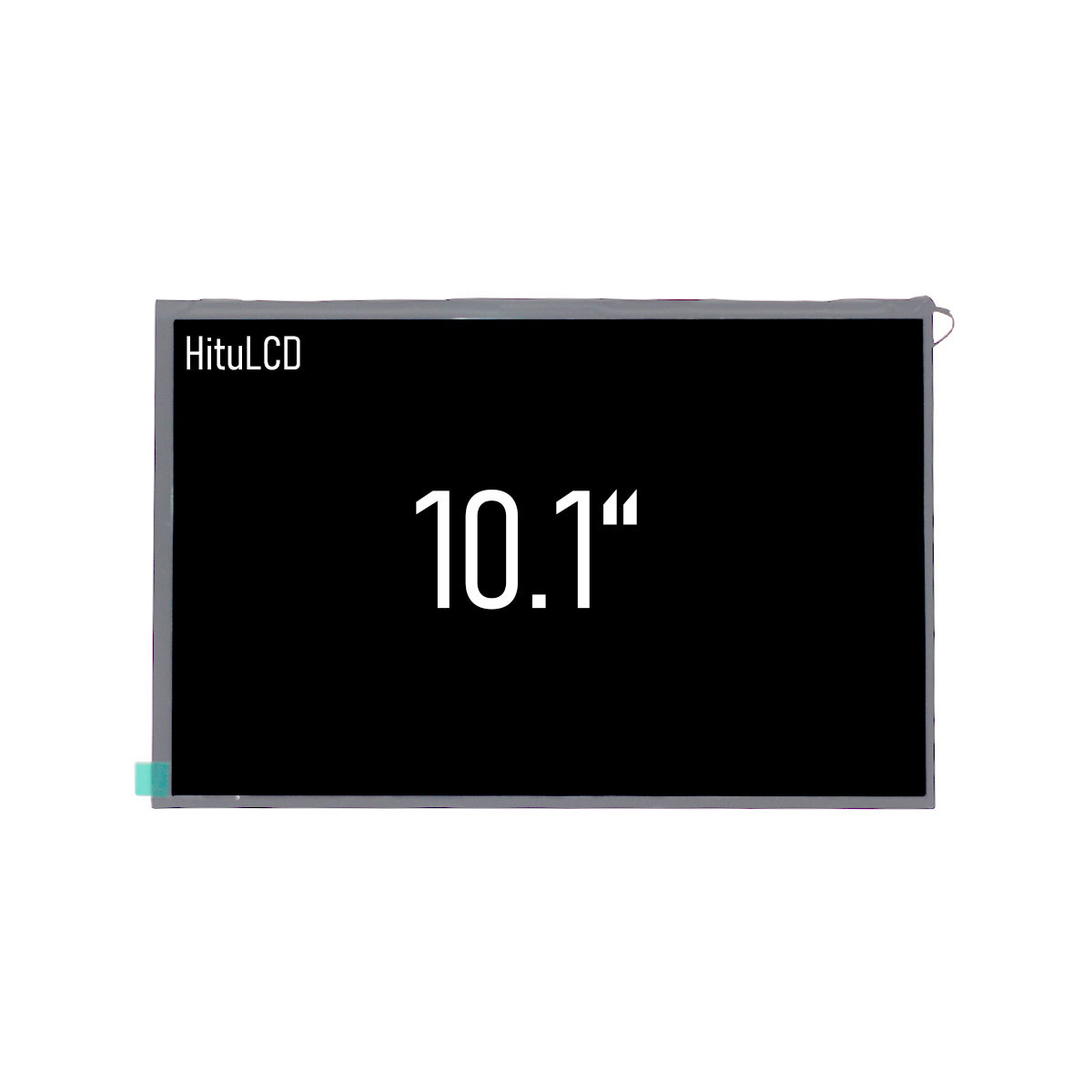
10.1 Inch Industrial High Brightness LCD Display (1000NITS)
model: HT101FHD-1000
Technical document download
Obtain detailed CAD structural drawings and technical specifications
ARE YOU READY TO IMPLEMENT THIS SOLUTION?
Our engineering team is ready to provide you with professional consultation and customized solutions. Whether you are conducting an initial evaluation or preparing for procurement, we can provide comprehensive technical support and flexible business terms.
