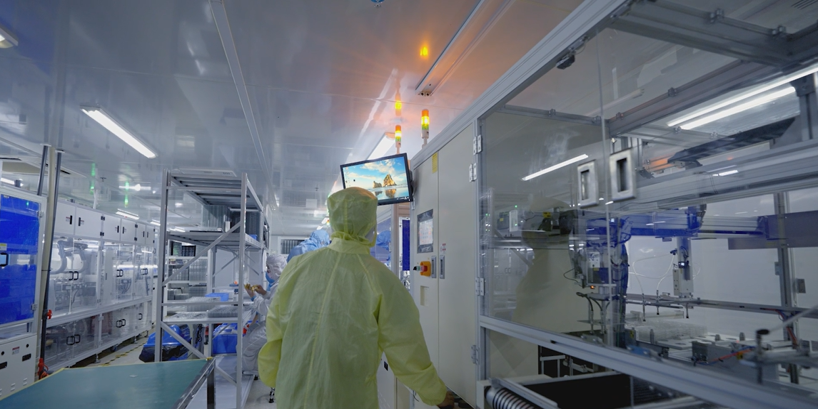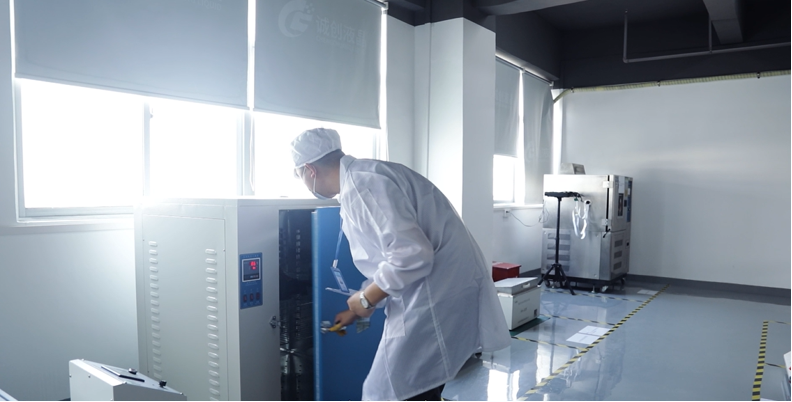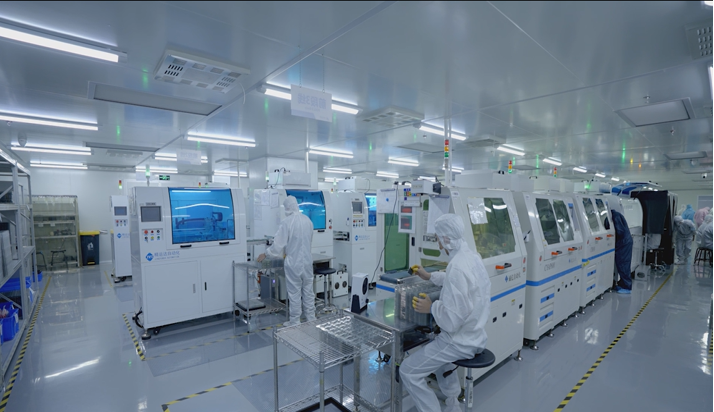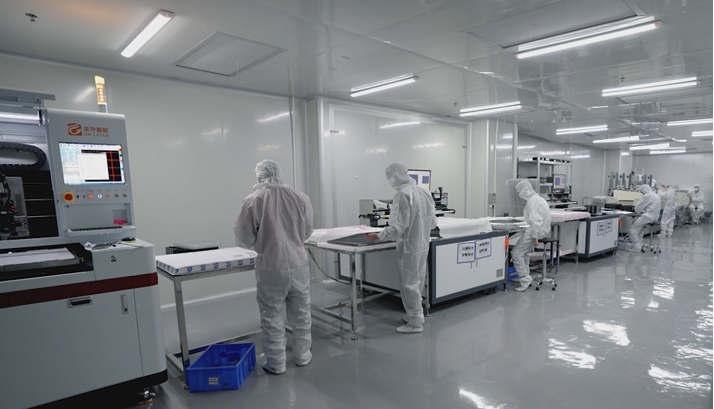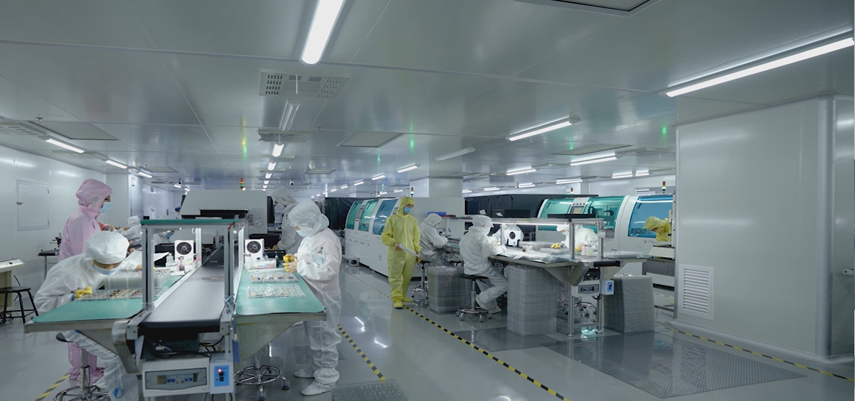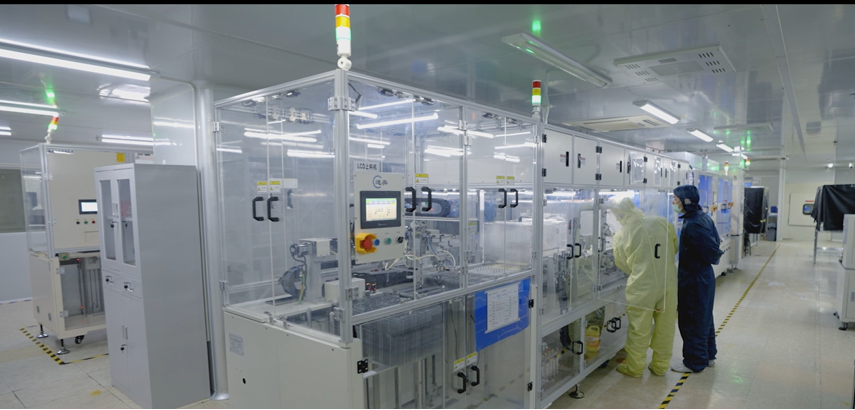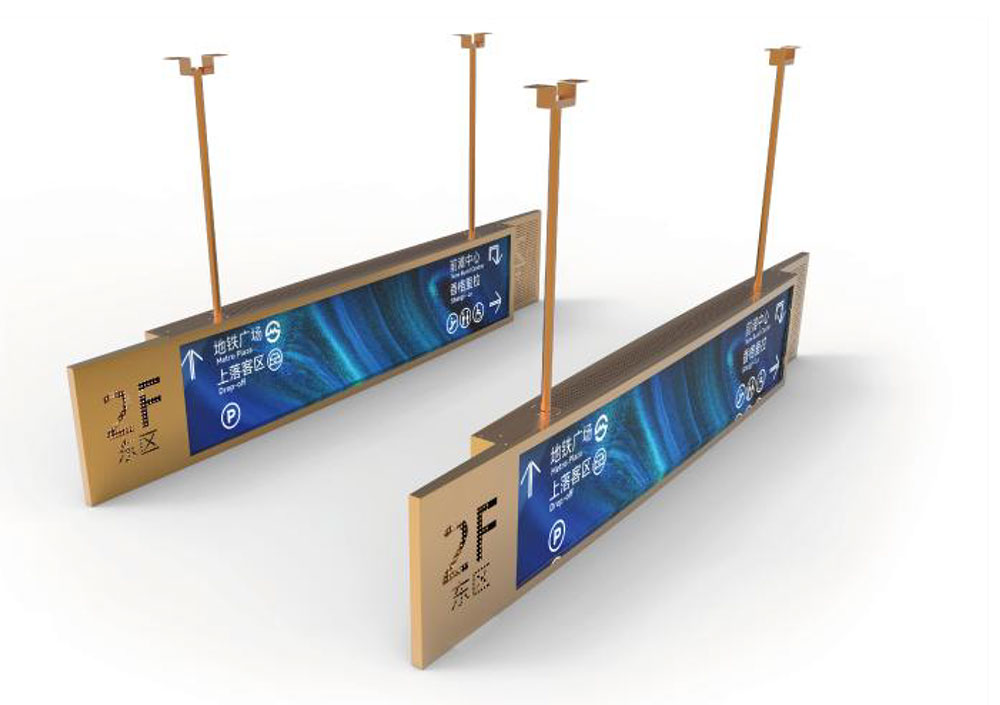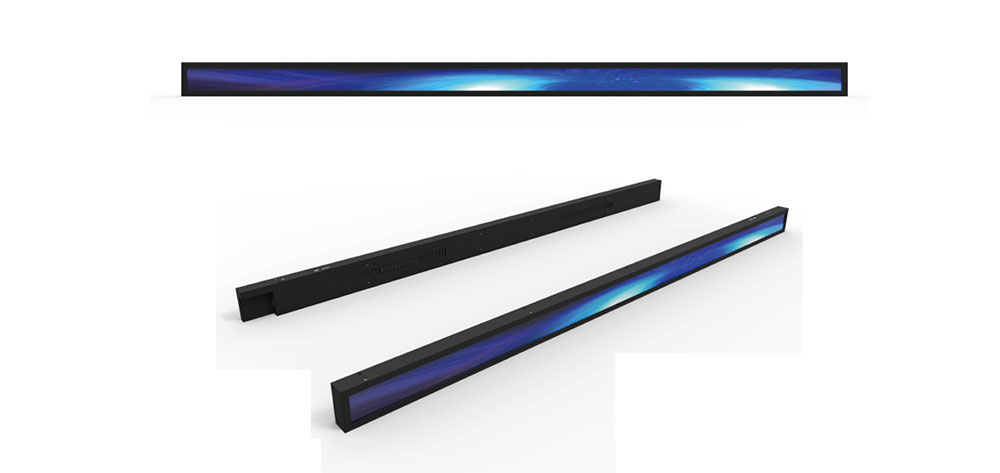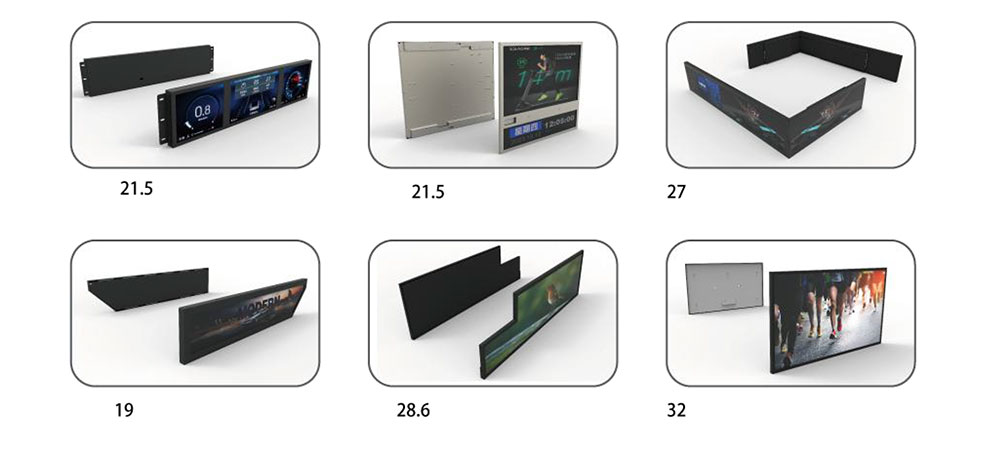
Equipment manufacturers across industrial, medical, transportation, and commercial sectors face a persistent challenge: standard off-the-shelf display panels rarely match the precise dimensional, optical, and mechanical requirements of purpose-built machinery. A custom wide LCD screen bridges this gap, delivering an elongated aspect ratio, tailored brightness, and application-specific interfaces that integrate seamlessly into control panels, dashboards, and human-machine interface (HMI) systems. This white paper examines the engineering considerations, performance parameters, and integration strategies behind custom wide LCD solutions for original equipment manufacturers (OEMs).
Why Wide Aspect Ratios Matter in Equipment Design
Traditional 4:3 and 16:9 panels were designed for consumer displays, not industrial control surfaces. Wide-format LCDs—commonly available in ratios such as 16:6, 24:9, 32:9, and fully custom stretched formats—allow equipment designers to align the display footprint with narrow bezels, elongated dashboards, and horizontally distributed instrument clusters. This is particularly valuable in applications where vertical panel space is constrained but horizontal information density is critical, such as CNC machine controls, elevator indicators, transit signage, medical monitoring stations, and factory automation HMIs.
A wide LCD screen reduces the need for multiple discrete displays, consolidating status indicators, process data, and touch controls into a single continuous surface. This improves operator ergonomics, lowers component count, and simplifies wiring harness complexity within the finished equipment.
Defining "Custom" in LCD Manufacturing
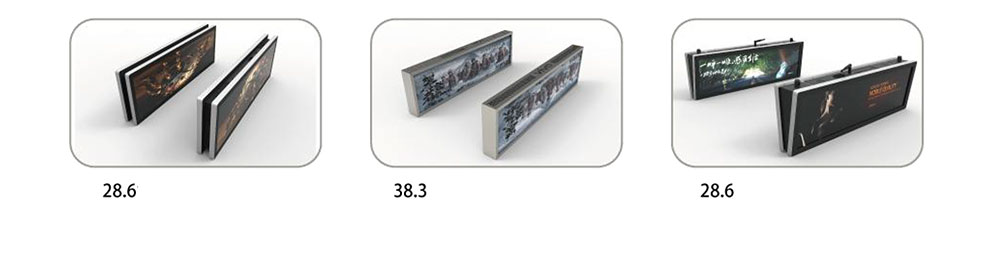
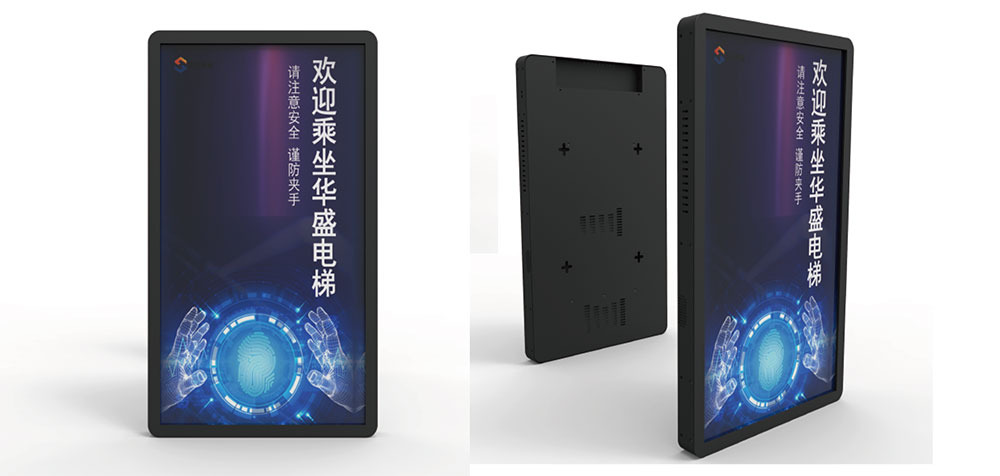
For HITULCD, customization spans multiple layers of the display module. Understanding these layers helps OEMs specify exactly what they need without over-engineering the solution.
- Outline dimensions and active area: Panels can be cut and configured to fit specific enclosure openings, including ultra-wide bar-type displays.
- Brightness class: From standard 300–500 nits to high-brightness 1000–2500+ nits for sunlight-readable outdoor and semi-outdoor deployments.
- Interface selection: LVDS, eDP, MIPI, or dedicated controller boards with HDMI, VGA, and DisplayPort inputs to match the host system.
- Touch integration: Projected capacitive (PCAP), resistive, or optical touch with tuning for gloved operation and thick cover glass.
- Optical bonding: Full lamination to eliminate air gaps, reduce internal reflection, and improve ruggedness against vibration and condensation.
Optical Engineering for Demanding Environments
Equipment often operates in uncontrolled lighting—from dim machine halls to direct sunlight on outdoor terminals. High-brightness backlight design is central to readability. HITULCD engineers specify LED backlight units with enhanced luminance uniformity and thermal management to sustain output across the full operating temperature range without premature degradation.
To combat washout in bright ambient conditions, custom wide LCD screens can incorporate anti-glare surface treatments, low-reflectance polarizers, and optical bonding that raises effective contrast ratio. For sunlight-readable applications, we recommend combining a 1500-nit-plus backlight with an optically bonded touch stack and an ambient light sensor for automatic dimming, preserving both readability and power efficiency.
Mechanical and Environmental Robustness
Industrial equipment subjects displays to shock, vibration, dust, and wide temperature swings. Custom wide LCDs for OEM use are engineered with reinforced mounting frames, gasket-ready mechanical outlines, and wide operating temperature specifications (typically -30°C to +85°C for industrial grades). Optical bonding not only improves optics but also increases structural rigidity, allowing the cover glass and touch sensor to act as a unified impact-resistant assembly.
Ingress protection is achieved at the system level by designing the display bezel to mate with the equipment enclosure. HITULCD provides mechanical drawings and 3D models early in the design cycle so that IP65 or higher front-panel sealing can be validated before tooling.
Interface and Controller Customization
Matching the display to the host processor is a frequent integration hurdle. Native panel interfaces such as LVDS and eDP require compatible timing controllers, while legacy systems may rely on VGA or analog inputs. HITULCD supplies custom controller boards that translate common host outputs into the panel's native signaling, complete with configurable EDID, backlight PWM control, and firmware-defined default brightness. This decouples the OEM's system architecture from the underlying panel technology, protecting the design against future panel end-of-life transitions.
Longevity and Supply Continuity
Equipment lifecycles frequently span seven to fifteen years, far exceeding the market life of consumer LCD panels. A core value of partnering with a specialized custom LCD manufacturer is long-term availability planning. HITULCD sources industrial-grade panels with extended production commitments, maintains last-time-buy programs, and offers form-fit-function replacement roadmaps so that OEMs can service fielded equipment without costly redesigns.
The OEM Development Workflow
A successful custom wide LCD project follows a structured process:
- Requirement capture: Aspect ratio, brightness, touch, interface, temperature, and lifecycle expectations.
- Concept and sampling: Preliminary specifications, mechanical drawings, and engineering samples for evaluation.
- Design validation: Optical, thermal, and EMC testing within the target enclosure.
- Pilot production: Low-volume runs to verify assembly and yield.
- Mass production and support: Ongoing quality control, documentation, and supply assurance.
Conclusion
A custom wide LCD screen is more than a stretched panel—it is a purpose-engineered display subsystem that aligns optics, mechanics, interfaces, and lifecycle strategy with the demands of specialized equipment. By working with a dedicated high-brightness LCD manufacturer such as HITULCD, equipment manufacturers gain displays that fit precisely, perform reliably in harsh conditions, and remain available throughout the product's service life. The result is a differentiated, durable, and readable interface that elevates the entire machine.
KEYWORDS: custom wide LCD screen, wide LCD for equipment manufacturers, high-brightness LCD, sunlight-readable display, OEM LCD customization