Transforming Guest Experiences with Ultra Wide Display Technology
The Australian hospitality industry is experiencing a technological revolution, with ultra wide displays emerging as a cornerstone of modern guest engagement and operational efficiency. From luxury hotels in Sydney to boutique resorts in Queensland, hospitality businesses are discovering that ultra wide displays offer unprecedented opportunities to elevate brand presence, streamline operations, and create memorable visual experiences that set them apart in an increasingly competitive market.
Understanding Ultra Wide Display Technology for Hospitality Applications
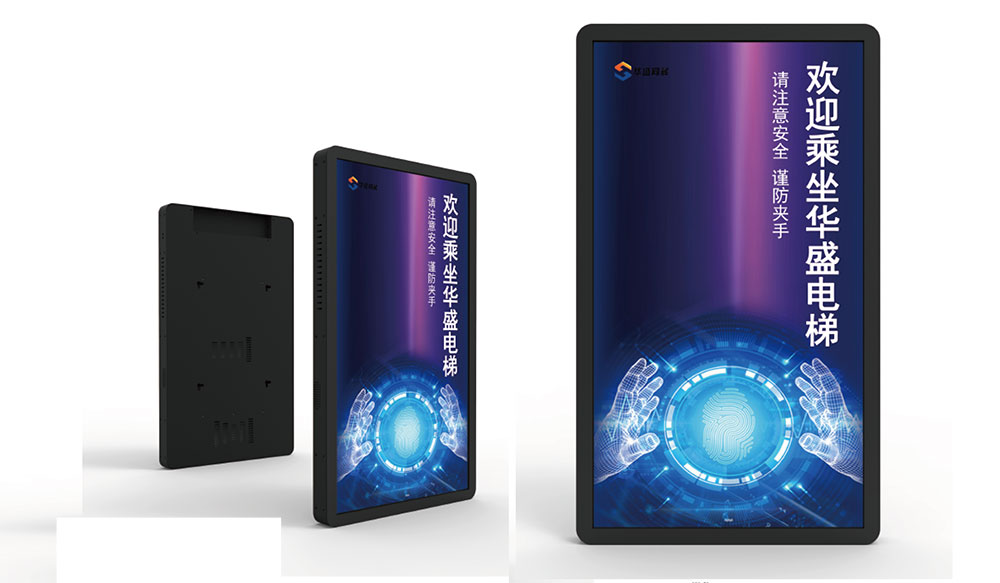
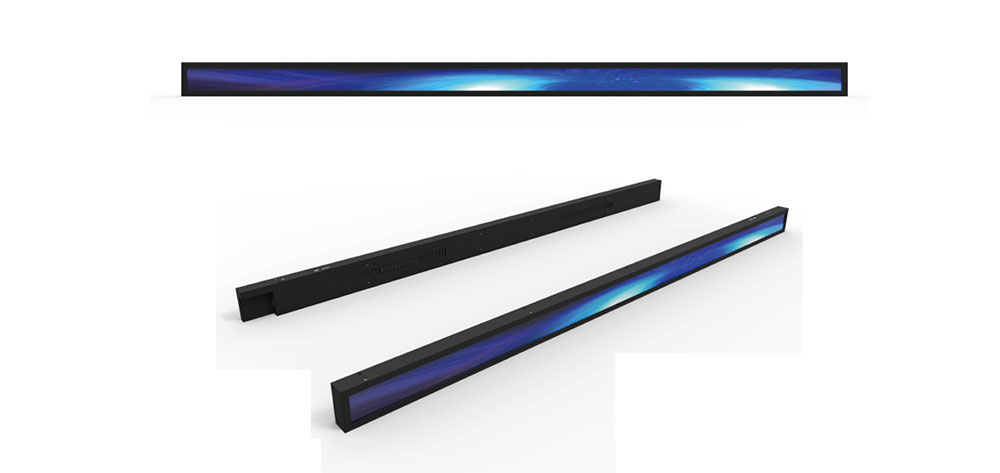
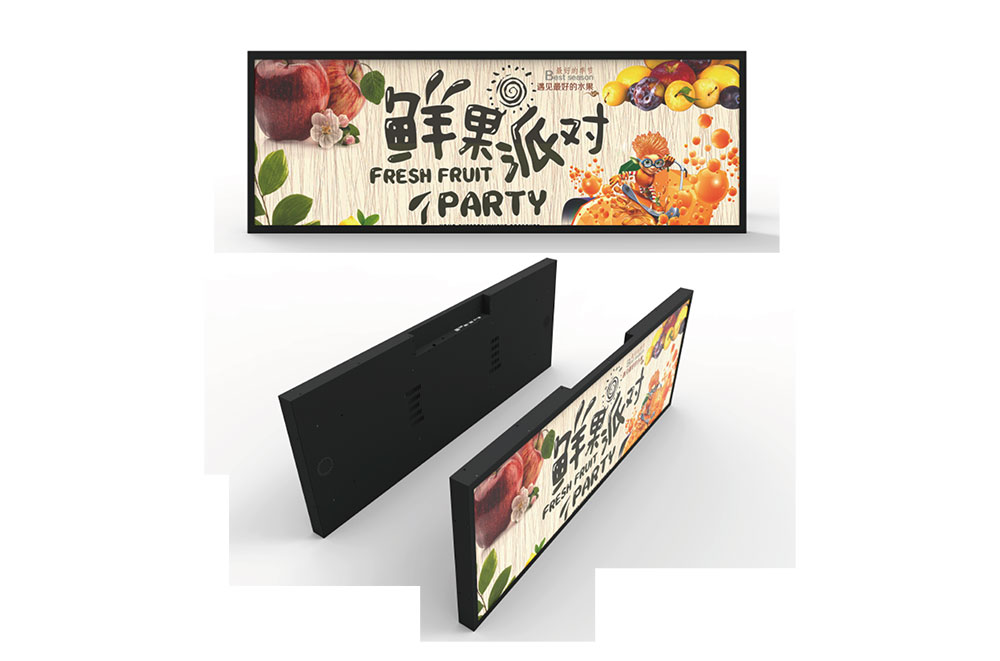
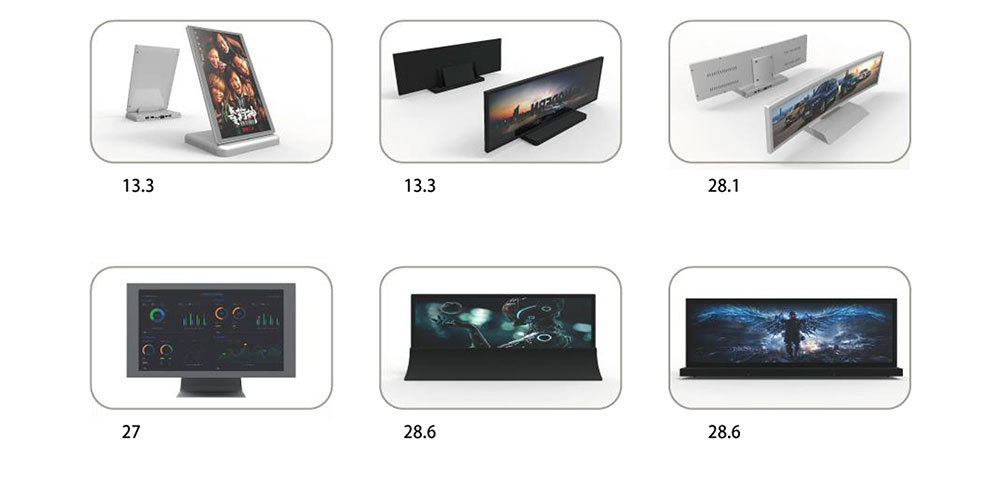
Ultra wide displays, characterized by aspect ratios of 21:9 or wider, represent a significant departure from traditional 16:9 screens. These expansive panels provide a panoramic viewing experience that naturally captures attention and delivers information in a more immersive format. For Australian hospitality businesses, this technology translates into versatile solutions that can adapt to diverse operational needs.
The technical specifications that matter most for hospitality applications include brightness levels exceeding 700 nits for window-facing installations, wide viewing angles to accommodate varied guest positions, and robust construction designed for continuous 24/7 operation. High-brightness LCD technology ensures content remains vibrant and readable even in environments with abundant natural light—a critical consideration for Australian venues where sunshine is plentiful.
Strategic Applications Across Hospitality Environments
Hotel Lobbies and Reception Areas
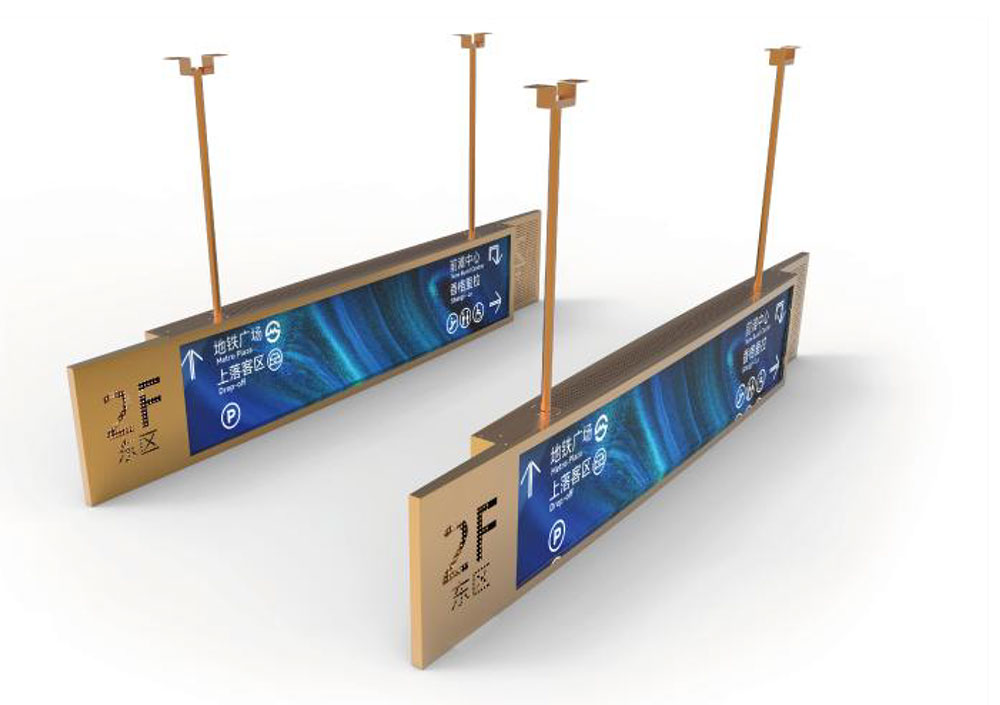
Ultra wide displays transform hotel lobbies into dynamic welcome spaces that communicate brand identity while providing practical information. A single ultra wide screen can simultaneously showcase hotel amenities, local attractions, weather updates, and promotional content without appearing cluttered. The expansive format allows for creative content layouts that guide the eye naturally from left to right, creating a storytelling experience that engages guests from the moment they enter.
Reception desks benefit significantly from ultra wide technology, where staff can utilize desktop displays to view multiple systems simultaneously—property management software, booking calendars, guest preferences, and communication tools—without constantly switching windows or using multiple monitors. This streamlined workflow reduces check-in times and minimizes guest frustration during peak periods.
Restaurant and Bar Environments
Australian restaurants and bars face unique challenges in menu presentation, with diverse offerings that change seasonally and daily specials that require frequent updates. Ultra wide digital menu boards solve this challenge elegantly, providing ample screen real estate to display full menus with high-resolution food photography, pricing, and nutritional information without overwhelming diners.
Behind bar installations utilize ultra wide displays to create ambient experiences that enhance the venue's atmosphere. Sports bars can show multiple game feeds simultaneously, while cocktail lounges can display artistic content that reinforces their brand aesthetic. The format naturally accommodates horizontal content flow, making it ideal for scrolling information or displaying multiple content zones.
Conference and Event Spaces
Corporate events and conferences demand professional presentation capabilities, and ultra wide displays deliver exceptional value in these scenarios. The expansive format supports side-by-side content display, allowing presenters to show slides alongside video feeds, live social media streams, or participant information simultaneously. This multi-content capability is particularly valuable for hybrid events connecting in-person and remote participants.
Event registration areas benefit from ultra wide displays that can show directional information, sponsor logos, event schedules, and welcome messages in a single, cohesive visual presentation. The format's natural horizontal orientation aligns perfectly with how people scan information in high-traffic areas.
Technical Considerations for Australian Climate Conditions
Australia's climate presents specific challenges that hospitality businesses must address when selecting ultra wide displays. Coastal properties face salt air exposure requiring sealed enclosures and corrosion-resistant materials. Tropical regions demand displays with robust thermal management systems capable of operating in high humidity environments. Desert and inland locations require panels that can withstand extreme temperature fluctuations.
High-brightness LCD panels from manufacturers like HITULCD are engineered specifically for challenging environmental conditions. Industrial-grade components ensure reliable operation across temperature ranges from -20°C to 70°C, while advanced backlighting technology maintains consistent brightness levels exceeding 1000 nits when needed for outdoor or semi-outdoor applications.
Power consumption represents another critical consideration for Australian businesses facing rising energy costs. Modern ultra wide displays incorporate LED backlighting and intelligent brightness adjustment that significantly reduces power consumption compared to older technologies, with some models consuming less than 150 watts while delivering exceptional visual performance.
Content Management and Integration Capabilities
The true value of ultra wide displays extends beyond hardware specifications into content management capabilities. Australian hospitality businesses require flexible systems that allow staff to update content quickly without specialized technical knowledge. Cloud-based content management systems enable centralized control across multiple properties, ensuring brand consistency while allowing local customization.
Integration with existing property management systems, point-of-sale terminals, and booking platforms creates powerful automated workflows. Hotels can automatically update room availability displays, restaurants can synchronize digital menus with inventory systems, and conference centers can populate event schedules directly from booking databases. This integration eliminates manual updates and reduces errors that frustrate guests.
Multi-zone content capabilities allow ultra wide displays to function as multiple screens within a single panel. A hotel lobby display might dedicate the left third to arrival/departure information, the center section to promotional video content, and the right third to local weather and attractions. This compartmentalization maximizes information delivery while maintaining visual organization.
Return on Investment for Hospitality Businesses
Australian hospitality operators must justify technology investments through measurable returns. Ultra wide displays deliver ROI through multiple channels. Digital menu boards reduce printing costs while enabling dynamic pricing strategies that optimize revenue during peak and off-peak periods. Promotional displays drive incremental revenue by highlighting premium services, room upgrades, and on-property dining options at strategic touchpoints throughout the guest journey.
Operational efficiency gains represent substantial value. Staff spend less time responding to basic guest inquiries when information is readily visible on strategically placed displays. Self-service check-in kiosks utilizing ultra wide screens reduce labor costs while improving guest satisfaction through reduced wait times. Conference centers can command premium pricing for spaces equipped with advanced AV technology that simplifies event execution.
Brand differentiation provides long-term competitive advantage in markets where guest expectations continually evolve. Properties that embrace modern display technology signal innovation and attention to detail—attributes that resonate strongly with both leisure travelers and corporate clients selecting venues for important events.
Installation Best Practices and Maintenance Requirements
Proper installation ensures ultra wide displays deliver optimal performance throughout their operational lifespan. Wall-mounted installations require robust mounting systems capable of supporting panels that may weigh 30-50 kilograms depending on size and construction. Australian building codes mandate specific requirements for commercial installations, and certified installers ensure compliance while optimizing viewing angles and minimizing glare.
Cable management receives particular attention in hospitality environments where aesthetics matter significantly. Concealed conduit runs maintain clean sightlines while protecting cables from damage. Power and data infrastructure must support not just current displays but anticipated future upgrades, requiring forward-thinking planning during initial installation.
Maintenance protocols for commercial displays differ substantially from consumer electronics. Hospitality businesses should establish regular cleaning schedules using appropriate materials that won't damage anti-glare coatings. Firmware updates ensure displays maintain optimal performance and security. Professional annual inspections identify potential issues before they cause operational disruptions during critical periods.
Future Trends Shaping Hospitality Display Technology
The evolution of ultra wide display technology continues accelerating, with several trends particularly relevant for Australian hospitality businesses. Touch-enabled ultra wide displays are transforming guest interactions, enabling interactive wayfinding, self-service ordering, and virtual concierge services. The technology has matured to support reliable multi-touch functionality even on panels exceeding 60 inches diagonal.
Artificial intelligence integration enables displays to adapt content based on viewer demographics, time of day, and even weather conditions. A beachfront resort might automatically shift content to indoor activities when rain is detected, while city hotels can highlight nearby attractions based on current event schedules and traffic conditions.
Sustainability considerations are driving demand for displays with reduced environmental impact. Newer ultra wide panels incorporate recycled materials, use mercury-free LED backlighting, and feature power management systems that dramatically reduce energy consumption. These attributes align with Australian hospitality's growing commitment to environmental responsibility while reducing operational costs.
Selecting the Right Ultra Wide Display Solution
Australian hospitality businesses face numerous options when selecting ultra wide displays, making informed decision-making critical. Screen size should balance visibility requirements with available space and viewing distances. A hotel lobby with 15-meter viewing distances requires larger panels than a restaurant hostess stand viewed from 3 meters.
Brightness specifications must account for ambient lighting conditions. Displays near windows or in outdoor-adjacent areas require minimum brightness levels of 1000 nits, while interior locations may perform adequately with 500-700 nit panels. Higher brightness enables better visibility but typically increases power consumption and cost.
Resolution considerations balance image quality with content requirements and budget constraints. Ultra HD (3840x1080) provides exceptional clarity for detailed content like menus and maps, while Full HD (2560x1080) proves adequate for promotional videos and general information displays. The referenced report documents suggest that resolution requirements should align with primary content types and viewing distances.
Connectivity options determine integration flexibility. Modern ultra wide displays should include HDMI, DisplayPort, and network connectivity options. Built-in media players eliminate external equipment requirements for simple applications, while more complex installations may require dedicated content servers supporting multiple displays.
Conclusion: Embracing Ultra Wide Innovation
Ultra wide displays represent a strategic investment for Australian hospitality businesses committed to delivering exceptional guest experiences while optimizing operational efficiency. The technology's versatility enables applications ranging from basic information display to sophisticated interactive systems that transform how guests engage with properties.
Success requires thoughtful planning that considers environmental conditions, content strategies, integration requirements, and long-term maintenance needs. Partnering with experienced suppliers who understand hospitality-specific requirements ensures solutions deliver lasting value. As the Australian hospitality industry continues evolving, ultra wide display technology will remain central to creating memorable experiences that drive guest satisfaction, operational excellence, and sustainable competitive advantage.
KEYWORDS: ultra wide displays Australia, hospitality display technology, high brightness LCD screens, hotel digital signage, restaurant menu boards