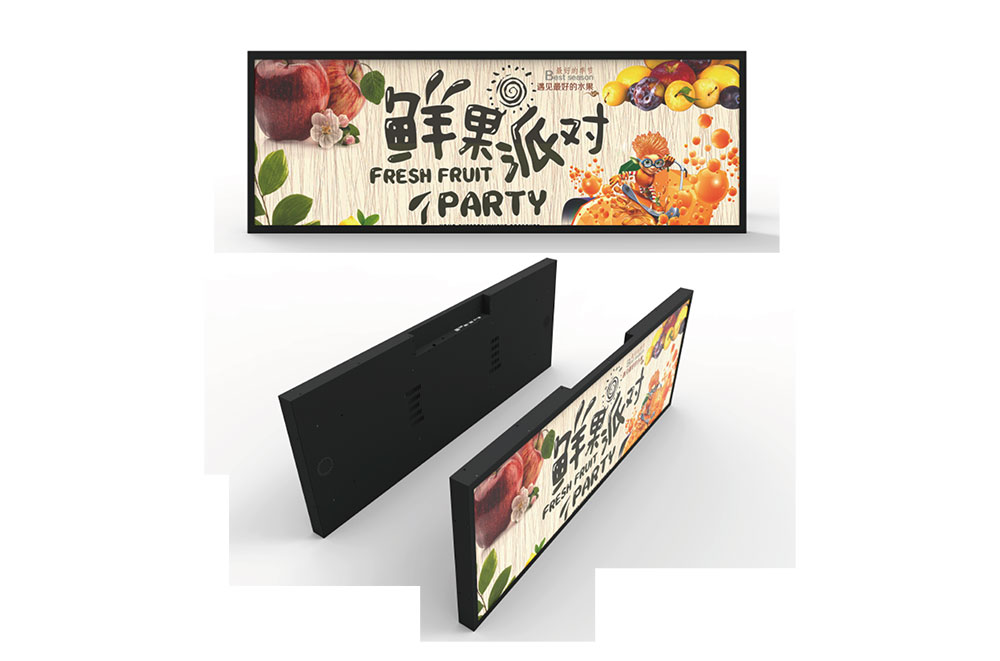
The Australian restaurant industry is experiencing a digital transformation in how establishments communicate with customers, and high brightness LCD displays have emerged as the cornerstone technology driving this evolution. From bustling Sydney cafes to beachfront restaurants in Queensland, digital advertising systems powered by high-brightness screens are reshaping customer engagement and operational efficiency.
The Unique Demands of Australian Restaurant Environments
Australia's diverse climate and restaurant culture create exceptional challenges for display technology. Restaurants with outdoor seating areas face intense sunlight, particularly during the harsh summer months when ambient light levels can exceed 100,000 lux. Standard commercial displays with brightness levels of 300-500 cd/m² become virtually unreadable in these conditions, rendering traditional advertising ineffective.
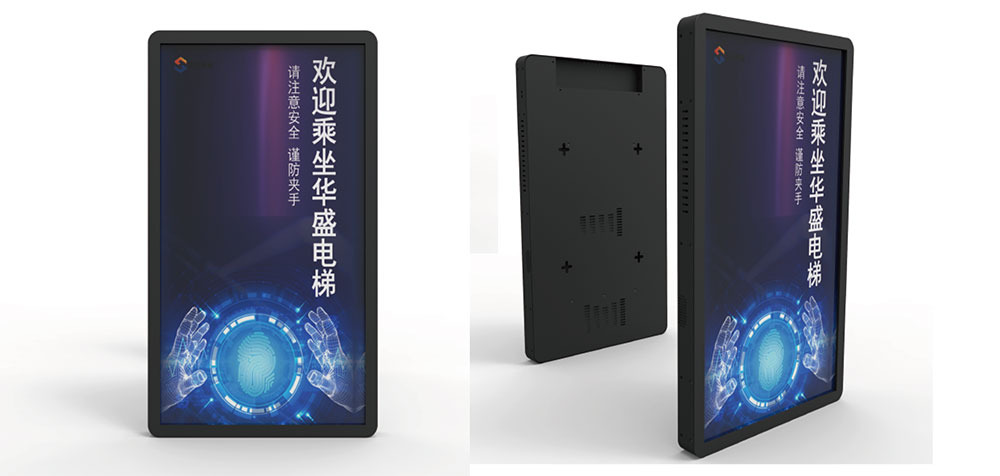
High brightness LCD displays engineered for restaurant applications typically deliver luminance levels between 1,500 and 3,500 cd/m², ensuring menu boards and promotional content remain crystal clear even under direct Australian sunlight. This capability is particularly critical for establishments along the Gold Coast, Perth beaches, and Melbourne's outdoor dining precincts where natural light presents constant visibility challenges.
Technical Architecture of Restaurant-Grade High Brightness Displays
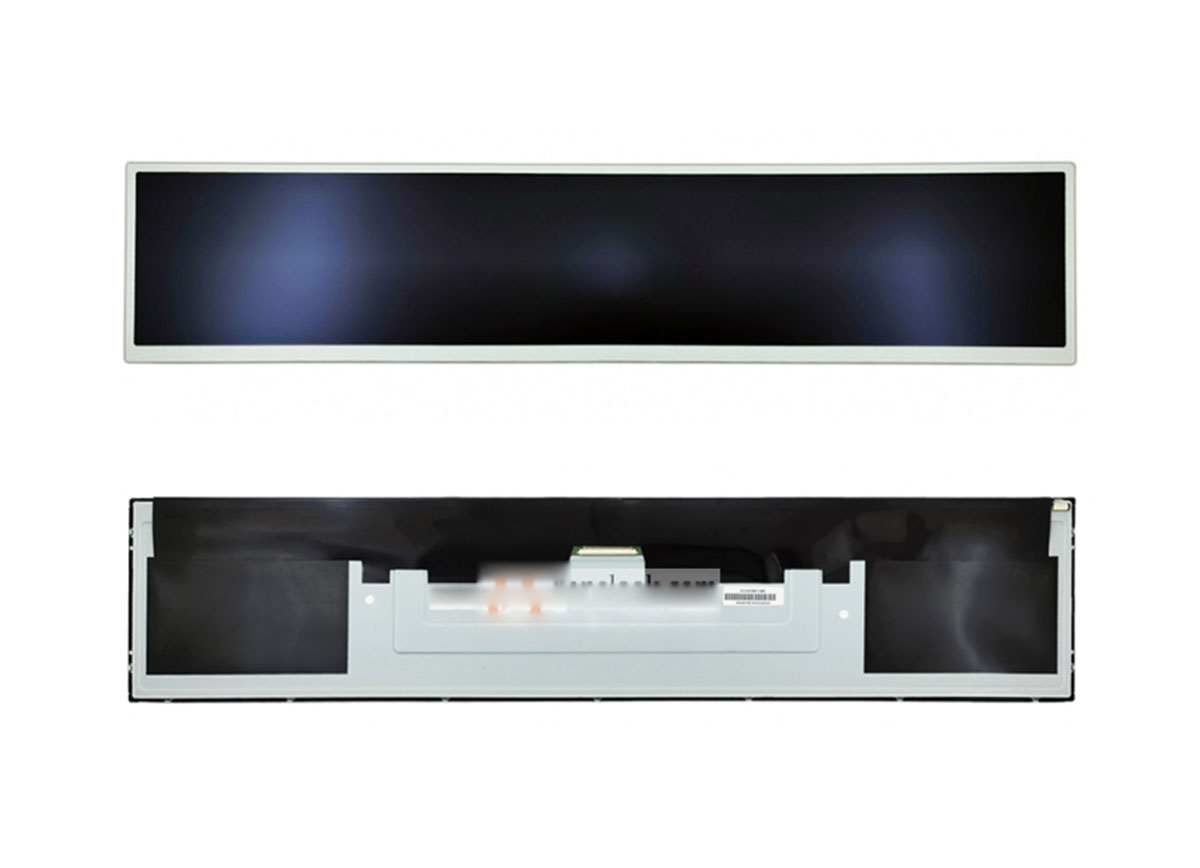
The construction of high brightness LCDs for Australian restaurant advertising systems incorporates several advanced engineering features. Enhanced LED backlighting arrays form the foundation, utilizing higher power LEDs with optimized spacing to achieve uniform illumination across the entire display surface without creating hotspots or dimming zones.
Optical bonding technology eliminates the air gap between the LCD panel and protective glass, significantly reducing internal reflections and improving contrast ratios by 3-5 times compared to unbonded displays. This anti-reflective treatment proves essential in restaurant environments where windows, overhead lighting, and kitchen reflections can compromise screen visibility.
Thermal management systems represent another critical component. High brightness operation generates substantial heat, and restaurant kitchens already maintain elevated ambient temperatures. Advanced heat dissipation architecture employing aluminum heat sinks, thermal interface materials, and intelligent fan control maintains optimal operating temperatures between 0-50°C, preventing thermal throttling that would reduce display brightness during peak service hours.
Digital Menu Board Applications and Dynamic Content
Australian restaurants are deploying high brightness displays primarily as digital menu boards that transform static pricing into dynamic, revenue-optimizing content platforms. Quick service restaurants can modify pricing based on time-of-day, inventory levels, or weather conditions—promoting cold beverages during heatwaves or comfort food during cooler periods.
The visual impact of high brightness displays drives measurable business outcomes. Studies from Australian QSR chains indicate that well-designed digital menu boards increase average transaction values by 15-30% through strategic upselling, animated product imagery, and limited-time offer promotions that capture customer attention more effectively than printed menus.
Content management systems integrated with these displays enable restaurant chains to maintain brand consistency across multiple locations while allowing individual venues to customize offerings. A Sydney-based restaurant group can push corporate promotions to all locations while permitting individual managers to highlight locally-sourced ingredients or venue-specific specials.
Durability Standards for Commercial Restaurant Operations
The demanding nature of restaurant environments requires displays engineered beyond consumer-grade specifications. IP65-rated enclosures protect internal components from moisture, cooking oils, and cleaning chemicals prevalent in food service areas. This ingress protection proves particularly valuable for restaurants in coastal regions where salt-laden air accelerates corrosion of unprotected electronics.
High brightness displays designated for restaurant use maintain operational lifespans exceeding 50,000 hours—approximately 8-10 years of continuous 16-hour daily operation typical in Australian hospitality venues. Industrial-grade components, robust power supplies, and enhanced quality control during manufacturing ensure reliability that minimizes costly downtime during peak service periods.
Vandal-resistant tempered glass rated to IK08 or higher protects screens in high-traffic areas or venues where alcohol service increases the risk of accidental or intentional impact. This durability consideration extends the total cost of ownership calculation, as replacement costs and service interruptions represent significant operational expenses for restaurant operators.
Energy Efficiency and Sustainability Considerations
Despite their enhanced brightness capabilities, modern high brightness LCD displays incorporate intelligent power management features that align with Australia's increasing focus on environmental sustainability and energy cost management. Ambient light sensors automatically adjust screen brightness based on surrounding illumination levels, reducing power consumption by 30-50% during evening hours or cloudy conditions while maintaining optimal visibility.
LED backlighting technology consumes significantly less power than legacy CCFL systems, with typical power draws ranging from 150-400 watts depending on screen size and brightness settings. For restaurants operating multiple displays, this efficiency translates to measurable reductions in electricity costs—a critical consideration given Australia's relatively high commercial energy rates.
The elimination of printed menu materials through digital display adoption reduces ongoing material costs while supporting corporate sustainability initiatives increasingly important to Australian consumers. Restaurants can highlight their environmental commitments through on-screen messaging while simultaneously reducing operational waste.
Integration with Restaurant Management Systems
Advanced high brightness display systems function as components within comprehensive restaurant technology ecosystems. Direct integration with point-of-sale platforms enables real-time menu updates reflecting ingredient availability—automatically removing items when inventory depletes or highlighting dishes requiring expedited sales before expiration.
Australian restaurants utilizing kitchen display systems benefit from unified digital infrastructure where the same high brightness technology displays orders to kitchen staff while presenting promotional content to customers. This operational integration reduces hardware costs, simplifies staff training, and creates seamless information flow from order placement through preparation to customer service.
Analytics capabilities embedded in modern display management platforms provide restaurant operators with actionable intelligence. Tracking which menu items receive the most visual attention, measuring conversion rates for promotional content, and analyzing customer engagement patterns enable data-driven menu optimization that maximizes profitability.
Compliance with Australian Standards and Regulations
Restaurant advertising displays must comply with Australian electrical safety standards (AS/NZS 60950) and electromagnetic compatibility requirements to ensure safe operation in commercial food service environments. High brightness displays certified for Australian deployment undergo rigorous testing for electrical safety, emissions control, and operational reliability under local conditions.
Food safety regulations influence display placement and design, requiring installations that don't interfere with hygiene protocols or create cleaning difficulties. Smooth, sealed surfaces that resist bacterial growth and withstand commercial sanitizing agents meet health department requirements while maintaining aesthetic appeal.
Accessibility standards increasingly shape digital menu board implementations, with high brightness displays offering advantages for vision-impaired customers through adjustable text sizes, high-contrast color schemes, and optimal viewing angles. These considerations align with Australia's commitment to inclusive business practices while expanding potential customer bases.
Cost-Benefit Analysis for Australian Restaurant Operators
The investment in high brightness LCD advertising systems requires careful financial evaluation. Initial hardware costs typically range from AUD $2,500-$8,000 per display depending on size, brightness specifications, and installation complexity. However, the elimination of printed menu production costs—averaging $500-$1,500 monthly for multi-location operations—creates significant long-term savings.
Increased sales velocity represents the most compelling financial benefit. Australian quick service restaurants report that digital menu boards reduce customer decision time by 15-20%, increasing throughput during peak periods. Combined with higher average transaction values driven by dynamic upselling, many operators achieve return on investment within 12-18 months.
Operational flexibility provides additional value difficult to quantify but highly valuable to restaurant management. The ability to instantly modify pricing, launch promotional campaigns, or respond to competitive pressures without printing costs or delay creates strategic agility particularly beneficial in Australia's competitive hospitality market.
Future Trends in Restaurant Display Technology
The evolution of high brightness LCD technology continues accelerating, with emerging capabilities set to further transform Australian restaurant advertising. AI-powered content optimization analyzes customer demographics through integrated cameras, automatically adjusting displayed menu items based on time-of-day patterns, weather conditions, and observed customer profiles.
Interactive touchscreen implementations of high brightness displays enable self-service ordering that reduces labor costs while improving order accuracy. Australian restaurants piloting these systems report labor cost reductions of 20-30% during peak periods while maintaining or improving customer satisfaction through reduced wait times.
Transparent LCD technology represents an emerging frontier, allowing restaurants to convert windows into advertising surfaces without blocking natural light or views. These displays maintain visibility in high ambient light while creating immersive brand experiences that attract foot traffic—particularly valuable for restaurants in competitive urban districts.
As Australian restaurants continue embracing digital transformation, high brightness LCD displays will remain central to customer communication strategies. The combination of technological advancement, proven ROI, and evolving consumer expectations positions these systems as essential infrastructure for competitive hospitality operations nationwide.
KEYWORDS: high brightness LCD displays, restaurant digital menu boards, Australian restaurant advertising, commercial LCD screens, outdoor display technology