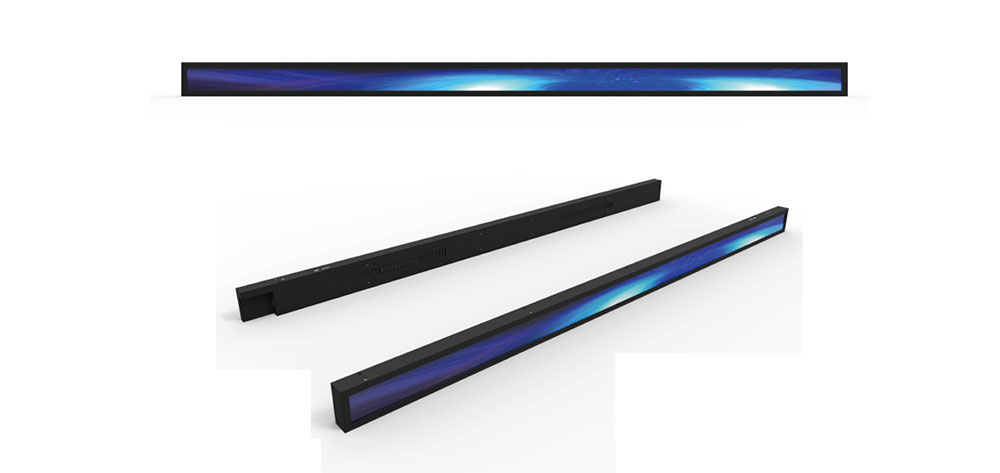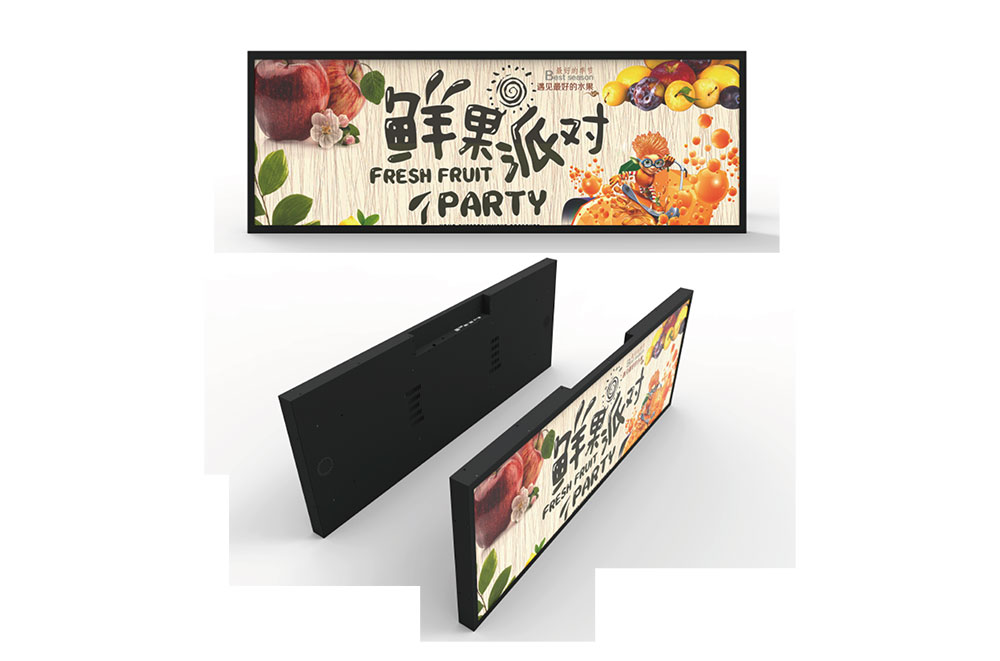
Stretched LCDs — the long, narrow "bar" or "strip" displays used for shelf-edge ticketing, aisle-end headers, baggage-hall wayfinding, menu boards, and transit signage — look deceptively simple on a specification sheet. They are not. A 37-inch panel that is 300 mm tall and 900 mm wide behaves nothing like a standard 16:9 display: the backlight is spread unevenly, the panel is more torsionally fragile, and the mounting envelope is usually dictated by a metal cabinet, a ceiling rail, or a checkout bay that was never designed for electronics. When you add the Australian operating environment — high ambient light, aggressive UV, coastal salt, 40 °C-plus summers, and a strict electrical compliance regime — the gap between an experienced stretched-LCD manufacturer and a trading company that simply resells widens quickly. This guide sets out the certificates, technical evidence, and commercial terms you should demand before placing an order.
Why stretched LCDs are a specialist product category
Most stretched panels start life as a standard glass substrate that is cut down, or as a purpose-built ultra-wide panel from a small number of fabs. Either way, the optical design is the hard part. Because the active area is long and thin, uniformity becomes the dominant quality metric: a 5 % luminance variation that is invisible on a 55-inch signage screen becomes a visible bright band or a dark tail on a 1:3 aspect ratio bar display.
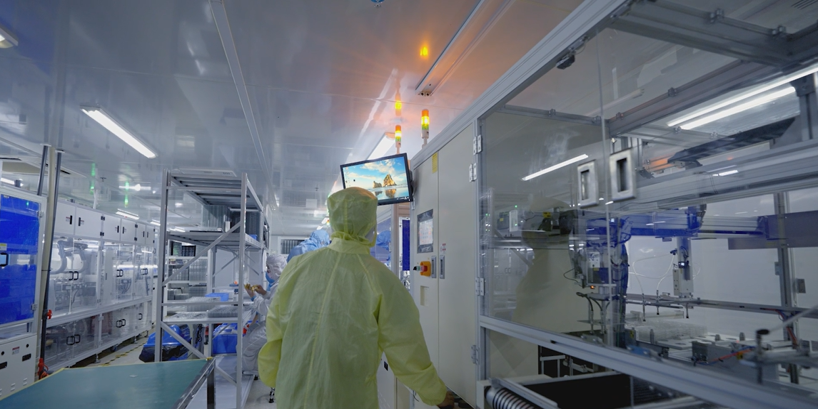
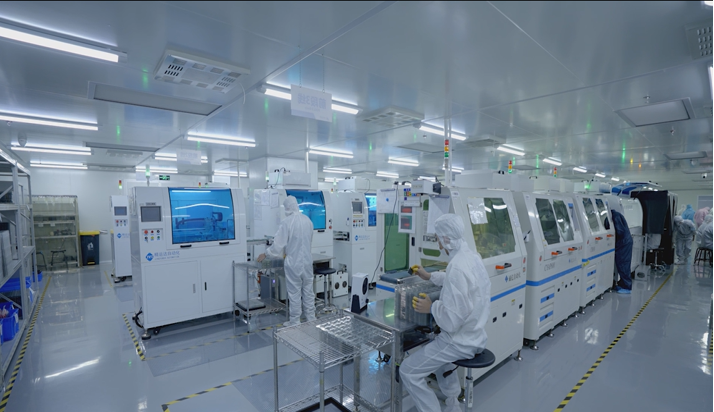
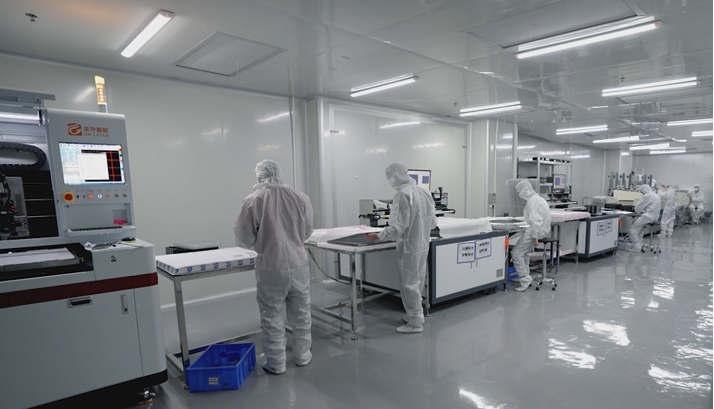
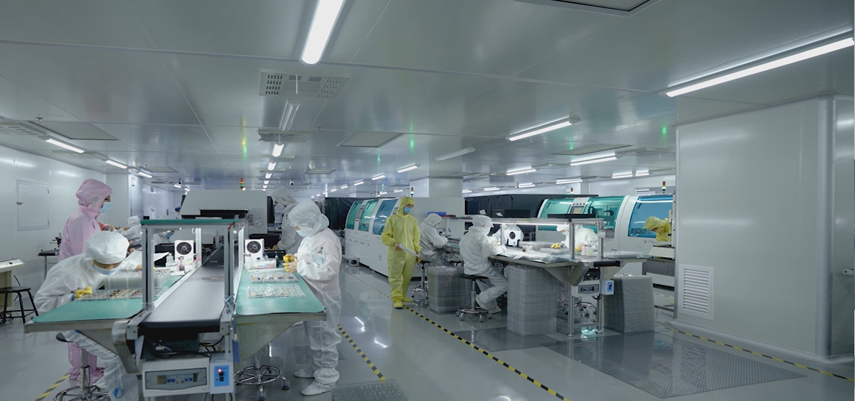
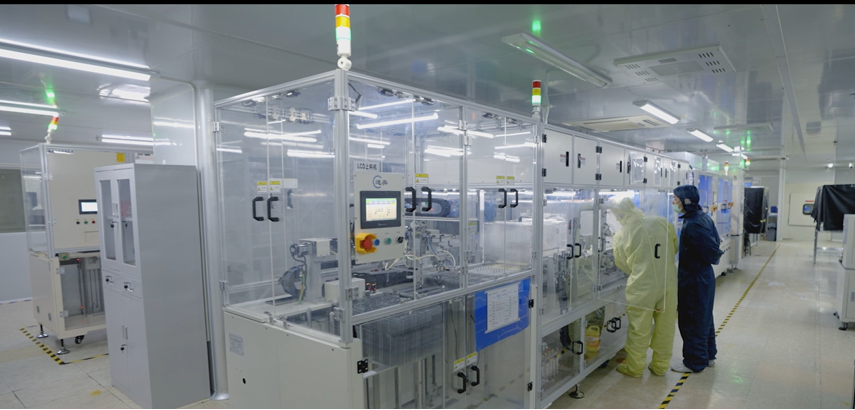
Reliable manufacturers compensate with custom light-guide plates, denser LED pitch, and matched LED bins. They also manage mechanical stiffness — stretched modules need stiffener rails or a bonded frame, because the glass is far more likely to crack during freight handling than a conventional panel. If a supplier cannot explain how they achieve uniformity and rigidity, they are almost certainly boxing finished modules from someone else.
The Australian compliance baseline: what has to be true before it ships
Australia does not run a pre-market type-approval system for most display products. Responsibility sits with the supplier. That makes certificate diligence entirely the buyer's job — and it is where overseas sellers most often overstate their paperwork.
Electrical safety: AS/NZS 62368.1 and the CB Scheme
The safety standard for audio/video, information and communication technology equipment in Australia is AS/NZS 62368.1, the local adoption of IEC 62368-1. Any mains-powered stretched display, external power supply, or media player sold into the Australian market should have a test report against it. The most efficient route for an offshore factory is a CB Scheme report plus a national deviation review, because the CB certificate can then be converted into an Australian Declaration of Conformity. Ask for the report number and the accredited laboratory that issued it; a factory that only offers "CE" paperwork has not demonstrated Australian safety compliance.
EMC and radio: AS/NZS CISPR 32 and the RCM
Multimedia equipment must meet AS/NZS CISPR 32 for emissions and the relevant immunity standards. Once safety and EMC evidence exists, the product is marked with the RCM (Regulatory Compliance Mark), which signals compliance with both the ACMA labelling requirements and the applicable electrical safety scheme. If the display includes Wi-Fi, Bluetooth, or a mobile module, the radio component needs its own ACMA-compliant testing and modular approval traceability.
Critically: the RCM is applied by the Australian legal supplier, not by the factory. Someone with an Australian business presence must be able to produce the compliance folder within a short notice period if ACMA asks. If your manufacturer cannot tell you who the Australian responsible supplier will be, your RCM marking is decorative.
EESS registration and the "responsible supplier" rule
Where the display is classed as in-scope electrical equipment, the Electrical Equipment Safety System requires the responsible supplier to register in the relevant state or territory database and to hold evidence of conformity. For commercial installations this often sits one step back from the end user — with the integrator or the importer — but a credible manufacturer should be able to hand you the safety report and a compliance declaration so your registration is straightforward rather than archaeological.
Environmental and quality-system certificates
RoHS and REACH declarations are routine but should be product-specific, not company-wide boilerplate. ISO 9001 tells you the factory has a documented quality system; ISO 14001 and ISO 45001 indicate mature process control. Suppliers serving the automotive aftermarket or rail sector may also hold IATF 16949 — useful because it forces disciplined change control, which matters when you reorder the same part number eighteen months later.
Ingress protection, UV, and salt spray
Australian outdoor and semi-outdoor deployments — bus shelters, drive-throughs, service-station price boards, coastal retail — need more than an IP number on a datasheet. Look for IP54, IP65, or IP66 test reports issued to IEC 60529 by an accredited laboratory, plus salt-spray results to ASTM B117 or ISO 9227 for coastal sites, and evidence of UV-stable front glass and polariser. A 3,000-nit outdoor unit that yellows or delaminates after two summers is a warranty claim, not a product.
Reading a certificate the way an auditor would
Forged and recycled certificates are common enough that you should treat every PDF as unverified until checked. Five quick steps catch most problems:
- Scope match: does the certificate name the exact model family you are buying, or a different product that "shares a platform"?
- Registry lookup: CB certificates, ISO registrations, and many national approvals can be validated in the issuing body's online database. Verify, do not assume.
- Laboratory accreditation: the testing lab should be accredited under an ILAC Mutual Recognition Arrangement signatory — CNAS in China, NATA in Australia, UKAS in the UK, and equivalents elsewhere. An unaccredited "test report" carries almost no weight.
- Dates and versions: check issue date, expiry, and the standard revision. A report to an obsolete standard revision is not compliance with the current one.
- Consistency: the applicant name, address, and factory code should match the company you are contracting with and the facility that will actually build the goods.
| Document | What it proves | Verify by |
|---|---|---|
| AS/NZS 62368.1 test report / CB certificate | Electrical safety | Issuing lab, CB online registry |
| AS/NZS CISPR 32 EMC report | Emissions and immunity | Accredited lab scope |
| RCM compliance folder | Australian labelling compliance | Australian responsible supplier |
| IEC 60529 IP test report | Sealing against dust and water | Accredited lab, model match |
| ASTM B117 / ISO 9227 | Coastal corrosion resistance | Test duration and rating |
| ISO 9001 / IATF 16949 | Process and change control | Certification body registry |
Technical questions that separate manufacturers from resellers
Once compliance is credible, move to engineering. The answers reveal how much of the product the supplier actually controls.
- Panel sourcing: which panel maker, which grade, and is the supply committed for five years? Stretched panels are rarely second-sourced, so discontinuation planning matters.
- Brightness strategy: how are the target nits achieved — LED binning, light-guide design, or driving LEDs beyond rated current? The third answer shortens life.
- Uniformity data: ask for a nine-point luminance measurement on the actual product, not a simulation, with a stated tolerance such as ±10 %.
- Thermal design: what is the measured temperature at the LED board and at the hottest panel corner at 40 °C ambient? Provide a thermal image.
- Dimming and control: 0–10 V, PWM, DDC/CI, RS-485, or network control; light-sensor behaviour; and how gamma is maintained at low brightness.
- Interface and firmware: EDID handling, HDMI/DisplayPort/USB-C support, and whether the firmware can be updated in the field without a factory return.
- Customisation: can they change length, connector position, mounting bosses, and bezel finish without a new tooling charge, and what is the minimum order quantity?
- Signal integrity: long, thin modules often need an internal repeater or a specific cable length limit — ask for the installation constraint, not just the datasheet headline.
Test the sample before you commit to a batch
A sample that looks good for ten minutes proves very little. Build a short but meaningful validation protocol:
- Burn-in the unit for 48–72 hours at full brightness and re-measure uniformity and colour shift.
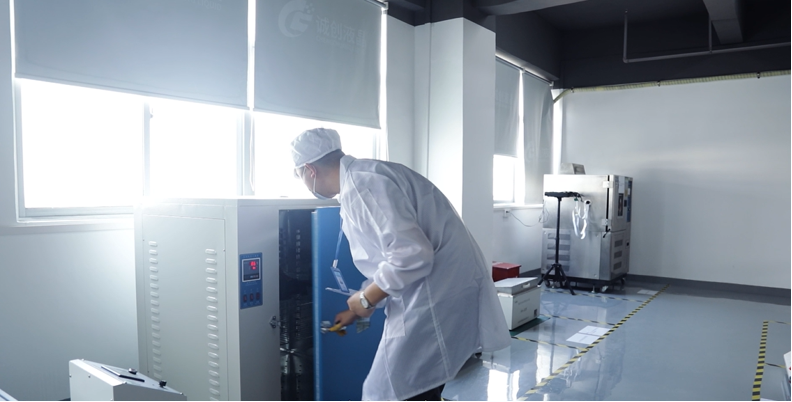
- Run a thermal soak at 40–45 °C ambient and log the LED board temperature.
- Cycle power 50–100 times and confirm EDID handshaking remains stable.
- Perform a transit test — a drop or vibration sequence on a packed pallet — because stretched glass fails at the mounting rails first.
- For outdoor variants, request the salt-spray and IP reports for the exact configuration, including gaskets and cable glands.
- Ask for MTBF or L70 LED lifetime calculations with the underlying assumptions stated.
Commercial and after-sales factors specific to Australia
Distance shapes the buying decision. A container from Asia clears in days, but a warranty swap crosses an ocean. Factor these into the contract:
- Incoterms: DDP to your Sydney, Melbourne, Brisbane, Fremantle, or Adelaide address removes ambiguity about duty and clearance — but confirm the supplier can actually deliver on those terms rather than quoting them loosely.
- Wood packaging: pallets and crates must meet ISPM 15 heat-treatment or fumigation marking, or biosecurity will hold the shipment.
- Spare-part strategy: negotiate a 3–5 % spares allocation and a documented RMA process with a stated turnaround, plus local repair options in Australia.
- Warranty terms: clarify whether the warranty covers the module, the power supply, and labour, and what happens if the panel is discontinued mid-warranty.
- Change notification: insist on written notification before any component substitution. In signage fleets, a silent LED or driver change creates visible mismatch between screens on the same wall.
- Documentation pack: request datasheets, KEYWORDS: How to Find a Reliable Stretched LCD Display Manufacturer for Australia