Introduction: Why Bar LCD Displays Matter for Australian OEM Buyers
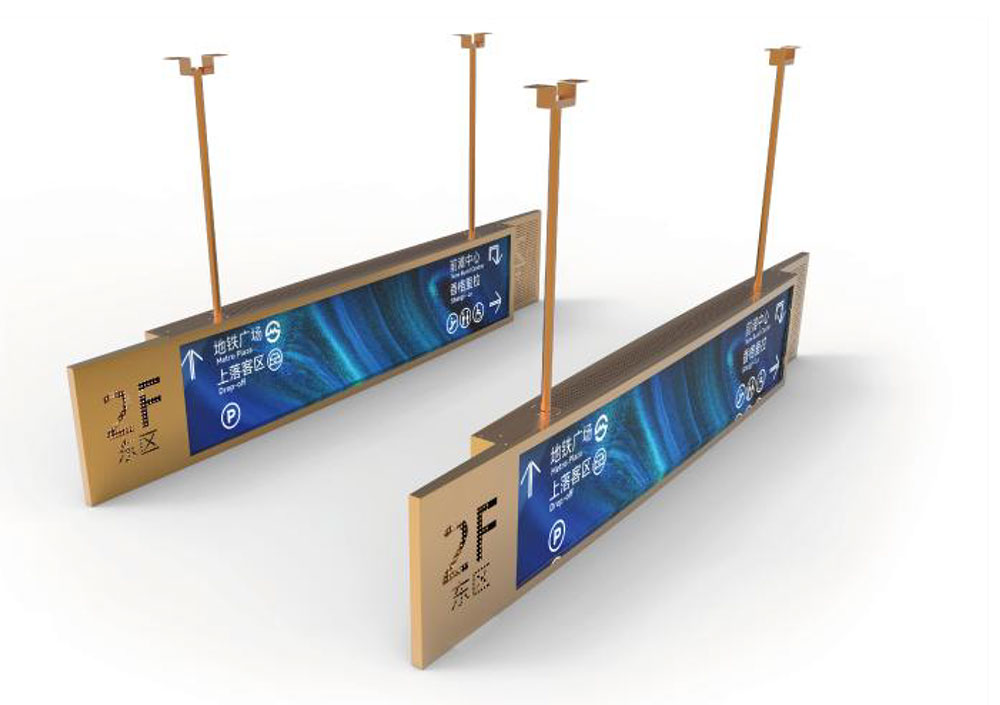
Bar-type LCD displays, also known as stretched or ultra-wide displays, have become essential components across a growing range of Australian industries. From transport passenger information systems and retail shelf-edge signage to industrial control panels and smart building interfaces, the demand for non-standard aspect ratios is rising fast. For OEM (Original Equipment Manufacturer) buyers, selecting the right custom bar LCD display supplier is a decision that directly affects product reliability, time-to-market, and total cost of ownership.
This white paper examines what Australian OEM buyers should look for when sourcing custom bar LCD displays, the technical specifications that separate strong suppliers from weak ones, and how HITULCD engineers high-brightness bar displays that meet the specific environmental and regulatory demands of the Australian market.
Understanding Bar LCD Display Technology
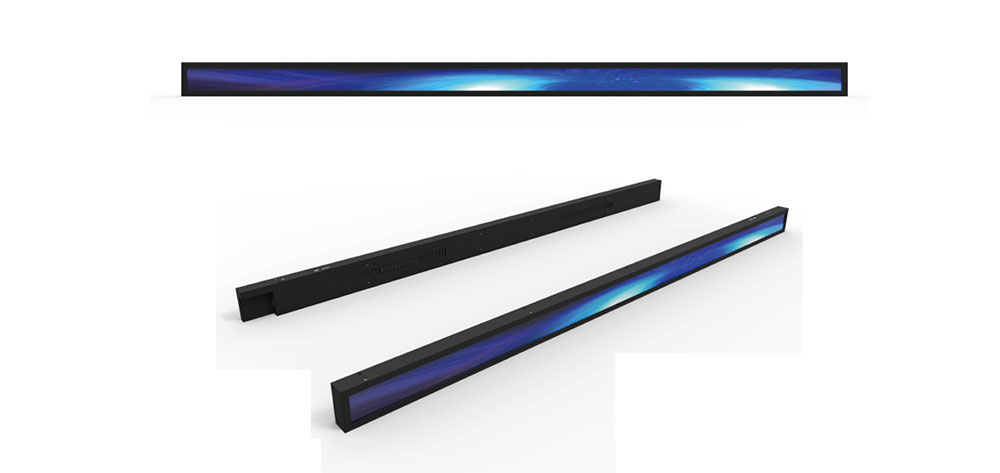
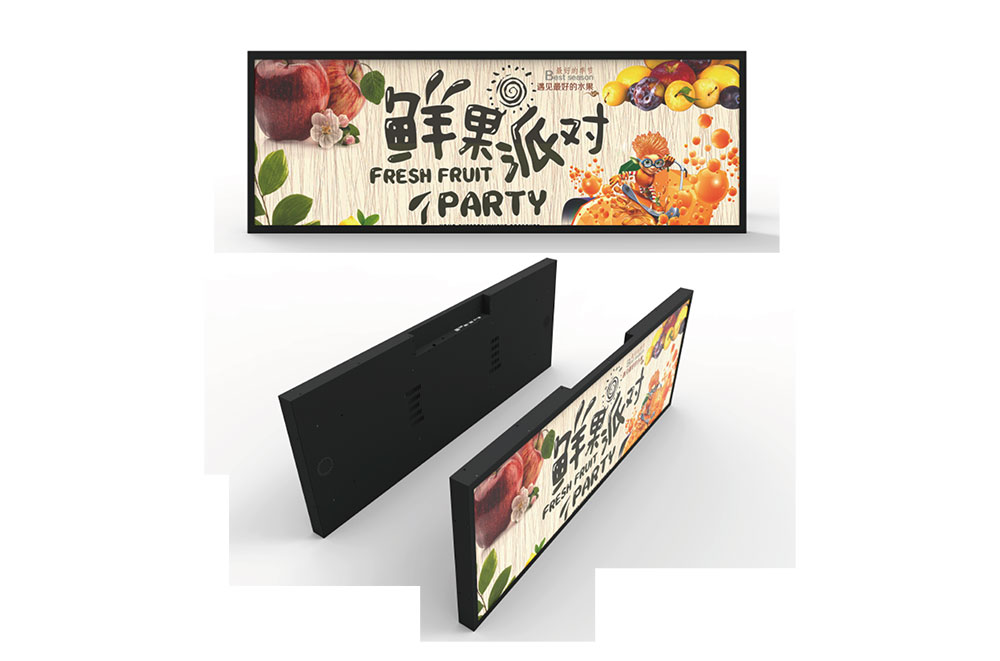
A bar LCD is a display panel cut or manufactured into an elongated aspect ratio, commonly ranging from 16:3 up to 51:9 or beyond. Unlike standard 16:9 panels, bar displays fit narrow mounting spaces where a conventional screen would be impractical. There are two primary methods of producing them: full lamination of a custom-cut cell, or the use of purpose-built stretched panels from a glass fabrication line.
For OEM applications, the manufacturing method matters. Cut panels offer flexibility in dimensions but require precise re-sealing and driver board reconfiguration. Purpose-built stretched panels provide superior long-term reliability and uniform backlight distribution, which is critical for outdoor or semi-outdoor deployments common across Australia's high-UV climate.
Key Technical Requirements for the Australian Market
High Brightness and Sunlight Readability
Australia experiences some of the highest solar irradiance levels in the world. A standard indoor display rated at 250 to 400 nits will wash out and become unreadable in direct or reflected sunlight. For outdoor bar displays, a minimum of 1000 nits is recommended, while 1500 to 2500 nits is preferred for transport shelters, drive-through menu boards, and window-facing retail installations. HITULCD bar displays are available up to 3000 nits with optical bonding to reduce internal reflection and improve contrast under bright ambient light.
Wide Operating Temperature Range
Ambient temperatures inside a sealed enclosure in Queensland or the Northern Territory can exceed 70°C. Custom bar LCDs for these deployments should support an operating range of -30°C to +85°C, with automatic brightness dimming and thermal sensors to prevent isotropic blackening of the liquid crystal at high temperatures.
Vibration and Shock Resistance
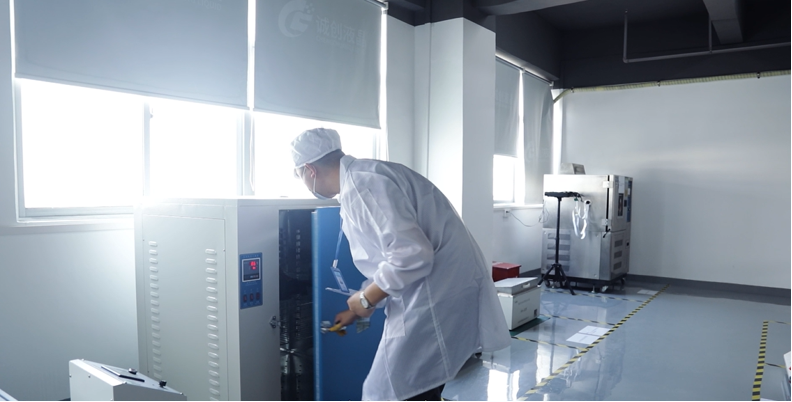
Bar displays used in rail, bus, and mining vehicle applications must withstand continuous vibration. Look for suppliers that validate their products against recognised standards, tested according to IEC 60068-2-6 for sinusoidal vibration and IEC 60068-2-27 for mechanical shock. Enhanced bonding and reinforced mounting brackets significantly extend field life in these conditions.
What Separates the Best Custom Bar LCD Suppliers
1. Genuine In-House Engineering Capability
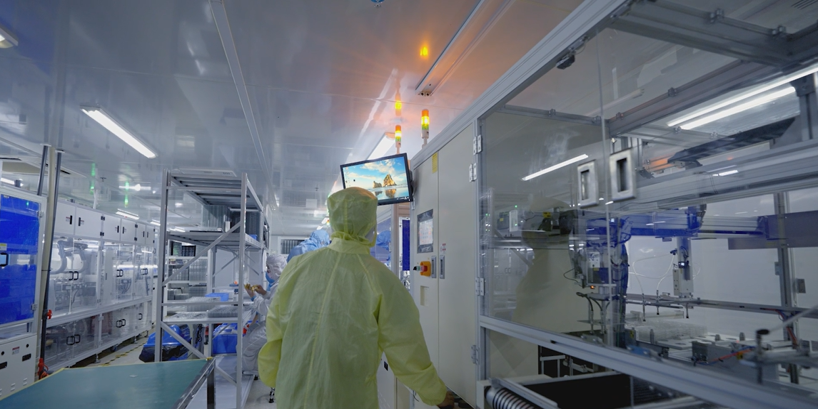
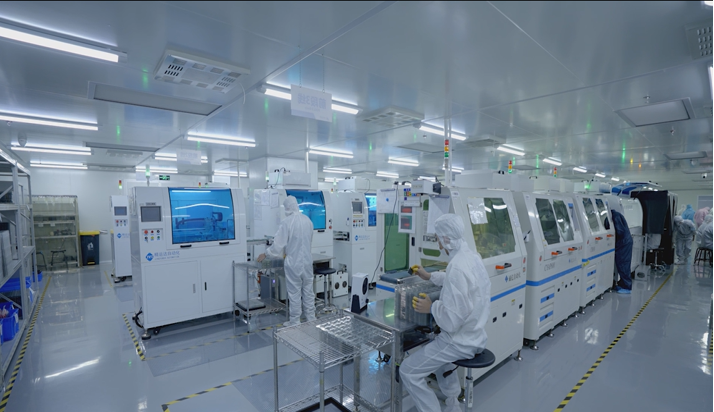
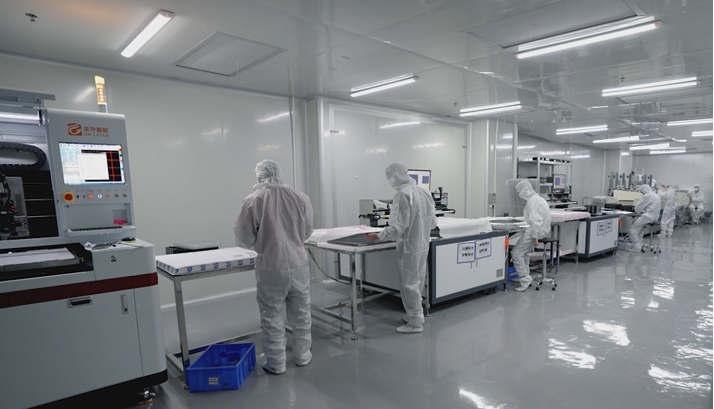
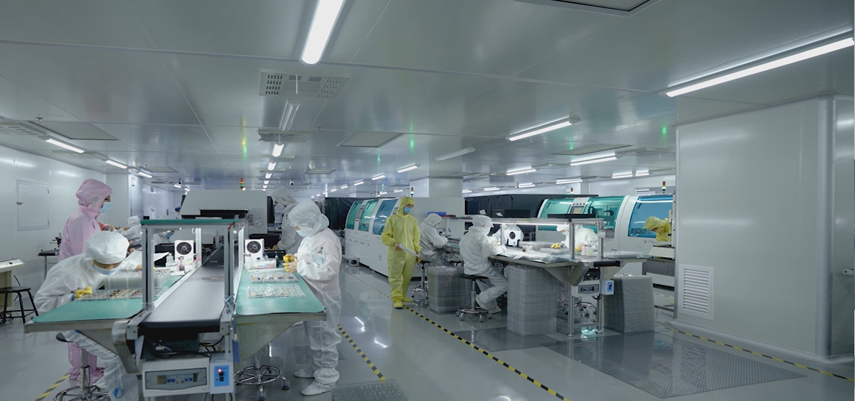
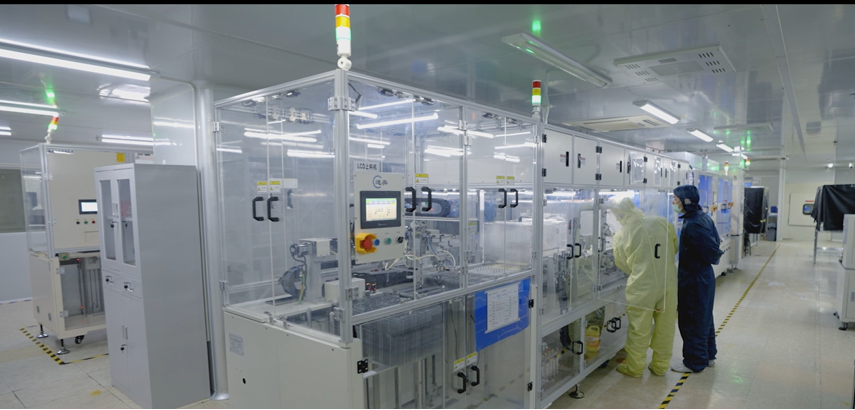
Many trading companies rebadge generic panels without the engineering depth to support real customisation. The best suppliers maintain in-house optical, electrical, and mechanical design teams capable of modifying backlight drivers, adjusting interface protocols (LVDS, eDP, MIPI), and delivering fully integrated display modules rather than bare panels.
2. Flexible Minimum Order Quantities
Australian OEM production runs are often smaller than those in larger markets. A supplier that insists on high MOQs forces buyers to overcommit capital. HITULCD supports staged production, allowing OEM buyers to validate a design with a low-volume pilot before scaling.
3. Reliable Long-Term Component Supply
Product lifecycles for industrial and transport equipment often span seven to ten years. A strong supplier guarantees panel availability and provides advance notice of end-of-life components, protecting OEM buyers from costly redesigns.
4. Compliance and Certification Support
Products sold in Australia must meet the Regulatory Compliance Mark (RCM) requirements, covering electrical safety and electromagnetic compatibility under the ACMA framework. A capable supplier provides EMC pre-compliance testing, documentation, and support for the certification process, reducing risk for the buyer.
Interface and Integration Considerations
Bar LCD modules must integrate cleanly with an OEM's existing control system. HITULCD provides displays with standard and custom interface options including LVDS for cost-sensitive designs, eDP for higher resolutions, and integrated control boards supporting HDMI or USB for plug-and-play deployments. Touch integration is available in projected capacitive (PCAP) form, with tuning for glove operation and water rejection where the application demands it.
For deployments requiring remote content management, embedded Android or open-frame media player boards can be specified, turning a passive display into a fully networked signage endpoint.
Evaluating a Supplier: A Practical Checklist
- Does the supplier manufacture or bond panels in-house, or simply resell?
- What brightness levels and optical bonding options are available for high-UV environments?
- Is the operating temperature range validated by test data, not just datasheet claims?
- Are vibration and shock ratings tested according to recognised IEC standards?
- Does the supplier provide RCM and EMC compliance support for the Australian market?
- What is the guaranteed product lifecycle and EOL notification policy?
- Can the supplier support low-volume pilot runs before scaling to production?
Why HITULCD for Australian OEM Buyers
HITULCD specialises in high-brightness and custom-format LCD solutions engineered for demanding environments. Our bar display range combines sunlight-readable brightness, wide-temperature reliability, and flexible interface options with the engineering support Australian OEM buyers need to bring products to market efficiently. We work directly with design teams from concept through to production, providing sample validation, compliance documentation, and long-term supply assurance.
For transport, retail, industrial, and smart building applications, a correctly specified bar LCD display is a long-term investment. Choosing a supplier with genuine engineering capability, proven environmental performance, and Australian market experience protects that investment across the full product lifecycle.
Conclusion
The best custom bar LCD display supplier for an Australian OEM buyer is not simply the cheapest source of panels. It is the partner that understands the local climate, the regulatory landscape, and the realities of OEM production volumes. By prioritising high brightness, validated environmental performance, flexible ordering, and full compliance support, buyers can secure displays that perform reliably for years. HITULCD delivers on each of these fronts, making it a dependable choice for OEM buyers building products for the Australian market and beyond.
KEYWORDS: custom bar LCD display, Australian OEM buyers, high brightness LCD supplier, stretched bar display, sunlight readable LCD