Australian OEM projects place unusual demands on display hardware. Equipment is installed under harsh sun, in dust-laden mining sites, along coastal salt-air corridors, and in remote regions where a service visit can mean a long flight or a multi-day drive. A manufacturer that wants to serve this market must therefore offer more than a catalog of panels. It must provide engineering support, environmental robustness, documentation, supply continuity and after-sales responsiveness. This article explains what Australian OEM customers should look for in a high-brightness LCD manufacturer, and how HITULCD approaches these projects. No specific performance figures are claimed here beyond general engineering principles; exact specifications should always be confirmed against the datasheet and test report for the chosen model.
**1. Understanding the Australian OEM Context**
Australian OEMs build a wide range of equipment that depends on sunlight-readable displays: agricultural machinery, mining and construction vehicles, outdoor kiosks and EV chargers, marine and coastal instrumentation, fuel dispensers, transport ticketing, digital signage shelters, and industrial control panels. Several shared conditions shape display requirements:
- **Intense solar load.** High UV exposure and strong direct sunlight demand high luminance, good contrast under ambient light, and materials that resist solar heating.
- **Wide temperature swings.** Desert daytime heat and cool nights stress liquid crystal, backlight and adhesive layers.
- **Dust, moisture and salt.** Mining dust, rain, humidity and coastal salt require sealed enclosures, appropriate bonding and corrosion-resistant finishes.
- **Remote deployment.** Failure costs are high, so reliability and traceability matter more than marginal unit-price savings.
- **Regulatory expectations.** Equipment sold in Australia typically must satisfy electrical safety and electromagnetic compatibility requirements, often demonstrated through RCM-related compliance of the final product. The display is a component within that system, so the manufacturer should supply data that helps the OEM complete its own compliance work.
**2. Core Display Technologies for Sunlight-Readable Projects**
A capable manufacturer should be able to discuss the trade-offs rather than push a single solution.
*High-brightness backlight.* Sunlight readability starts with a powerful LED backlight and efficient optical films. Higher luminance increases power consumption and heat, so thermal design (heat spreading, airflow or conduction paths) must be planned together with the panel.
*Optical bonding.* Filling the air gap between the cover glass and LCD reduces internal reflections, improves contrast outdoors, and helps prevent condensation and dust ingress between layers. For outdoor Australian use, bonding is often among the most valuable upgrades.
*Surface treatments.* Anti-reflective and anti-glare coatings reduce specular reflection. Anti-glare suits many applications; anti-reflective coatings usually preserve sharper images but need care with fingerprints and cleaning.
*Wide viewing angle and polarizer choices.* IPS-type panels are commonly chosen for consistent viewing from different positions, and polarizer design should be considered for use with polarized sunglasses, which are common among Australian outdoor workers.
*Touch integration.* Projected capacitive touch can be tuned for gloves or wet conditions, while resistive touch remains an option for some rugged cases. Touch controller tuning should be validated in the actual enclosure.
*Dimming control.* Wide-range dimming helps the same product be readable in midday sun and comfortable at night, and can reduce power and heat when full brightness is unnecessary.
**3. What an OEM-Focused Manufacturer Must Provide**
*Customization capability.* Typical OEM requests include custom cover glass shapes, printed borders and logos, specific interface boards (LVDS, eDP, MIPI or HDMI-type controller boards), mounting geometry, connector placement, and firmware or EDID adjustments. The manufacturer should offer a clear engineering process from requirements through samples to approval.
*Design-in support.* Mechanical drawings, 3D models, interface pinouts, power sequencing guidance, and thermal recommendations shorten the OEM's development cycle. Early support on backlight driver selection and enclosure airflow often prevents late redesigns.
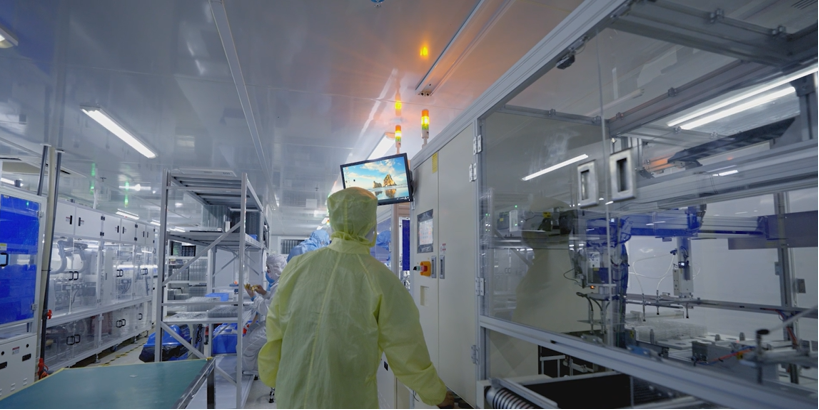
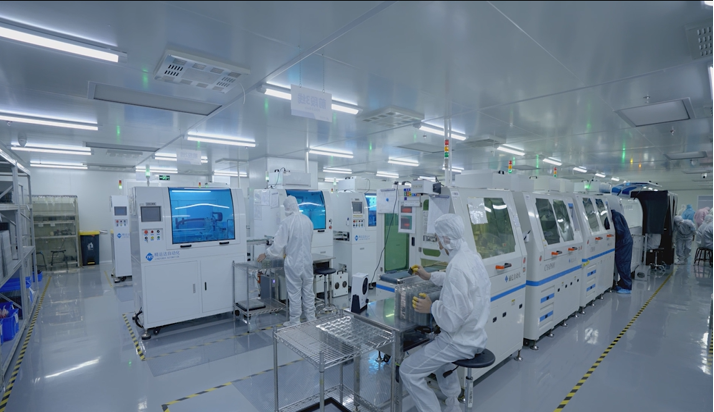
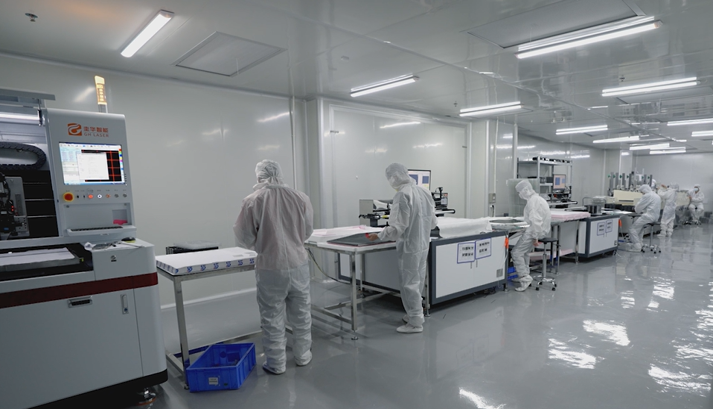
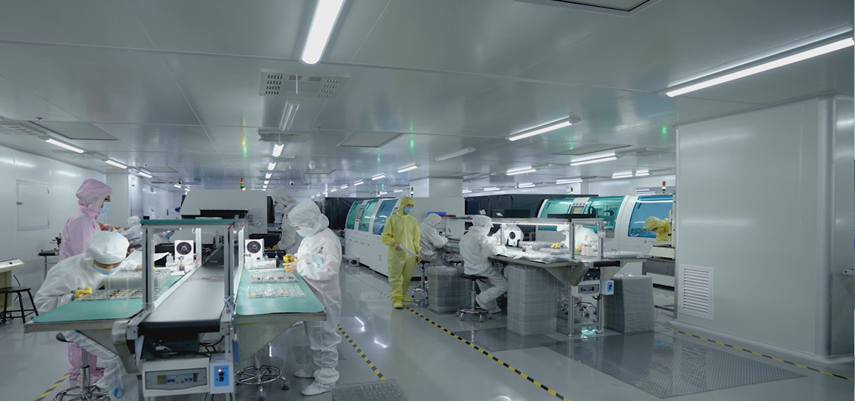
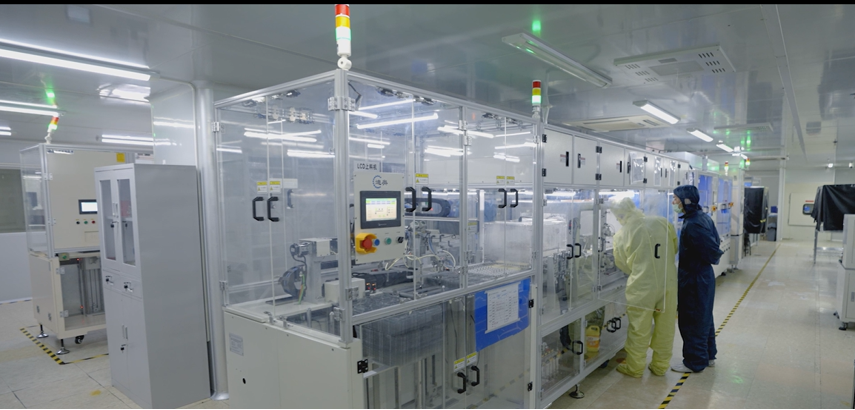
*Quality system and traceability.* Look for documented incoming inspection, in-process controls, burn-in or aging procedures, final inspection records and batch traceability, so that a field issue can be traced to its production lot.
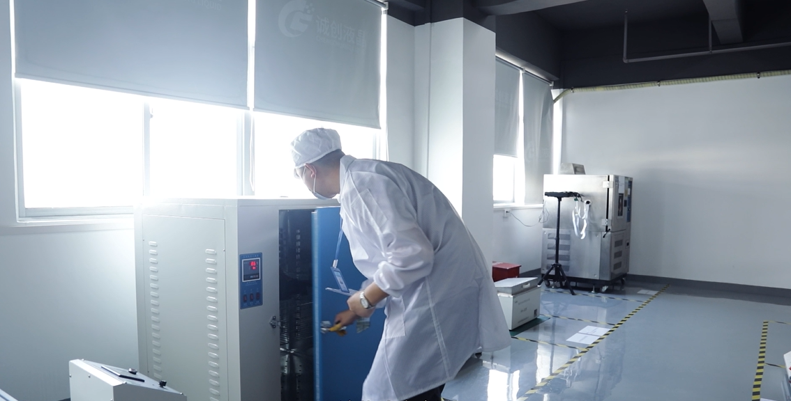
*Environmental validation.* Ask which tests were applied to the specific product: high and low temperature operation and storage, temperature cycling, humidity, vibration and shock where relevant. Request the actual reports instead of general claims.
*Long-term supply planning.* OEM programs often run for years. A good partner discusses panel lifecycle, last-time-buy notification, alternative-source strategy and the possibility of safety stock or forecast-based scheduling.
**4. Working Across Time Zones and Distance**
Australia's time zone is relatively close to Asian manufacturing centers, which can make real-time engineering communication practical. Overlapping working hours help with design reviews, sample feedback and issue escalation. Equally important are the logistics: clear Incoterms, reliable packaging that withstands sea or air transit and humidity, correct labeling and customs documentation, and transparent lead times. Shipping samples early and planning production batches around freight schedules reduces risk in time-sensitive projects.
**5. Project Workflow from Inquiry to Mass Production**
1. **Requirement definition.** The OEM shares size, resolution, interface, target luminance, operating temperature, ingress protection needs, touch requirements, expected volume and certification context.
2. **Feasibility and proposal.** The manufacturer recommends a panel and stack-up, identifies risks such as heat or power limits, and proposes options.
3. **Sample build and evaluation.** Engineering samples are tested by both sides in realistic conditions, ideally outdoors and in the real enclosure.
4. **Design freeze and documentation.** Specifications, drawings, acceptance criteria and test plans are agreed and version-controlled.
5. **Pilot run.** A small batch validates process yield and assembly consistency.
6. **Mass production and shipment.** Inspection records and traceability data accompany each lot.
7. **After-sales and change management.** Any component change is communicated in advance, and returned units are analyzed with a corrective action process.
**6. Common Pitfalls in Australian Outdoor Display Projects**
- **Specifying brightness alone.** Contrast under ambient light, reflection control and bonding quality are equally important.
- **Ignoring thermal limits.** A bright backlight inside a sealed, sun-heated enclosure can overheat. Thermal testing in the final housing is essential.
- **Underestimating dust and salt.** Gaskets, bonding adhesives and connector protection should be matched to the environment.
- **Skipping polarized sunglasses testing.** Some display combinations appear dark or distorted when viewed through polarized lenses.
- **Choosing without lifecycle review.** A panel nearing end of life can force an expensive redesign mid-program.
- **Treating compliance as an afterthought.** Discuss EMC, safety and material documentation requirements at the start.
**7. How HITULCD Supports Australian OEM Customers**
HITULCD focuses on high-brightness LCD solutions for outdoor and demanding industrial applications. For Australian OEM projects, our approach emphasizes:
- Engineering consultation that begins with the application environment, not only the catalog specification.
- Customizable display modules, including optical bonding, cover glass options, touch integration and interface board adaptation.
- Documentation to support the OEM's design-in and compliance process, including drawings, specifications and test information for the selected model.
- Structured sample, pilot and production stages with defined acceptance criteria.
- Planning for supply continuity and clear communication about changes.
- Responsive technical communication suited to the working-hour overlap between Australia and Asia.
Customers should request the datasheet, test data and sample units for their model, and verify performance in their own conditions before approving production.
**8. Supplier Evaluation Checklist**
Before selecting a manufacturer, an Australian OEM can ask:
- Can you provide product-specific environmental test reports?
- What is your process for optical bonding, and how is bonding quality inspected?
- How do you manage design changes and component end-of-life notices?
- What is the typical sample and production lead time, and how are shipments packaged?
- Can you support custom interface boards, firmware and mechanical modifications?
- How are returns analyzed, and what is the corrective action procedure?
- What documentation can you provide to support the OEM's own compliance activities?
**Conclusion**
Serving Australian OEM projects requires a manufacturer that understands sun, heat, dust, salt and distance, and translates them into practical display engineering and dependable service. By combining high-brightness optics, optical bonding, thermal planning, customization, disciplined quality control and clear communication, a manufacturer can reduce project risk and long-term ownership cost. HITULCD is ready to work with Australian OEM teams from first concept through mass production, helping them deliver displays that remain readable and reliable under demanding outdoor conditions.
KEYWORDS: Australian OEM display manufacturer, high-brightness LCD, optical bonding, sunlight-readable display, custom LCD module