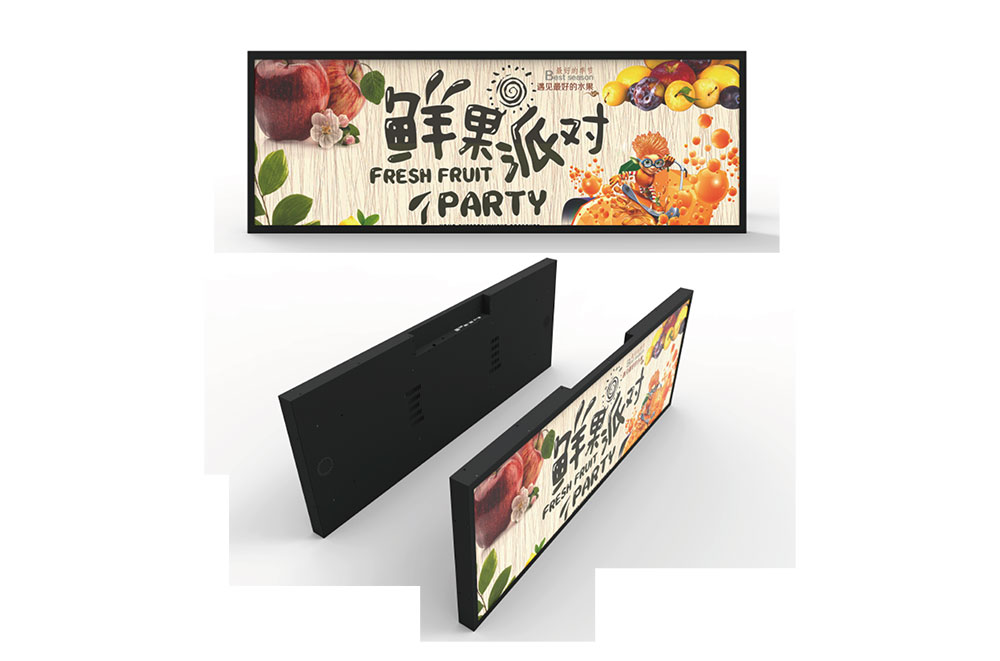
Understanding the Unique Challenges of Remote Australia
Australia's remote and outback regions present some of the most demanding operational environments globally for industrial equipment and display technologies. With extreme temperature variations ranging from below freezing during winter nights to exceeding 50°C in summer, intense solar radiation levels among the highest worldwide, pervasive dust and sand infiltration, limited infrastructure support, and vast distances from service centers, equipment deployed in these areas must demonstrate exceptional durability and reliability.
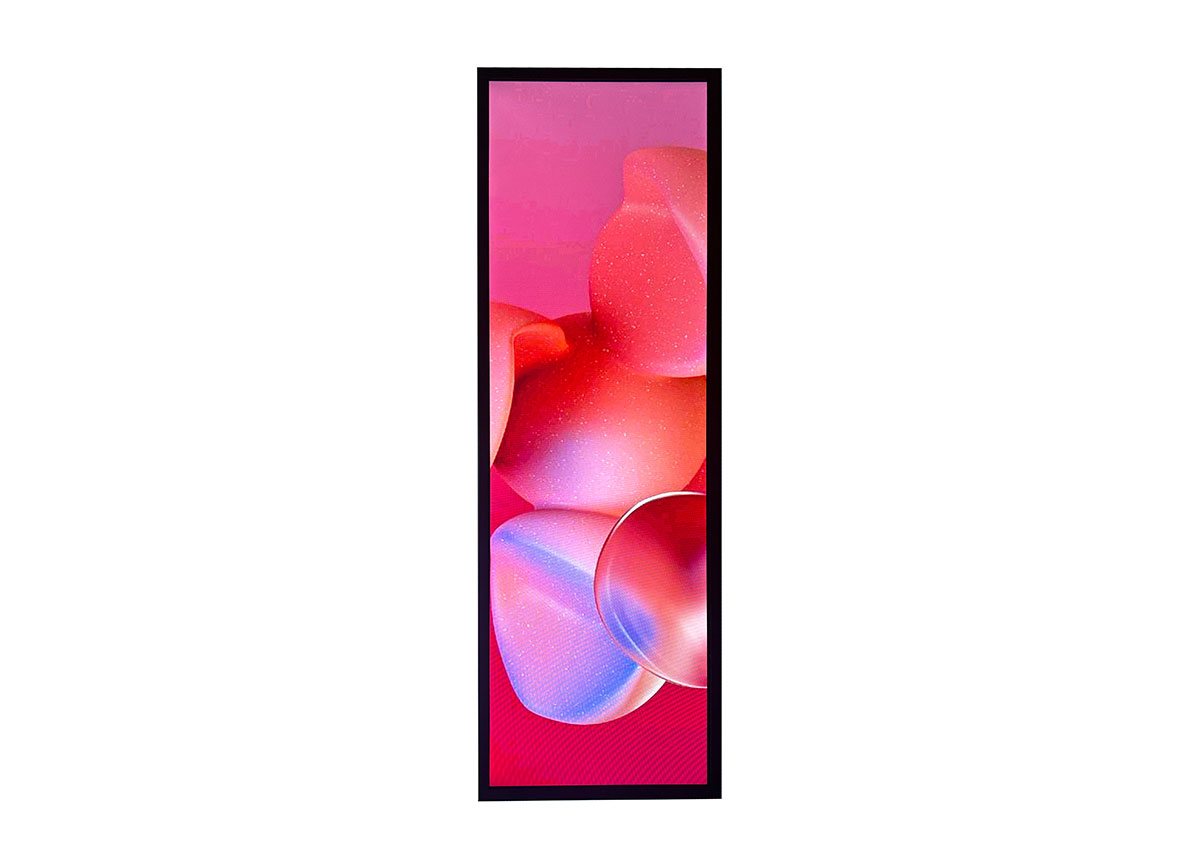
High-brightness LCD displays have become critical components in remote Australian applications including mining operations, agricultural automation, renewable energy installations, transportation systems, and telecommunications infrastructure. The success of these deployments depends on carefully engineered solutions that address the specific environmental and operational challenges unique to the Australian continent.
Critical Environmental Factors in Remote Australian Locations
The Australian outback experiences solar irradiance levels frequently exceeding 1000 W/m², creating two simultaneous challenges for display technology: extreme ambient brightness that washes out standard screens, and significant heat generation that degrades electronic components. Standard commercial displays rated at 250-400 nits become virtually unreadable under direct sunlight, while the internal temperatures can quickly exceed safe operating limits.
Temperature cycling represents another critical stress factor. Equipment may experience temperature swings of 30-40°C within a 24-hour period, causing thermal expansion and contraction that weakens solder joints, cracks display panels, and degrades optical bonding materials. The low humidity environment, often below 20% relative humidity, generates significant static electricity risks while the occasional tropical storms in northern regions can subject equipment to sudden humidity spikes and torrential rainfall.
Dust penetration remains a constant battle in Australian remote areas. The fine red dust characteristic of the outback can infiltrate even well-sealed enclosures, coating optical surfaces, blocking ventilation pathways, and creating conductive paths that cause electrical failures. Mining and agricultural operations compound this challenge with additional particulate matter from diesel exhaust, crop processing, and mineral extraction.
High-Brightness Display Solutions for Extreme Sunlight
Addressing outdoor visibility in Australian conditions requires display solutions delivering minimum brightness levels of 1000-1500 nits, with premium applications demanding 2000-3000 nits. HITULCD's industrial-grade panels achieve these specifications through enhanced LED backlight systems utilizing high-efficiency diodes arranged in optimized array configurations, proprietary optical films that maximize light transmission while minimizing internal reflections, and anti-glare surface treatments that maintain visibility without creating distracting reflections.
Optical bonding technology proves essential for Australian deployments. By eliminating the air gap between the cover glass and LCD panel using optically clear adhesive or resin, optical bonding eliminates internal reflections, improves contrast ratios by 300-400%, enhances impact resistance, and improves thermal conductivity for better heat dissipation. This technology transforms displays from barely readable to clearly visible even under direct Australian sunlight.
Transflective LCD technology offers an alternative approach particularly valuable for battery-powered remote equipment. These displays combine transmissive and reflective properties, utilizing ambient light to enhance visibility while reducing backlight power requirements by 40-60%. For solar-powered installations common in remote Australia, this energy efficiency directly translates to smaller solar panels and battery systems, reducing both initial costs and ongoing maintenance requirements.
Thermal Management in High-Temperature Environments
Maintaining safe operating temperatures for LCD displays in environments regularly exceeding 45°C ambient temperature requires comprehensive thermal management strategies. Standard LCD specifications typically limit operating temperatures to 50-60°C, but display surface temperatures under direct Australian sun can reach 70-80°C without proper thermal control.
Advanced thermal solutions incorporate multiple approaches: high-efficiency LED backlights that generate less waste heat while maintaining brightness levels, aluminum chassis designs with integrated heat sinks that maximize surface area for convective cooling, thermal interface materials that efficiently conduct heat from critical components to chassis structures, and in extreme cases, active cooling systems using thermoelectric devices or small fans with filtered air intake.
Wide-temperature LCD panels specifically engineered for industrial applications extend the operational range to -30°C to +80°C, utilizing specialized liquid crystal formulations that maintain proper viscosity across temperature extremes, temperature-compensated driving circuits that adjust voltage levels to maintain consistent response times, and robust polarizer materials that resist degradation under sustained high temperatures.
For mining equipment and outdoor kiosks, integrated sunshades and ventilated enclosures provide passive thermal protection. Strategic orientation of equipment to minimize direct solar exposure during peak heat hours, combined with white or reflective enclosure finishes, can reduce internal temperatures by 10-15°C compared to unprotected installations.
Ruggedized Construction for Harsh Conditions
Remote Australian equipment must withstand not only environmental extremes but also mechanical stresses from vibration, shock, and rough handling. Industrial LCD solutions incorporate ruggedized construction techniques including reinforced metal frames rather than plastic housings, shock-mounted internal components to isolate sensitive electronics from vibration, strengthened glass cover panels using chemically strengthened or tempered glass rated for 7H hardness, and sealed connectors with IP65 or IP67 ratings preventing moisture and dust ingress.
Vibration resistance proves particularly critical for mobile equipment in mining and agriculture. Displays must withstand continuous vibration profiles typical of heavy machinery—random vibration of 2-5 Grms across 10-500 Hz frequency ranges, and shock pulses of 20-50G. Robust mounting systems using vibration-damping materials and secure mechanical fasteners prevent fatigue failures that plague consumer-grade displays in these applications.
The corrosive environment in coastal mining operations or agricultural areas using fertilizers and pesticides demands additional protection. Conformal coating of circuit boards, stainless steel or anodized aluminum hardware, and chemical-resistant cable jacketing extend equipment life in these aggressive environments. Salt spray testing to ASTM B117 standards verifies adequate corrosion protection for coastal deployments.
Power Supply Solutions for Off-Grid Operations
Many remote Australian locations lack reliable mains power, requiring equipment to operate from solar panels, batteries, or generators. Display solutions for these applications must optimize power consumption while maintaining performance. High-brightness LCDs can consume 50-150 watts depending on size and brightness, representing a significant portion of available power budget.
Power-efficient display designs incorporate automatic brightness adjustment based on ambient light sensors, reducing power consumption by 40-70% during morning and evening hours when full brightness is unnecessary. Intelligent power management systems can place displays in low-power standby modes during predictable idle periods, schedule-based operation that aligns display activity with available solar power generation, and wake-on-trigger functionality that activates displays only when operators are present.
Wide input voltage range capabilities (9-36VDC typical) accommodate the voltage fluctuations common in battery and solar systems, while integrated power conditioning protects sensitive electronics from voltage spikes and transients generated by generator switching or lightning-induced surges. Battery backup integration ensures continued operation during brief power interruptions without requiring expensive uninterruptible power supply systems.
Connectivity and Remote Management
The vast distances in remote Australia make on-site service visits expensive and time-consuming, often requiring hundreds of kilometers of travel. Remote monitoring and management capabilities dramatically reduce operational costs by enabling predictive maintenance, remote troubleshooting, and performance optimization without site visits.
Modern industrial displays incorporate embedded diagnostic systems that monitor critical parameters including internal temperatures at multiple points, backlight operating hours and brightness degradation, power supply voltages and current consumption, and error logs capturing anomalous conditions. This data transmits via available connectivity options—4G/5G cellular networks increasingly available even in remote areas, satellite communication systems for truly isolated locations, or industrial IoT protocols like LoRaWAN for distributed sensor networks.
Cloud-based monitoring platforms aggregate data from multiple installations, enabling fleet management dashboards that identify trends across equipment populations, predictive maintenance alerts that schedule service before failures occur, and remote configuration updates that deploy firmware improvements or operational parameter changes without site visits. For mining and agricultural operations managing dozens or hundreds of display-equipped vehicles and fixed installations, these capabilities provide substantial operational efficiencies.
Application-Specific Implementations
Mining operations represent one of the most demanding applications for high-brightness displays in remote Australia. Haul truck cabins, excavator operators' stations, and mobile crushing equipment require displays delivering 1500+ nits brightness, operating reliably in temperatures exceeding 60°C, withstanding continuous vibration from rough terrain operation, and functioning in heavy dust environments with minimal maintenance. HITULCD's mining-grade displays incorporate all-metal construction, sealed optical chambers preventing dust contamination, and redundant backlight zones ensuring continued operation even if individual LED strings fail.
Agricultural automation increasingly relies on precision farming technologies requiring outdoor displays on harvesters, sprayers, and autonomous vehicles. These applications demand large-format touchscreen displays (12-21 inches) readable in direct sunlight, glove-compatible capacitive or resistive touch technology, and interfaces with GPS, yield monitoring, and variable-rate control systems. The seasonal nature of agricultural operations requires displays that remain functional after months of storage in uncontrolled environments, then operate reliably during intensive harvest periods.
Solar farm monitoring systems across Australia's vast renewable energy installations require outdoor-rated displays for inverter monitoring stations and substation control interfaces. These applications prioritize energy efficiency since displays represent parasitic loads reducing net power generation, demand long service life exceeding 10 years with minimal maintenance given the distributed nature of installations, and require clear visibility for maintenance personnel performing troubleshooting under full sun conditions.
Transportation infrastructure including highway advisory systems, railway platforms, and remote airstrips utilize high-brightness displays for passenger information and safety messaging. These installations must meet strict reliability requirements since failures can impact public safety, accommodate wide viewing angles since audiences view from various positions, and integrate with existing control systems using standard communication protocols.
Maintenance and Long-Term Reliability
Designing for minimal maintenance proves essential in remote Australian locations where service visits may occur only quarterly or semi-annually. Field-replaceable components including modular power supplies, plug-and-play interface boards, and accessible cable assemblies enable rapid repairs by local personnel without specialized training. Comprehensive documentation including troubleshooting flowcharts, spare parts lists with supplier information, and preventive maintenance schedules ensures operators can maintain equipment effectively.
Backlight longevity directly impacts total cost of ownership. Premium LED backlights engineered for extended life deliver 50,000-100,000 hours of operation before brightness degrades to 70% of initial output—equivalent to 5-11 years of continuous operation or 10-20 years in typical duty cycles. This longevity eliminates costly mid-life backlight replacements while ensuring displays remain readable throughout their service life.
Environmental sealing requires periodic inspection and maintenance. Gasket materials can degrade under UV exposure and temperature cycling, potentially compromising ingress protection. Annual inspection of seals, replacement of degraded gaskets, and verification of enclosure integrity prevents dust and moisture infiltration that causes premature failures. Desiccant breathers on enclosures manage internal pressure changes with temperature fluctuations while filtering incoming air, but require periodic replacement to maintain effectiveness.
Compliance and Standards for Australian Deployments
Equipment deployed in Australian commercial and industrial settings must comply with relevant standards and regulations. Electrical safety compliance to AS/NZS 60950 or AS/NZS 62368 ensures protection against electrical hazards, electromagnetic compatibility per AS/NZS CISPR standards prevents interference with communication systems, and environmental compliance including RoHS directives addresses material restrictions even though Australia does not mandate RoHS, many customers require compliance for global consistency.
Mining operations impose additional requirements including intrinsic safety certifications for explosive atmospheres in underground coal mines, compliance with mining equipment standards for mobile machinery, and integration with safety systems including proximity detection and collision avoidance. Display solutions for these applications require careful engineering to meet these stringent requirements while maintaining the performance characteristics necessary for operational effectiveness.
Future Trends and Emerging Technologies
Display technology continues advancing with innovations particularly relevant to remote Australian applications. MicroLED technology promises even higher brightness levels potentially reaching 5000+ nits, improved energy efficiency reducing power consumption by 30-50% compared to current LED backlights, and enhanced durability with longer operational life and better temperature tolerance. While currently expensive for large displays, costs decline as manufacturing scales up.
Flexible and conformal displays enable new form factors for vehicle integration and curved surface mounting, expanding design possibilities for equipment manufacturers. Electronic paper displays offer ultra-low power consumption ideal for solar-powered signage and monitoring applications, though current technology limits refresh rates and color capabilities.
Artificial intelligence integration enables smart displays that automatically optimize settings based on environmental conditions, predict maintenance requirements before failures occur, and adapt user interfaces to operator preferences and experience levels. Machine learning algorithms analyzing operational patterns can identify anomalies indicating emerging problems, triggering alerts that enable proactive intervention.
Edge computing capabilities embedded in display systems process sensor data locally, reducing bandwidth requirements for remote installations with limited connectivity, enabling real-time analytics and control decisions, and improving system responsiveness for time-critical applications. This distributed intelligence architecture proves particularly valuable for remote Australian installations where reliable high-bandwidth connectivity remains challenging.
Selecting the Right Display Solution
Choosing appropriate high-brightness LCD solutions for remote Australian equipment requires careful evaluation of multiple factors. Application analysis must consider peak brightness requirements based on worst-case solar exposure, operating temperature range including both ambient conditions and solar heating effects, mechanical environment including vibration, shock, and handling stresses, and power availability whether mains, solar, battery, or generator-based.
Total cost of ownership extends beyond initial purchase price to encompass installation costs including mounting systems and cable infrastructure, ongoing power consumption over the equipment's operational life, maintenance requirements and expected service intervals, and replacement costs accounting for expected lifetime and backlight longevity. Displays with higher initial costs but superior durability and energy efficiency often deliver lower total ownership costs over 5-10 year service lives typical in industrial applications.
Vendor selection should evaluate not only product specifications but also technical support availability including local Australian presence for service and warranty support, customization capabilities to address application-specific requirements, and proven track record with documented installations in similar Australian remote environments. Reference installations and case studies provide valuable validation of vendor claims regarding performance and reliability.
Conclusion
Successfully deploying display technology in remote Australian locations requires comprehensive solutions addressing the unique combination of environmental extremes, infrastructure limitations, and operational demands characteristic of the continent's outback regions. High-brightness LCD displays engineered specifically for industrial applications provide the visibility, durability, and reliability essential for mining, agriculture, renewable energy, and infrastructure applications across Australia's vast remote areas.
HITULCD's industrial display solutions incorporate the advanced technologies and ruggedized construction necessary for Australian conditions: ultra-high brightness levels ensuring readability under intense sunlight, wide-temperature operation spanning the extreme temperature ranges encountered across seasons and geographies, sealed and ruggedized construction protecting against dust, moisture, vibration, and mechanical stress, and power-efficient designs minimizing energy consumption in off-grid installations. These capabilities, combined with comprehensive remote management features and long-term reliability, deliver the total solution required for successful remote equipment deployments.
As Australian industries continue expanding into remote regions driven by mining resources, agricultural production, and renewable energy development, demand for robust display solutions will continue growing. Understanding the specific challenges of these environments and implementing properly engineered solutions ensures operational success while minimizing the total cost of ownership over extended equipment service lives.
KEYWORDS: high-brightness LCD Australia, remote equipment displays, industrial LCD solutions, outback display technology, mining display systems