Introduction
Stretched LCD displays, also known as bar-type or ultra-wide displays, have become a defining feature of modern signage across Australia. From transit hubs in Sydney and Melbourne to retail shelf edges in Perth and Brisbane, these elongated panels solve a problem standard 16:9 screens cannot: fitting a bright, legible display into narrow, awkward, or purpose-shaped spaces. For Australian buyers evaluating stretched LCDs, the decision involves far more than screen dimensions. Brightness under harsh sunlight, thermal tolerance in extreme heat, aspect ratio, compliance certification, and long-term reliability all shape whether a deployment succeeds or fails. This guide from HITULCD walks through the engineering fundamentals and the practical purchasing criteria that matter most in the Australian environment.
What Is a Stretched LCD Display?
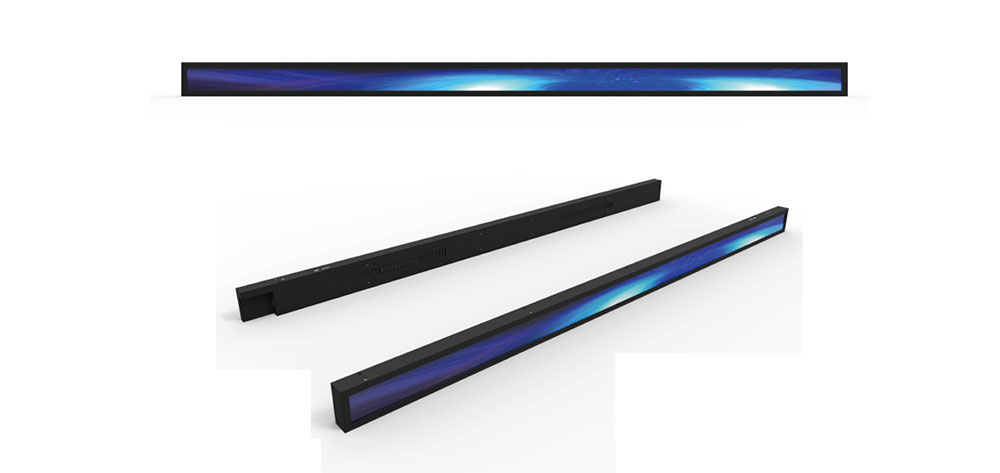
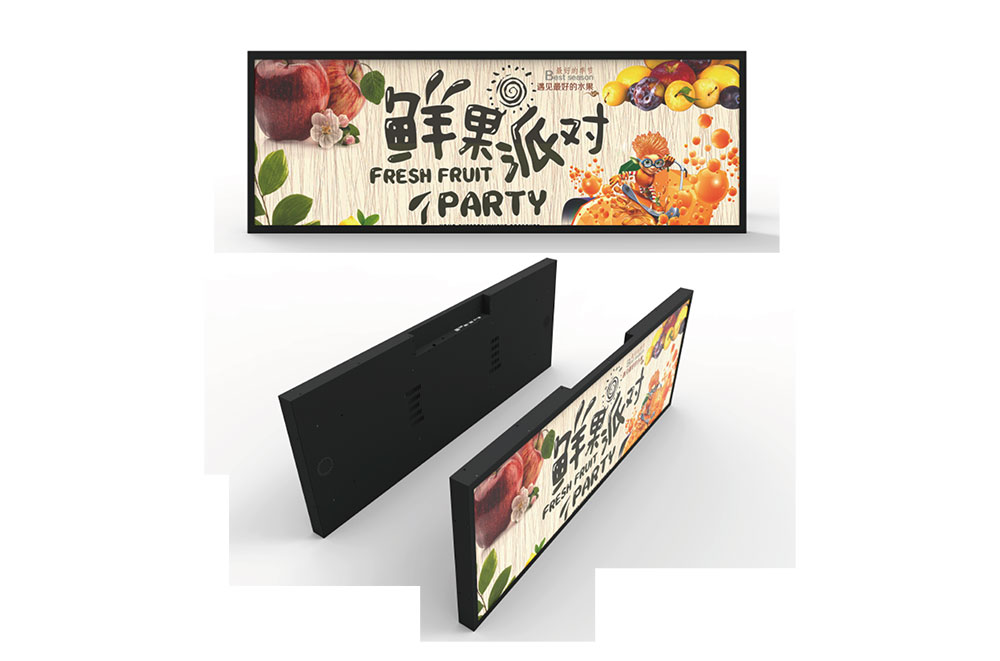
A stretched LCD is a liquid crystal display manufactured with a non-standard aspect ratio, typically far wider or taller than conventional panels. Common ratios include 16:4.5, 24:9, 32:9, and even narrower bar formats. Rather than simply cropping a standard panel, a true stretched display uses a purpose-cut LCD cell and a matched backlight, driver board, and timing controller so the entire visible area is active and uniform.
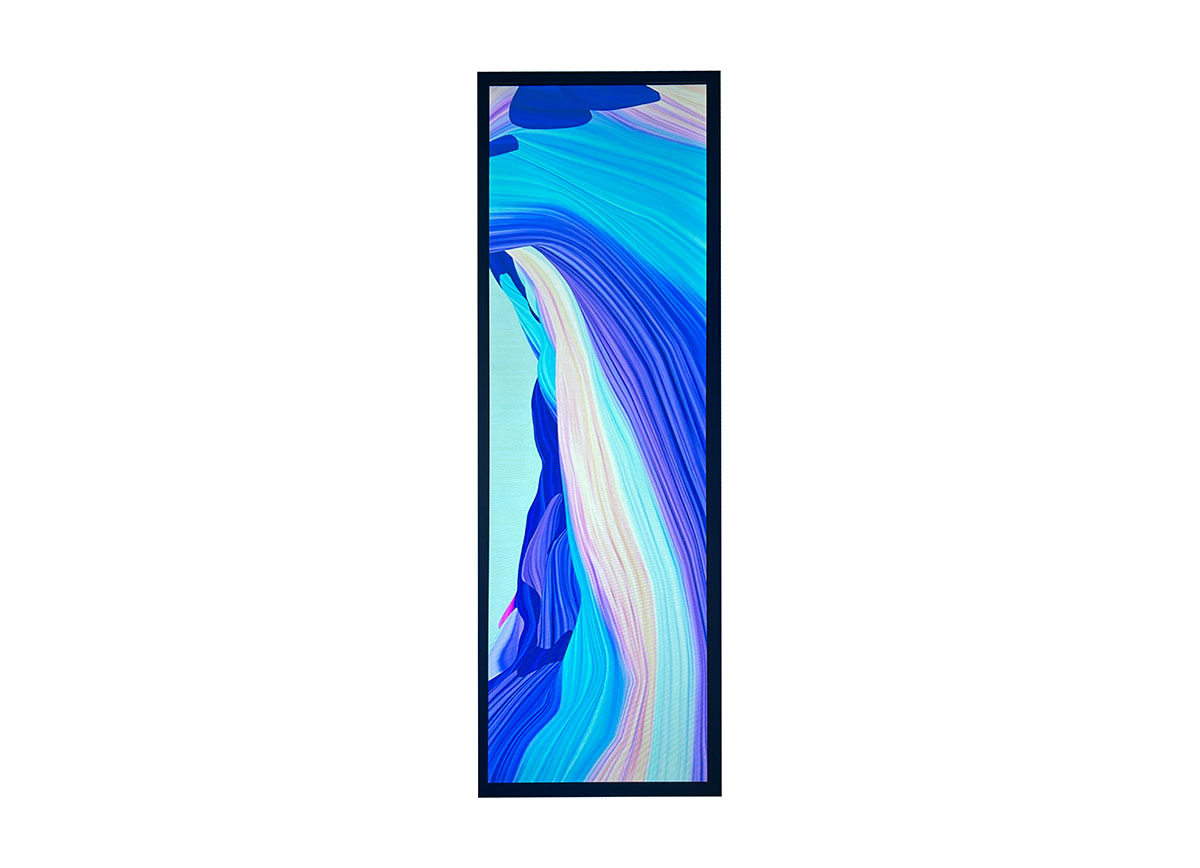
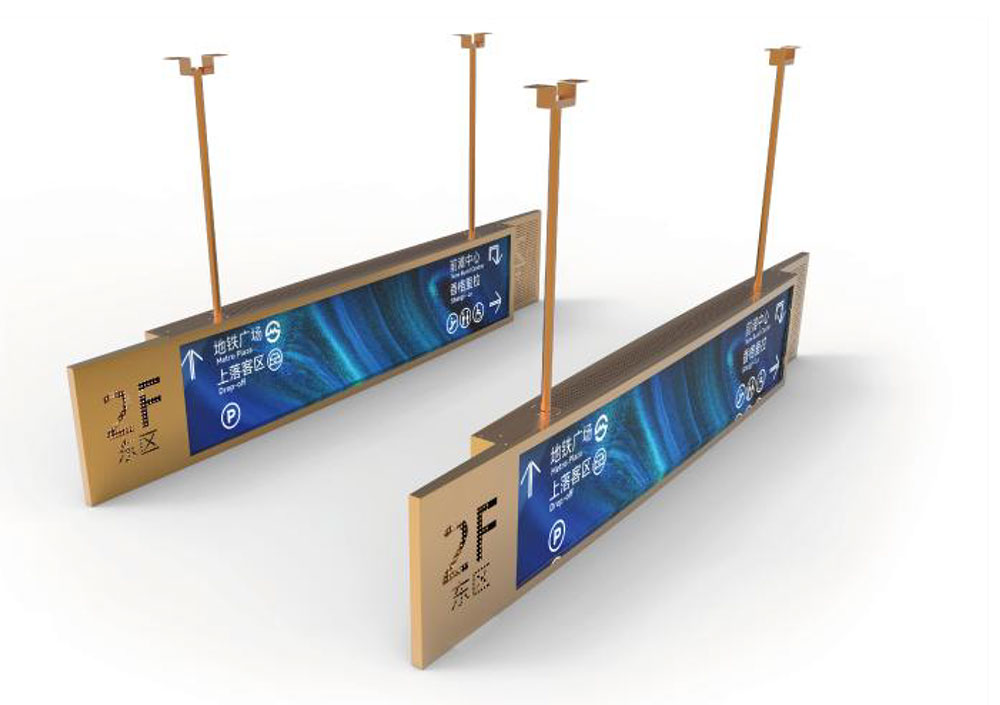
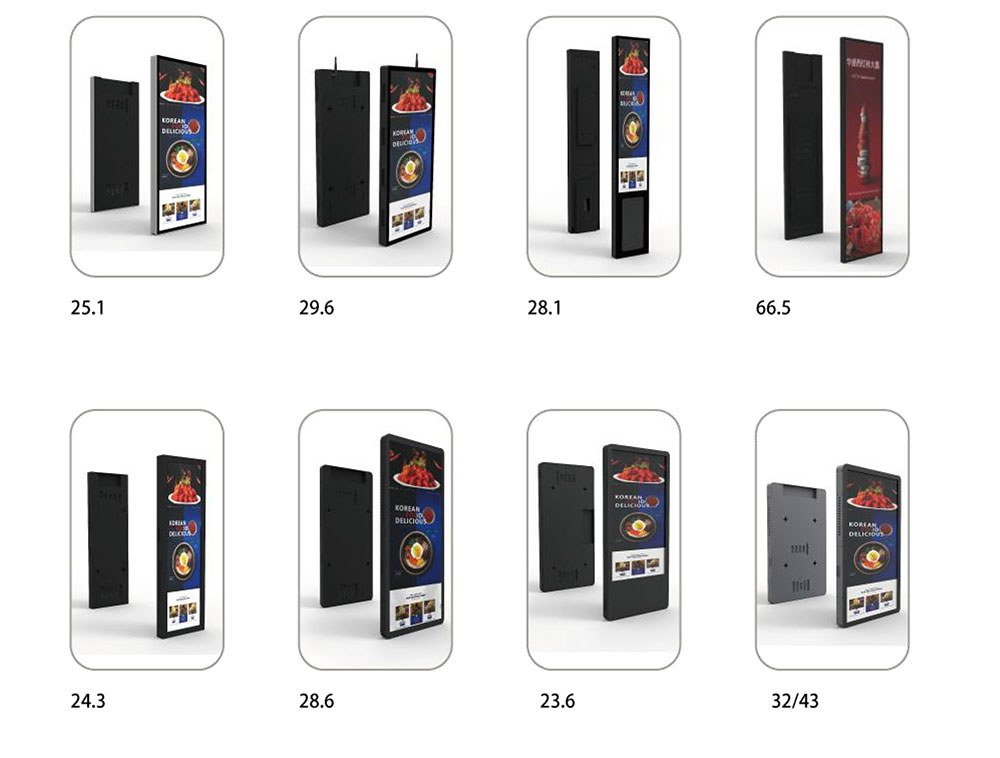
These displays fall into two broad categories. Horizontal stretched panels suit shelf edges, checkout lanes, transport departure boards, and above-door messaging. Vertical stretched panels work well in lift lobbies, between windows, and in tall architectural columns. Because the form factor is dictated by the installation site, choosing the correct orientation and ratio early prevents costly redesign later.
Why Brightness Is the Critical Specification in Australia
Australia has some of the highest ambient light levels of any developed market. Direct sunlight through shopfront glass, north-facing facades, and open-air transport interchanges routinely push ambient brightness beyond what standard commercial displays can overcome. A typical office monitor delivers 250 to 350 nits. That is inadequate for any semi-outdoor or sun-adjacent Australian installation.
For reliable readability, HITULCD recommends the following brightness tiers:
- 500 nits: Suitable only for controlled indoor environments away from windows.
- 700 to 1000 nits: Appropriate for bright retail interiors and shaded semi-outdoor areas.
- 1500 to 2500 nits: Required for shopfront windows and areas with strong indirect sunlight.
- 3000 nits and above: Necessary for direct-sun-facing windows and true outdoor enclosures.
High-brightness stretched panels also require optical bonding and anti-reflective treatments. Optical bonding fills the air gap between the cover glass and the LCD cell, reducing internal reflection, improving contrast in bright conditions, and preventing condensation that can form in humid coastal cities such as Cairns, Darwin, and the Gold Coast.
Thermal Management for the Australian Climate
Brightness and heat are inseparable. A display running at 2500 nits generates substantially more thermal load than a 500 nit panel, and Australian summers add external stress on top of that. In-glass window installations can experience internal temperatures far exceeding the outdoor air temperature due to the greenhouse effect.
Buyers should confirm that a stretched display carries an operating temperature rating that reflects real deployment conditions, ideally up to 50°C or higher for window-facing units. Effective thermal design includes automatic brightness reduction at temperature thresholds, isotropic liquid crystal fluid that resists blackening at high temperatures, and active or passive cooling appropriate to the enclosure. Panels not rated for high heat will exhibit image blackening, reduced lifespan, and premature backlight failure in the Australian summer.
Panel Technology and Longevity
Most professional stretched displays use IPS-type LCD panels for wide viewing angles, which matters when audiences approach a shelf edge or lobby screen from steep angles. For commercial signage, the LED backlight is the primary determinant of service life. Industrial-grade backlights rated at 50,000 hours or more support the continuous operation many Australian sites demand.
Buyers should also weigh the difference between consumer-grade panels repackaged for signage and true commercial or industrial panels engineered for 24/7 duty cycles. The latter deliver better colour stability, superior heat tolerance, and warranty terms that reflect continuous use. For any deployment expected to run all day, every day, the commercial-grade panel is the sound long-term investment.
Compliance and Certification for the Australian Market
Any electronic display sold and installed in Australia must meet regulatory requirements. Buyers should verify the following before purchase:
- RCM (Regulatory Compliance Mark): Mandatory for electrical and electronic equipment supplied in Australia, covering electrical safety and electromagnetic compatibility.
- RoHS: Restriction of Hazardous Substances compliance ensures the display limits lead, mercury, cadmium, and other regulated materials. HITULCD stretched panels are supplied with RoHS documentation, referenced under material declaration ST20200317511-RoHS, confirming conformity for environmentally responsible procurement.
- CE and FCC: While not Australian-specific, these internationally recognised marks indicate the product has passed broadly accepted safety and emissions testing.
Requesting the compliance documentation up front protects the buyer during building certification, insurance assessment, and any future audit. Reputable manufacturers provide these certificates without hesitation.
Connectivity, Control, and Content
Stretched displays require careful attention to signal handling because their unusual native resolutions can confuse media players and content creation tools. Confirm the native resolution of the panel, for example 1920 x 540 for a common 16:4.5 bar, and ensure the content is authored to match. HDMI and DisplayPort are standard inputs, while models with an integrated Android system on chip can run signage software directly, removing the need for an external player.
For distributed Australian networks spanning multiple states, remote content management and status monitoring reduce the cost and complexity of maintaining screens across large distances. This is particularly valuable given the travel required to service sites in regional and remote areas.
Practical Buying Checklist
- Match the aspect ratio and orientation to the physical installation before anything else.
- Specify brightness according to the ambient light at the exact mounting position, not a general estimate.
- Confirm the operating temperature rating suits Australian conditions, especially for window installations.
- Require optical bonding and anti-reflective treatment for any sunlit location.
- Choose commercial or industrial-grade panels for continuous operation.
- Obtain RCM and RoHS documentation before committing to purchase.
- Verify native resolution and confirm your content workflow can produce matching assets.
- Clarify warranty length and local support availability across the states you operate in.
Conclusion
Stretched LCD displays offer Australian buyers a powerful way to place clear, engaging visual messaging into spaces that standard screens cannot serve. Success depends on treating brightness, thermal design, panel grade, and compliance as connected engineering decisions rather than a simple hunt for the lowest price. In a market defined by intense sunlight and demanding heat, a high-brightness stretched panel built for the environment will outperform and outlast a cheaper alternative. By working through the criteria in this guide, buyers can specify with confidence and deploy displays that stay bright, legible, and reliable for years. HITULCD supports Australian projects with high-brightness stretched panels engineered and certified for these conditions.
KEYWORDS: stretched LCD displays, high-brightness LCD Australia, bar-type display, sunlight readable signage, RoHS compliant display