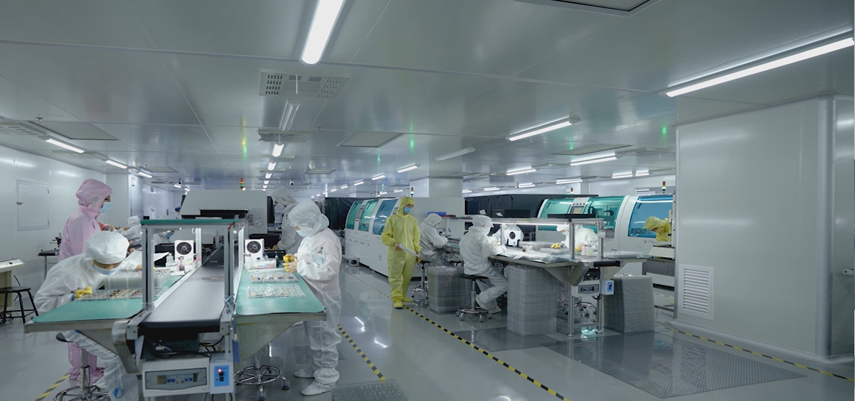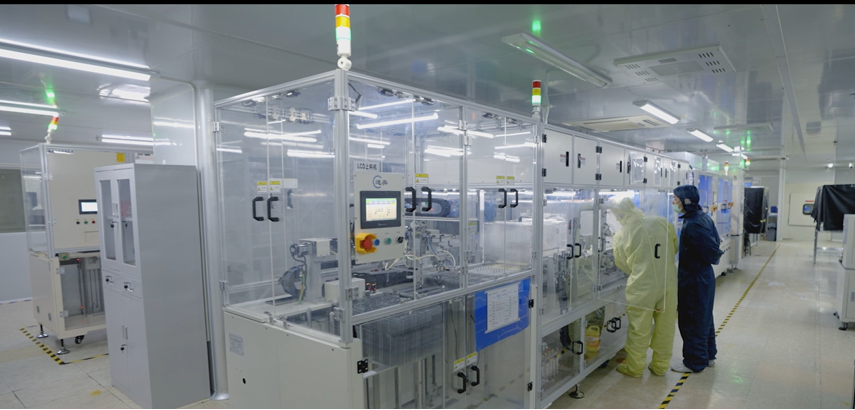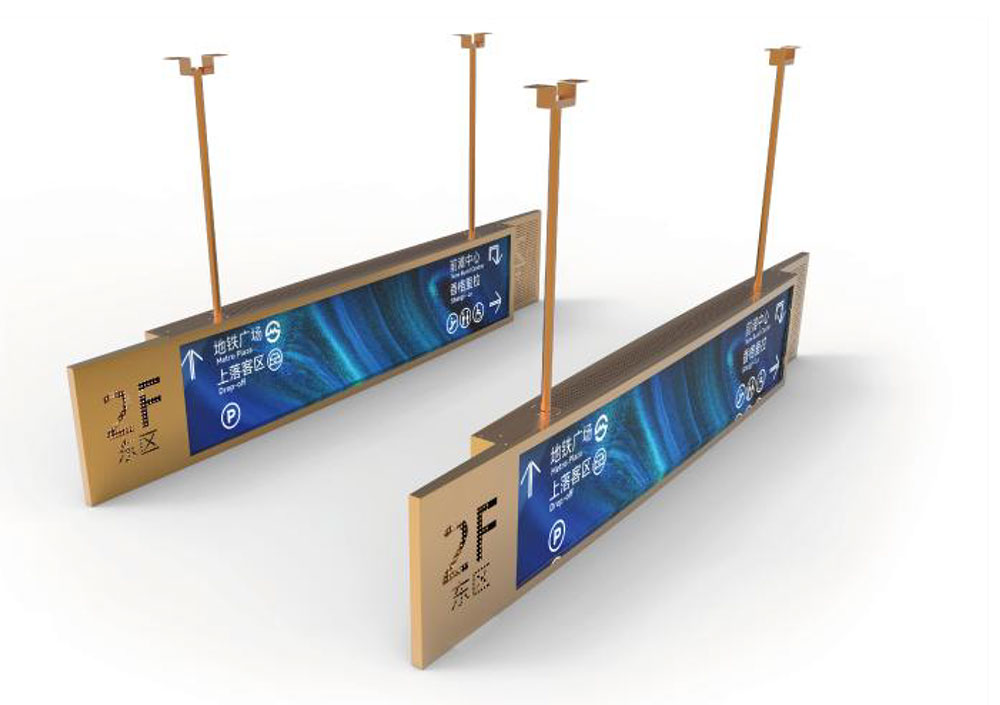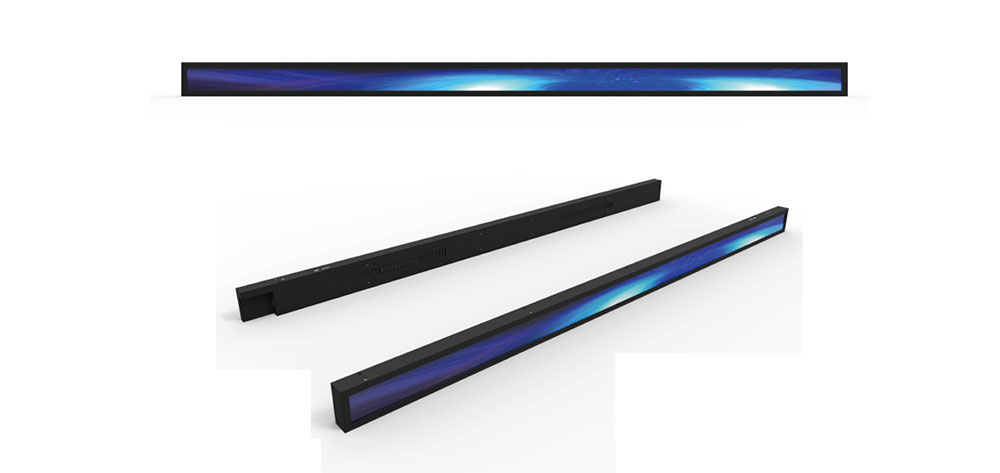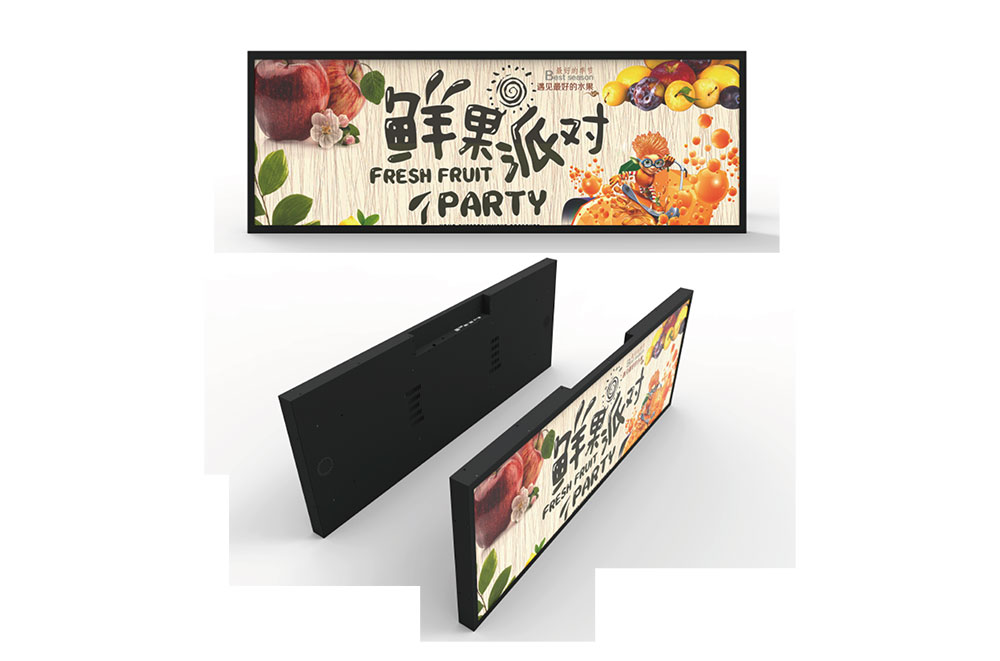
Custom bar LCDs—long, narrow stretched displays with aspect ratios like 16:3, 32:9, or even 51:9—have become the backbone of shelf-edge retail signage, transit infotainment, industrial status boards, and gaming machine toppers. Yet the very characteristics that make a bar LCD attractive (an unusual form factor, often paired with high-brightness requirements) also make it one of the easiest products to specify incorrectly. At HITULCD, we have shipped high-brightness custom bar LCD modules into deployments that run 24/7 in direct sunlight, in refrigerated cabinets, and inside sealed outdoor enclosures. The projects that succeed almost always begin with the right questions. This white paper walks through what a technical buyer should ask—of a supplier and of their own engineering team—before committing to a custom bar LCD order.
1. Why a Bar LCD Is Not Just a "Cut-Down" Panel
The first misconception to clear up is that a bar display is simply a standard panel sliced to a smaller height. In reality there are two distinct engineering paths, and the one your supplier uses changes cost, lead time, reliability, and minimum order quantity (MOQ).
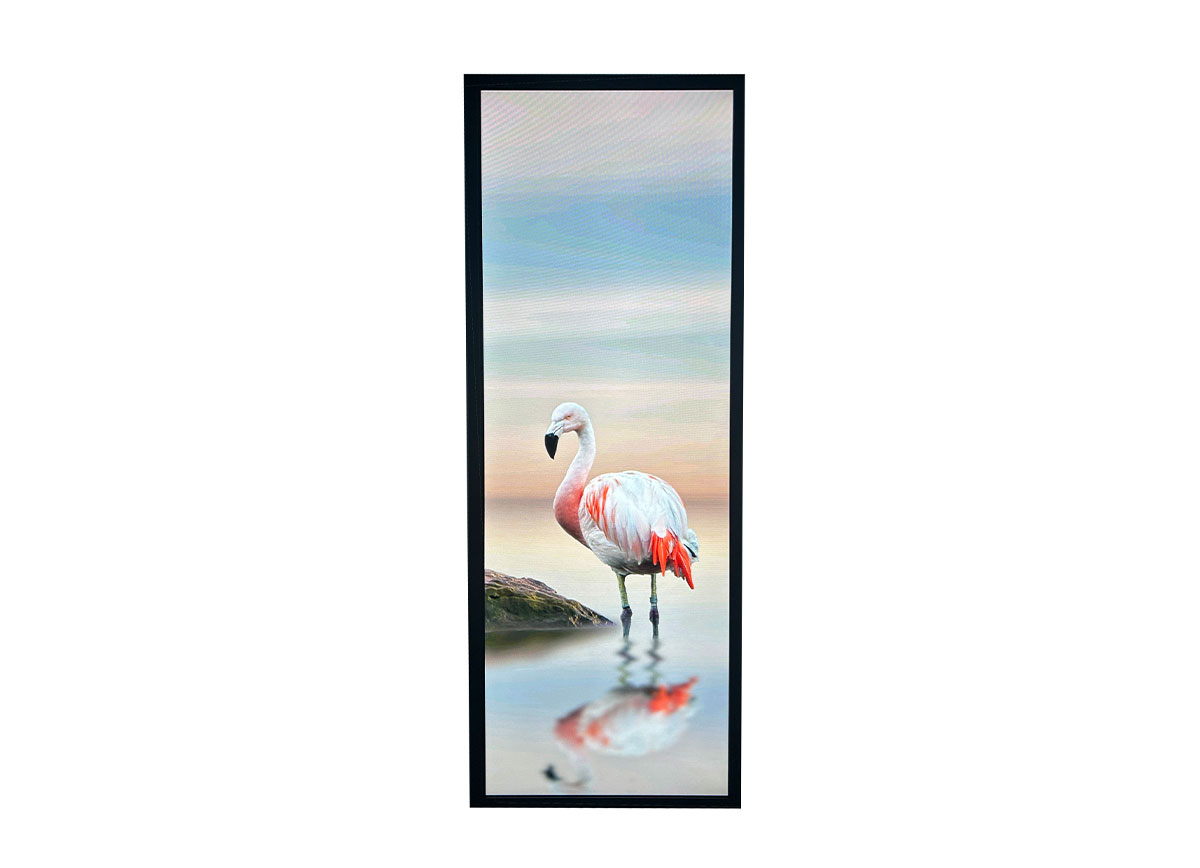
- Native (cell-level) bar panels: The glass is manufactured at the bar aspect ratio on a production line, so the TFT array, driver ICs, and source/gate routing are all designed for that geometry. These offer the best optical uniformity and reliability but carry higher tooling costs and larger MOQs.
- Stretched / cut panels: A standard panel (for example a 15.6" or 23.8" cell) is physically cut and the backlight, polarizers, and driver board are re-engineered to drive only the usable region. This path reaches low and mid volumes quickly but demands careful validation of edge sealing and driver timing.
Ask your supplier directly: "Is this a native bar cell or a cut panel, and who performs the cutting and re-sealing?" The answer determines everything downstream.
2. Brightness and Optical Performance Questions
Because so many bar LCDs end up in retail windows, outdoor kiosks, or sunlit transit platforms, brightness is usually the headline specification. But a single nits number is rarely enough.
- What luminance is specified, and measured where? A panel rated at 1000, 1500, or 2500 nits should be measured at the module surface after the cover glass and optical bonding, not at the bare cell. Transmission losses through touch layers and anti-glare treatments can easily reduce effective brightness by 10–20%.
- Is the brightness sustained or peak? High-brightness backlights generate heat. Ask whether the quoted luminance can run continuously at the maximum operating temperature, or whether the driver throttles the LED current to protect the panel.
- What is the contrast and viewing angle across the long axis? On a very wide bar, a viewer standing at one end sees the far end at a steep angle. IPS or ADS wide-viewing technology matters far more on a bar than on a square panel.
- Is optical bonding available? For sunlight readability, suppressing internal reflections through optical bonding often does more for perceived contrast than adding raw nits.
3. Thermal Design: The Hidden Make-or-Break Factor
High-brightness bar LCDs concentrate a powerful LED backlight into a thin strip, which means heat is dense and hard to spread. Buyers frequently underestimate this. Before ordering, confirm the following with your supplier and your enclosure designer:
- The specified operating and storage temperature range, and whether high-brightness operation is derated at the upper end.
- Whether an automatic brightness control (ABC) or light sensor is included, so the display dims at night and reduces heat and power when ambient light is low.
- The thermal interface between the module and your housing. A sealed outdoor enclosure can trap heat and push the LCD into the isotropic-point failure that produces temporary black blotches.
- Whether the design has been validated with a thermal profile under worst-case load, not just at room temperature.
A good supplier will ask about your enclosure before you ask about theirs. If they do not raise thermal management, treat it as a warning sign.
4. Mechanical and Form-Factor Questions
The elongated shape of a bar LCD introduces mechanical issues that square panels rarely face.
- Flatness and mounting: Long modules can bow. Ask how many mounting points are provided and whether the supplier recommends a backing plate.
- FPC and connector position: On a bar panel the flexible printed circuit may exit from an end or a long side. Confirm this early, because it dictates the depth and routing inside your product.
- Cover glass and bezel: Specify the glass thickness, surface hardness, and any ITO touch stack. For public-facing retail units, ask about anti-vandal glass and gasket sealing to a stated IP rating.
- Exact active area and outline drawing: Request a 2D mechanical drawing and, ideally, a 3D STEP file before you finalize your mechanical design.
5. Electrical and Interface Compatibility
Driving an unusual resolution is where many bar-LCD projects stall during integration.
- What is the native resolution and interface? Bar panels often use non-standard resolutions. Confirm whether the signal interface is LVDS, eDP, MIPI-DSI, or HDMI through an integrated driver board, and whether your SoC or media player supports that exact timing.
- Is a driver board or timing controller included? For cut panels especially, the re-engineered driver board is part of the deliverable. Ask whether firmware, EDID, and the custom timing table come pre-loaded.
- Power budget: High-brightness backlights draw significant current. Confirm the input voltage, peak and typical power, and inrush characteristics so your power supply is correctly sized.
- Touch integration: If capacitive touch is required, confirm the controller, the number of touch points, and glove or wet-finger performance for retail and industrial use.
6. Lifetime, Reliability, and Burn-In
Retail and transit signage frequently display static content such as prices, logos, or route numbers for long periods. On an LCD this does not cause OLED-style permanent burn-in, but high-brightness operation does affect backlight lifetime.
- Ask for the backlight half-brightness lifetime (hours to 50% luminance) at the operating brightness and temperature you actually plan to use—not the datasheet figure measured at low brightness.
- Confirm the duty cycle assumption. A 24/7 deployment ages differently from an 8-hour retail day.
- Request the supplier's reliability test regime: thermal cycling, high-temperature operating life, humidity, vibration, and ESD immunity.
- Clarify the warranty terms and whether they are conditional on staying within the thermal and brightness envelope.
7. Volume, Tooling, and Lead Time
Custom bar LCDs sit on a spectrum between fully bespoke and lightly customized standard products. Your volume should drive which path you take.
- What is the MOQ, and what tooling or NRE charges apply? Native bar cells may require glass tooling with a meaningful one-time cost. Cut-panel solutions usually avoid this.
- What is the realistic lead time for first samples, engineering validation, and mass production? Separate the sample lead time from the production lead time.
- Is the base cell in long-term supply? If a cut-panel solution is built on a consumer cell nearing end-of-life, you risk a redesign in two years. Ask about the expected production longevity of the underlying glass.
- What are the sample, pilot, and production pricing tiers? Understanding the cost curve prevents surprises when you scale.
8. Certification and Compliance
Depending on your market, the finished display may need to meet specific regulatory and environmental standards. Confirm up front which certifications the module already carries and which are your responsibility at the system level: CE, FCC, RoHS, REACH, and any industry-specific requirements such as rail (EN 50155) or automotive-grade specifications. For a sealed outdoor product, confirm the IP rating testing methodology.
9. A Practical Pre-Order Checklist
Before you issue a purchase order for a custom bar LCD, you should have clear, written answers to the following:
- Native bar cell or cut panel, and who performs any cutting and re-sealing.
- Sustained brightness in nits, measured at the module surface at operating temperature.
- Viewing technology and performance across the long axis.
- Operating temperature range and whether brightness derates at the top end.
- Thermal interface and enclosure recommendations.
- Exact resolution, interface, and driver board/firmware deliverables.
- Power budget, including peak and inrush.
- Mechanical drawing, FPC position, mounting plan, and cover glass spec.
- Backlight half-brightness lifetime at your actual duty cycle.
- MOQ, NRE, lead times, pricing tiers, and base-cell longevity.
- Relevant certifications and who owns each.
Conclusion
A custom bar LCD is a precision product built around an unusual geometry and, very often, demanding high-brightness requirements. The difference between a smooth deployment and a costly redesign rarely comes down to a single specification; it comes down to whether the right questions were asked before the order was placed. The strongest supplier relationships are the ones where the manufacturer interrogates your use case—ambient light, enclosure, duty cycle, and interface—as closely as you interrogate their datasheet. At HITULCD, we treat that upfront technical dialogue as part of the product. Buyers who walk into a custom bar LCD order with the checklist above are the ones who end up with a display that performs on day one and keeps performing years later.
KEYWORDS: custom bar LCD, high-brightness LCD, stretched bar display, custom LCD displays, sunlight readable LCD