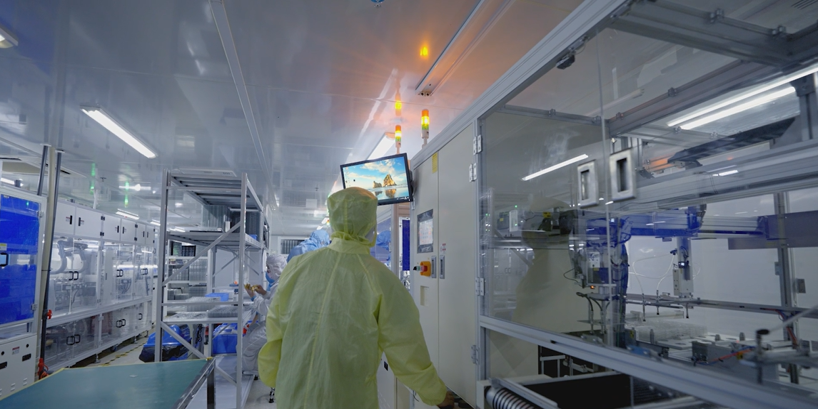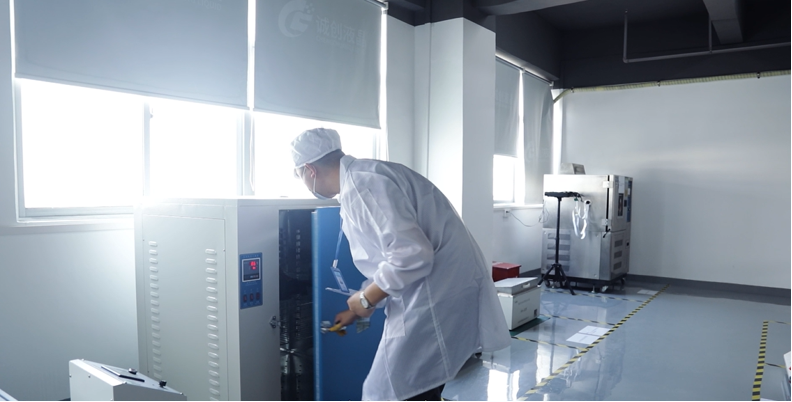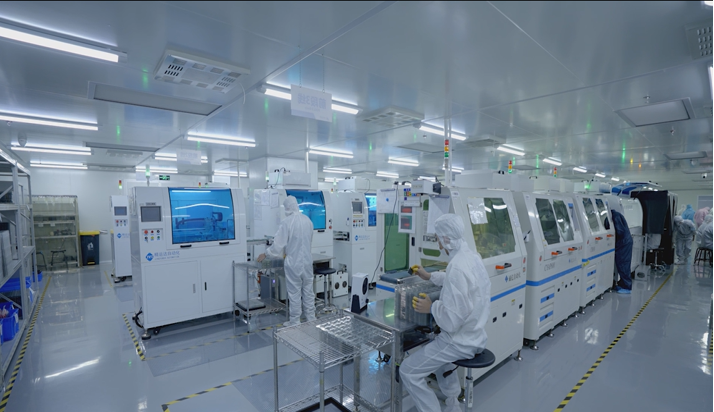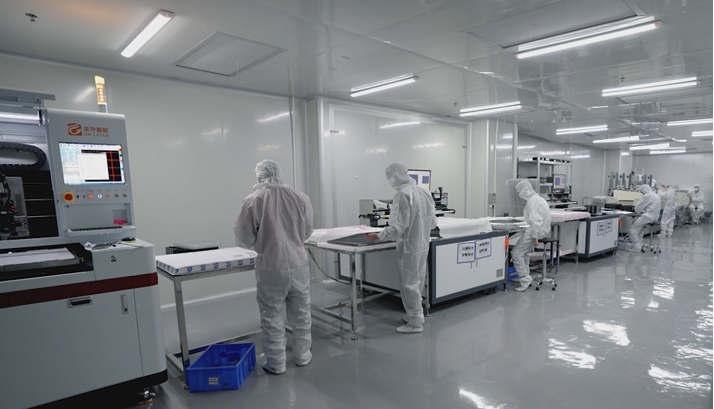
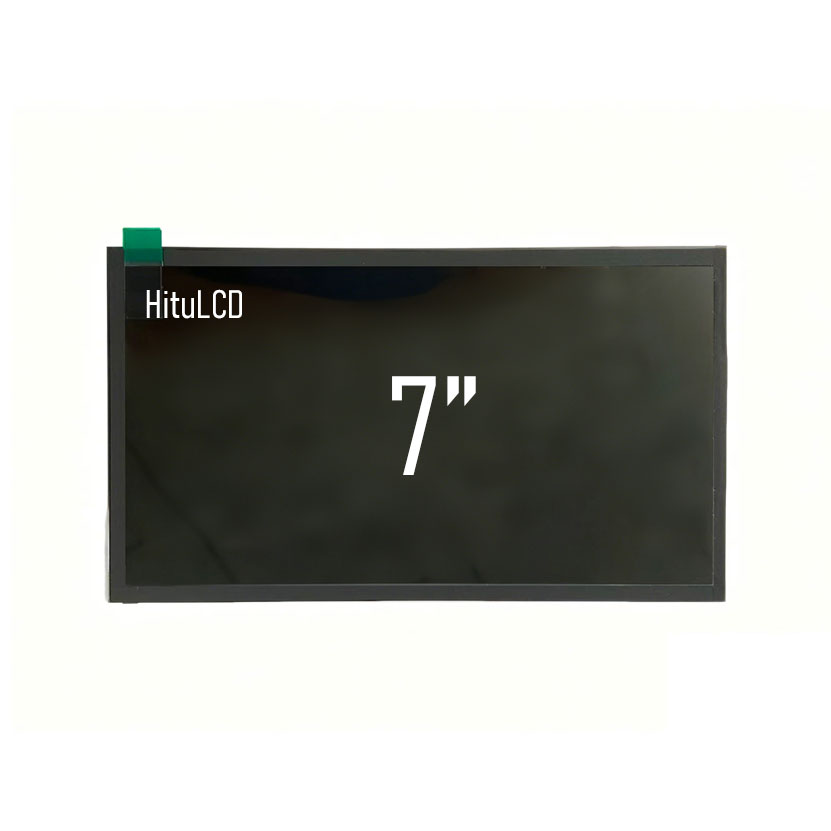
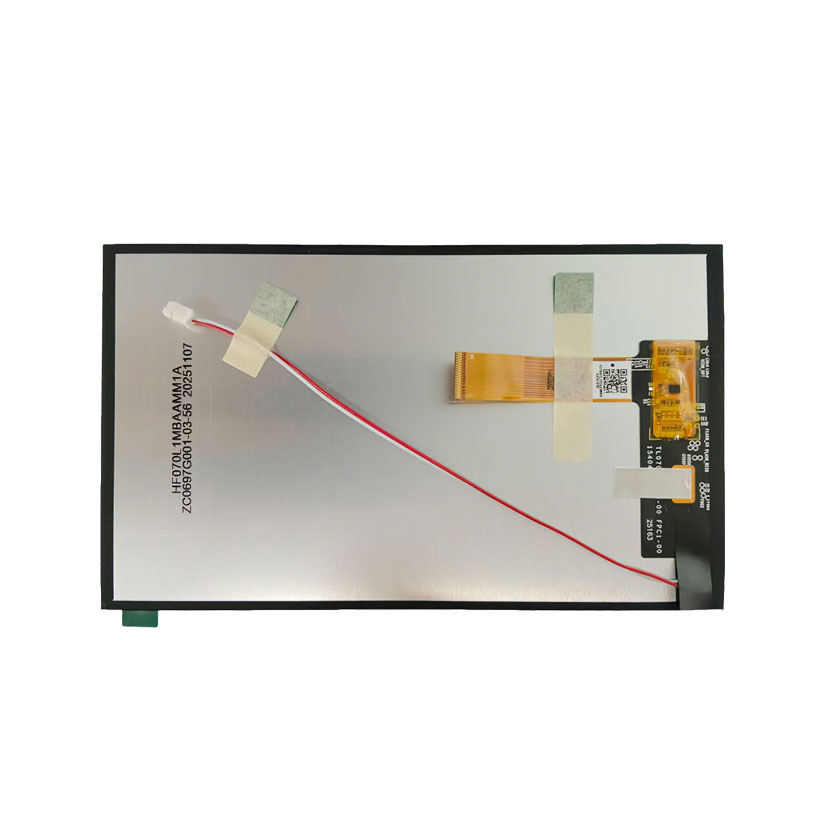
The 7 inch form factor has become one of the most widely adopted display sizes across industrial control panels, medical instruments, transportation terminals, and rugged handheld devices. When paired with a projected capacitive (PCAP) touch layer, a 7 inch industrial LCD delivers the responsive, multi-touch experience operators expect from consumer devices while surviving the temperature swings, vibration, moisture, and continuous duty cycles of factory-floor deployment. At HITULCD, we engineer high-brightness LCD modules for exactly these conditions, and this white paper distills what separates a truly industrial-grade 7 inch capacitive display from a repackaged consumer panel.
Why 7 Inch Capacitive Displays Dominate Industrial Design
The 7 inch class strikes a deliberate balance. It is large enough to render legible dashboards, waveform graphs, and virtual keypads, yet compact enough to fit inside enclosures with tight depth budgets. Projected capacitive touch adds durable, glass-fronted input that supports gloved operation, gesture control, and edge-to-edge cover lens designs that are easy to seal and clean.
The three attributes that matter most in industrial use are brightness, touch reliability, and lifecycle stability. A panel that looks stunning on a desk but washes out under 50,000 lux of sunlight, or whose touch controller drops calibration after six months, fails the only test that counts: uninterrupted operation.
Key Selection Criteria Before We Rank
Brightness (nits): Indoor HMI panels typically need 400–700 nits; outdoor and semi-outdoor terminals demand 850–1500+ nits.
Operating temperature: Industrial parts should tolerate at least -20°C to +70°C, with wide-temp options reaching -30°C to +85°C.
Touch technology: Look for a GG (glass-glass) or GFF PCAP stack, tunable for glove and water rejection.
Interface: LVDS or MIPI-DSI for the panel; I2C or USB for the touch controller.
Longevity: A guaranteed multi-year availability window prevents costly redesigns.
The Top 10 7 Inch Industrial LCD Screens with Capacitive Touch
The following ten configurations represent the profiles we see winning the most industrial design-ins. Each is described by its defining engineering trade-off rather than a marketing label, so you can map it to your own requirement set.
1. High-Brightness Sunlight-Readable 1000-Nit Panel
Built for outdoor kiosks, agricultural machinery, and marine dashboards, this configuration pairs a 1000-nit backlight with an optically bonded PCAP touch layer. Optical bonding eliminates the air gap between the cover glass and the LCD, which cuts internal reflection and boosts contrast under direct sun. Resolution is typically 1024×600 IPS for wide viewing angles.
2. Ultra-Bright 1500-Nit Semi-Outdoor Terminal Display
Where 1000 nits is not enough, a 1500-nit variant with a high-efficiency LED array and automatic ambient-light dimming keeps power draw and heat under control. This is the workhorse for EV charging stations and transit ticketing machines that face changing light all day.
3. Wide-Temperature -30°C to +85°C Rugged Module
For cold-chain logistics, outdoor telecom cabinets, and mining equipment, thermal range beats raw brightness. This panel uses a wide-temp liquid crystal fluid and a heater-ready backlight so the display starts cleanly in freezing conditions without ghosting or slow response.
4. High-Resolution 1280×800 IPS Instrument Display
Medical monitors and precision test equipment benefit from the extra pixel density of a 1280×800 IPS panel. Combined with a fine-pitch capacitive sensor, it renders small fonts, fine grid lines, and detailed waveforms without aliasing.
5. Glove-Touch Optimized HMI Panel
Factory operators rarely work bare-handed. This configuration tunes the touch controller for thick-glove sensitivity while retaining water-rejection firmware, so accidental droplets do not trigger phantom presses. The cover lens is chemically strengthened to resist scratches from tools.
6. Water-Resistant IP65 Front-Bezel Display
Food processing, pharmaceutical, and washdown environments require a sealed front surface. A flush cover-glass PCAP stack with a gasket-ready mounting frame delivers IP65 front-panel protection and a flat, wipe-clean surface with no crevices to trap contaminants.
7. Low-Power Transflective Battery-Device Panel
Handheld meters and portable scanners cannot afford a power-hungry backlight. A transflective or low-power IPS design leverages ambient light to stay readable while extending battery runtime, an essential trade-off for field service tools.
8. High-Contrast AMOLED-Alternative IPS Panel
For applications wanting deep blacks and vivid color without OLED burn-in risk, a high-contrast IPS module with local backlight tuning offers a 1500:1 contrast ratio and long, stable service life under static UI content.
9. EMI-Hardened Automotive and Rail Display
Transportation electronics face strict EMC and vibration standards. This panel integrates shielded flex cables, a reinforced mounting structure, and a touch controller validated against electrical fast transients, making it suitable for rail cabins and commercial vehicle clusters.
10. Long-Lifecycle Standard 400–700 Nit Control Panel
Not every application needs extremes. For indoor PLC interfaces and building automation, a dependable 400–700 nit panel with a guaranteed long availability window is often the smartest choice. It keeps unit cost low while protecting the design from premature end-of-life.
Matching the Right Panel to Your Application
Environment First
Start with where the device lives. Direct sunlight pushes you toward the 1000–1500 nit tiers with optical bonding. Freezer or outdoor cabinet placement makes wide-temperature construction non-negotiable, regardless of brightness.
Interface and Integration
Confirm that your host board speaks the panel's language. Most 7 inch industrial modules use LVDS for higher resolutions and MIPI-DSI for compact SoC designs, while the PCAP controller reports over I2C or USB HID. A mismatch here is the most common cause of late-stage redesign.
Touch Behavior
Decide early whether you need glove support, water rejection, or both, since these tuning profiles can compete. A quality controller lets you switch modes in firmware, but the sensor stack must be specified up front.
Reliability Engineering Behind the Screen
The difference between a consumer 7 inch panel and an industrial one is rarely visible on a spec sheet at first glance. It lives in the component grade, the bonding process, and the validation testing. Industrial modules undergo extended thermal cycling, humidity soak, vibration, and backlight burn-in so their rated MTBF holds in the field. The cover lens is chemically strengthened, the flex connectors are reinforced, and the touch firmware is aged to confirm calibration stability over years, not months.
Optical bonding deserves special mention. Beyond improving sunlight readability, it removes the air gap where condensation can form and where impact energy can crack an unsupported LCD. For rugged and outdoor products, it is one of the highest-value upgrades you can specify.
Conclusion
Choosing among 7 inch industrial LCD screens with capacitive touch is an exercise in matching brightness, temperature range, touch behavior, and lifecycle to the realities of your deployment. The ten configurations above map to the vast majority of industrial, medical, and transportation use cases. When the environment is demanding, prioritize high brightness, wide-temperature construction, and optical bonding, then confirm interface compatibility and touch tuning before committing. Specified correctly, a 7 inch capacitive display becomes an invisible, reliable window into your system, exactly as it should be.
KEYWORDS: 7 inch industrial LCD, capacitive touch screen, high brightness LCD, sunlight readable display, PCAP touch panel