For any high-brightness LCD module or display system sold into mainland China, the question of CQC and China Compulsory Product Certification is rarely answered by the display panel alone. The certification applies to the product as placed on the market, which means the answer depends on what the LCD is built into, how it is powered, and what it is sold as. This paper explains the structure of the CCC system, the role of CQC, how it affects high-brightness LCD products, and how to plan a certification project without avoidable delays.
1. CCC and CQC: Clarifying the Terms
China Compulsory Certification (CCC, often written "3C") is the mandatory product conformity mark of the People's Republic of China. Products listed in the CCC catalogue may not be imported, sold, or used in commercial activities in China unless they have been certified and carry the CCC mark. The system is administered under the market regulator (SAMR) and its certification and accreditation administration (CNCA).
CQC (China Quality Certification Centre) is one of the designated certification bodies that issues CCC certificates. It is a certification body, not a separate mark. A product certified through CQC carries the same CCC mark as one certified through another designated body. Many manufacturers choose CQC because of its broad catalogue coverage and established network of laboratories, but the choice of body does not change the legal standing of the mark.
Distinguishing this matters in practice. "CQC mark" voluntary certificates also exist for products outside the compulsory catalogue. A voluntary CQC certificate does not satisfy CCC requirements, and a buyer who accepts one in place of CCC for a catalogued product has not met the legal requirement.
2. When a High-Brightness LCD Falls Under CCC
A bare LCD panel or an open-frame LCD module is generally a component and is not itself a catalogued end product. Whether CCC applies is determined by the product category the finished item belongs to. For high-brightness display products, the typical scenarios are:
- Open-frame modules and panels supplied to an integrator: usually not subject to CCC at the component level, but the integrator's final product may be.
- Information technology equipment, such as monitors and industrial displays with an integrated power supply or adapter: often fall under the IT equipment category, where safety and, where applicable, electromagnetic compatibility requirements are evaluated.
- Power adapters and external power supplies shipped with displays: frequently assessed as separate catalogued items or as part of the overall system.
- Audio and video equipment, such as display-based terminals in this class: may be covered depending on function, for example if they include television reception.
- Outdoor or vehicle-mounted displays: may involve additional categories, such as automotive-related components, depending on installation and function.
The catalogue and its implementation rules are revised periodically, and catalogue scope, category descriptions, and exemption policies change over time. Manufacturers should confirm the current catalogue and rules with the certification body, rather than relying on past experience with a similar product. A written classification confirmation from the certification body is the safest basis for a project plan.
3. Why High-Brightness Designs Raise Specific Certification Questions
High-brightness LCDs, typically 1,000 to 5,000 nits or more for sunlight-readable use, differ from standard displays in ways that matter to safety and EMC evaluation:
Thermal design. High-power LED backlights generate substantial heat. Safety testing evaluates temperature rise of accessible surfaces, internal components, insulation, and plastic parts under normal and fault conditions. Enclosure design, heat sinks, fans, and thermal cutoffs are all examined.
Power architecture. Backlight driver boards operate at higher currents, and units often use wide-input DC or AC power supplies. The insulation system, creepage and clearance distances, protective earthing, and component ratings must be documented and consistent with the critical component list.
Electromagnetic compatibility. LED drivers with PWM dimming and switching converters can generate conducted and radiated emissions. EMC performance must be confirmed on the complete configuration, including cables and the shipped power supply, as tested layouts influence results.
Enclosure and ingress protection. Many high-brightness products are sealed for outdoor use. Sealed enclosures change thermal behavior and may require additional evaluation of ventilation, condensation, and material flammability ratings.
Components with their own certification. Power supplies, cords, connectors, fuses, and certain safety components are expected to be certified or recognized. Using already certified components generally simplifies the evaluation.
4. The Certification Process
Although specifics vary by product category, a CCC project through CQC generally follows these stages:
1. Application and classification. The applicant submits product information, and the certification body confirms the category, applicable standards, and test requirements.
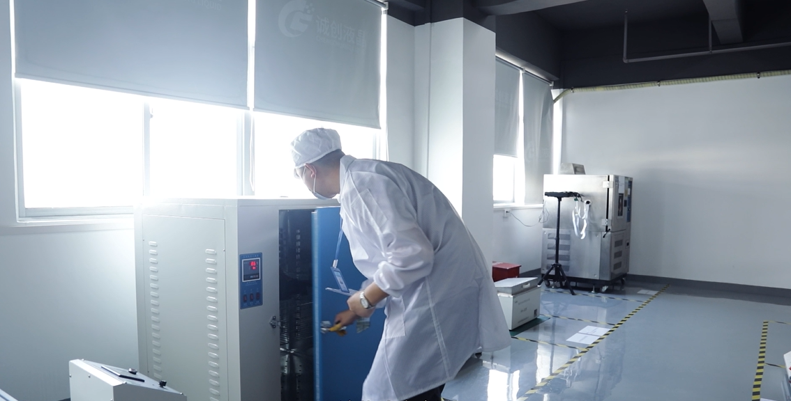
2. Sample submission and type testing. Samples are tested at a designated laboratory against the applicable Chinese national standards (GB standards). For IT and audio-video equipment, safety requirements are commonly based on GB 4943.1 and EMC requirements on GB/T 9254-series standards, subject to current catalogue rules.
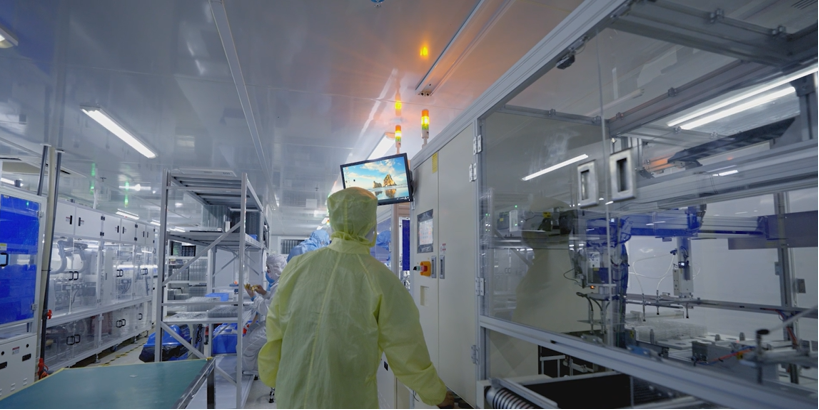
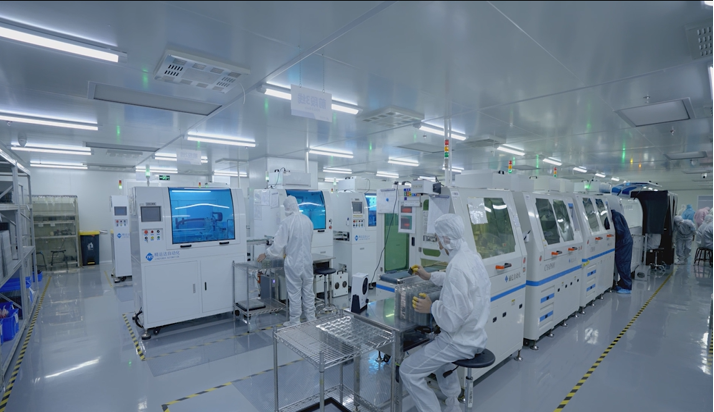
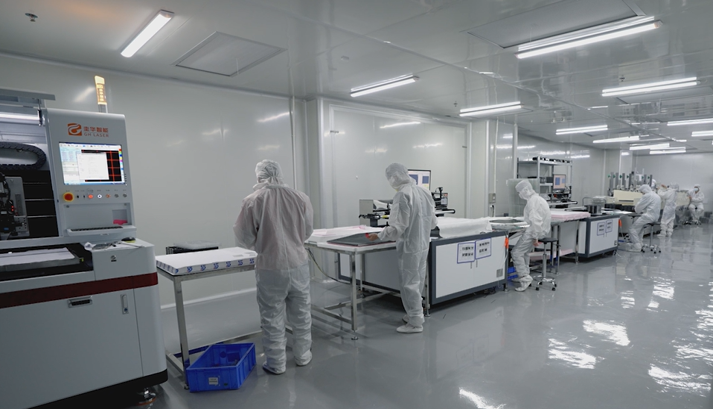
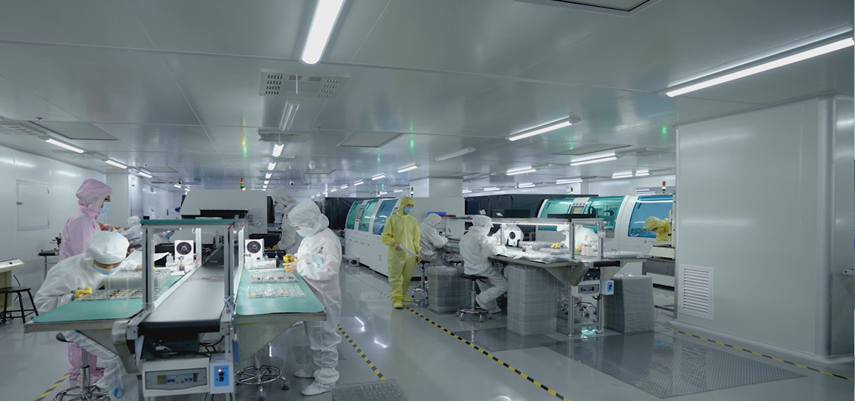
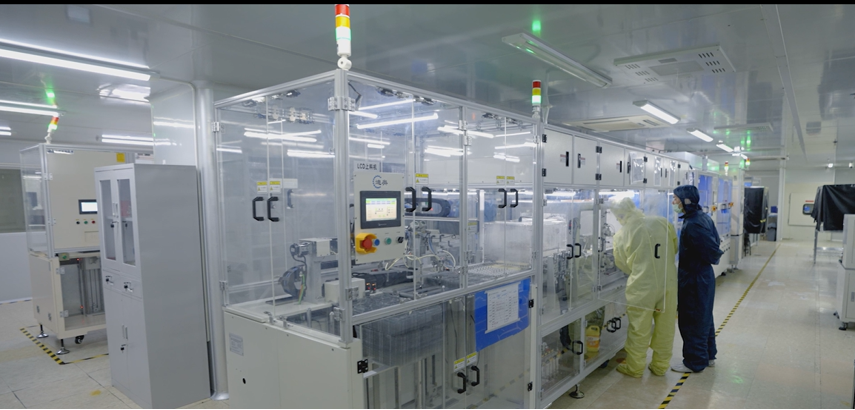
3. Initial factory inspection. The certification body assesses the factory's quality assurance capability and its ability to consistently produce the certified product. This includes control of critical components, production process control, routine and confirmation testing, and traceability.
4. Evaluation and certificate issuance. After satisfactory test and inspection results, the certificate is issued. The certificate lists the applicant, manufacturer, factory, product model scope, and standards.
5. Follow-up supervision. Certificates remain valid subject to periodic follow-up factory inspections and any required sampling. Changes to critical components, factories, or designs must be reported and, where required, re-evaluated.
Foreign manufacturers generally need an in-country applicant or agent arrangement, and the labelling of the applicant, manufacturer, and factory on the certificate must be consistent with the contractual supply chain.
5. Series Models and Scope Strategy
High-brightness product lines usually span multiple screen sizes and brightness grades. Certification can often cover a series of models if they share the same critical design, with differences described in a series difference declaration. Differences that can influence safety, such as backlight power, power supply rating, and enclosure material, should be well defined. A practical approach is to identify the worst-case model for thermal and EMC testing and to define the series boundaries clearly at the start. Over-broad series claims invite additional testing; overly narrow ones increase cost and maintenance burden.
6. The CCC Mark and Labelling
After certification, the CCC mark must be applied to the product as specified, normally on the nameplate or rating label and on packaging, in the required form and size. The mark must not be applied before the certificate is valid, and it must not be applied to models outside the certificate scope. Product labels should also be consistent with the certificate model names, ratings, and manufacturer information. Misuse of the mark can lead to administrative penalties, import clearance problems, and loss of customer trust.
7. Common Pitfalls
- Assuming a component-level module is always exempt, then discovering that the buyer's end product with an integrated supply is catalogued.
- Using a voluntary CQC certificate or a test report from a foreign scheme as a substitute for CCC.
- Changing the LED driver, power supply, or enclosure material after certification without reporting the change.
- Testing a sample that differs from the production configuration, for example a different cable set or power adapter.
- Underestimating factory inspection preparation, including records of incoming inspection and routine production testing.
- Treating labelling as an afterthought, resulting in mismatches between the label and certificate.
8. Planning Checklist for High-Brightness LCD Projects
Before launch in China, a structured plan reduces risk:
- Confirm the final product category and whether CCC applies, in writing, with the certification body.
- Define the delivered configuration, including power supply, cables, and accessories.
- Build a critical component list with certified components and stable suppliers.
- Verify thermal behavior at maximum ambient temperature and maximum brightness, including fault conditions.
- Run pre-compliance EMC testing on the complete system before formal submission.
- Prepare factory quality documentation and a routine test procedure for dielectric strength and earth continuity where required.
- Establish a change-control process that triggers notification when certified components or designs change.
- Align contracts so that responsibility for certification between the display supplier, integrator, and brand owner is clear.
9. How a Display Supplier Supports Customers
For integrators, the most useful support from a high-brightness LCD supplier is clear documentation: module specifications, power and thermal data, backlight driver information, materials declarations, and stable component sourcing. At HITULCD, engineering teams work with customers to define configuration boundaries early, since decisions about brightness level, driver design, and thermal solution made during design are far cheaper to adjust than after testing has begun. Where a customer's end product requires CCC, supplying consistent, traceable module data helps shorten evaluation and reduces the risk of rework.
Conclusion
CQC is a certification body, and CCC is the mandatory mark it can grant. For high-brightness LCD products, the central issue is not the panel in isolation but the complete product: its category, power supply, thermal design, EMC behavior, and the factory that makes it. Confirming classification early, controlling critical components, testing the real shipped configuration, and managing changes after certification are the practices that most reliably lead to smooth market access in China. Because rules and catalogues evolve, always verify current requirements directly with the certification body before committing to a schedule.
KEYWORDS: CQC certification, China Compulsory Certification, CCC mark, high-brightness LCD, CCC certification process