Understanding the Rise of Stretched LCD Displays in Australia
Across Australia, from Sydney transport hubs to Perth retail precincts and remote mining site control rooms, project specifiers are increasingly turning to stretched LCD displays to solve visual communication challenges that standard 16:9 panels cannot address. As a high-brightness LCD manufacturer, HITULCD works with Australian system integrators, digital signage networks, and OEM builders who need bar-type displays engineered for local conditions. The question we hear most often is not simply what a stretched LCD is, but how a manufacturer should support an Australian project from specification through to long-term field reliability.
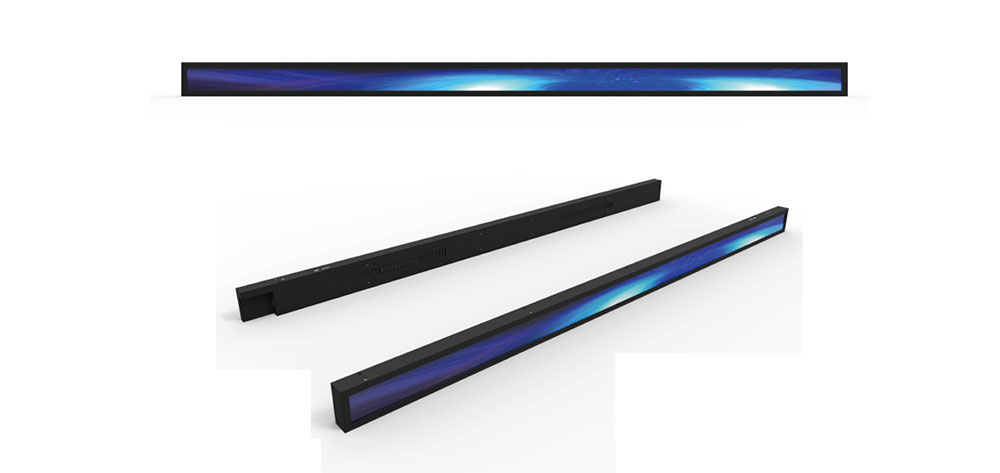
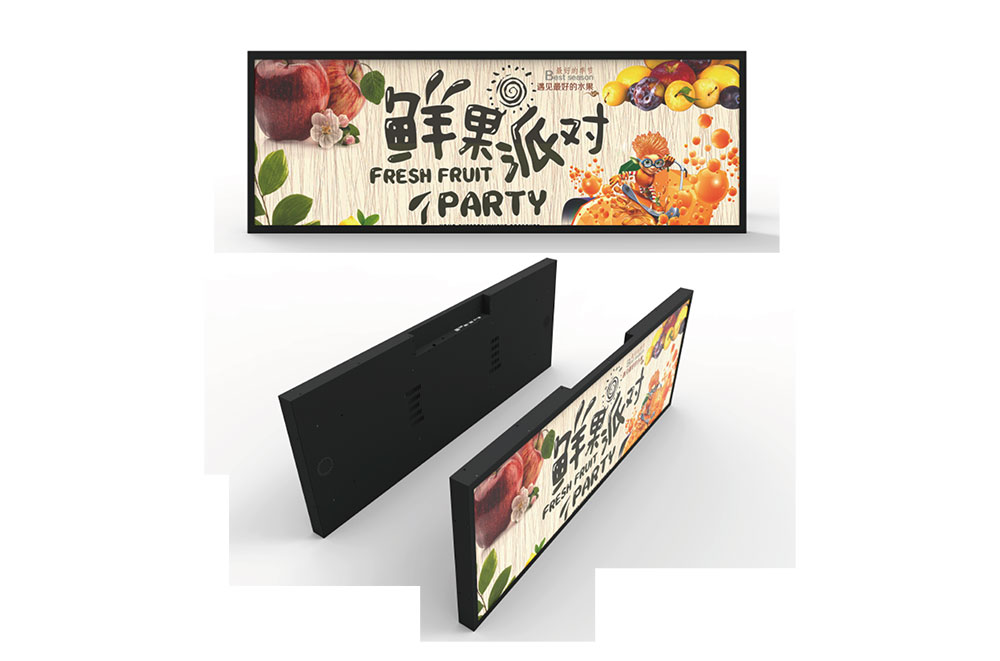
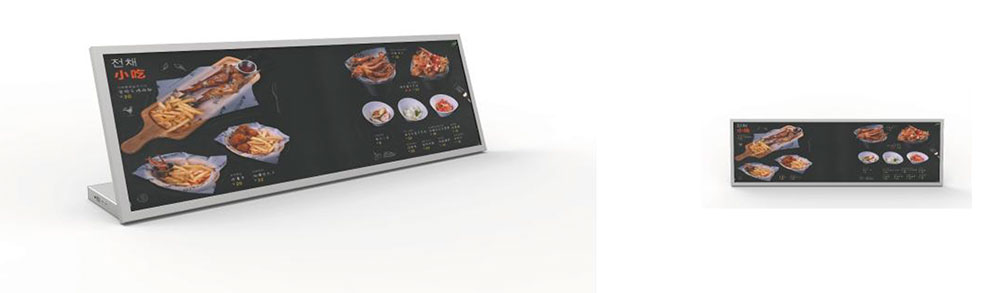
A stretched LCD, sometimes called a bar-type or ultra-wide display, is a panel with a non-standard aspect ratio such as 16:4.5, 16:6, or 24:9. These formats are ideal for shelf-edge signage, transport passenger information systems, elevator displays, and architectural feature walls where the mounting envelope is long and narrow. The engineering challenge lies not in the shape alone, but in delivering the brightness, thermal stability, and compliance that Australian environments demand.
Why Australian Conditions Change the Specification
Australia presents a specific combination of environmental stressors. High ambient light levels, intense UV exposure, and elevated ambient temperatures in northern and central regions all place demands on display hardware that differ from cooler, dimmer European installations. A stretched display destined for a shopfront in Queensland or a bus interchange in Adelaide must be specified with these realities in mind.
The most immediate consideration is brightness. Standard commercial panels rated at 350 to 500 nits will appear washed out behind glass exposed to direct sunlight. For Australian outdoor-facing and semi-outdoor applications, we recommend high-brightness stretched panels in the 1000 to 2500 nits range, paired with optical bonding to reduce internal reflection and improve contrast under harsh light. Optical bonding also eliminates the air gap that can otherwise allow condensation and dust ingress in humid coastal locations.
Thermal management is the second pillar. High-brightness backlights generate more heat, and Australian ambient temperatures can push enclosure internals well beyond the comfortable operating range of a passively cooled panel. A capable manufacturer designs the stretched module with wide operating temperature tolerance, isotropic thermal spreading, and where required, active cooling or intelligent brightness reduction to protect the liquid crystal layer from clearing point degradation.
How a Manufacturer Should Support an Australian Project
The word "how" in the project brief points to process, not just product. A stretched LCD display manufacturer serving Australian projects should provide structured support across five stages.
1. Specification consultation. Before any panel is quoted, the mounting envelope, viewing distance, ambient light profile, and duty cycle should be reviewed. A stretched display running 24/7 in a transport application needs an industrial-grade panel rated for continuous operation, not a consumer panel repurposed into a bar format.
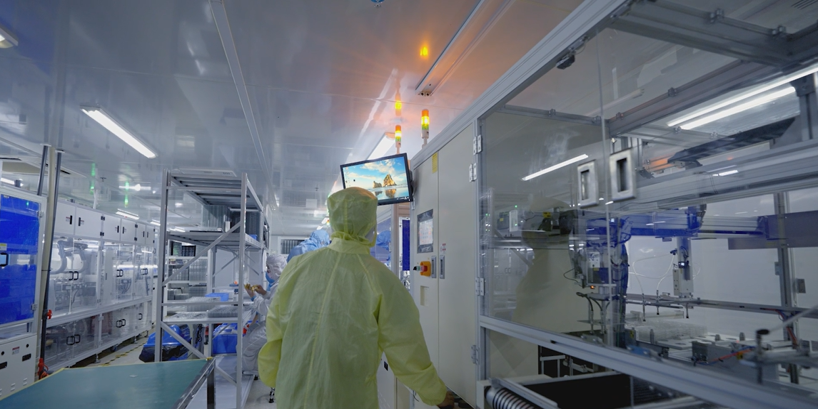
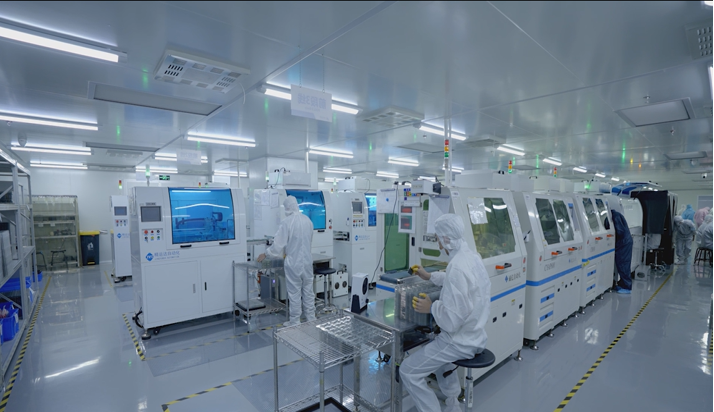
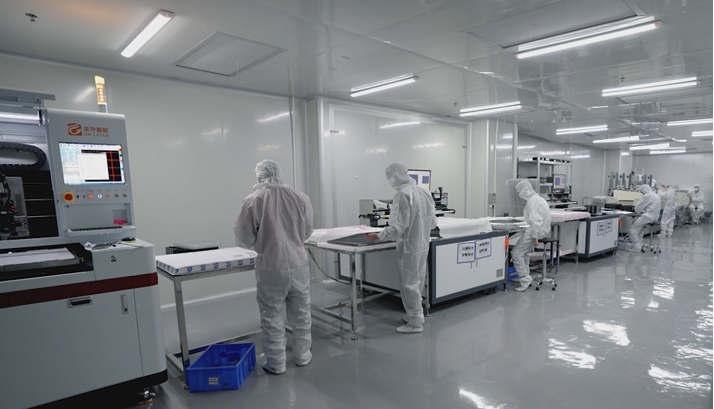
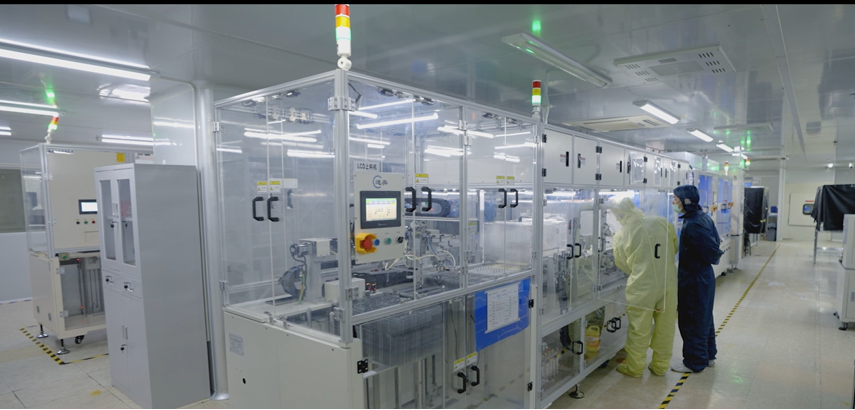
2. Custom cutting and mechanical integration. Many stretched panels are produced by cutting a mother-glass panel to the required aspect ratio. This process requires re-routing of the source driver, re-timing of the display controller, and careful edge sealing. A manufacturer should confirm that the cut panel retains full backlight uniformity and that the timing controller board is matched to the new active area.
3. Compliance and documentation. Australian projects, particularly those tendered by government transport authorities and large retail chains, require documented compliance. This includes electrical safety, electromagnetic compatibility, and restricted-substance verification, which is where international material standards become central to the conversation.
4. Logistics and lead-time planning. Shipping to Australia adds transit time and requires robust packaging to survive freight handling. A manufacturer should plan production windows and stock buffers so that project rollouts across multiple states are not delayed by single-shipment dependencies.
5. Long-term serviceability. A stretched display installed in a fixed architectural feature may need to remain in service for five to ten years. The manufacturer should guarantee panel and driver-board availability, provide spare-part planning, and support field replacement without full assembly redesign.
Restricted Substance Compliance: The Role of IEC 62321-3-(1-8):(2013-2017)
Material compliance is not optional for professional Australian projects, and it is here that the IEC 62321 series becomes directly relevant. IEC 62321-3-(1-8):(2013-2017) defines the analytical methods used to determine the presence and concentration of regulated substances in electrotechnical products. For a stretched LCD display, this covers the panel glass, the backlight assembly, the driver boards, the connectors, and the housing.
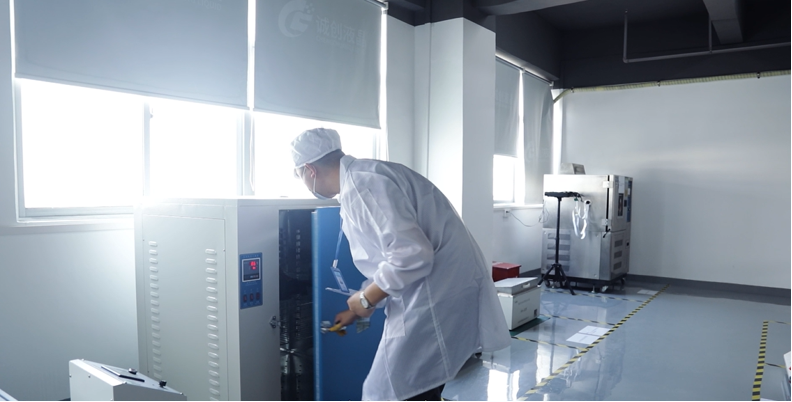
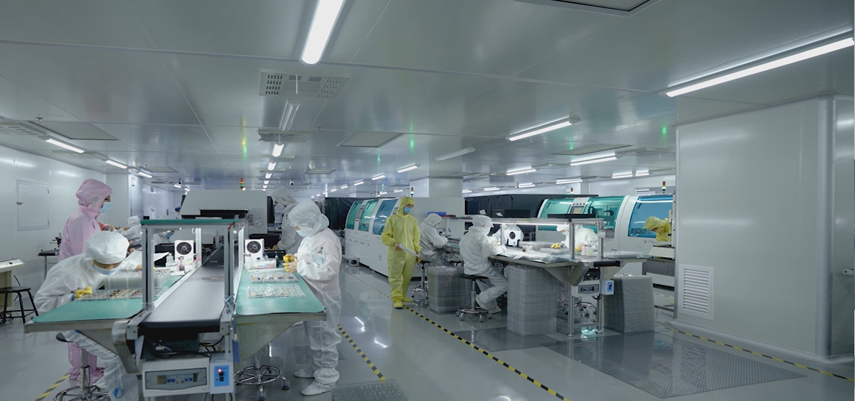
The relevant parts of the standard address the screening and quantification of substances such as lead, mercury, cadmium, hexavalent chromium, and brominated flame retardants including PBB and PBDE. Part 3-1 covers the screening of these elements using X-ray fluorescence spectrometry, which allows a rapid non-destructive assessment of incoming components. This is particularly useful for a manufacturer performing inbound quality control on backlight modules and printed circuit boards before they enter the stretched-display assembly line.
Beyond screening, the wider IEC 62321 framework provides the wet-chemical and instrumental methods used to confirm results quantitatively, so that a declared compliance figure can be defended in a tender audit. For an Australian integrator, a manufacturer that can supply test reports aligned to IEC 62321-3-(1-8):(2013-2017) reduces project risk. It demonstrates that the stretched display will not introduce restricted-substance liabilities into a public infrastructure or commercial fit-out, and it supports downstream obligations under Australian electrical equipment safety and environmental frameworks.
Practically, this means a HITULCD stretched panel destined for an Australian project is supported by material declarations traceable to a recognised international test methodology. When a specifier asks how compliance is verified, the answer is grounded in a defined analytical standard rather than an unsupported claim.
Matching Panel Format to the Australian Application
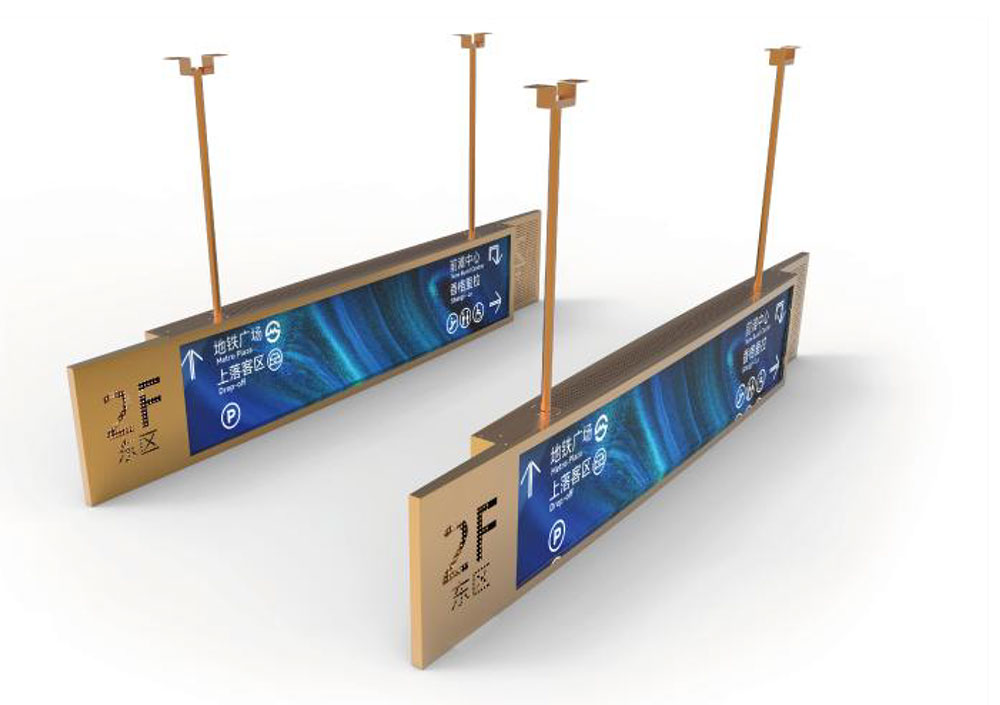
Different Australian project types call for different stretched formats. Retail shelf-edge displays typically use narrow 16:4.5 or 16:3 bars mounted horizontally along gondola shelving, where high brightness ensures legibility under bright store lighting. Transport passenger information displays often favour 28-inch to 37-inch stretched panels with wide viewing angles so that standing passengers at any position on a platform can read arrival times. Corporate lobby and architectural installations may combine multiple stretched units into a video-wall ribbon, which places a premium on colour consistency and tight bezel matching between panels.
For each of these, the manufacturer's role is to translate the physical and environmental brief into a panel specification: brightness target, aspect ratio, interface type, operating temperature range, and compliance package. The stretched format is the starting point, not the finish line.
Reliability Engineering for the Long Term
An Australian project is judged over years, not weeks. Image retention, backlight lumen depreciation, and connector fatigue are the failure modes that determine whether a stretched display remains an asset or becomes a maintenance burden. High-quality LED backlights specified for long half-life, combined with intelligent brightness control that dims the panel during low ambient periods, extend service life significantly. Robust flat-flex and board-to-board connectors rated for thermal cycling prevent the intermittent faults that plague poorly integrated bar displays.
A manufacturer committed to Australian projects also considers the practicalities of the continent's scale. Support for remote diagnostics, clear service documentation, and a spare-parts strategy that accounts for long freight distances all contribute to total cost of ownership. The best stretched display is the one that keeps performing in Darwin heat and Melbourne cool alike, with predictable behaviour across the whole installed fleet.
Conclusion
Answering "how" a stretched LCD display manufacturer serves Australian projects comes down to disciplined specification, high-brightness engineering matched to local light and heat, verified restricted-substance compliance under standards such as IEC 62321-3-(1-8):(2013-2017), and long-term serviceability across a demanding geography. For HITULCD, the stretched panel is only the visible part of a much larger commitment to getting Australian projects specified correctly, delivered reliably, and supported for the full life of the installation.
KEYWORDS: stretched LCD display manufacturer, Australian projects, high-brightness LCD, bar-type display, IEC 62321-3 compliance