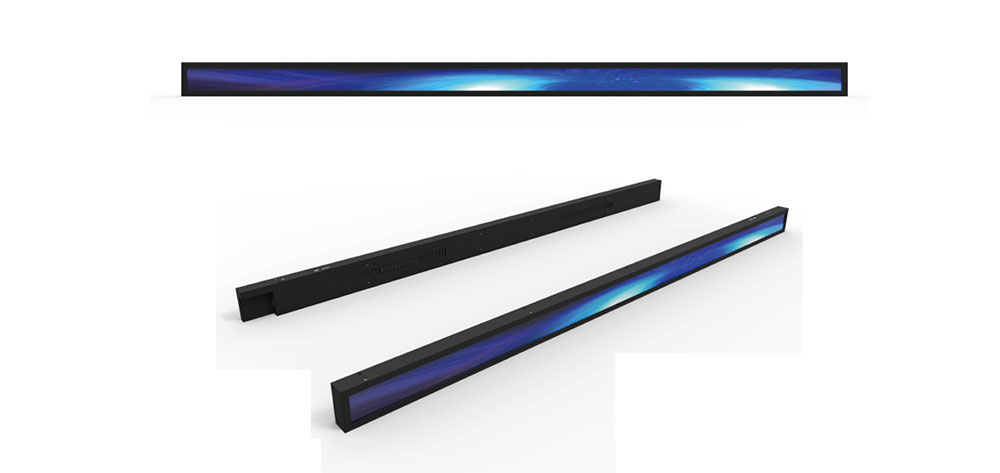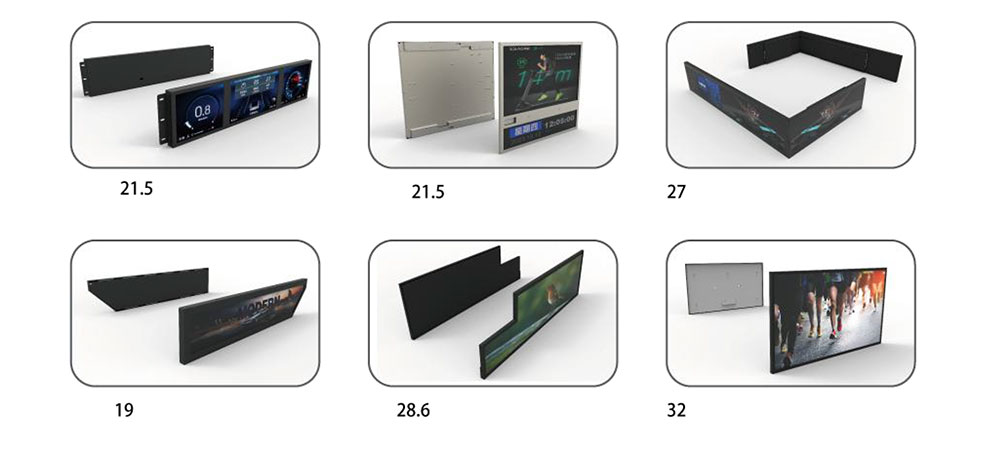
Stretched bar LCDs have moved from a niche curiosity to a core component in the industrial, retail, and transportation equipment that shapes daily life. Their elongated aspect ratios—typically ranging from 16:3 to 58:9—allow equipment manufacturers to place a high-brightness display exactly where a conventional 16:9 panel simply would not fit: along the edge of a shelf, across the fascia of a coffee machine, above a metro platform door, or beside a passenger seat. For global original equipment manufacturers (OEMs), the question is no longer whether to integrate a stretched display, but how to source one that survives real-world duty cycles, ships in predictable volumes, and carries the certifications each target market demands. This white paper from HITULCD examines what a mature OEM stretched bar display program looks like and why engineering discipline, not catalog breadth, separates a reliable supplier from a risky one.
Why Stretched Bar Displays, and Why Now
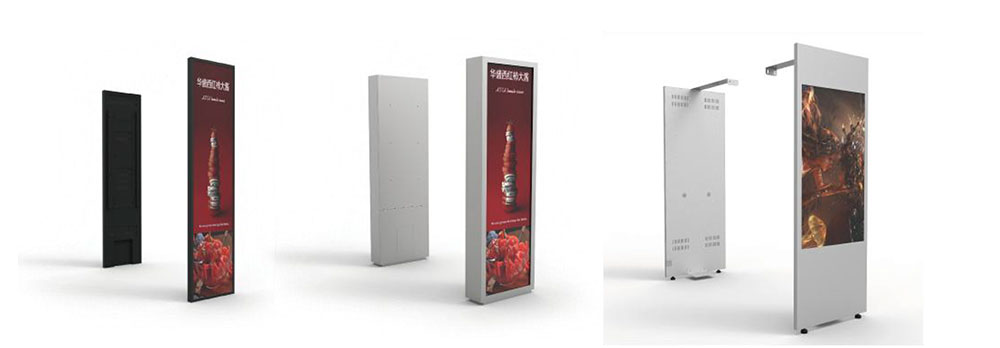
The stretched bar form factor is defined by cutting a standard glass mother sheet into a long, narrow segment while preserving the underlying TFT structure. Because the panel is derived from proven production lines, it inherits the color performance, viewing angle, and lifetime characteristics of mainstream automotive-grade or industrial-grade glass. What changes is the surrounding system: the backlight must be re-engineered for uniform luminance across an unusual geometry, the timing controller must map non-standard resolutions, and the mechanical frame must resist twist along a span that can exceed a meter. HITULCD builds around these constraints rather than retrofitting them, which is the difference between a display that merely works on a bench and one that holds tolerance across a ten-year field deployment.
Demand is accelerating for three converging reasons. First, spatial economics: floor and panel space is expensive, and a bar display monetizes or informs a strip of real estate that would otherwise sit blank. Second, ambient light: modern deployments increasingly sit near windows, under LED store lighting, or outdoors, where 1,000 to 2,500 nits of sustained brightness is the price of legibility. Third, standardization pressure: OEMs shipping to dozens of countries need a single hardware platform that clears EMC, safety, and environmental regulations everywhere, reducing the number of SKUs their supply chain must carry.
The Engineering Backbone of a Reliable Bar Display
High brightness is the headline specification, but sustained high brightness is the real engineering problem. Driving a backlight harder generates heat, and heat is the primary accelerant of LCD aging, backlight dimming, and image-sticking. HITULCD addresses this at the system level through several coordinated design choices.
- Thermally managed LED backlights. Aluminum substrate light bars, engineered heat-spreading, and, where the enclosure permits, forced or convective airflow keep junction temperatures within specification even at 2,500 nits and 55 °C ambient.
- Optical bonding. Filling the air gap between the cover glass and the LCD with an optically clear adhesive eliminates internal reflections, boosts effective contrast in bright environments, and reinforces the long panel against shock and vibration—critical for transportation and outdoor equipment.
- Wide-temperature components. Industrial-grade liquid crystal, extended-range polarizers, and automotive timing controllers allow continuous operation from −30 °C to +85 °C, so the same panel serves a refrigerated retail case and a sun-exposed kiosk.
- Uniformity calibration. Each stretched panel is measured across multiple luminance points; local dimming zones or backlight tuning correct the non-uniformity that long, narrow geometries are prone to.
These are not incremental refinements. On an elongated panel, a small design shortcut is magnified across the span, showing up as a visible brightness gradient or a hot spot that fails a customer's incoming inspection. Getting the fundamentals right is what makes a bar display OEM-grade.
What "OEM Solution" Actually Means
Equipment manufacturers rarely want a finished consumer product; they want a display module that drops into their mechanical, electrical, and software architecture with minimal friction. A genuine OEM program, therefore, is measured by how much of the integration burden the supplier absorbs. HITULCD structures its offering around the decisions an OEM engineering team actually makes:
- Interface flexibility. LVDS, eDP, MIPI-DSI, or HDMI, matched to the customer's host board rather than forcing a board redesign.
- Cover glass and touch options. Anti-glare, anti-fingerprint, or anti-reflective treatments; projected-capacitive touch tuned to work through thick or gloved-hand cover lenses.
- Mechanical customization. Mounting ears, custom bezels, cable routing, and connector placement designed to the customer's enclosure drawings.
- Firmware and control. Brightness scheduling, ambient light sensing, and remote configuration so the OEM can manage a fleet in the field.
The value of this model is that the OEM keeps ownership of its product and brand while offloading display-specific risk. HITULCD delivers a validated module, a documented specification, and a stable revision-control process, so the equipment maker's own certification and quality systems can rely on a component that does not silently change between shipments.
Serving a Global Manufacturing Base
Global OEMs live or die by supply chain predictability. A display that is perfect in a prototype but unavailable in production quantities—or that arrives with a component substitution that voids a regional certification—creates cascading cost. HITULCD's global program is built to remove these failure modes.
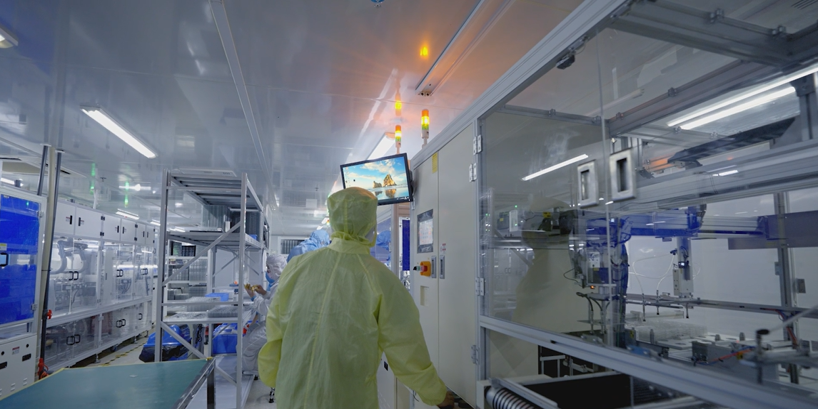
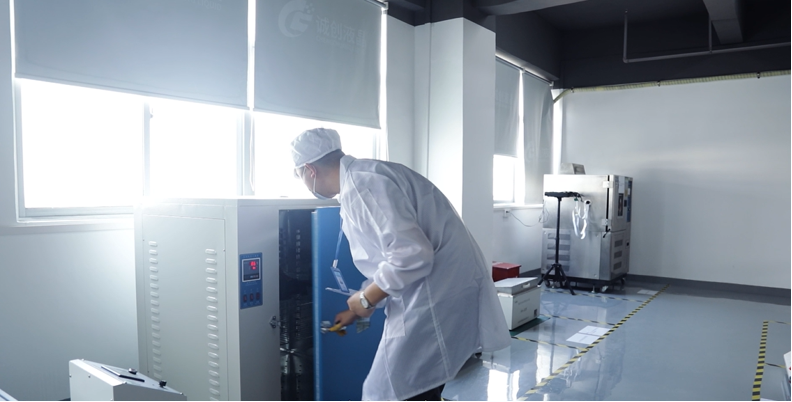
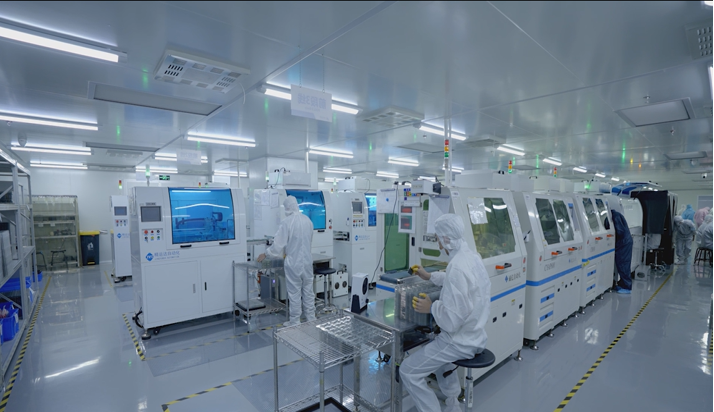
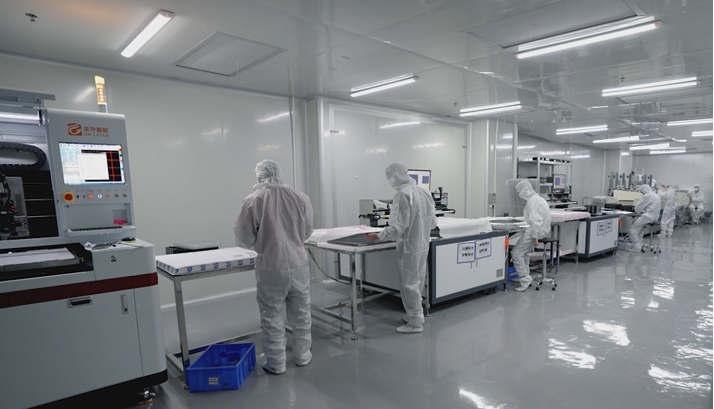
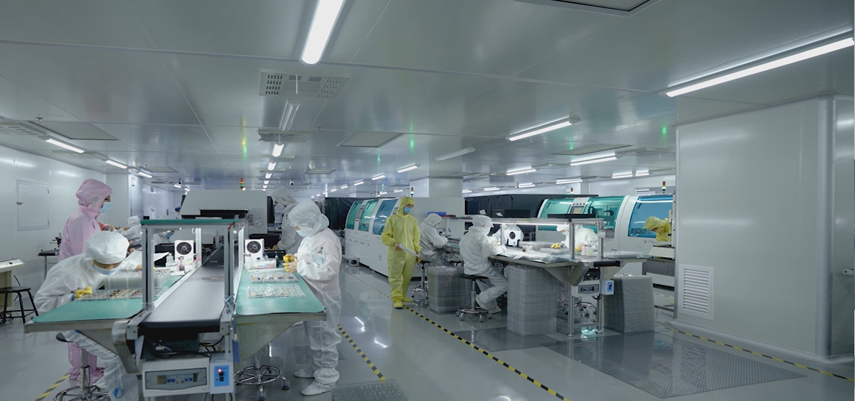
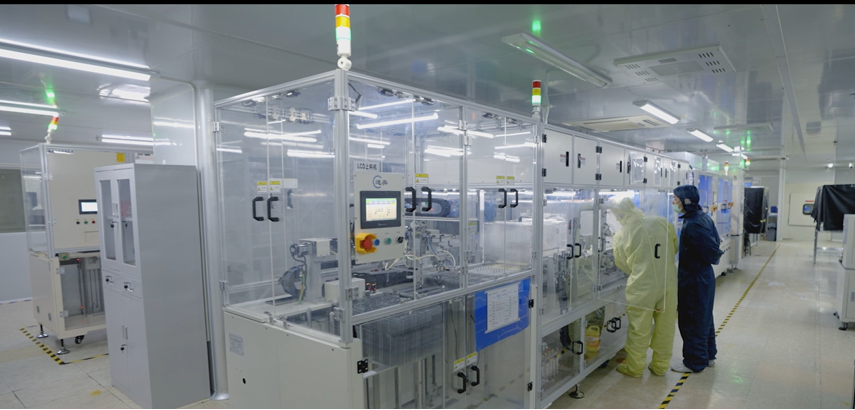
On compliance, panels are engineered to satisfy CE, FCC, RoHS, and REACH requirements from the outset, with documentation packages that accelerate the customer's own product-level certification in North America, Europe, and Asia-Pacific. On continuity, long-lifecycle industrial components and managed end-of-life notifications protect equipment programs that stay in production for five to ten years, far longer than consumer display cycles. On scale, tooling and process controls are designed for volume ramp, so a design that passes qualification at hundreds of units can reach tens of thousands without re-engineering.
Just as important is the collaboration model. A stretched bar display is often specified early in an equipment program, when the enclosure, the interface, and the thermal budget are still fluid. HITULCD's engineering team works alongside the OEM during this window, converging on a design that is manufacturable at target cost rather than one that only reveals its production problems after tooling is committed.
Application Landscape
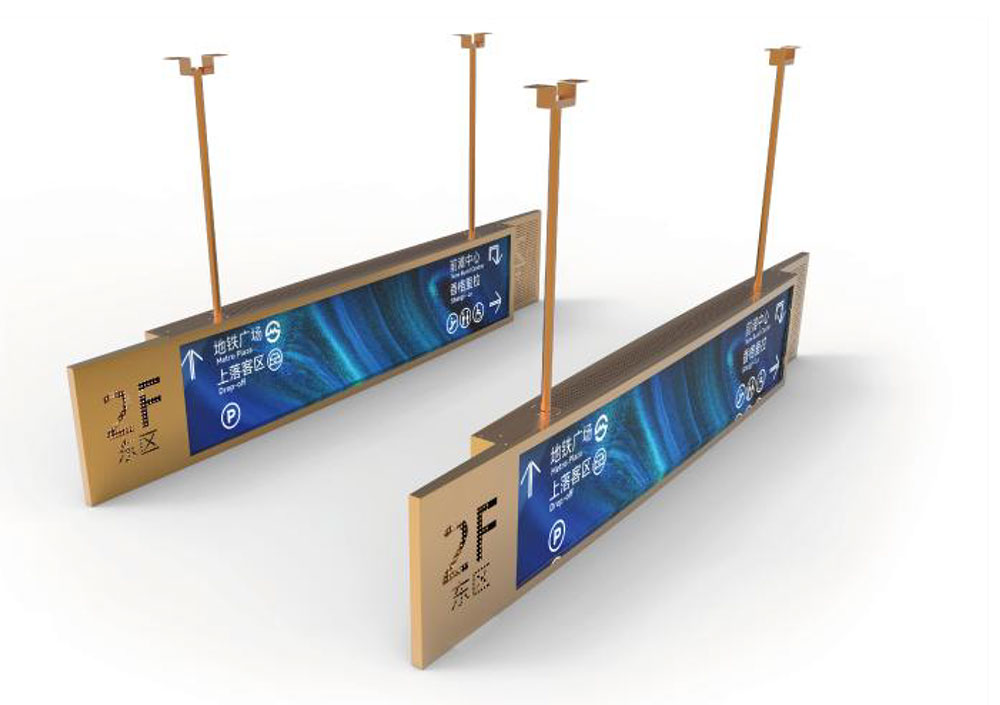
The breadth of the form factor is best understood through where it lands. In retail, stretched bars serve as shelf-edge displays, digital price rails, and promotional strips that turn a store aisle into a controllable media surface. In transportation, they function as passenger information displays in metros and buses, seat-back strips, and platform signage that must remain legible under station lighting and endure constant vibration. In smart equipment and vending, they wrap around machines to guide interaction and upsell. In building and industrial control, elongated status displays present dense telemetry in a single glance. Each of these environments imposes a different combination of brightness, temperature, touch, and mechanical demands—which is precisely why an OEM benefits from a supplier that treats the bar display as an engineering platform rather than a fixed catalog item.
Choosing a Partner, Not a Product
For an equipment manufacturer, the stretched bar display is a small part of the bill of materials but a large part of the user's perception and a disproportionate source of field risk if it is chosen poorly. The right decision framework weighs sustained high-brightness capability, thermal and mechanical robustness, interface and mechanical customizability, regulatory readiness, and lifecycle stability—together, not in isolation. HITULCD's OEM stretched bar display program is designed against exactly this framework: high-brightness panels engineered for continuous duty, customized to the customer's architecture, certified for global markets, and supported through the full production life of the equipment they serve. For OEMs building the next generation of retail, transit, and smart-equipment products, that combination is what turns an unusual display shape into a dependable competitive advantage.
KEYWORDS: OEM stretched bar display, high brightness LCD, stretched LCD solutions, industrial bar display, custom LCD manufacturer