Solutions for Australian Equipment Manufacturers: Australian Market Guide
Australian equipment manufacturers face a distinctive combination of environmental extremes, regulatory expectations, and end-user demands. From mining control cabinets baked under the Pilbara sun to marine navigation consoles exposed to salt spray off the Great Barrier Reef, display technology must perform where consumer-grade panels simply fail. At HITULCD, we design high-brightness LCD solutions purpose-built for these conditions, and this guide explains how manufacturers across the continent can specify, certify, and integrate displays that survive Australian service life.
Why the Australian Market Demands More From a Display
Ambient illuminance in open Australian environments routinely exceeds 80,000 to 100,000 lux at midday. A standard industrial panel rated at 300 to 500 nits washes out completely under this load, forcing operators to shade screens with their hands or abandon outdoor readings. High-brightness LCDs rated from 1,000 nits to 2,500 nits restore contrast and legibility, keeping safety-critical data visible without operator strain.
Temperature is the second challenge. Equipment destined for the outback, agricultural fleets, or unventilated enclosures must tolerate surface temperatures well above 60°C, while units shipped to alpine regions or refrigerated logistics face sub-zero starts. HITULCD panels are engineered with wide operating ranges, typically -30°C to +85°C, and incorporate thermal management that prevents the isotropic point darkening and liquid-crystal clearing that plague ordinary displays in heat.
Core Technologies Behind HITULCD High-Brightness Panels
- LED backlight engineering: High-efficiency LED arrays with current-controlled dimming deliver sustained luminance while managing heat and power draw. Local and global dimming extend LED lifetime toward 50,000 hours.
- Optical bonding: Replacing the air gap between cover glass and panel with an optically clear adhesive eliminates internal reflections, improves sunlight contrast, prevents internal condensation, and adds mechanical shock resistance for vehicle-mounted and portable equipment.
- Anti-reflective and anti-glare treatments: Surface coatings reduce specular reflection so operators read the content, not their own reflection, under harsh Australian daylight.
- Wide viewing angle IPS: Consistent colour and contrast across 170-degree viewing angles suit shared control rooms and multi-operator cabins.
- Automatic brightness control: Integrated ambient light sensors scale luminance up at noon and down at night, saving power and protecting operator night vision.
Certificates and Compliance for the Australian Market
Certification is where many overseas display suppliers stumble, and where Australian manufacturers carry real legal and commercial exposure. Specifying a display with the correct certificates protects your product from compliance holds at the border and from liability in the field. HITULCD supports the following certification pathways relevant to equipment sold in Australia.
Electromagnetic Compatibility (RCM and the ACMA framework)
Electrical and electronic equipment supplied in Australia must comply with the Australian Communications and Media Authority (ACMA) EMC requirements and carry the Regulatory Compliance Mark (RCM) where applicable. The RCM signifies conformity with electromagnetic compatibility and electrical safety obligations and is administered through registration on the national supplier database. HITULCD panels are designed and pre-tested to the harmonised emission and immunity standards (the AS/CISPR series) that underpin RCM acceptance, reducing the test burden on your finished-product submission.
Electrical Safety
Displays and their power supplies fall under electrical safety expectations aligned with AS/NZS 62368-1, the audio, video, and information technology equipment safety standard that now governs most electronic devices. Our modules are built to integrate cleanly into equipment seeking this conformity, with creepage, clearance, and insulation characteristics documented for your technical file.
International Base Certifications That Smooth Australian Entry
- IEC/EN 60529 (IP ratings): Ingress protection ratings such as IP65 and IP67 are the backbone of dust and water resistance claims for outdoor, mining, and marine Australian equipment. We validate front-bezel and full-enclosure IP performance.
- CE and FCC: While not Australian marks, these demonstrate a mature compliance pedigree and share test methods with Australian EMC requirements, accelerating RCM evidence.
- RoHS and REACH: Restriction of hazardous substances and chemical compliance increasingly feature in Australian tender and procurement conditions, especially for government and infrastructure contracts.
- ISO 9001: HITULCD manufacturing operates under a certified quality management system, giving procurement teams confidence in batch consistency and traceability.
- MIL-STD-810 and ISO 16750 methods: For defence, mining, and automotive applications, shock, vibration, and environmental test methods provide the ruggedness evidence Australian buyers expect.
Industry-Specific Certification Support
Certain Australian sectors impose additional layers. Hazardous-area equipment for mining and oil and gas may require explosion-protection assessment under the IECEx scheme, which Australia recognises. Rail applications align with EN 50155 environmental and reliability requirements. Marine bridge equipment may invoke IEC 60945. HITULCD provides the panel-level test data and design documentation that lets your certification body close out these assessments without redesign.
Matching Solutions to Australian Industries
- Mining and resources: 1,500 to 2,500 nit optically bonded panels with wide temperature ranges and IP65 fronts for haul-truck displays, conveyor HMIs, and processing-plant control.
- Agriculture: Sunlight-readable terminals for precision machinery, built to resist dust ingress and extended UV exposure across broad-acre operations.
- Transport and rail: Vibration-tolerant, wide-angle displays for passenger information and driver consoles meeting EN 50155 expectations.
- Marine and ports: Salt-fog resistant, high-contrast navigation and crane-control displays.
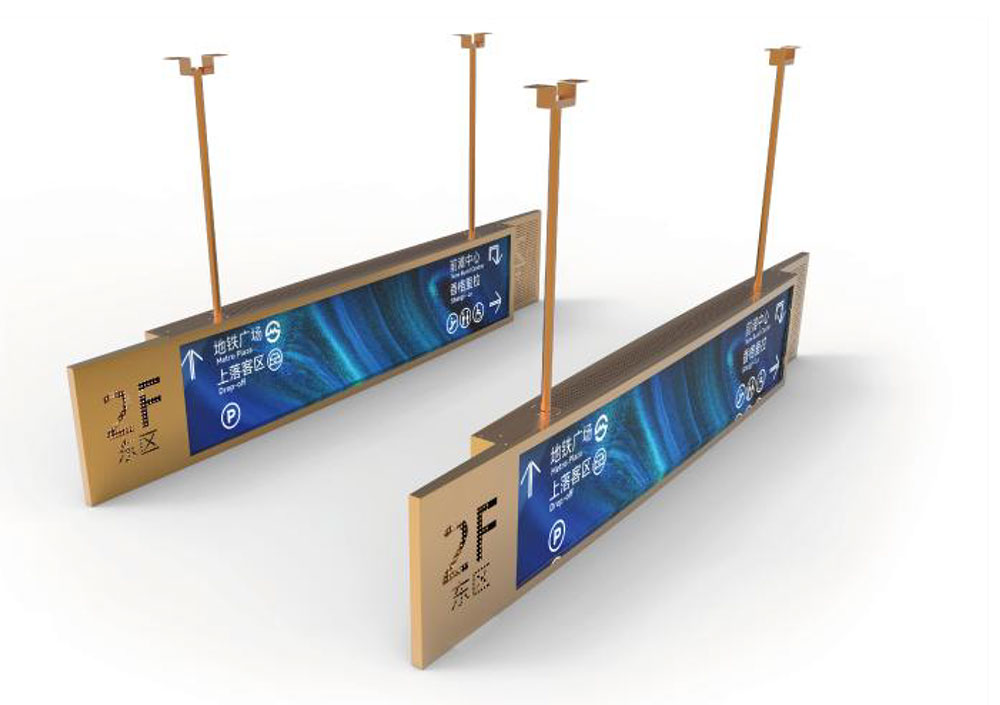
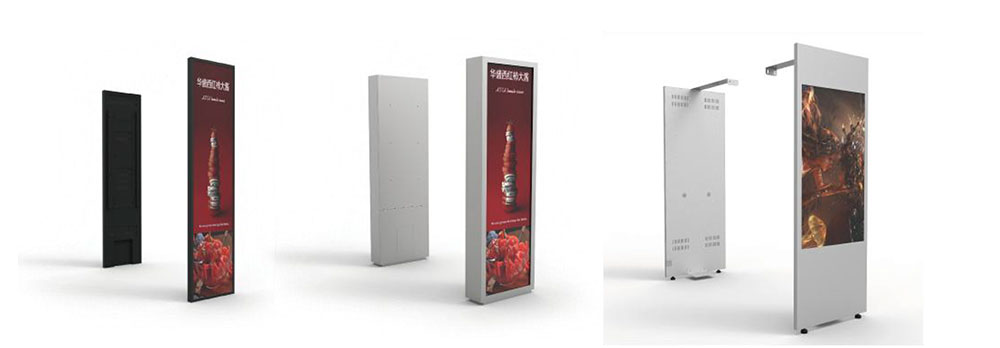
- Public infrastructure and digital signage: High-brightness outdoor signage with automatic dimming for transit hubs and civic spaces.
Working With HITULCD: From Specification to Shipment
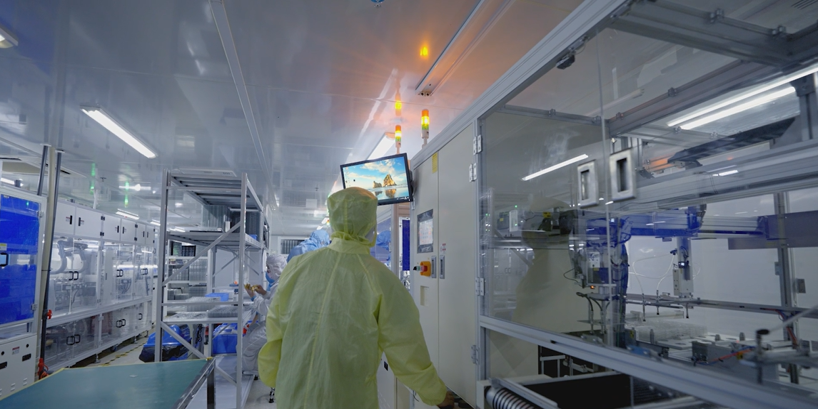
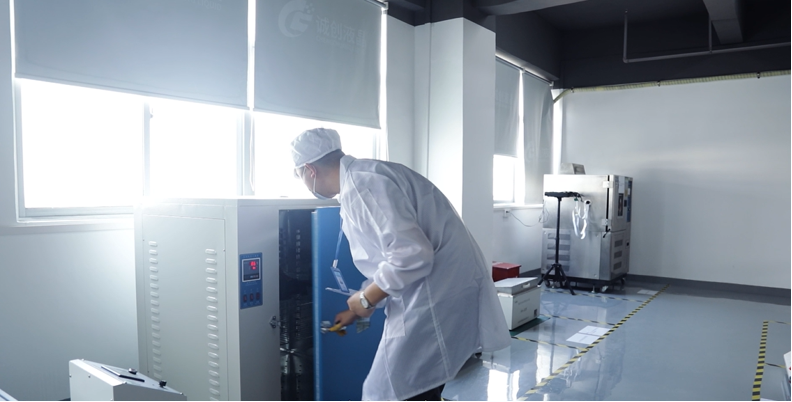
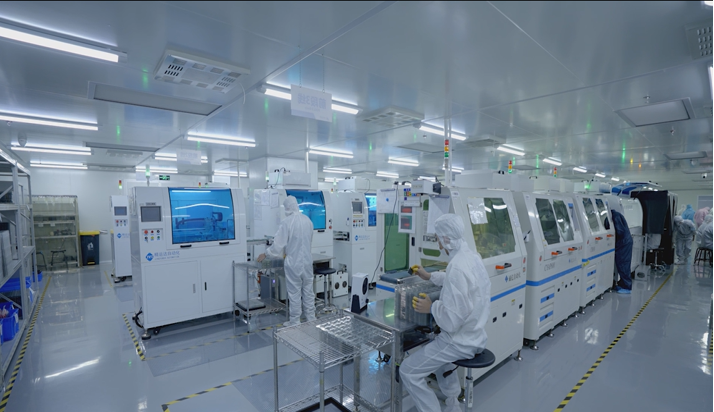
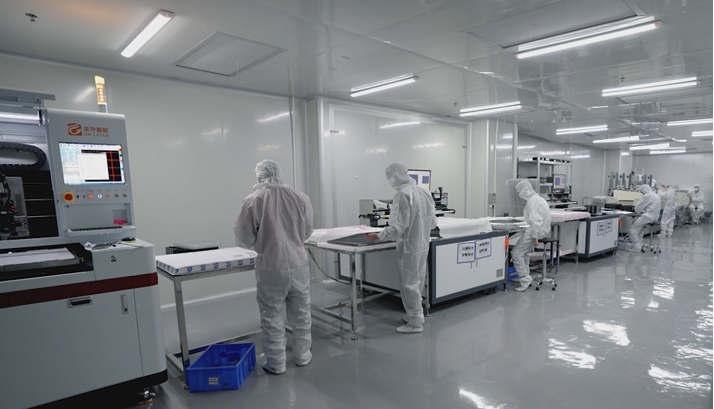
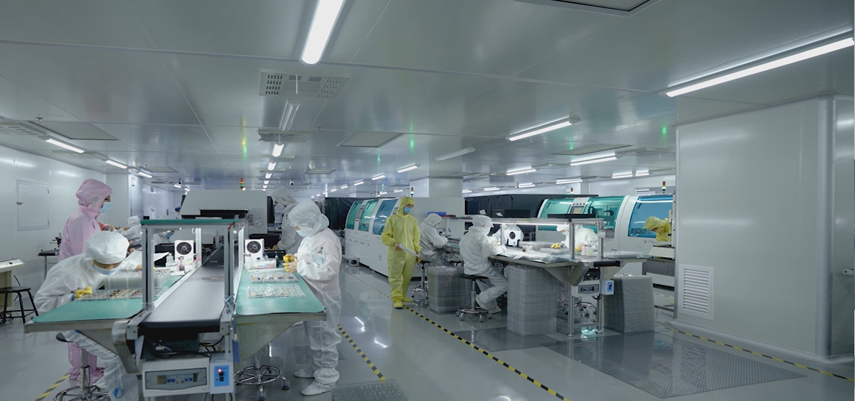
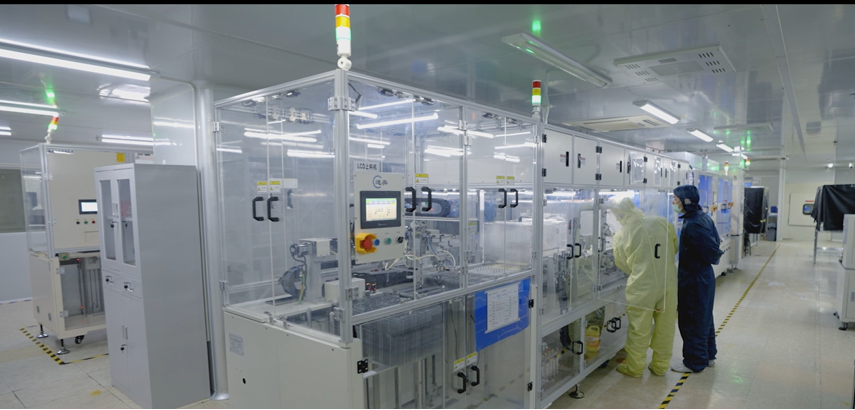
We partner with Australian OEMs across the full lifecycle. Engagement typically begins with an application review covering target brightness, environmental envelope, enclosure integration, and the certification scope your end market demands. We then supply engineering samples with full datasheets, declaration documentation, and pre-compliance test reports to support your RCM registration and safety file. Volume production is backed by ISO 9001 quality control, long-term component availability to protect your product's service life, and local logistics planning to meet Australian lead-time and warranty expectations.
Conclusion
Succeeding in the Australian market is not only about surviving the sun and heat; it is about pairing proven high-brightness display performance with the right certificates so your equipment clears compliance and earns buyer trust. HITULCD combines engineering built for Australian extremes with documented support for RCM, electrical safety, IP ingress, and sector-specific schemes, giving Australian equipment manufacturers a display partner ready for the demands of the continent. Contact our technical team to scope a solution for your next project.
KEYWORDS: high-brightness LCD Australia, RCM certification display, sunlight readable industrial LCD, Australian equipment manufacturers, IP65 optically bonded panel