Why Australian Engineers Are Rethinking Bar LCD Displays
Across Australia, engineering teams in transport, retail, industrial automation, and smart infrastructure are hitting a familiar wall: standard rectangular panels no longer fit the spaces they design for. Narrow shelf edges, elongated dashboards, overhead passenger information rails, and slim machine fascias all demand a display with an unusual aspect ratio. This is where the bar LCD display, often called a stretched or ultra-wide bar-type panel, has become an essential tool. At HITULCD, we work closely with Australian engineers to deliver custom LCD display solutions that are purpose-built for these demanding form factors, with the brightness and durability the local environment requires.
Understanding the Bar LCD Display Form Factor
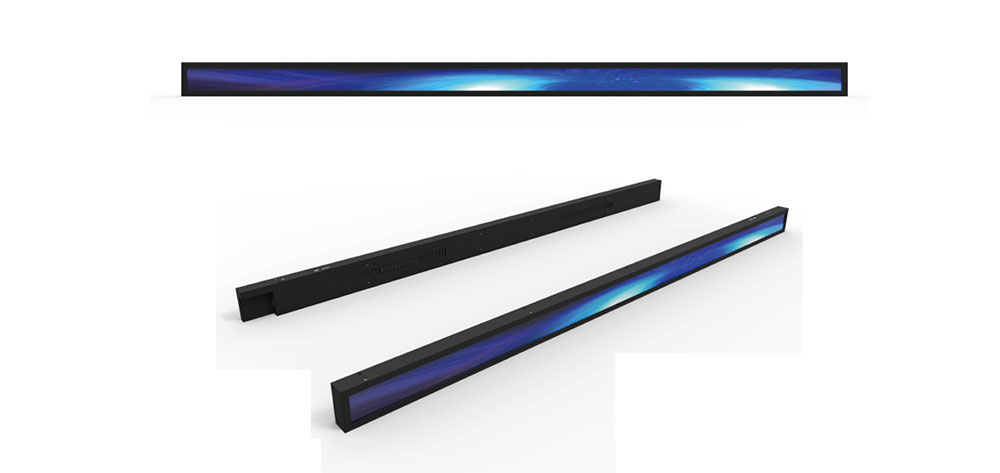
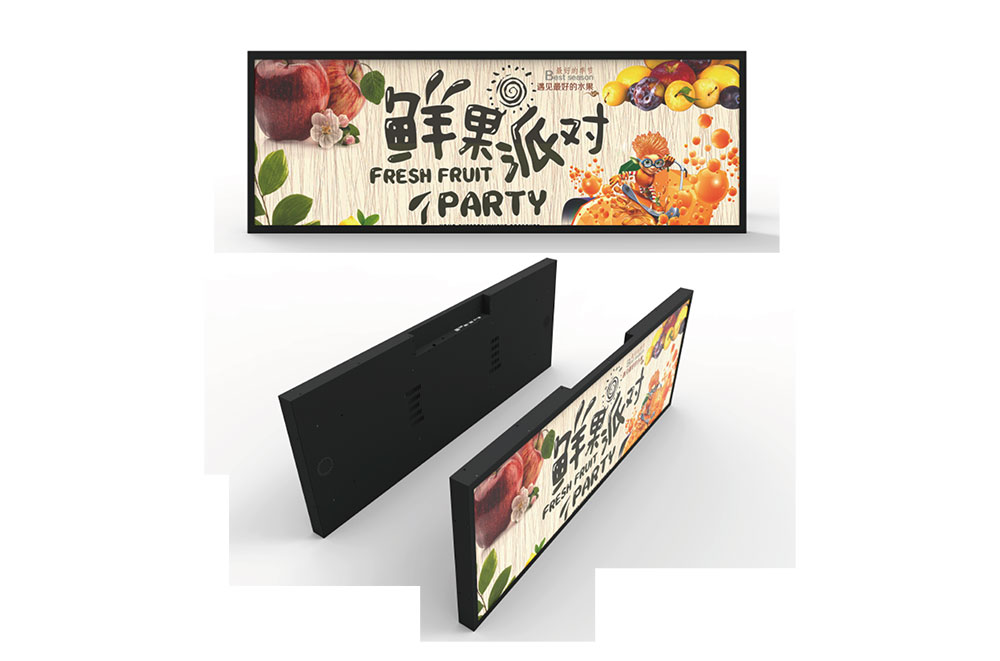
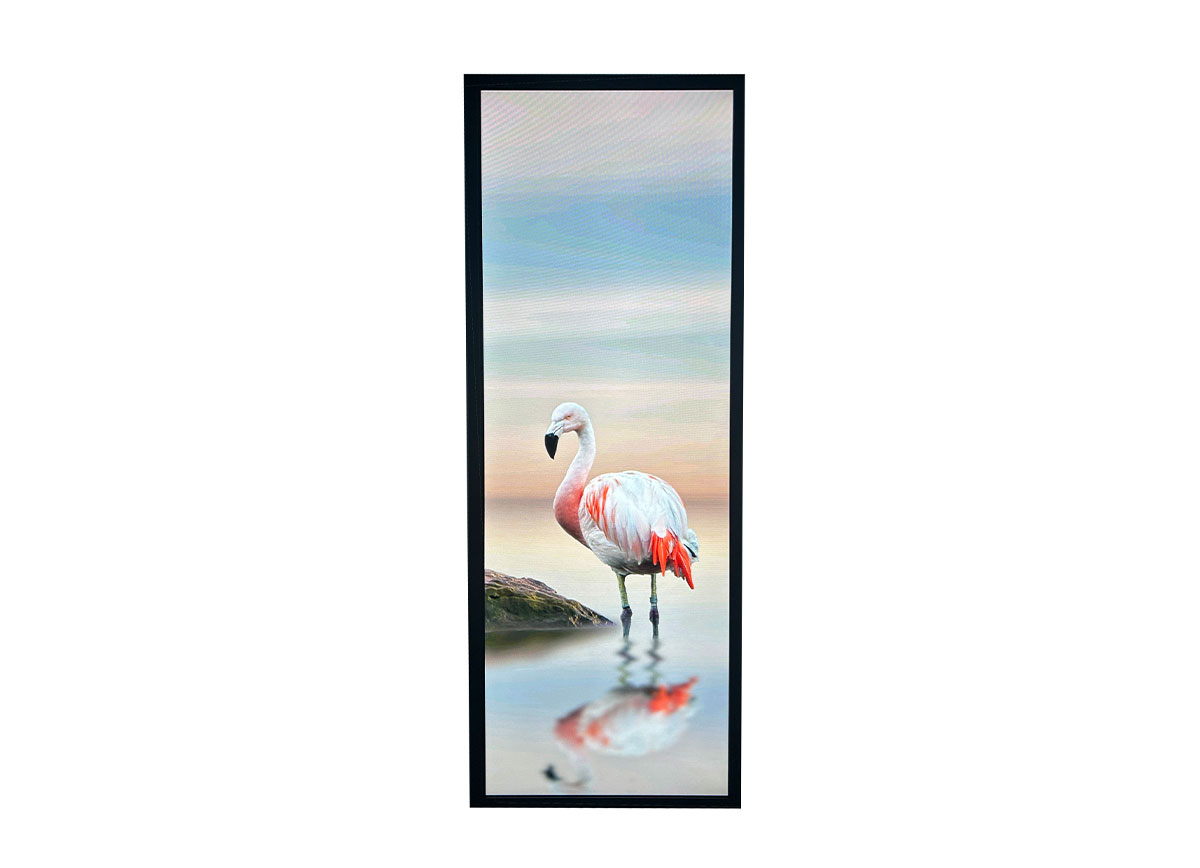
A bar LCD display is a panel with an elongated aspect ratio, commonly 16:4.5, 24:9, or even more extreme ratios approaching 32:9. Instead of cutting down a standard panel and wasting glass, a true bar LCD is engineered with its backlight, driver circuitry, and polariser layout optimised for the long, slim geometry. The result is a seamless image across the full length of the display with uniform brightness and no dead zones at the edges.
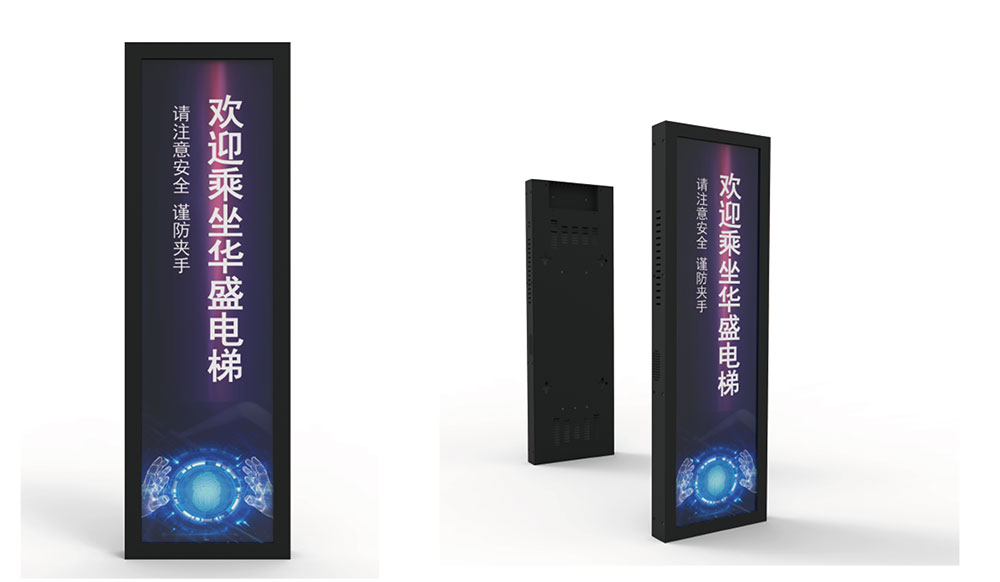
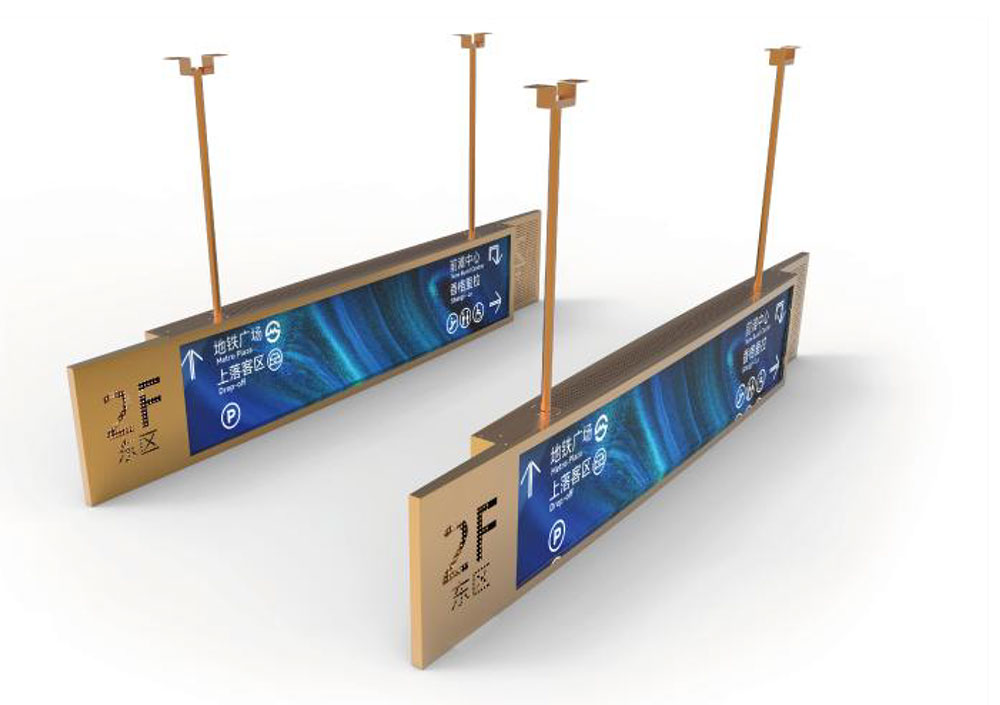
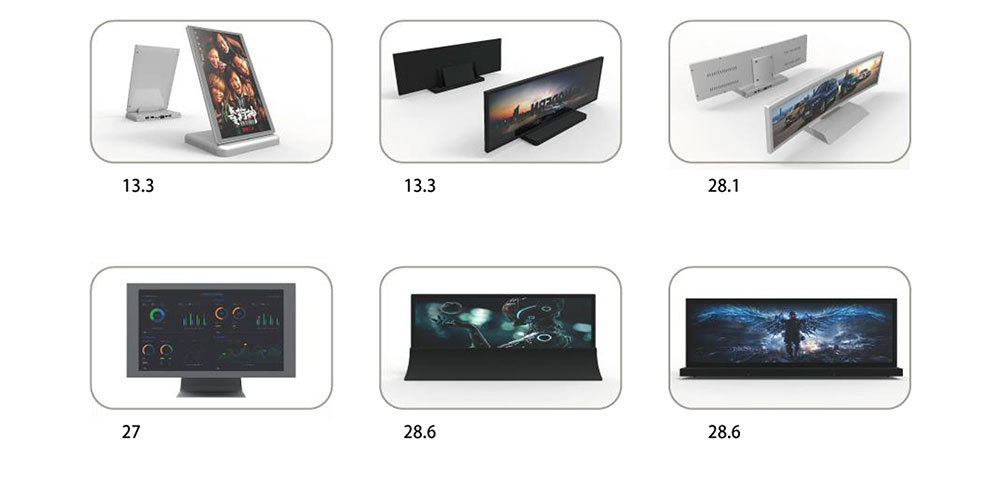
For Australian engineers, the appeal is practical. A bar display slots into spaces where a conventional 16:9 panel would never fit: the fascia of a vending machine, the ticket rail above a train door, the shelf edge of a supermarket aisle, or the control strip of an agricultural machine. The form factor is the whole point, and getting it right requires a manufacturer who treats the ratio as a design input rather than an afterthought.
The Australian Environment Demands High Brightness
Australia presents a lighting challenge that few other markets match. Direct sunlight across much of the country regularly pushes ambient light above 50,000 lux, and outdoor or semi-outdoor installations in Queensland, Western Australia, and the Northern Territory routinely sit in full sun for most of the day. A standard panel rated at 250 to 400 nits simply washes out under these conditions, leaving passengers, shoppers, and operators squinting at an invisible screen.
This is why HITULCD builds its bar LCD displays with high-brightness backlights ranging from 1000 to 2500 nits, with sunlight-readable options available on request. We pair the high-brightness backlight with optical bonding and anti-reflective treatments to cut surface glare, so the image stays legible even when the sun is at its harshest. For Australian engineers specifying displays for bus stops, ferry terminals, drive-through menu boards, and outdoor kiosks, brightness is not a luxury. It is the difference between a product that works and one that gets returned.
Heat, Humidity, and the Case for Industrial-Grade Design
High brightness generates heat, and the Australian climate adds its own thermal load. A display installed behind glass in a sealed enclosure in Darwin can face internal temperatures well beyond what a consumer panel is rated for. HITULCD addresses this with wide operating temperature ranges, typically -20°C to +70°C, and with thermal management designed into the backlight assembly rather than bolted on later.
Coastal humidity and salt air along Australia's extensive shoreline also attack unprotected electronics. Our custom bar LCD displays can be specified with conformal-coated driver boards, sealed bezels, and IP-rated front surfaces so the panel survives marine and semi-outdoor deployments. These are the details that separate a lab prototype from a product that lasts years in the field.
Why Custom LCD Display Matters More Than Off-the-Shelf
Many engineers begin a project assuming they can source a standard panel and adapt their enclosure around it. In practice, the bar form factor rarely cooperates. The mounting holes land in the wrong place, the flex connector exits the wrong side, the interface is HDMI when the system needs LVDS or MIPI, and the brightness falls short of what the site demands. Each compromise ripples through the mechanical and electrical design.
A custom LCD display reverses that dynamic. HITULCD lets Australian engineers specify the active area, aspect ratio, brightness, interface, touch technology, connector position, and mounting scheme from the outset. We can integrate capacitive touch for interactive kiosks, adjust the cover glass thickness for vandal resistance, and tune the backlight for a specific power budget. The display is built around the application rather than the application being bent around the display.
Common Australian Applications We Support
- Public transport: passenger information bars above train and tram doors, bus route displays, and platform signage that stays readable in daylight.
- Retail and advertising: shelf-edge displays, promotional bars, and drive-through menu boards for the quick-service sector.
- Industrial and agricultural machinery: slim control fascias and status strips that fit into existing panel cut-outs on equipment used across remote operations.
- Smart building and lift displays: elevator information bars and wayfinding strips in commercial towers.
- Gaming and leisure: topper and feature bars for the amusement and hospitality industries.
Interface and Integration Considerations
Australian engineering teams often integrate bar displays into existing control systems, so interface flexibility matters. HITULCD supports LVDS, MIPI DSI, eDP, and HDMI inputs, and we can supply the display as a bare panel, a panel with a driver board, or a complete display module ready to connect. For projects running on single-board computers or embedded controllers, we provide the timing specifications and connector pinouts up front so firmware teams can plan their integration without guesswork.
Touch integration is equally important for interactive deployments. Projected capacitive touch can be laminated across the full bar surface, calibrated for gloved operation in industrial settings or for high-sensitivity use in retail. We validate the touch controller against the chosen cover glass thickness, because a touch stack that works at 1.1mm glass will not behave the same at 4mm anti-vandal glass.
Longevity, Supply, and Local Support
One of the quiet frustrations for Australian engineers is end-of-life risk. A display chosen today may need to ship as a spare part in five years. HITULCD commits to long-term availability on its bar LCD product lines and provides clear notice before any component change, so your bill of materials stays stable through the product lifecycle. We also support the certification work that Australian deployments require, supplying the documentation needed for electrical safety and electromagnetic compatibility compliance.
Partnering with HITULCD on Your Next Bar Display Project
The need for bar LCD displays among Australian engineers is not a passing trend. It reflects a design reality where space is constrained, sunlight is unforgiving, and standard panels fall short. By treating brightness, environmental resilience, interface flexibility, and the elongated form factor as core engineering requirements rather than optional extras, HITULCD helps Australian teams ship products that perform in the field from day one. Whether you need a sunlight-readable passenger information bar, a rugged machine fascia, or an interactive retail strip, a custom bar LCD display built to your specification is the surest path from concept to reliable deployment.
KEYWORDS: bar LCD display, custom LCD display, high brightness LCD, Australian engineers, sunlight readable display