Stretched bar LCD displays, often called bar-type or ultra-wide displays, have become a defining format in modern visual communication. Their extended aspect ratios and slim profiles make them ideal for shelf edges, transit vehicles, elevators, gaming machines, and industrial control panels where a conventional 16:9 screen simply will not fit. At HITULCD, we engineer custom stretched bar LCD displays and ruggedized industrial bar LCD display modules that deliver high brightness, long operating life, and reliable performance in demanding environments. This guide explains the technology, the customization options, and the engineering considerations that matter when you specify a bar LCD for your application.
What Is a Stretched Bar LCD Display?
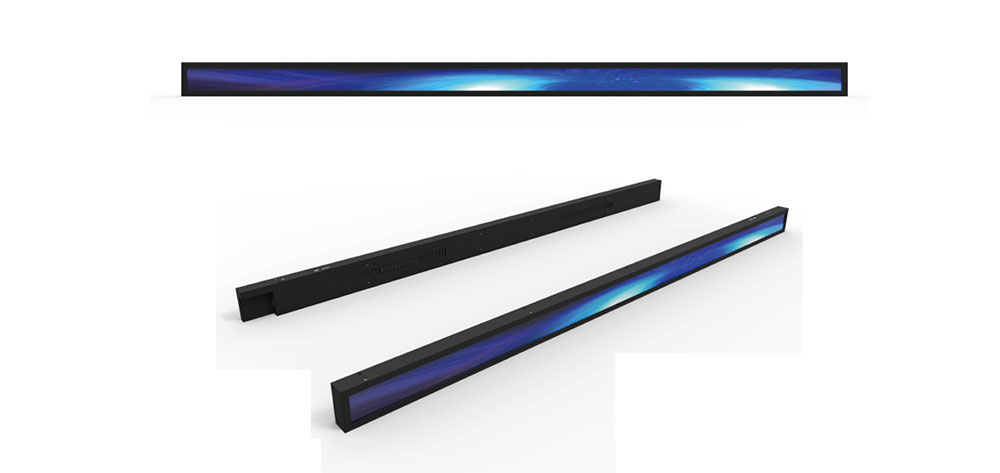
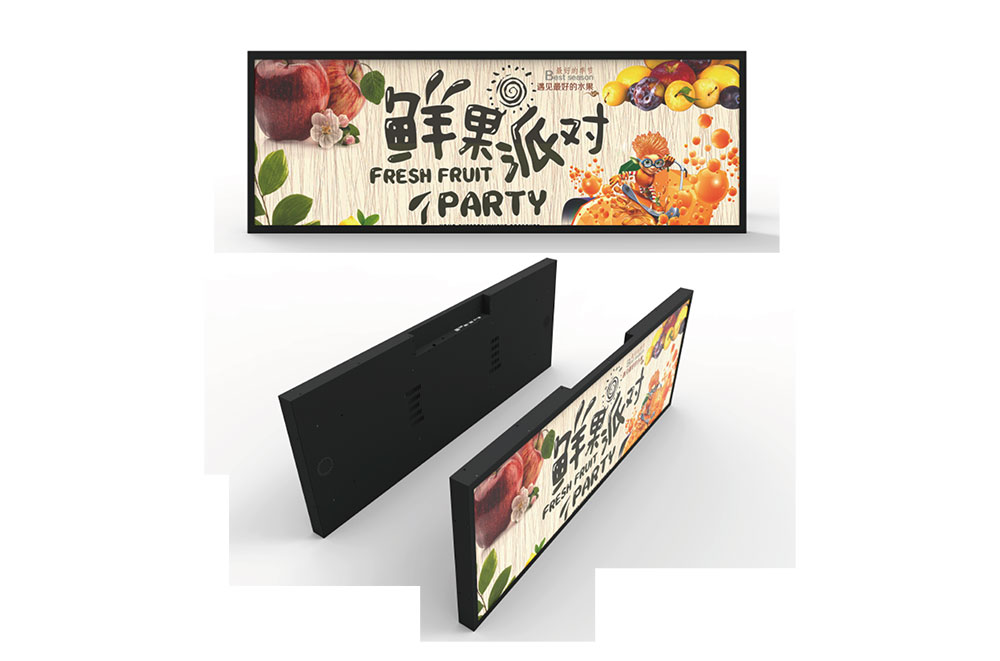
A stretched bar LCD display is a panel with an aspect ratio far wider or taller than standard, commonly 16:3, 16:4.5, 16:6, or similar elongated formats. These panels are produced either as native cut-to-size glass or by cutting a standard mother glass down to a bar shape and re-bonding the backlight, driver, and polarizers. The result is a long, narrow display that fits spaces where traditional monitors cannot, while still presenting crisp text, graphics, and full-motion video.
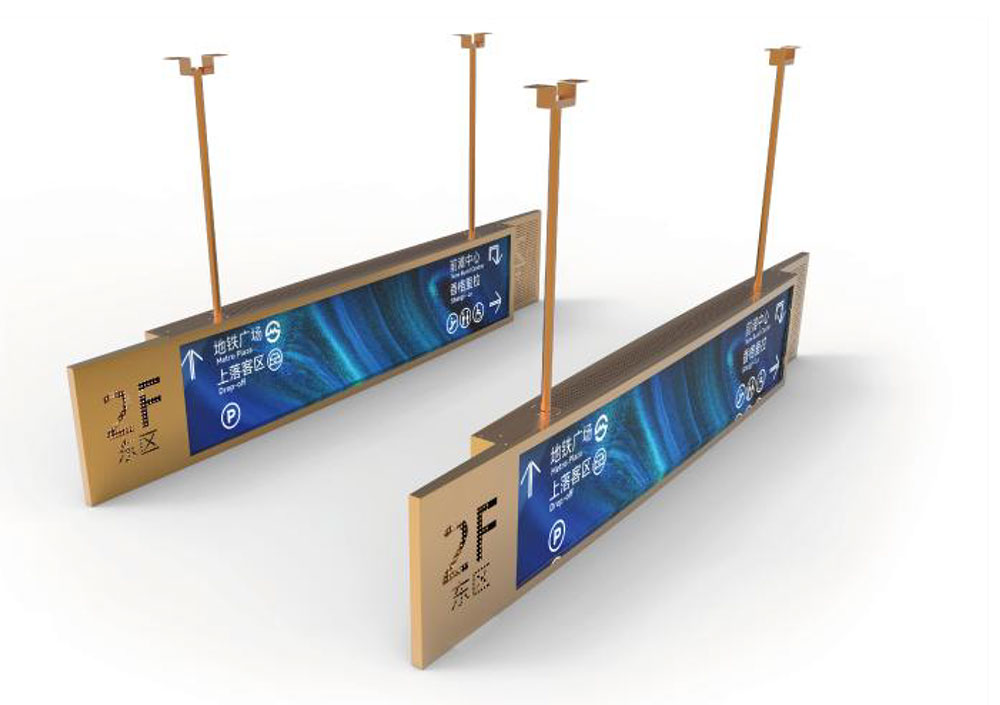
The term "bar LCD" is used interchangeably with stretched display, strip display, and shelf-edge display. The common thread is a non-standard, elongated active area optimized for a specific mounting location rather than general-purpose viewing.
Standard Panel vs. Industrial Bar LCD Display
Consumer-grade stretched displays are built for climate-controlled retail interiors with predictable duty cycles. An industrial bar LCD display is a different class of product. It must survive wide temperature ranges, vibration, dust, continuous 24/7 operation, and in many cases direct or semi-direct sunlight. The key differentiators we build into industrial-grade bar panels include:
- High brightness: 1000 to 2500 nits for sunlight-readable outdoor and semi-outdoor use, versus 300 to 500 nits for indoor consumer units.
- Wide operating temperature: typically -30°C to +85°C storage and -20°C to +70°C operating, achieved with industrial-grade LCD cells and temperature-compensated backlights.
- Extended lifetime LED backlights: 50,000 hours or more, with constant-current drivers and thermal management to protect the LEDs.
- Robust bonding: optical bonding to eliminate the air gap, reduce internal reflection, improve contrast in bright ambient light, and strengthen the glass against shock.
- Long-term availability: stable component sourcing so a design does not have to be re-qualified every production cycle.
Core Technologies Behind High-Brightness Bar LCDs
Backlight Design
Brightness is driven primarily by the LED backlight. For high-brightness bar displays we use high-efficacy LED arrays with careful optical diffusion to maintain luminance uniformity across a long active area. Uniformity is harder to achieve on a stretched panel because the light has to travel further along the light guide, so edge-lit designs are tuned with graduated dot patterns, and larger formats may use direct-lit zones. Dynamic dimming and ambient light sensors let the display reduce power and heat when full brightness is not required.
Thermal Management
High brightness means high heat. In an industrial bar LCD display, sustained luminance can degrade both the liquid crystal and the LEDs if heat is not removed. We address this with aluminum back housings that act as heat sinks, internal airflow channels, and in sealed sunlight-readable units, conductive thermal pads that move heat from the backlight to the enclosure. Thermal design directly determines how long the panel holds its rated brightness and color.
Optical Bonding and Readability
Optical bonding fills the gap between the cover glass or touch sensor and the LCD cell with a clear resin or liquid adhesive. This reduces the reflections that wash out a screen in bright light, improves effective contrast, prevents internal condensation, and adds mechanical strength. For bar displays mounted in transport vehicles or outdoor kiosks, bonding is often the single most important upgrade for real-world readability.
Touch Integration
Projected capacitive (PCAP) touch can be laminated onto stretched panels for interactive wayfinding, self-service, and control applications. On elongated formats, the touch controller firmware must be tuned for the unusual aspect ratio, and the sensor stack can be specified for glove operation, thick cover glass, or water rejection depending on the environment.
Customization Options
Customization is where a bar LCD project succeeds or fails. Because these panels are purpose-built for a location, the specification should start from the installation, not from a catalog. HITULCD supports customization across the following dimensions:
- Size and aspect ratio: active area and ratio cut to match the physical opening.
- Brightness: selected for the ambient light at the install site, from standard indoor to full sunlight readable.
- Interface: LVDS, eDP, MIPI, or integrated controller boards with HDMI, DisplayPort, USB, or network media player inputs.
- Cover glass and bezel: anti-glare, anti-fingerprint, custom printing, and tailored mechanical mounting.
- Enclosure and ingress protection: IP-rated housings for dusty or wet environments.
- Orientation: landscape bar for shelf edges or portrait bar for pillars and door frames, with firmware set for the correct rotation.
Typical Applications
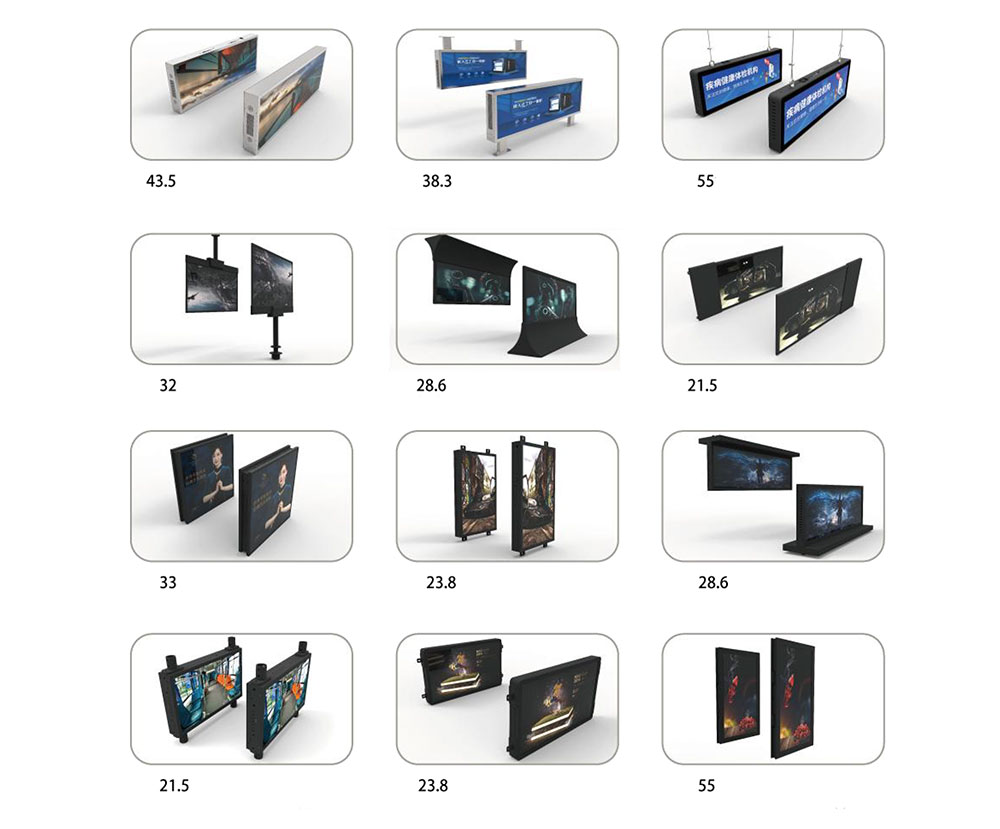
Stretched and industrial bar LCD displays appear across many sectors:
- Retail: shelf-edge pricing, promotional strips, and point-of-purchase messaging.
- Transportation: bus, train, and metro passenger information displays that must be legible and vibration-tolerant.
- Elevators and buildings: narrow door-side panels for news, advertising, and status.
- Gaming and amusement: top-box and topper displays on slot and arcade machines.
- Industrial control: status bars and HMI strips integrated into machinery and process lines.
- Smart offices and signage: meeting-room schedulers and wayfinding columns.
How to Specify a Bar LCD Display
To scope a custom project efficiently, define these parameters early:
- Measure the physical opening and determine the required active area and aspect ratio.
- Characterize the ambient light to set a brightness target in nits.
- Define the environment: temperature range, dust, moisture, and vibration.
- Choose the signal interface and whether an onboard media player is needed.
- Decide whether touch, optical bonding, and a sealed enclosure are required.
- Confirm the expected duty cycle and target service life.
With these inputs, a supplier can recommend a native-cut or custom-cut panel, the right backlight, and the correct thermal and mechanical design.
Why Partner with HITULCD
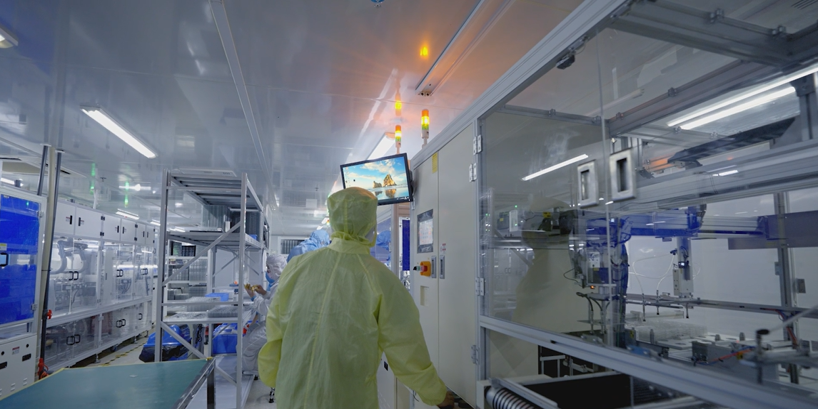
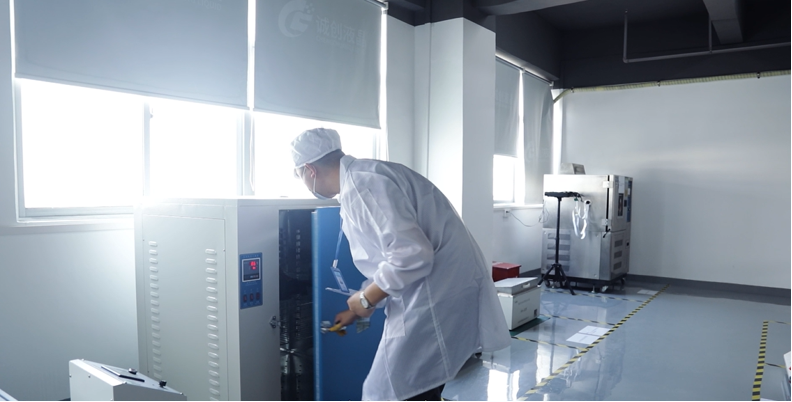
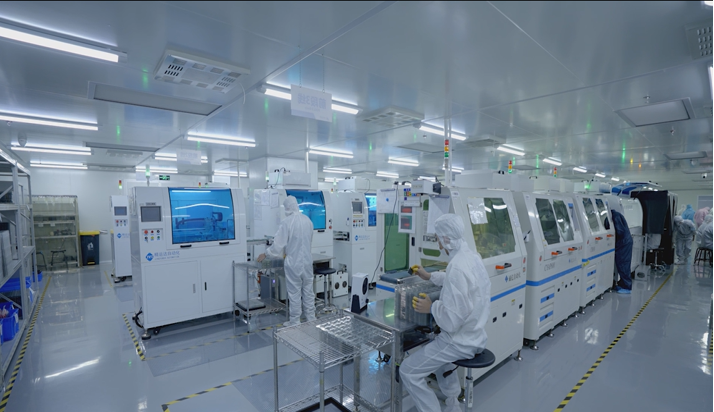
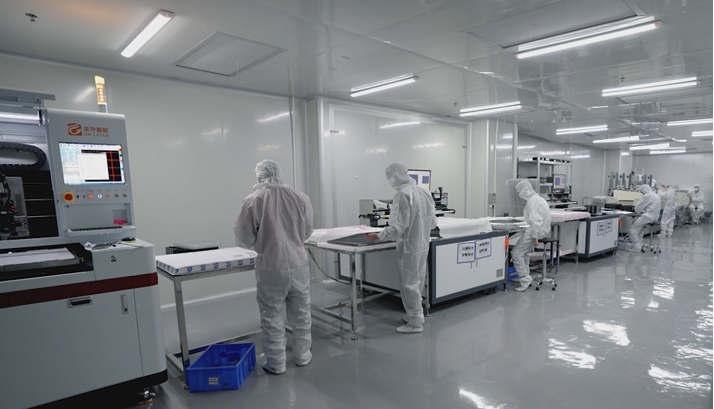
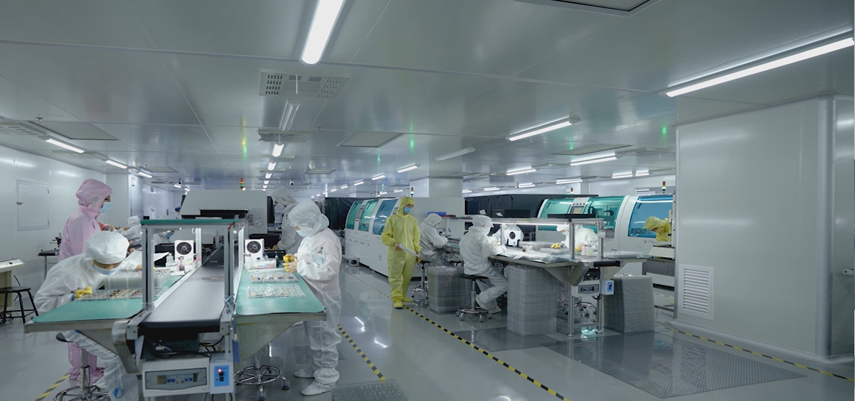
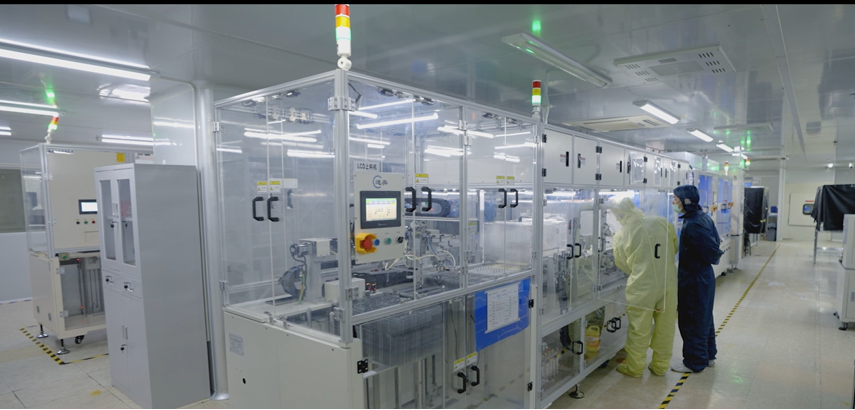
HITULCD designs and manufactures high-brightness and industrial-grade LCD solutions, including custom stretched bar LCD displays built to order. We combine panel engineering, backlight tuning, optical bonding, and thermal design under one roof, which shortens development cycles and keeps performance accountable to a single team. From a single-bay shelf strip to a sunlight-readable transit display, our engineering support helps you match the panel to the environment rather than forcing the environment to accept a stock screen.
Conclusion
Custom stretched bar LCD displays and industrial bar LCD display modules solve a problem that standard screens cannot: delivering clear, bright, durable visuals in long, narrow spaces and tough environments. Success depends on treating brightness, thermal management, bonding, and mechanical fit as a connected system. Specify from the installation outward, and you get a display that stays readable and reliable for its full service life.
KEYWORDS: custom stretched bar LCD displays, industrial bar LCD display, high brightness bar LCD, stretched LCD panel, bar type LCD display