Why Sunlight Readable Touch Screen Monitors Matter Outdoors
Standard displays wash out the moment direct sunlight hits the screen. In the UK, where outdoor kiosks, marine bridges, industrial yards, and transport hubs all demand reliable visibility, a sunlight readable touch screen monitor is not a luxury. It is the difference between an interface that works and a black mirror. At HITULCD we build high-brightness LCDs specifically for these conditions, so this guide draws on the real engineering that separates a usable outdoor display from a disappointing one.
The core metric is brightness, measured in nits (cd/m²). Indoor monitors typically deliver 250 to 400 nits. Outdoor sunlight readable units start around 1000 nits and climb to 2500 nits or more. Brightness alone is not enough, though. Contrast under ambient light, optical bonding, anti-glare treatment, wide operating temperature range, and a touch layer that survives gloves, rain, and UV all decide whether a monitor performs on a bright British afternoon.
What Makes a Monitor Truly Sunlight Readable
Before ranking the top five, it helps to understand the specifications that count. Marketing terms like "high bright" mean little without numbers behind them.
- Peak brightness: Aim for 1000 nits minimum for shaded outdoor use and 1500 to 2500 nits for direct sunlight.
- Optical bonding: Filling the air gap between the LCD and cover glass with clear resin cuts internal reflections, sharpens contrast, and stops condensation forming inside the panel.
- Anti-glare and anti-reflective coatings: These reduce mirror-like reflections so content stays legible at wide viewing angles.
- Touch technology: Projected capacitive (PCAP) offers a smooth glass surface and multi-touch, while resistive touch works with any object. For UK outdoor use, PCAP with a water-rejection algorithm handles rain well.
- Ingress protection: Look for IP65 or higher on the front bezel to resist dust and driven rain.
- Operating temperature: A range of -20°C to +60°C covers UK winters and heat-soaked summer enclosures.
- Auto-dimming: A light sensor that raises brightness in sun and lowers it at night saves power and extends backlight life.
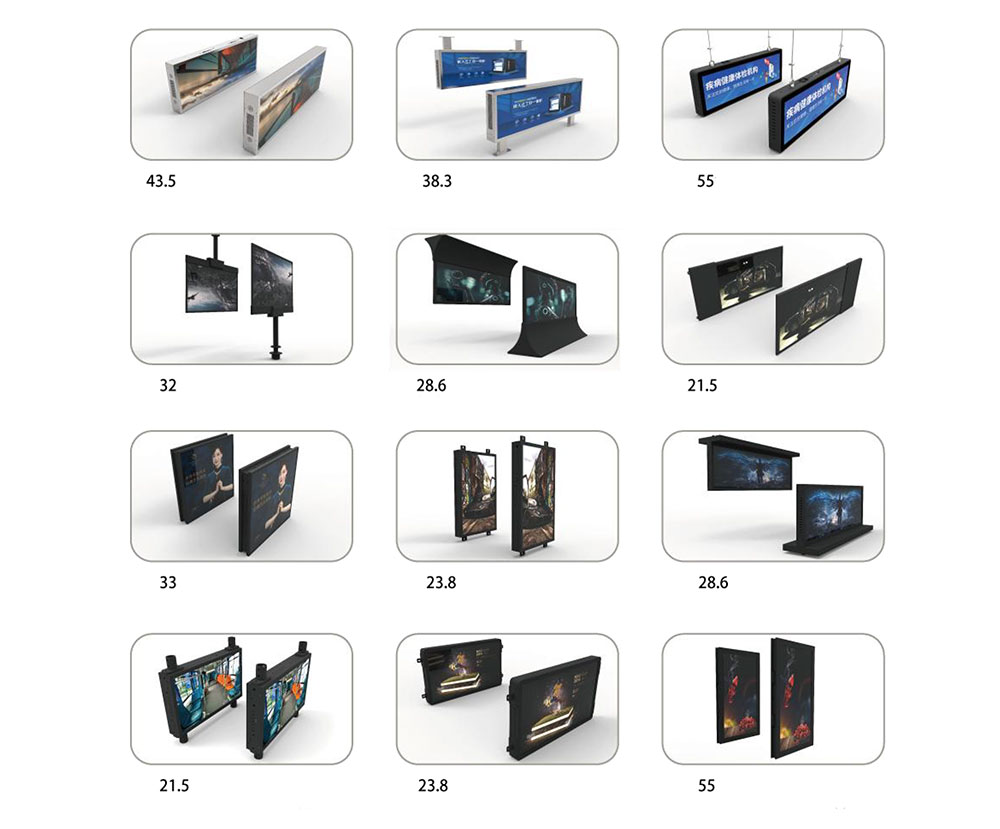
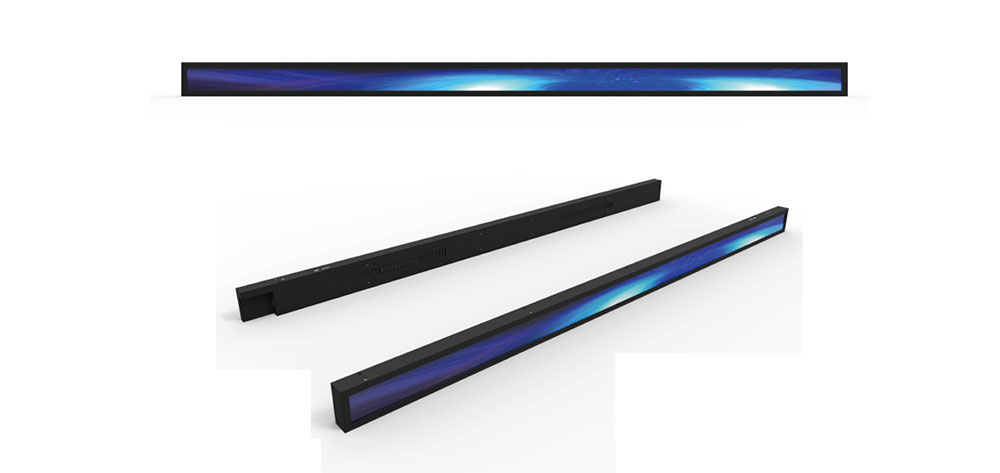
1. HITULCD Pro Outdoor Series 21.5" (2000 nits)
Our flagship for demanding UK deployments, the Pro Outdoor Series pairs a 2000-nit Full HD panel with full optical bonding and a bonded PCAP touch layer. The anti-reflective front glass keeps text crisp even under midday sun, and the water-rejection touch firmware ignores rain droplets so users are not fighting phantom taps during a downpour.
With an IP66-rated front bezel, an operating range of -30°C to +70°C, and an integrated ambient light sensor for automatic brightness, it suits transport information points, ticketing kiosks, and marine bridge consoles. Sizes scale from 10.1" up to 55" on the same platform, which makes it easy to standardise across a fleet of installations.
2. Industrial Wide-Temp Panel PC 15.6"
Built for factory yards, ports, and construction sites, this fanless panel PC combines a 1500-nit display with a sealed, resistive touch front that responds to thick work gloves. The absence of moving parts means dust and vibration have nowhere to cause trouble, a real advantage in heavy industrial UK environments.
Optical bonding prevents internal fogging when a warm enclosure meets a cold morning, and the rugged aluminium chassis dissipates heat without active cooling. It is a dependable choice where maintenance access is limited and uptime is critical.
3. Marine-Grade Sunlight Readable Display 24"
Designed for the harsh salt-air conditions around UK coastlines and offshore platforms, this 24" monitor delivers 2500 nits with an anti-glare optically bonded surface. The housing uses corrosion-resistant coatings, and the PCAP touch works reliably through sea spray thanks to advanced palm and water rejection.
Dimmable to near-zero for night watch, it protects crew night vision on darkened bridges while still punching through direct sun during the day. Sunlight legibility and wide viewing angles make it a strong fit for navigation and vessel monitoring roles.
4. Retail and Signage Outdoor Kiosk Monitor 32"
For high-street displays, drive-through ordering, and outdoor wayfinding, this 32" unit balances a bright 1500-nit panel with a slim, weather-sealed bezel. The PCAP glass is toughened against knocks and vandalism, and an anti-fingerprint coating keeps the surface clean in high-traffic public spaces.
Its auto-brightness sensor manages the full swing from bright noon to dusk, keeping content readable while controlling running costs. Landscape or portrait mounting suits most UK kiosk enclosures without custom engineering.
5. Compact Sunlight Readable Monitor 10.1"
Where space is tight, such as on vehicle dashboards, agricultural machinery, and portable test rigs, this compact 10.1" model provides 1000 nits with optical bonding and a responsive multi-touch surface. It draws modest power, accepts wide-range DC input, and tolerates vibration, making it a practical embedded choice.
Despite its size, it does not compromise on legibility, and the bonded touch layer holds up to outdoor moisture and temperature swings across the seasons.
How to Choose the Right Monitor for Your UK Application
Start with the light environment. Fully exposed installations facing south need 2000 nits or more, while shaded or canopied positions manage well at 1000 to 1500 nits. Next, match the touch technology to the user: PCAP for smooth public interaction, resistive for gloved industrial hands. Confirm the IP rating covers your exposure to rain and dust, and verify the operating temperature range against both winter cold and enclosure heat build-up.
Finally, think about lifecycle. Optical bonding and auto-dimming extend backlight longevity and reduce failures from condensation, which lowers total cost of ownership over years of outdoor service. A slightly higher upfront spend on a properly engineered display usually pays back through fewer replacements and less downtime.
Final Thoughts
The best outdoor sunlight readable touch screen monitor is the one specified correctly for its site. For UK conditions, prioritise verified nit ratings, optical bonding, a weather-sealed touch layer, and a wide temperature range. Each of the five options above targets a distinct use case, from marine bridges to high-street kiosks. If you would like help sizing brightness or selecting touch technology for a specific project, the HITULCD engineering team can advise on the right configuration.
KEYWORDS: sunlight readable touch screen monitor, outdoor monitor UK, high brightness LCD, optical bonding display, sunlight readable display