Introduction
Australian mining is one of the most demanding environments for electronics. Open-cut iron ore operations in the Pilbara regularly see ambient temperatures above 45 °C, and cabin surfaces or dashboard-mounted electronics under direct sun can exceed 80 °C. Gold and nickel operations in Western Australia, coal mines in Queensland and the Hunter Valley, and underground operations at depth all add dust, vibration, moisture and wide thermal swings. In the Tanami and Simpson regions, desert nights can drop close to freezing even after a scorching day.
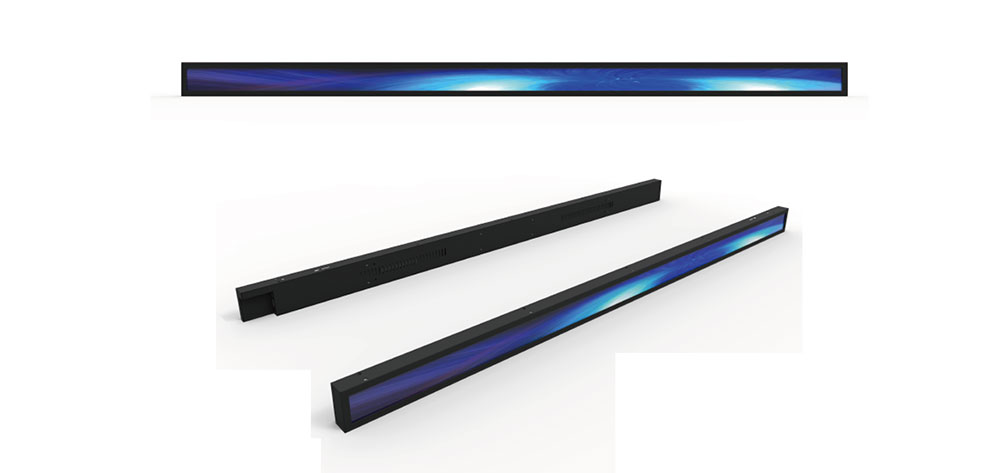
In this setting, bar-type LCD displays (stretched, elongated panels, often with aspect ratios of 16:3, 24:9 or wider) are increasingly specified for haul trucks, excavators, drills, dozers, loaders, crushers, conveyor control stations and fixed-plant HMIs. This paper explains why wide temperature bar LCDs suit these roles, which engineering parameters matter, how to specify them, and how HITULCD approaches the design of high-brightness, wide temperature bar modules for Australian mining conditions.
1. What a Wide Temperature Bar LCD Is
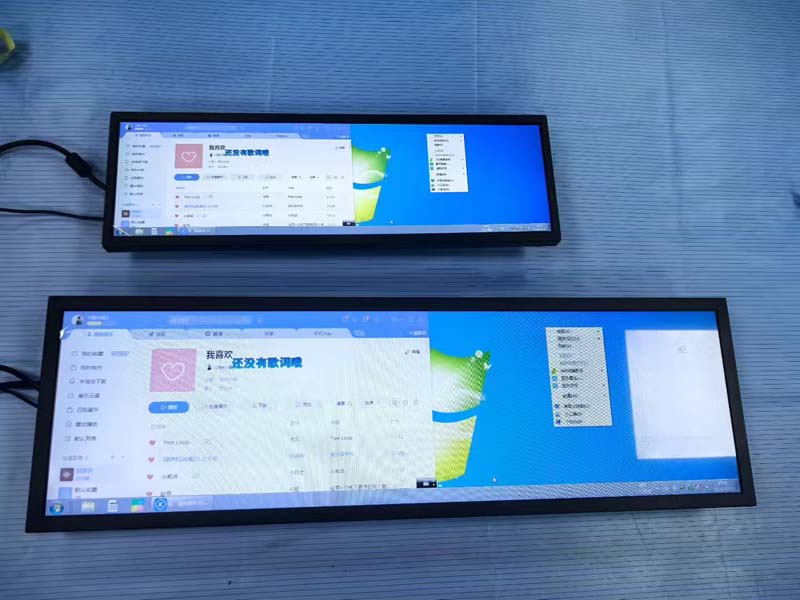
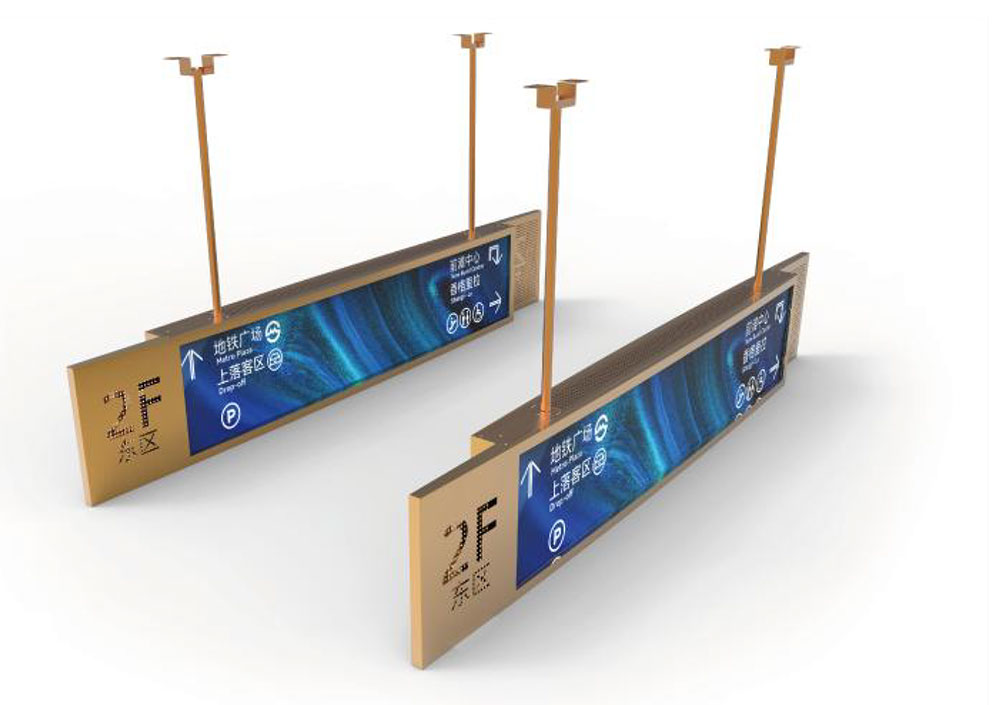
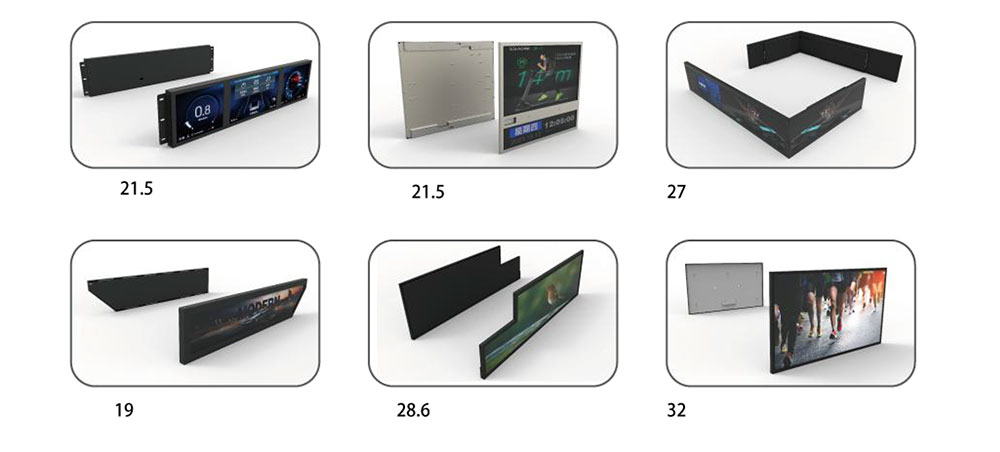
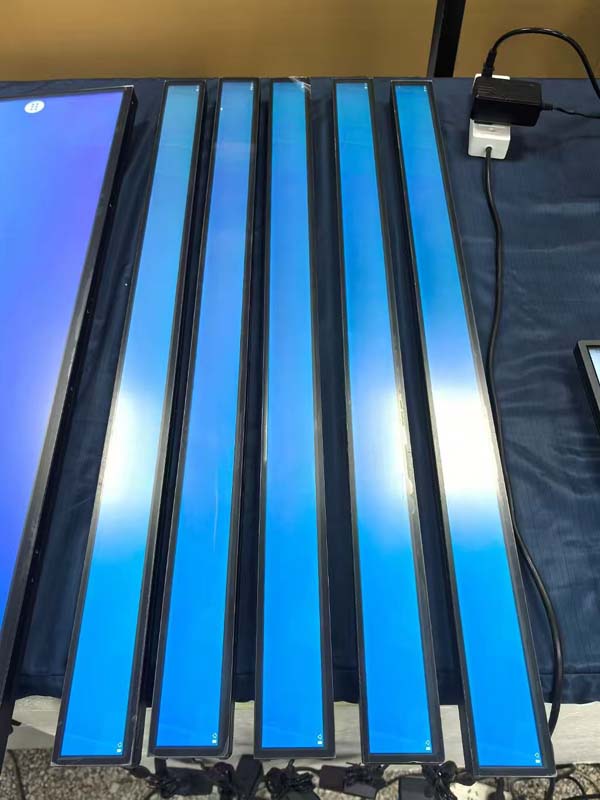
A bar LCD is a long, narrow TFT or segment-style display, typically 12.3, 14.9, 19, 23.1, 24, 28 or 37 inches along the diagonal, with an aspect ratio far from 16:9. In mining equipment, it usually serves as an instrument cluster, a telemetry strip, a payload and fleet-management ribbon, or a camera and proximity-detection display mounted above or below the operator's line of sight.
"Wide temperature" refers to the rated operating and storage range of the whole module, not merely the liquid crystal. A standard commercial LCD is typically rated 0 to 50 °C operating. A true wide temperature industrial module commonly targets -30 °C to +80 °C operating and -40 °C to +85 °C storage. HITULCD designs for these ranges, with variants extending further for specialised use.
2. Why Bar Form Factors Fit Mining Machinery
Cabin geometry: Modern ROPS/FOPS cabs have limited dash and header space. Windscreens are large and sightlines to the working face, bucket or tray must remain clear. A bar display occupies a thin strip along the dash top or A-pillar region without blocking vision.
Information layering: Operators need speed, gear, engine data, payload, tyre pressure and fatigue/proximity warnings at a glance. A bar format allows these to be arranged left to right in a logical sequence, with the most critical alerts centred.
Retrofit flexibility: Fleet owners often upgrade mixed-age equipment. Bar panels can be mounted in custom brackets without replacing the full dash.
Fixed plant: In control rooms and along crusher platforms, bar displays serve as status banners for conveyor loads, silo levels, and alarm states.
3. Thermal Challenges in Australian Mining
3.1 High-temperature operation
At high temperatures, liquid crystal viscosity falls and the clearing point approaches. If the operating temperature nears the clearing point of a standard mixture (often 70–90 °C), the display can show black patches, loss of contrast or permanent damage. Wide temperature LC mixtures are formulated with higher clearing points, typically above 100 °C, to maintain a safe margin.
3.2 Solar loading
Direct sunlight through cab glass heats the front surface. A black polarizer absorbs infrared and visible energy, and a polarizer under strong solar load can reach temperatures far above ambient. Specifying a high-temperature polarizer, optical bonding and, where relevant, IR-rejecting cover glass helps control this. HITULCD uses polarizers rated for sustained high-temperature operation and evaluates thermal behaviour under solar simulation.
3.3 Backlight self-heating
High-brightness modules, commonly 800 to 1,500 nits for in-cab bar displays and 1,500 to 3,000 nits or more for open or sunlit installations, generate significant LED heat. Without proper thermal design, junction temperatures climb and LED lifetime falls steeply. Good designs include metal-core PCBs for the LED arrays, thermal pads to an aluminium chassis, and ambient-sensing dimming or thermal derating that gracefully reduces brightness only when necessary.
3.4 Low-temperature behaviour
At cold temperatures liquid crystal response slows, causing ghosting and sluggish updates, and the backlight may take longer to reach full output. Wide temperature mixtures with low viscosity, plus heater options, maintain legibility. In Australian mining, cold-start conditions occur at night in desert regions and in high-altitude or southern operations, and in underground cold-store or refrigerated environments.
3.5 Thermal cycling
A day-to-night swing of 40 °C or more, repeated daily, stresses solder joints, adhesives, bonding layers and seals. Qualification should include thermal cycling and thermal shock testing, for example -30 °C to +80 °C over multiple cycles.
4. Brightness and Sunlight Readability
Legibility in an open-cut mine is dominated by ambient light. Midday sun delivers well over 100,000 lux. Contrast ratio in sunlight is determined by display luminance relative to reflected ambient light, so a technique mix is needed:
- High luminance: 1,000 nits as a practical minimum for sunlit cabs, higher for open canopies and exposed machinery.
- Optical bonding: Filling the air gap between the LCD and cover glass removes two reflective interfaces, improving contrast and also preventing internal condensation and fogging.
- Anti-reflective and anti-glare coatings: Multi-layer AR coatings reduce surface reflectance to below 1% in good designs, while AG etching reduces specular glare.
- Transflective or enhanced-polarizer options: For low-power vehicle or battery equipment, such designs use ambient light to supplement the backlight.
- Auto-dimming: An ambient light sensor keeps readability by day and prevents glare in night or underground operation, where an overly bright display causes eye fatigue.
5. Mechanical Robustness: Shock, Vibration and Dust
Haul trucks and drills generate severe vibration, often with random profiles across 5 to 500 Hz and occasional shock events during loading, travel over rough haul roads and blasting nearby. Recommended design measures:
- Rigid aluminium chassis and a stiff mid-frame to avoid torsion on long, thin panels. Elongated displays are particularly prone to flexing, so reinforcement and multi-point mounting are essential.
- Optical bonding, which also adds structural support to the glass stack.
- Chemically strengthened cover glass, 2 to 4 mm thick, with optional anti-shatter film.
- Connectors with locking mechanisms and strain relief; board-to-board connectors with retention features.
- Conformal coating of PCBAs to protect against dust, humidity and salt in coastal export-port applications.
- Testing referencing standards such as IEC 60068-2-6 (sinusoidal vibration), IEC 60068-2-64 (random vibration) and IEC 60068-2-27 (shock).
Ingress protection is critical. Fine silica, coal and iron ore dust are abrasive and conductive. Fully sealed front assemblies, gasketed enclosures and rear covers rated to IP65 at the front face (and IP67 where washdown or immersion risk exists) are typical targets. Cooling with fans is generally avoided because they draw in dust; sealed conduction cooling is preferred.
6. Electrical Considerations
Mining vehicles use 12 V and 24 V systems, with significant transients from starter motors, load dumps and alternator behaviour. A bar display should include:
- Wide input voltage range, for example 9 to 36 VDC.
- Surge, load-dump and reverse-polarity protection, in line with ISO 7637-2 and ISO 16750-2.
- Electromagnetic compatibility suitable for environments with large motors, radio systems and GPS/fleet telemetry equipment. Consider CISPR 25 and relevant vehicle EMC requirements.
- Interfaces matching the machine architecture: LVDS, eDP, HDMI, or MIPI at the panel level; CAN bus or serial integration at the system level.
- Support for fast boot and rear-camera or proximity video within a short time of ignition.
7. Optical Quality and Viewing Angles
Operators may view the display from multiple postures and seat positions. IPS-type or advanced wide-viewing-angle technology, typically 170° or better, ensures colours and alerts remain visible without inversion. For safety alerts, a bar layout may use bold red/amber blocks, so uniform colour and stable gamma over temperature are important design checks.
Touch is often avoided on vibrating machines unless gloves are used. When touch is specified, projected capacitive designs with glove and wet-finger modes, or physical buttons and rotary encoders alongside the display, are common practice.
8. Compliance and Standards for the Australian Context
Different operations will refer to different internal and statutory frameworks. Considerations include:
- Environmental testing: IEC 60068 series for temperature, humidity, vibration and shock.
- Ingress: IEC 60529 for IP ratings.
- Vehicle electronics: ISO 16750 and ISO 7637.
- EMC and regulatory marking: RCM (Regulatory Compliance Mark) for equipment supplied to the Australian market, noting applicable EMC requirements.
- Operator safety systems: ISO 15998 and ISO 19296 may be relevant for earth-moving machinery and mining machinery, while the functional safety of any safety-related display functions should be assessed with the machine manufacturer, referencing frameworks like ISO 13849 where applicable.
- Hazardous atmospheres: Underground coal mines, where methane and coal dust are present, require equipment certified for the relevant zone or category, such as IECEx or Ex-certified enclosures. A standard bar LCD is not a substitute for certified equipment in these areas; a display must be integrated into an approved enclosure or purchased as a certified unit.
Customers should confirm current requirements with their site's engineering and regulatory teams, as obligations vary by state, site and application.
9. Typical Applications
Haul truck dash-top bar: A 24-inch-class 1,000+ nit bar display shows payload, speed, brake temperature and fatigue-detection prompts.
Excavator and shovel camera strip: A bar display combines rear, side and bucket camera feeds in a single horizontal strip with low latency.
Drill rig control: Depth, penetration rate, rotation pressure and navigation data share a dust-sealed bar panel on the operator console.
Crusher and conveyor control stations: Bar HMIs display belt speed, motor load, tonnage and alarm status along an operator platform.
Light vehicles and service trucks: Smaller bar displays present telematics, fuel and maintenance information, with compact brackets.
Rail and port loading equipment: Display strips in locomotives, stackers and reclaimers must tolerate outdoor weather, salt and vibration.
10. Specification Checklist for Engineers
When requesting a quote or evaluating a wide temperature bar LCD, define the following:
1. Size, aspect ratio and mounting method.
2. Operating and storage temperature range, with duration at extremes.
3. Required luminance in sunlight, with contrast target.
4. Bonding method, coatings and cover glass thickness.
5. Vibration and shock profile, including test standard.
6. IP rating and cleaning method (pressure wash, wipe-down, abrasive dust).
7. Power input range and transient protection.
8. Video interfaces, CAN integration, boot time and camera inputs.
9. Touch, buttons, or encoder requirements.
10. Certification needs: RCM, EMC, and any hazardous-area requirements.
11. Lifetime target, such as 50,000 hours backlight half-life at defined temperature.
12. Supply continuity and long-term availability of the panel.
11. Lifecycle, Serviceability and Total Cost
Mining equipment operates for 10 to 20 years or more, while consumer-grade panels disappear from the market within a few years. Selecting industrial-grade panel sources, planning for last-time-buy options, and designing mechanically compatible replacements mitigates obsolescence. Serviceability matters in remote sites: modular backlight assemblies, accessible connectors, and clear documentation reduce downtime. The cost of a failed display includes lost machine availability, which can far exceed the component cost, so reliability data such as MTBF projections, burn-in procedures and field failure analysis should inform the purchase decision.
12. How HITULCD Supports Mining Projects
HITULCD develops high-brightness LCD modules and customised bar displays with wide temperature liquid crystal, high-temperature polarizers, optical bonding, thermally optimised LED backlights and ruggedised mechanical structures. Engineering support typically covers:
- Custom bar dimensions and aspect ratios to match cab and console geometry.
- Brightness tuning with thermal management validated by chamber testing.
- Mechanical design for vibration, sealing and bracket integration.
- Driver board options with wide-voltage input, dimming control and common automotive-industrial interfaces.
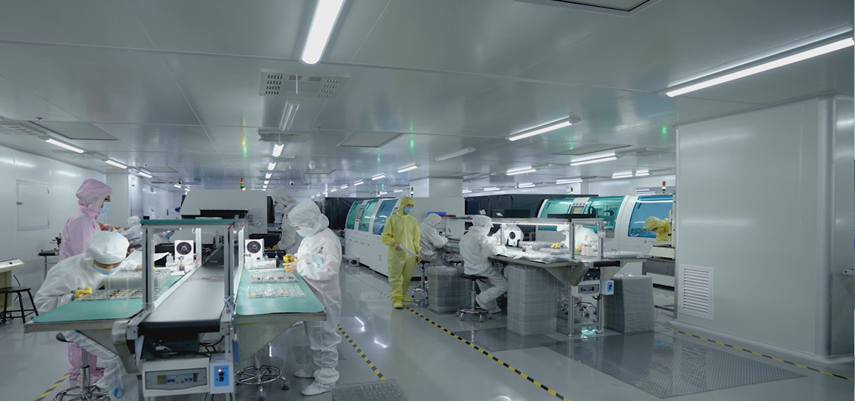
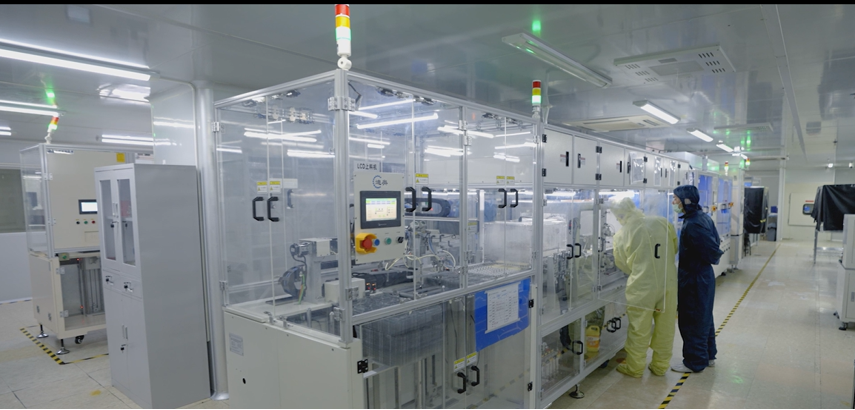
- Pre-shipment burn-in, temperature cycling and documentation to support customer qualification.
Early involvement is recommended: sharing the machine type, cabin layout, expected temperature range, sunlight exposure and electrical architecture enables a more optimised design and avoids costly late changes.
Conclusion
Wide temperature bar LCD displays give Australian mining equipment designers a way to present critical information in tight cabs and harsh plants without compromising visibility or reliability. Success depends on a system view: liquid crystal and polarizer selection for temperature extremes, high luminance with optical bonding for sunlight, rigid sealed construction for dust and vibration, robust power electronics for vehicle transients, and a supply strategy matched to long equipment lifecycles. By specifying these parameters carefully and validating them through testing, OEMs and mine operators can achieve displays that remain clear, dependable and safe from the Pilbara heat to the coldest desert night.
KEYWORDS: wide temperature bar LCD, Australian mining displays, high-brightness bar LCD, rugged mining equipment display, optical bonding LCD