
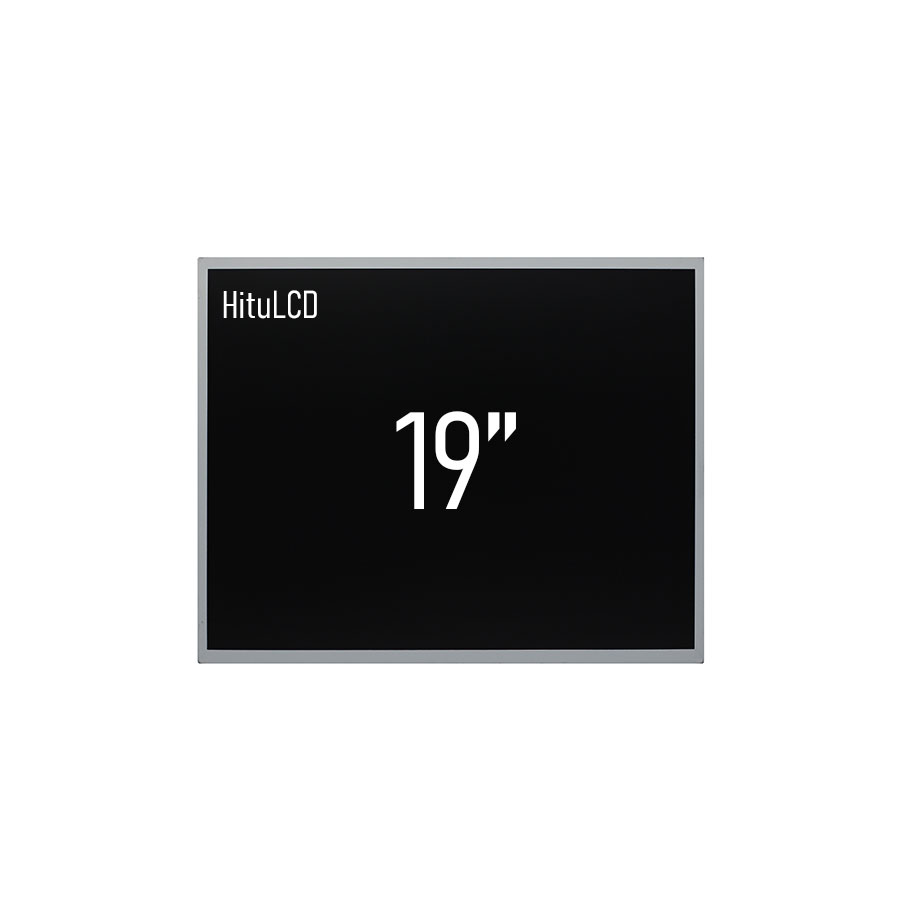
Custom 19 Inch TFT LCD Module | High Brightness / Touch / OEM Available
MODEL: HT190FHD-1000
Need customized solution?
Our engineering team is always ready to provide you with professional technical support and flexible customized services.
Understand light customization servicesBuilt by us. Configured for you.
HITULCD supplies LCD modules and display solutions directly from our manufacturing operation, giving OEMs, integrators and distributors direct access to engineering, customization and production.
Supply
Supplier Qualification
VerificationTechnical Specifications
| LCD PANEL PARAMETERS | HDMI/CONTROL BOARD SPECIFICATIONS | ||
|---|---|---|---|
| ITEM | DETAILS | ITEM | DETAILS |
| Description | HITULCD 19" QLED QUANTUM DOT HIGH COLOR GAMUT 350CD | Input Interface | HDMI, VGA, |
| Size | 19 | Power Input | DC 12V-3A |
| Display area (mm) | 376.32(H)×301.056(V) mm | OSD KEYS | 5 KEYS (POWER SWITCH, MENU, +, -, EXIT) |
| Resolution | 1280*1024 | OSD CONTROL | BRIGHTNESS, COLOR, CONTRAST, AUTO ROTATION, H/V POSITION, ETC. |
| Aspect ratio | 5:4 | ||
| Contrast ratio | 1000:1 | ||
| Pixel per inch (PPI) | 86 | ||
| Viewing angle | 178(H),160(V) | ||
| Display Colors | 16.7M, 72% NTSC | ||
| Response time(Typical) | 3/7 (Typ.)(Tr/Td) ms | ||
| Signal Type | LVDS (2 ch, 8-bit) 30pins | ||
| Backlight | WLED, 30K hrs, With LED Driver | ||
| Power consumption | 20W | ||
| Dimensions (mm) | 396(H)×324(V)×11.7(D) mm | ||
| Mounting | VESA | ||
| Bezel size (U/B/L/R) | 10/10/10/10 | ||
| Operating temperature | -20℃~+70℃ | ||
| Storage temperature | -30℃~+80℃ | ||
| Weight (Net) | 1.8KG | ||
OEM/ODM at HITULCD: Customization Built Into the Manufacturing Line, Not Bolted On
For overseas engineers, sourcing managers, and project owners, "we do OEM/ODM" is the easiest claim any display supplier can make — and the hardest one to verify from a product page. Below is what that actually means when you work with HITULCD: two clearly defined engagement modes, a real cleanroom production line behind them, and an engineering team that owns the customization end-to-end.
Two Modes, Chosen to Match Your Project — Not Forced Into One
We don't push every customer through the same "custom" pipeline. Depending on how much design ownership your project needs, you pick one of two tracks:
OEM Mode — You bring the layout, we bring the manufacturing.
You supply the layout design draft; we mass-produce to your drawings
Brand logo printing to your specification
Low MOQ, suited for teams that already have a finalized design and just need a reliable production partner
Typical delivery: 4–6 weeks
ODM Mode — We participate in the design from the ground up.
Our engineering team joins layout and structural design, not just manufacturing
Full customization across structure, mechanics, and embedded software
Exclusive mold development for your product line
NDA confidentiality as standard practice
Typical delivery: 8–16 weeks, reflecting the deeper R&D scope
If you're not sure which mode fits — a design that's 80% finished but needs mechanical validation, for example — this is exactly the kind of question our engineers sort out with you before quotation, not after.
What "Customizable" Covers in Practice
Customization at HITULCD isn't limited to slapping a logo on a standard panel. Across our product lines, we take on:
Size & resolution — from 5.5" to 98", including non-standard glass cutting down to your target dimension
Brightness — 350 to 3000+ nits depending on backlight architecture, tuned for indoor, semi-outdoor, or full sunlight-readable applications
Interface & signal — HDMI, VGA, LVDS, and custom AD board development supporting mixed signal inputs plus features like automated dimming sensors
Touch integration — capacitive/resistive touch bonding built into the module, not aftermarket
Mechanical/structural — bezel width, VESA mounting, housing/enclosure integration adapted to your existing chassis, including ruggedized frames for transport and harsh-environment use
Branding — Pantone/RAL color matching, font-authorized logo application, custom OSD behavior
Before any ODM engagement starts, we work from a standard checklist so nothing gets discovered mid-project: screen size and resolution, layout zone division, brand color specification, logo vector source (AI/SVG), installation method (wall-mounted, embedded, pole), operating environment (indoor/outdoor/semi-outdoor), and target certifications (CE/FCC/RoHS, etc.).
The Manufacturing Behind the Customization Claim
Custom specs mean nothing if the production line can't hold them consistently. That's backed by:
ISO 14644-1 certified cleanrooms and automated production lines built for repeatable precision at custom specs, not just standard SKUs
12,000+ units/month capacity, supporting both small-batch prototyping runs and full-volume production without re-tooling delays
In-house engineering access — you're working with the people who design the panel, not a sales layer relaying questions back to a factory you never talk to
Certification support — CE/FCC/RoHS as standard, UL/CCC/EAC arranged on request, so your custom build doesn't stall at import compliance
Safety stock and scheduled production slots for repeat orders, so customization doesn't come at the cost of supply reliability
Why This Matters to You
Whether you're specifying a display for an EV charging terminal, a transit information panel, or an outdoor advertising unit, the risk in OEM/ODM sourcing usually isn't the concept — it's what happens when your spec meets an unfamiliar production line for the first time. HITULCD's OEM/ODM structure exists to surface those mismatches during design review, not during your first shipment.
Have a design brief or a rough concept? Send us your requirements against the customization checklist above, and our engineering team will confirm the right mode (OEM or ODM), realistic lead time, and any structural constraints — before you commit budget.
Custom Panel Cutting for TFT LCD Modules: What Engineers and Procurement Teams Need to Know
Reference product: HT190FHD-1000, 19" TFT LCD module, 1280×1024, 376.32(H)×301.056(V) mm active area
Cutting a standard TFT panel down to a non-standard size — for a control panel retrofit, an instrument bezel, or a space-constrained enclosure — is one of the most common customization requests we receive from overseas OEM/ODM teams. It's also one of the most misunderstood, because the risk isn't in the concept, it's in the execution. Below is how we walk engineers, sourcing managers, and project owners through the process, from first drawing to mass production.
1. Technical Feasibility: Can This Size Actually Be Cut?
Before any quotation, our engineering team runs a feasibility check on the target dimensions and tolerance.
Cutting method — We select between mechanical wheel scribing and ultra-fast laser cutting depending on final size, glass thickness, and edge tolerance required. Laser cutting is generally recommended when the cut line is close to the active display area or when tighter micro-crack control is needed; wheel scribing remains cost-effective for straight cuts with more forgiving tolerances.
Circuit clearance — Every reduction is checked against the panel's Gate/Source trace layout and TFT array boundary. If your target dimension encroaches on active circuitry, we'll flag it during review rather than after tooling — this is the single most common reason a "simple" size change turns out not to be simple.
What we need from you — To confirm feasibility on our side, please share: the target outline dimension with tolerance, the reference edge/datum you're cutting from, the panel orientation, and (if available) the original panel's Gate/Source driver location. A simple 2D sketch with datum lines is usually enough for a first-pass check.
Edge quality standard — Post-cut edge flatness and micro-crack control are held to a defined internal spec appropriate to the display's operating environment; this is confirmed in writing at quotation stage, not left implicit.
2. Reliability: How Do You Guarantee the Cut Edge Won't Fail in the Field?
A cut edge is only as good as what protects it afterward.
Sealing process — After cutting, we apply a secondary sealing process (UV dispensing or equivalent, selected per application) specifically to protect against moisture ingress and liquid crystal leakage at the newly exposed edge. This isn't optional — it's built into the cutting workflow.
Reliability testing — Cut modules go through the same reliability regime as our standard panels, scaled to consumer-grade or industrial-grade requirements depending on the end application: 85°C/85%RH double-85 humidity testing, high/low temperature cycling, thermal shock, and structural drop testing. We're glad to share representative test data from comparable cutting projects on request.
Optical performance after sealing — We specifically check the sealed edge zone for light leakage and color shift (Mura) before sign-off, since this is the most visible failure mode of a poorly executed cut.
3. Cost, Yield, and Lead Time: What Should You Actually Budget For?
NRE and first sample — Custom cutting projects carry a one-time NRE for tooling/fixture setup and process validation. First-article samples (typically ~20 pcs) are turned around on a defined lead time confirmed at quotation — no open-ended timelines.
Mass production yield — Based on comparable past projects, we give you a realistic expected yield range for your specific geometry up front, rather than a generic number — cut yield depends heavily on how close the cut line sits to the active area and the cut length involved.
MOQ — Custom cutting, brightness, or bezel changes can affect the standard MOQ; this is confirmed at the quotation stage, before any deposit — never adjusted after the fact.
Why Talk to Us Directly
As the manufacturer — not a trading agent — your inquiry goes straight to the engineers who will run the feasibility check and own the process, not a sales layer relaying your questions back and forth. That means faster turnaround on drawing review, direct access to real test data instead of marketing claims, and pricing quoted from cost.
Have a target dimension in mind? Send us your outline drawing and tolerance requirement, and we'll come back with a feasibility assessment, recommended cutting method, and budgetary NRE/lead time — before you commit to anything.
Know The Terms Before You Inquire.
|
01 — Shipping Terms
Incoterms Available
EXW
Ex Works — pick up from our factory
FOB
Free On Board — most common for ocean freight
CIF
Cost, Insurance & Freight — to your port
|
02 — Order Minimum
MOQ: 1 Units
Applies to standard specs. Custom brightness, cutting or bezel may adjust MOQ, confirmed at quotation. Sample units available before bulk order
|
03 — Payment Protection
Multiple Secured Methods
|
A Real Factory. Publicly Verifiable.
|
Legal Company Name
Shenzhen Hantu Jiashi Technology Co., Ltd.
|
Unified Social Credit Code
91440300306068446B
|
|
Legal Representative
YUN CHEN
|
Registered Capital
RMB 2,000,000
|
|
Established
May 23, 2014 (11+ years operation)
|
Business Status
● Active / In Operation
|
|
Registered Factory Address
Building B, Gangshen Innovation Park, Huaning Road, Dalang Sub-district, Longhua District, Shenzhen, Guangdong, China
|
|
Contact HITULCD
We'll respond via email within 24 hours. If you'd like to discuss details over WhatsApp or a call, please leave a preferred time and contact method in your message — we will never call you unannounced.
Related solutions
This product is suitable for the following industry application scenarios
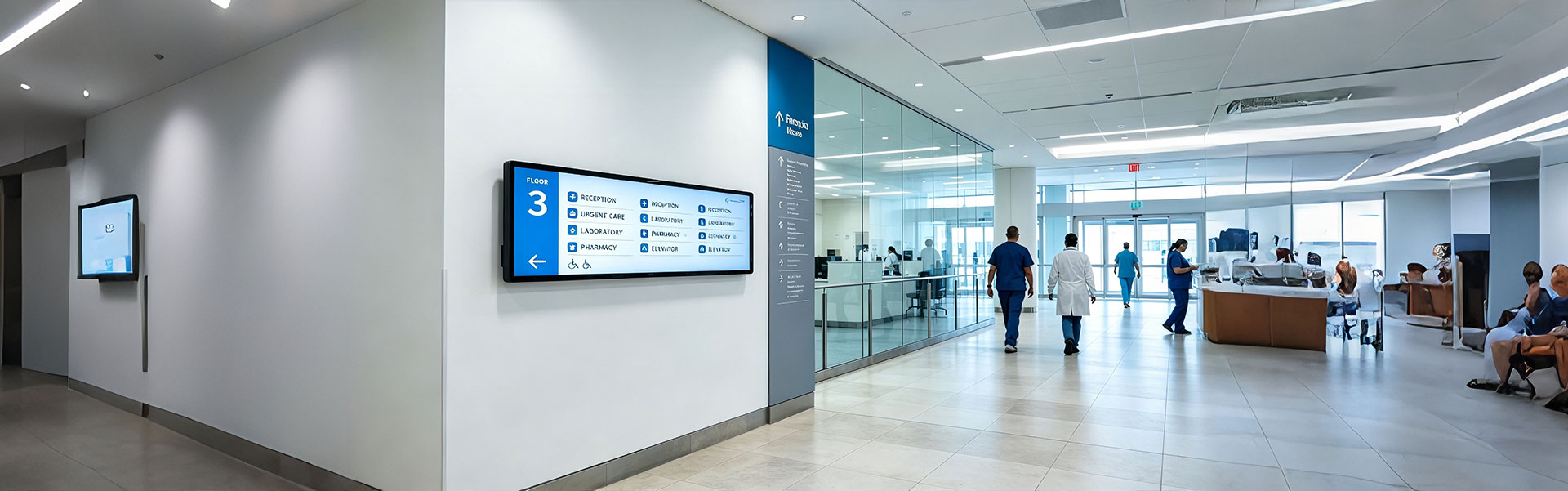
Floor Information Bar LCD Display Solution
Ultra-wide, high-brightness stretched bar LCD disp...
view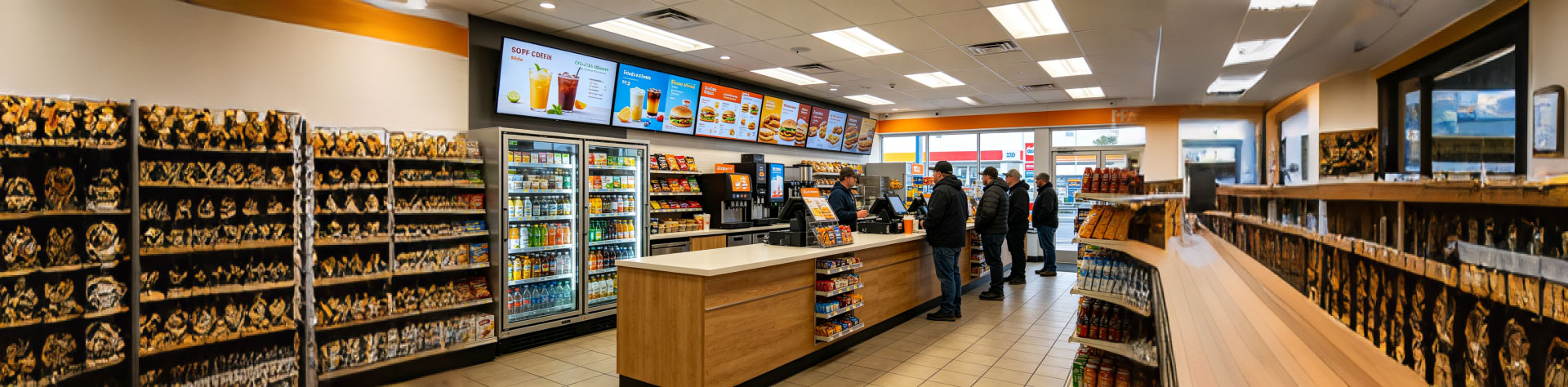
Convenience Store Bar LCD Display Solution
Ultra-slim, high-brightness stretched bar LCD disp...
view
Bus Passenger Information Stretched Bar Display Solution
A rugged, ultra-wide stretched bar display solutio...
viewRelated Products
You may also be interested in the following products
 1000 Nits
27 Inch Industrial LCD Display | High Brightness, OEM Custom Solutions
 1000 Nits
23.8 Inch Sunlight Readable TFT LCD Display -1000Nits Industrial Grade
 1000 Nits
