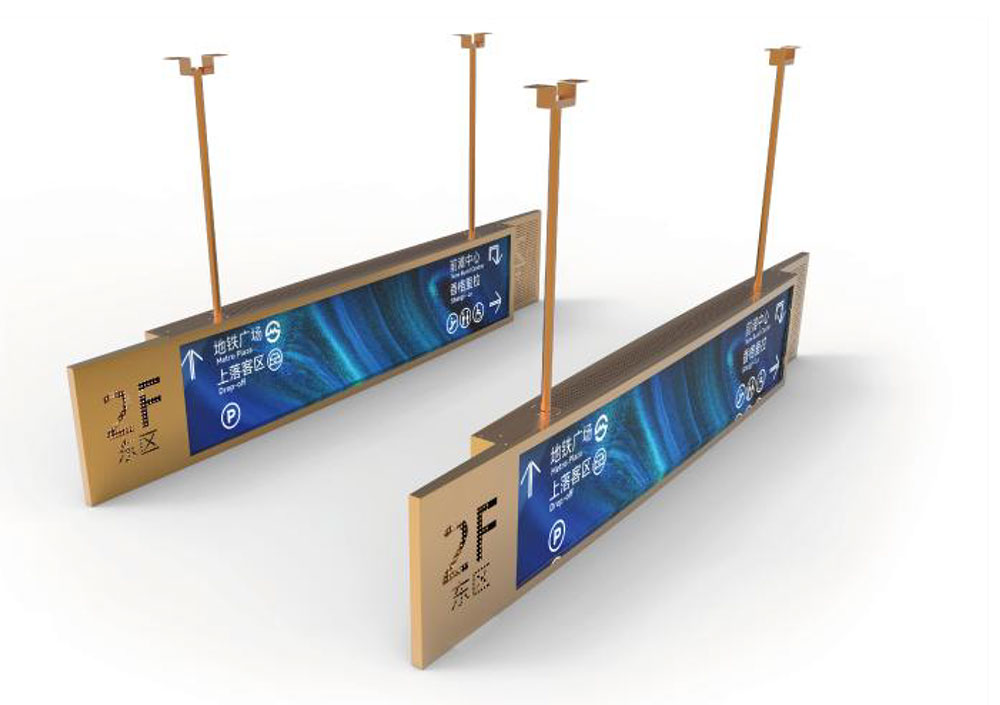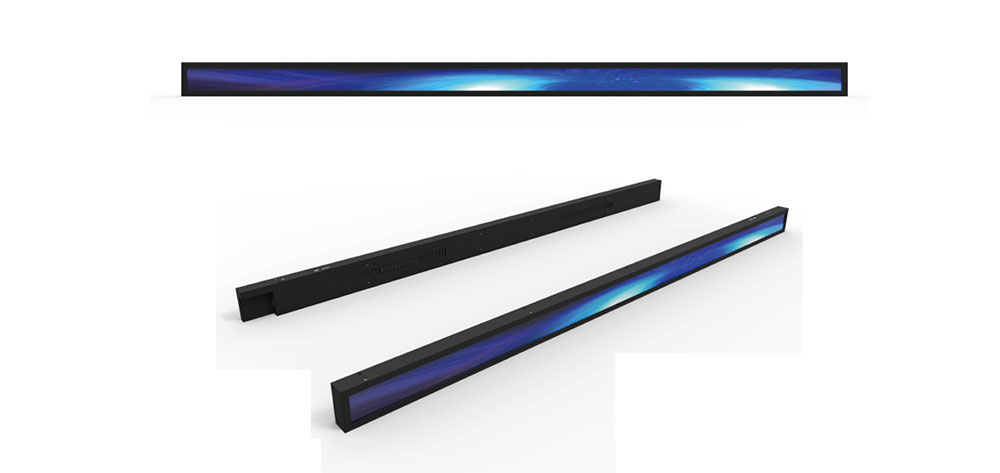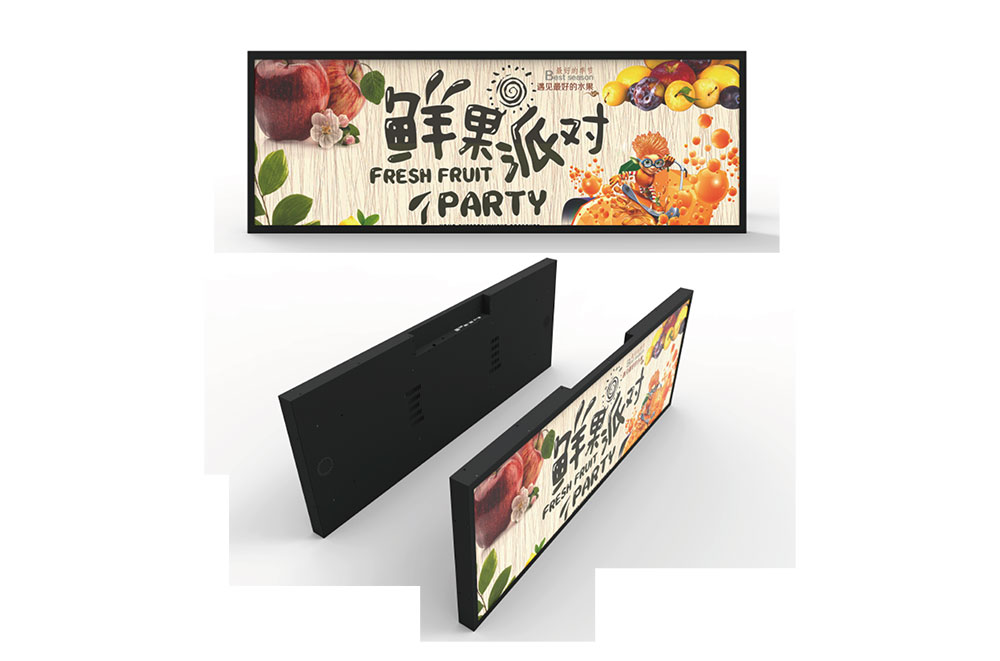
Stretched LCD displays, also known as bar or ultra-wide displays, have become a cornerstone of modern digital signage across Australia. From shelf-edge retail strips in Westfield centres to departure boards at Sydney and Melbourne airports, these elongated panels deliver information in spaces where a standard 16:9 screen simply will not fit. At HITULCD, we engineer high-brightness stretched LCDs for the demanding Australian market, and one question dominates every project enquiry: what does a custom stretched LCD display actually cost, and which specifications justify that investment? This white paper breaks down the pricing structure, the specifications that drive it, and how leading product tiers compare.
What Defines a Stretched LCD Display
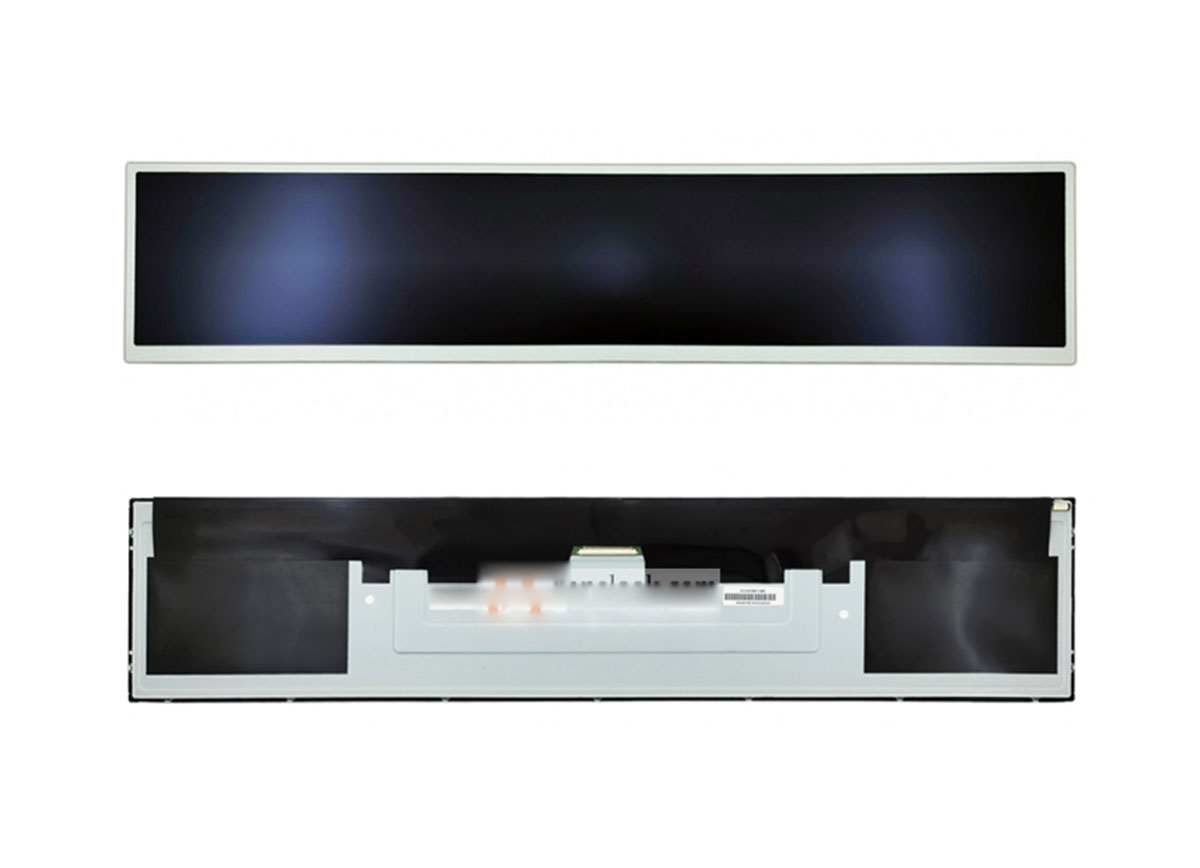
A stretched LCD is a panel manufactured or cut to an aspect ratio far wider or taller than the conventional 16:9 format. Common ratios include 16:4.5, 24:9, 58:9 and even 32:9. These proportions suit transit timetables, menu boards, casino signage, and retail promotional strips. Because the form factor sits outside mass-consumer television production, every stretched display carries a degree of customisation, and that customisation is the primary variable behind cost.
The Core Specifications That Drive Cost in Australia
Pricing a custom stretched LCD is never a single line item. It is the sum of several engineering decisions. Understanding each one lets a buyer control the final figure rather than react to it.
1. Brightness (Nits)
Brightness is the single largest cost driver for the Australian market. The country's intense natural light, particularly in Queensland and the Northern Territory, makes standard 350–500 nit commercial panels unreadable in shop windows. A semi-outdoor window-facing display typically requires 2,500 to 3,000 nits, while a fully outdoor enclosure demands 3,500 nits or higher. Each step up the brightness ladder adds LED backlight density, superior thermal management, and optical bonding, pushing the unit cost upward significantly.
2. Panel Size and Aspect Ratio
A 28-inch 16:4.5 strip and a 86-inch 58:9 feature wall occupy entirely different cost brackets. Larger glass yields fewer panels per mother sheet, increasing material cost per unit. Non-standard cut-to-size panels, where a larger LCD is physically cut down to a bar format, also incur a yield penalty that is reflected in price.
3. Touch Functionality
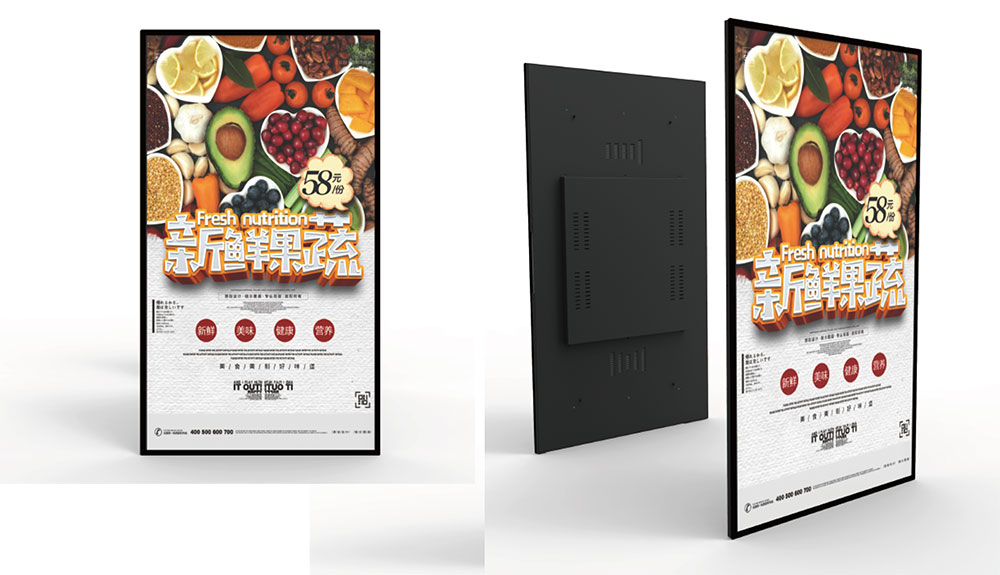
Adding projected capacitive (PCAP) touch to a stretched display raises the cost noticeably, especially above 43 inches, where large-format touch sensors become specialised components. Infrared touch is a lower-cost alternative but adds a bezel and is less suited to high-brightness, bonded builds.
4. Operating Temperature and Enclosure Rating
Australian deployments range from air-conditioned foyers to exposed outdoor bus shelters. Wide-temperature panels rated from -30°C to +80°C, combined with IP65 enclosures and active cooling, add substantial engineering overhead compared to an indoor open-frame module.
5. Optical Bonding and Anti-Glare Treatment
Optical bonding eliminates the air gap between the touch glass and the LCD, improving contrast, preventing internal condensation, and boosting durability. It is strongly recommended for high-brightness and outdoor builds but adds a per-unit process cost.
Indicative Cost Brackets for the Australian Market
The figures below are indicative AUD ranges for custom stretched LCD modules, exclusive of GST, freight, and installation. Actual quotations depend on volume and the specification mix described above.
| Configuration | Typical Size | Brightness | Indicative Cost (AUD) |
|---|---|---|---|
| Indoor open-frame strip | 23"–28" | 700 nits | $650 – $1,200 |
| Window-facing retail bar | 37"–43" | 2,500 nits | $2,200 – $3,800 |
| High-brightness touch strip | 43"–55" | 3,000 nits, PCAP | $4,500 – $7,500 |
| Outdoor IP65 feature display | 75"–86" | 3,500 nits | $9,000 – $16,000+ |
Top Specifications Compared Across Product Tiers
To put HITULCD's engineering in context, the following comparison reflects how our stretched panels line up against widely referenced specifications from established manufacturers such as LG, Samsung and Litemax, each known for their stretched and bar-type offerings.
| Specification | LG Stretched (e.g. 86BH5F) | Samsung Stretched (SH37R / VH55) | Litemax Spanpixel Series | HITULCD Custom |
|---|---|---|---|---|
| Peak Brightness | 500 nits | 700 nits | Up to 2,500 nits | 700 – 3,500+ nits |
| Aspect Ratios | 58:9, 16:9 fixed | 16:4.5, 16:9 fixed | Multiple custom | Fully custom to brief |
| Operating Hours | 24/7 | 24/7 | 24/7 | 24/7 |
| Touch Option | Not standard | Limited models | Optional | PCAP / IR optional |
| Optical Bonding | Not standard | Not standard | Available | Standard on HB builds |
| Enclosure Rating | Indoor | Indoor | Indoor / semi-outdoor | Up to IP65 outdoor |
The pattern is clear. Mainstream brand-name stretched displays are tuned for indoor commercial environments and ship in a fixed catalogue of sizes and ratios. They offer reliability and ecosystem integration, but they rarely exceed 700 nits and seldom accommodate true outdoor Australian conditions without a third-party enclosure. Specialist high-brightness manufacturers close the gap on nits and bonding but at a premium. HITULCD's position is to combine high-brightness capability, full dimensional customisation, and Australian-climate ruggedisation within a single engineered module.
Hidden Costs Australian Buyers Should Budget For
The panel price is only part of the total cost of ownership. A realistic Australian project budget should also account for the media player or SoC, mounting hardware, freight to regional sites, local installation and commissioning, and ongoing content management. For outdoor builds, electrical compliance to AS/NZS 3000 wiring standards and appropriate ingress testing are non-negotiable and should be quoted upfront rather than discovered later.
How to Specify for Value, Not Just Price
The lowest quotation is rarely the best value in a stretched LCD project. A 500 nit panel installed in a west-facing Perth shopfront will be invisible by midday, rendering the entire investment wasted. Conversely, specifying 3,500 nits for an interior corridor is money spent on brightness no one will perceive. The engineering goal is to match brightness, bonding, and enclosure to the actual installation environment. Our recommendation to every Australian client is to begin with a lux measurement of the intended location, then specify upward from there.
Conclusion
The cost of a custom stretched LCD display in Australia spans from under one thousand dollars for a modest indoor strip to well beyond fifteen thousand for a large outdoor high-brightness installation. The deciding factors are brightness, size, touch, temperature rating, and optical treatment, in roughly that order of impact. When measured against the fixed specifications of mainstream brands, a properly engineered custom build often delivers superior real-world legibility and longevity for the Australian climate. At HITULCD, we treat each stretched display as an engineering brief rather than a shelf product, ensuring every nit, every millimetre, and every dollar is specified for the environment it will serve.
KEYWORDS: custom stretched LCD display, stretched LCD cost Australia, high brightness bar display, stretched display specifications, digital signage LCD