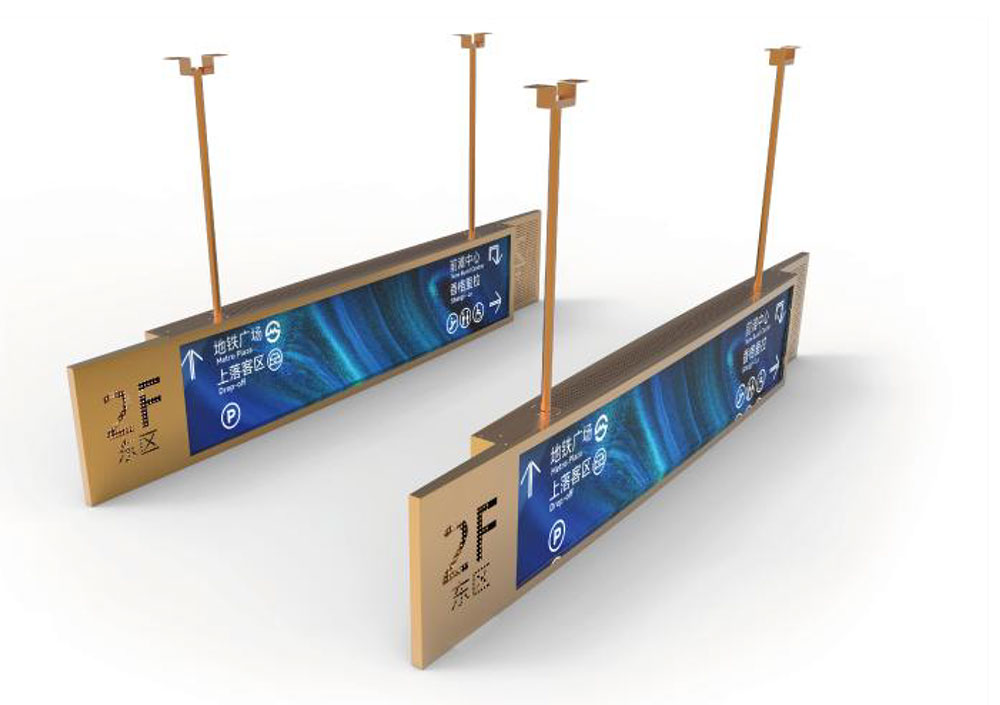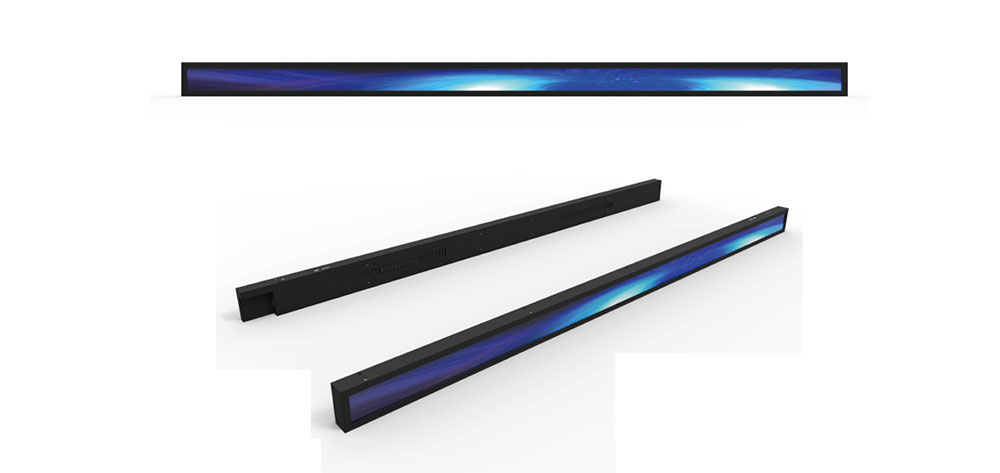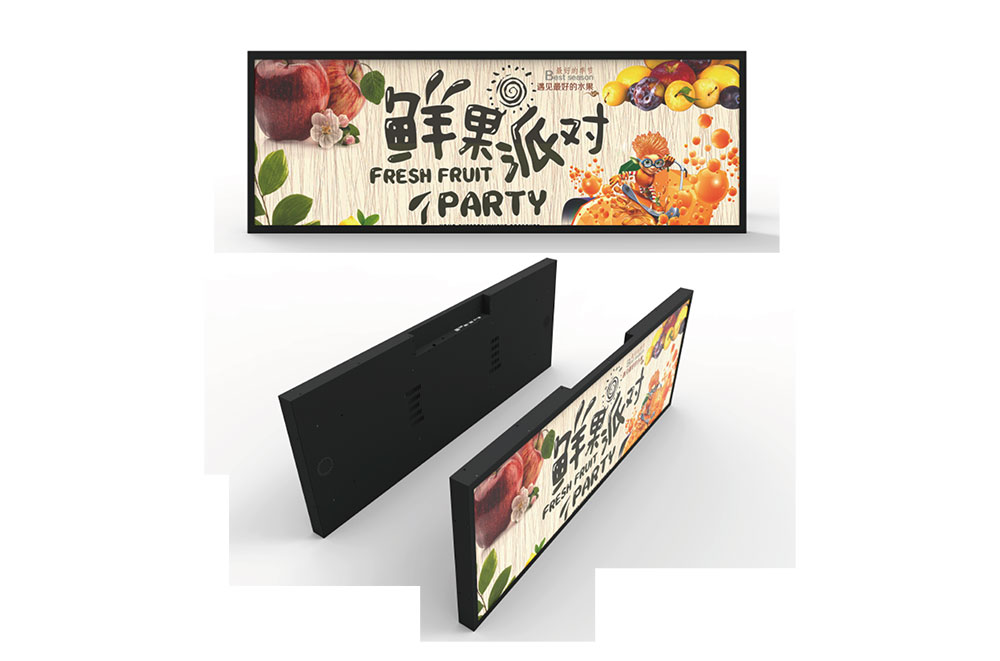
Bar LCD displays, also known as stretched or ultra-wide displays, have become an essential visual solution across a growing range of industries. Their elongated form factor makes them ideal for spaces where a conventional 16:9 panel simply does not fit—transit signage, shelf-edge retail displays, automotive dashboards, industrial control panels, and smart building directories. At HITULCD, we specialize in engineering custom bar LCD displays that meet exacting requirements for size, resolution, brightness, and interface. This guide walks through each of these four critical parameters to help engineers and product designers make informed specification decisions.
What Is a Bar LCD Display?
A bar LCD display is a panel with a non-standard aspect ratio—typically far wider or taller than traditional monitors. Common ratios include 16:3, 16:4.5, 24:9, and 32:9, though fully custom geometries are available. These panels are produced either through purpose-built cell design or by precision-cutting standard glass to the required dimensions. Because the shape aligns with narrow, elongated installation areas, bar LCDs eliminate wasted screen area and deliver a clean, integrated appearance in environments where space is at a premium.
Choosing the Right Size
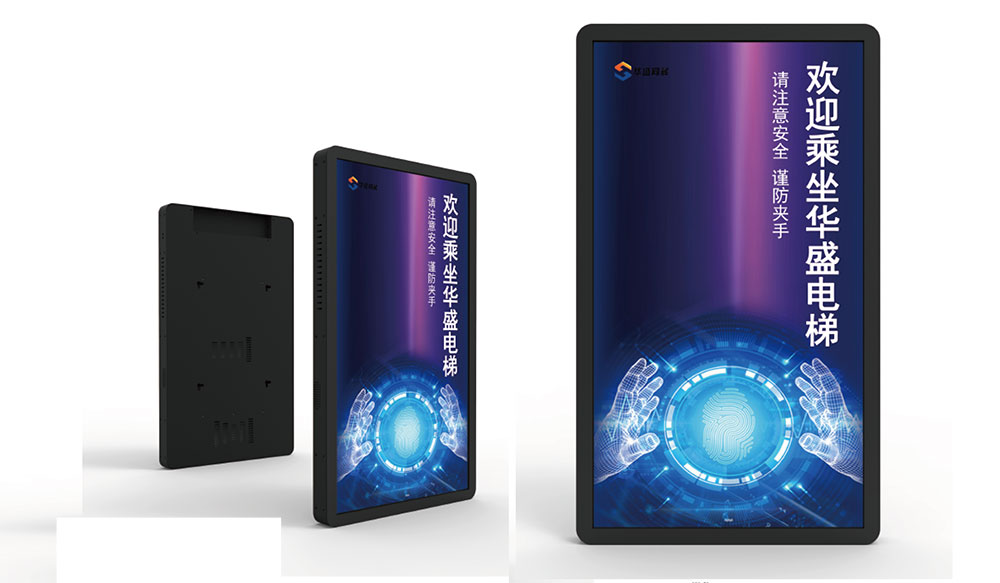
Size selection begins with the physical envelope of your application. Bar LCD displays range from compact 8-inch modules used in automotive clusters and home appliances to expansive 88-inch stretched panels for retail and transit signage. When specifying size, consider both the active area and the overall module outline, including bezel and mounting features.
Key size considerations include:
- Viewing distance: Longer distances require larger active areas and character heights to maintain legibility.
- Installation depth: Slim mechanical profiles matter in shelf rails, kiosk slots, and vehicle interiors.
- Standard vs. cut-to-size: Leveraging a standard mother-glass size reduces cost and lead time, while a fully custom cut delivers a perfect fit for unique enclosures.
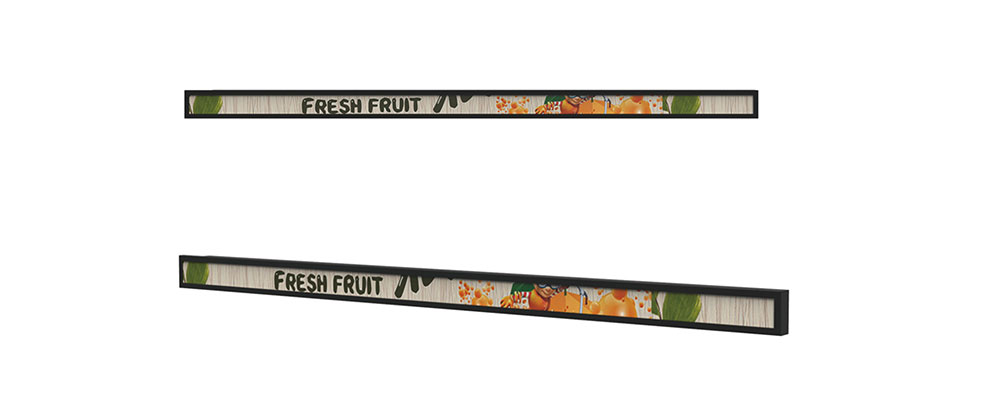
HITULCD offers both catalog bar sizes and made-to-order dimensions, allowing you to balance budget, tooling investment, and design precision.
Resolution and Pixel Density
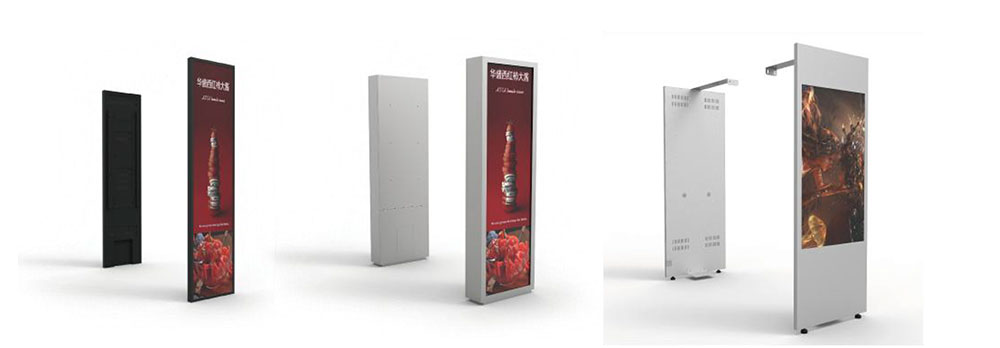
Resolution determines how much detail and how many pixels a bar LCD can render across its elongated surface. Because bar displays stretch content over a wide area, pixel density (measured in pixels per inch, or PPI) is often more meaningful than raw resolution numbers alone.
Typical bar LCD resolutions include 1920×360, 1920×540, 3840×720, and other non-standard formats matched to the panel geometry. When selecting resolution, weigh these factors:
- Content type: Text-heavy directories and pricing displays benefit from higher PPI for crisp fonts, while simple animated banners can tolerate lower density.
- Graphics controller support: Ensure your host system and timing controller can drive the chosen non-standard resolution reliably.
- Scaling behavior: Native-resolution rendering avoids interpolation artifacts that can blur content on stretched formats.
Our engineering team helps validate that the panel resolution, driver IC, and source content pipeline all align for sharp, artifact-free output.
Brightness for Every Environment
Brightness is the parameter that most directly affects real-world readability, and it is a core area of HITULCD expertise. Measured in nits (cd/m²), brightness requirements vary dramatically by environment:
- Indoor controlled lighting: 300–500 nits is sufficient for offices, elevators, and enclosed kiosks.
- Bright indoor and semi-outdoor: 700–1000 nits handles retail floors, storefront windows, and transit stations with ambient sunlight.
- Full outdoor and direct sunlight: 1500–2500 nits ensures content remains visible even under harsh daylight.
High-brightness bar LCDs also demand thermal management and optical bonding to prevent sunlight-induced degradation and internal condensation. HITULCD integrates enhanced backlight units, automatic brightness control through ambient light sensors, and optically bonded cover glass to maximize contrast and durability. For displays that operate around the clock, we also address image retention and long-term luminance stability to protect your investment over years of continuous operation.
Interface Options
The interface connects your bar LCD to the host system and dictates compatibility, cable length, and signal integrity. Selecting the correct interface early avoids costly redesign later. Common bar LCD interfaces include:
- LVDS: A robust, widely supported standard ideal for medium-resolution industrial and embedded applications.
- eDP: A modern, high-bandwidth embedded interface suited to higher resolutions with fewer signal lines.
- MIPI DSI: Common in compact, low-power modules such as automotive and handheld devices.
- HDMI and DisplayPort: Plug-and-play options for signage players and standard media sources, often paired with an internal driver board.
Beyond the video interface, consider control and power connections—brightness control lines, touch data channels, and appropriate voltage rails. HITULCD supplies matched driver boards and full interface documentation so integration is straightforward regardless of your host platform.
Putting It All Together
A successful custom bar LCD project balances all four parameters against the demands of the application and environment. A transit-station directory, for example, might combine a 37-inch 16:4.5 panel at 1000 nits with an eDP interface and ambient light control, while a shelf-edge retail bar could use an 11.6-inch 1920×360 module at 500 nits over LVDS. By defining size, resolution, brightness, and interface up front, you streamline development and ensure the final product performs reliably in the field.
With deep experience in high-brightness display engineering, HITULCD partners with clients from concept through mass production—delivering custom bar LCD displays optimized for durability, clarity, and seamless integration. Contact our engineering team to discuss your specifications and receive a tailored solution.
KEYWORDS: custom bar LCD displays, stretched bar LCD, high-brightness LCD, bar display resolution, LCD interface guide