The demand for non-standard display formats has grown rapidly as integrators seek screens that fit the physical constraints of shelves, transit vehicles, industrial machinery, and architectural spaces. Traditional 16:9 panels rarely suit these environments. A custom LCD bar display—also called a stretched or ultra-wide bar-type LCD—delivers a solution engineered around the exact dimensions, aspect ratio, and pixel density that a given application requires. At HITULCD, we design bar display modules with flexible sizes and resolutions, enabling seamless integration into spaces where conventional panels simply cannot go.
What Is a Custom LCD Bar Display?
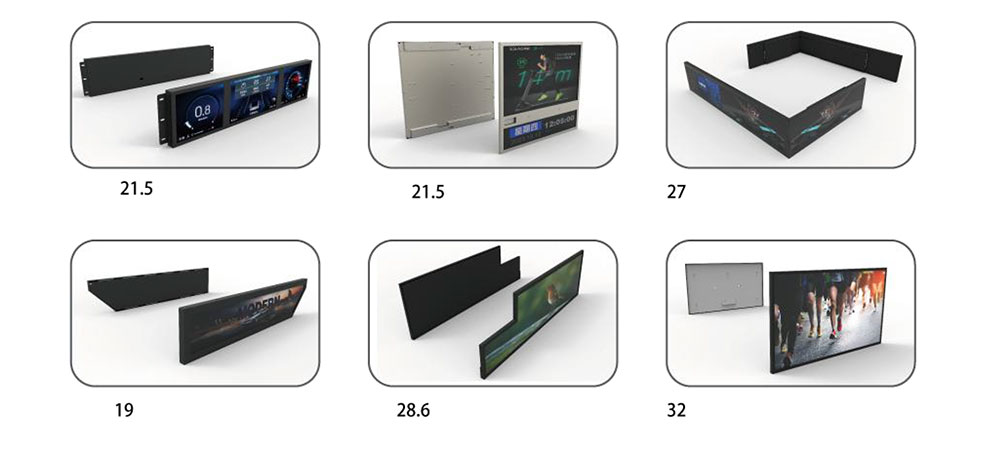
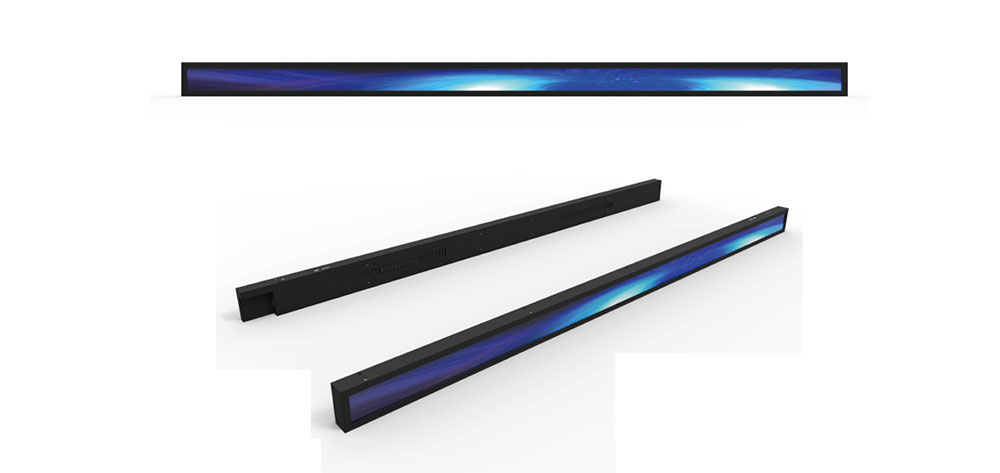
A bar display is a wide-format LCD with an unconventional aspect ratio such as 32:9, 16:5.6, 24:9, or even more elongated ratios like 58:9. These panels are commonly produced by "cutting" larger mother glass into narrow strips, then bonding a dedicated backlight, driver board, and interface to match the reduced active area. The result is a slim, elongated screen ideal for shelf-edge signage, passenger information displays, kiosk banners, and instrument panels.
Because the geometry departs from mass-market standards, a custom approach is essential. HITULCD tailors the glass cutting, backlight brightness, touch integration, and driving electronics to the specific mechanical envelope and viewing conditions of each project.
Flexible Sizes: Matching the Physical Envelope
One of the defining advantages of a custom bar display is dimensional freedom. Instead of forcing a design around a fixed panel, the panel is built around the design. HITULCD supports a wide range of diagonal sizes and active-area dimensions, from compact 8-inch strips for automotive clusters to 88-inch stretched bars for retail aisles.
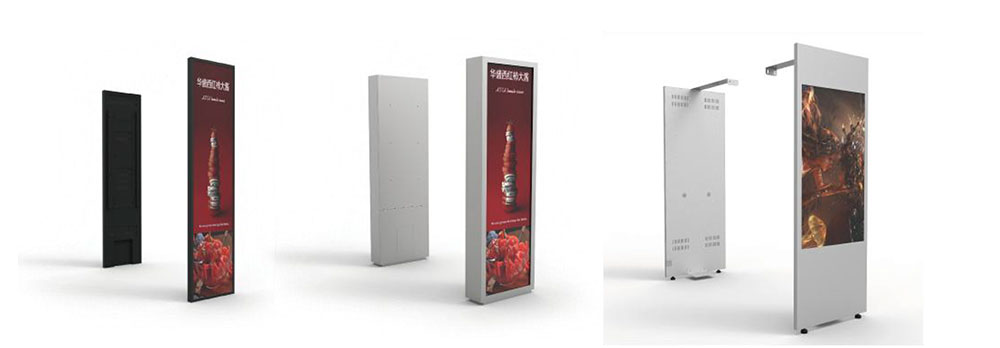
Flexible sizing addresses several practical needs. Retail shelf-edge displays must fit standard gondola rails without protruding into the aisle. Elevator and transit displays must slot into narrow pillars and door frames. Industrial HMI bars must align with the width of control cabinets. By specifying custom outline dimensions, mounting holes, and cable exit positions, integrators eliminate costly enclosure redesigns and reduce assembly time.
Flexible Resolutions: Balancing Clarity and Cost
Resolution on a bar display is closely tied to its aspect ratio and viewing distance. A shelf display viewed from one meter benefits from a fine pixel pitch, while a large transit banner viewed from several meters can use a lower resolution without perceptible loss of quality. HITULCD engineers select the optimal pixel matrix—for example 1920×360, 1920×540, or 2560×720—to balance sharpness, driver complexity, and unit cost.
Custom resolution also affects the choice of interface. Lower-resolution bars often use LVDS or a single MIPI-DSI lane set, while high-resolution stretched panels may require eDP or dual-channel LVDS. Matching resolution to interface bandwidth ensures stable signal integrity and prevents artifacts such as tearing or flicker.
Brightness and Optical Engineering
Bar displays frequently operate in demanding lighting environments—storefront windows, outdoor kiosks, and vehicle cabins exposed to direct sunlight. As a high-brightness specialist, HITULCD offers luminance levels from 700 to 2500 nits, paired with optical bonding to eliminate internal reflections and improve contrast under ambient light. High-brightness LED backlights are engineered with uniform distribution across the elongated panel, avoiding the hotspots and gradients that can appear in poorly designed stretched formats.
For sunlight-readable applications, we combine high-brightness backlights with anti-glare or anti-reflective surface treatments and, where required, automatic brightness control via an ambient light sensor. This preserves legibility while extending backlight lifespan and reducing power consumption.
Interface, Touch, and Integration Options
A complete bar display solution is more than glass and backlight. HITULCD provides driver boards supporting HDMI, LVDS, MIPI, and eDP inputs, along with optional embedded controllers for standalone signage playback. Projected capacitive (PCAP) touch can be laminated onto the bar for interactive kiosks, engineered to maintain accuracy across the wide aspect ratio and to function reliably with gloved hands or through thick cover glass.
Integration support extends to custom cover lens shapes, cable routing, and enclosure-ready mounting. By delivering a pre-integrated module, we shorten our customers' development cycles and guarantee optical and electrical performance as a validated system.
Reliability for Industrial and Commercial Deployment
Bar displays are often deployed in 24/7 operation and across wide temperature ranges. HITULCD specifies industrial-grade components, wide operating temperatures from -30°C to +85°C, and long-life LED backlights rated for 50,000 hours or more. Optional conformal coating and reinforced FPC bonding improve resistance to vibration and humidity, making these panels suitable for transportation, factory automation, and outdoor signage.
Applications Across Industries
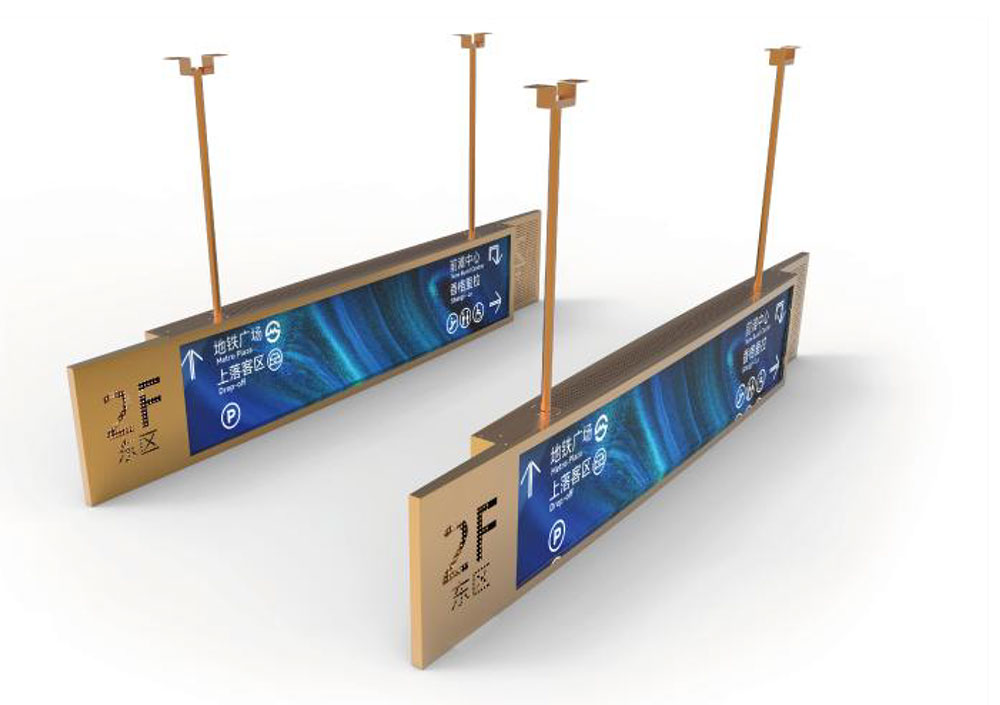
Custom LCD bar displays serve a broad spectrum of markets. In retail, they act as digital shelf-edge labels and promotional banners. In public transport, they present real-time route and arrival information. In automotive and marine, they form driver instrument clusters and secondary information strips. In industrial settings, they display machine status along control panels. The common thread is a physical space that a standard panel cannot fill—precisely where a tailored bar display excels.
Why Choose HITULCD
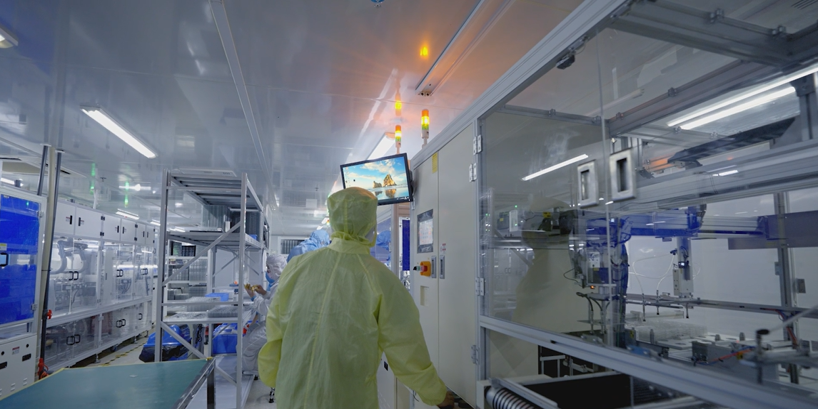
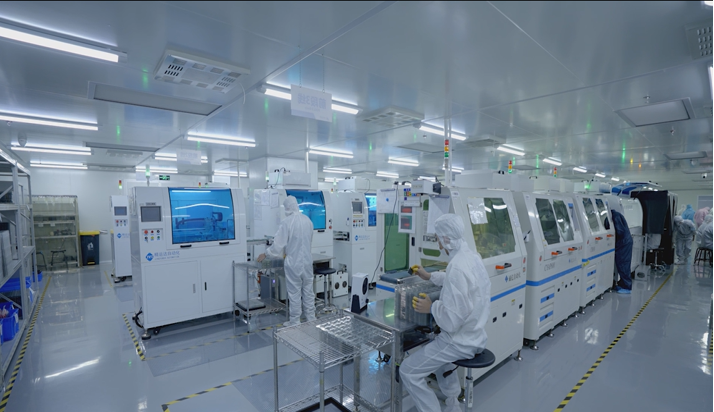
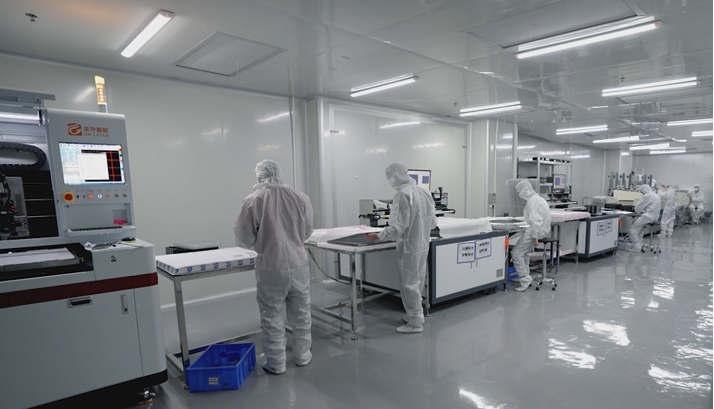
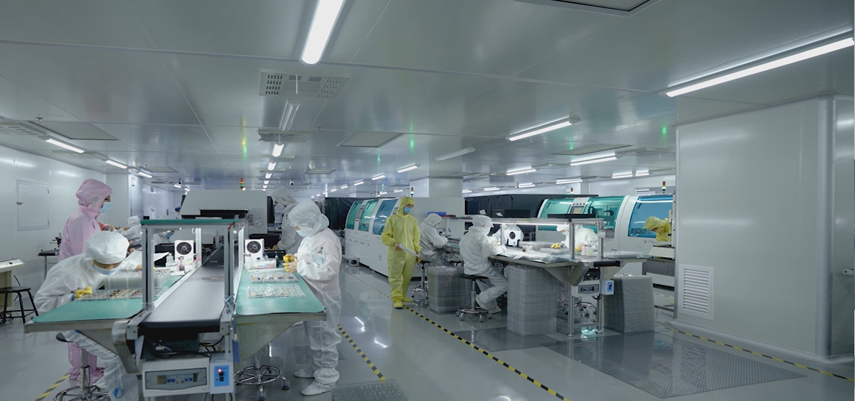
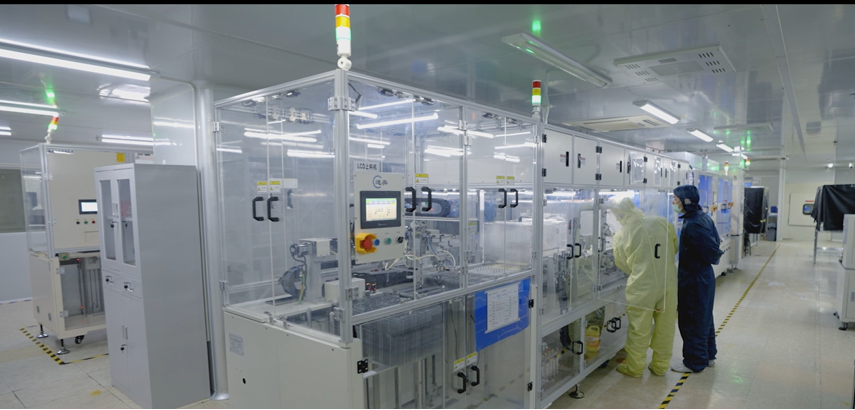
Selecting the right partner for custom display development is critical. HITULCD combines in-house optical engineering, flexible glass sourcing, and rigorous quality control to deliver bar displays that meet exact size, resolution, and brightness specifications. From prototype to mass production, our team supports customers with datasheets, sample validation, and long-term supply commitments, ensuring that specialized display projects reach market efficiently and reliably.
FAQ
Q1: How are custom bar display sizes and resolutions determined?
The process begins with your mechanical envelope and viewing distance. From the required active-area dimensions we determine a feasible aspect ratio, then map that to an available mother-glass cut. Resolution is selected to achieve the desired pixel pitch for your viewing distance while matching the bandwidth of a suitable interface such as LVDS, MIPI, or eDP. This ensures both visual clarity and stable signal driving.
Q2: Are cut or stretched bar displays as reliable as standard panels?
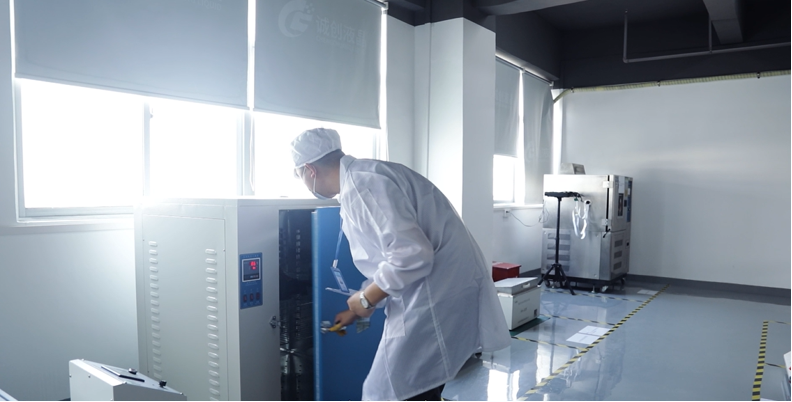
Yes, when engineered correctly. The cutting process and edge sealing must be performed under controlled conditions to protect the liquid crystal alignment and prevent moisture ingress. HITULCD applies reinforced edge sealing, validated backlight designs, and full reliability testing—including thermal cycling and vibration—so cut bar panels meet the same durability standards as conventional displays.
Q3: What brightness level should I choose for outdoor or sunlight-exposed use?
For indoor shelf and transit applications, 700–1000 nits is typically sufficient. Storefront windows facing indirect sunlight generally require 1500 nits, while displays under direct sunlight need 2000–2500 nits combined with optical bonding and anti-reflective treatment. An ambient light sensor is recommended to auto-adjust brightness, saving power and extending backlight life.
Q4: Can touch functionality be added to a bar display?
Absolutely. Projected capacitive touch is the most common choice and can be tuned for the wide aspect ratio, multi-touch operation, gloved-hand use, and thick cover glass. We calibrate the touch controller to maintain edge-to-edge accuracy across the elongated surface, which is a key engineering consideration for bar formats.
Q5: What is the typical lead time for a custom bar display?
Lead time depends on complexity. Projects using existing glass cuts with custom electronics can produce samples within a few weeks, while fully bespoke glass geometries require longer tooling and validation. HITULCD provides a clear timeline during the specification phase and supports rapid prototyping to accelerate your development.