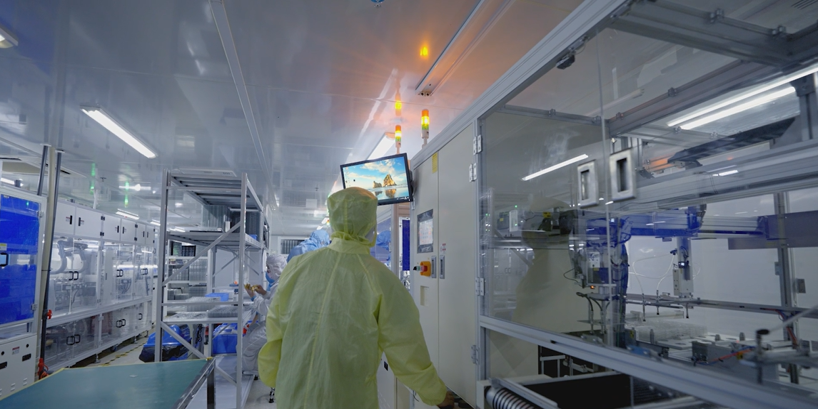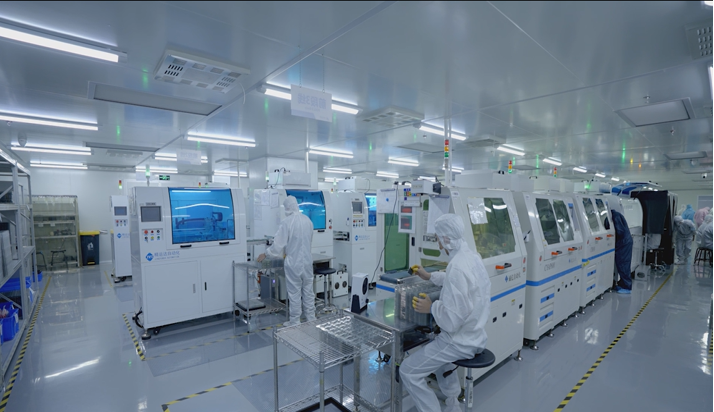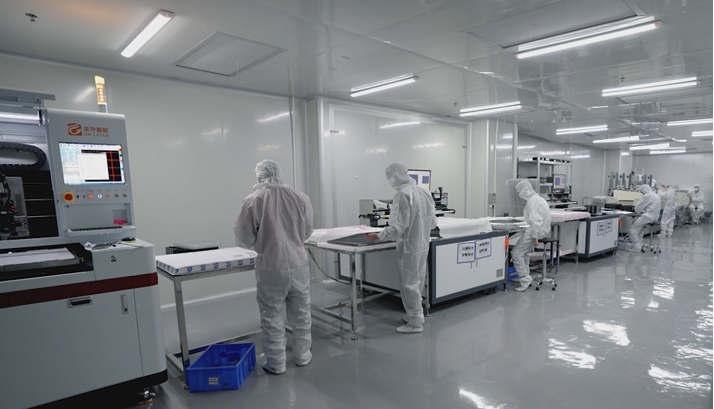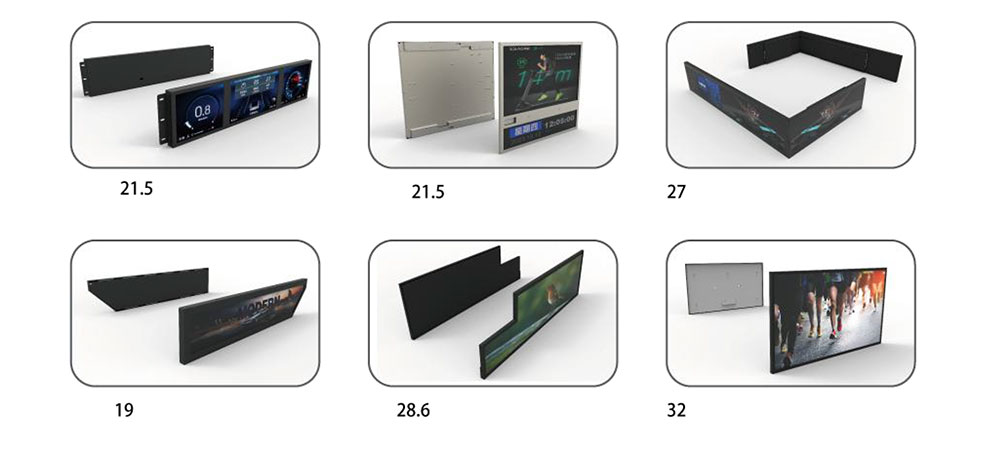
Industrial equipment rarely conforms to the consumer-driven aspect ratios that dominate the display market. While 16:9 and 4:3 panels are engineered for televisions, monitors, and laptops, machine builders frequently face mechanical enclosures, control panels, and instrument bezels that demand something entirely different. This is where custom ratio LCD displays become a decisive engineering advantage—allowing designers to fit a screen precisely to the available space rather than compromising the entire equipment layout around a standard rectangle.
What Is a Custom Ratio LCD Display?
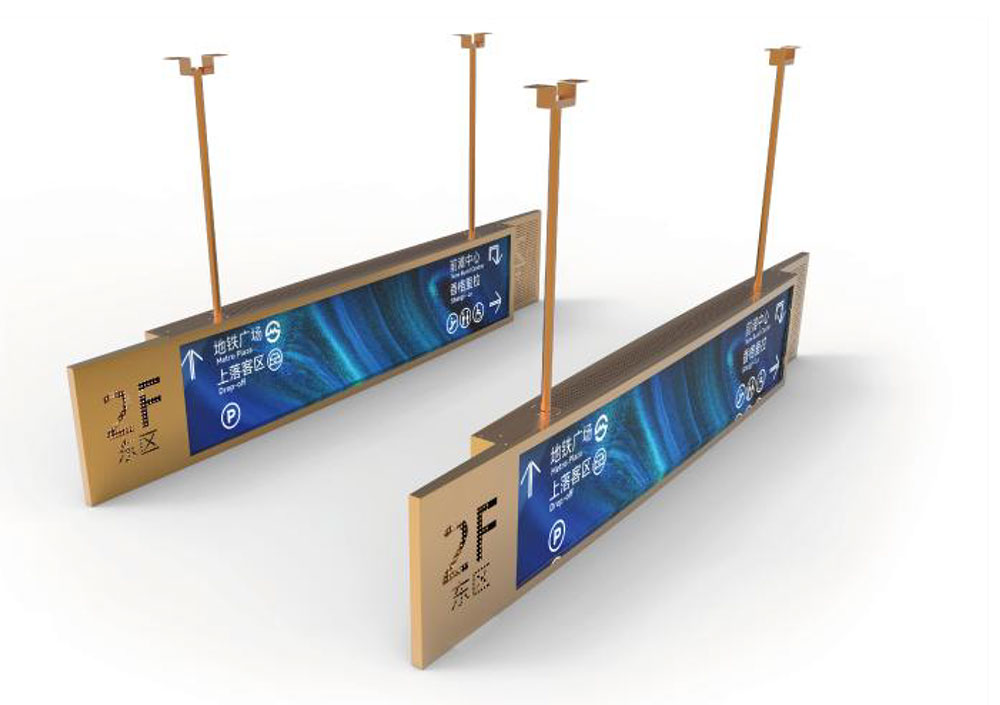
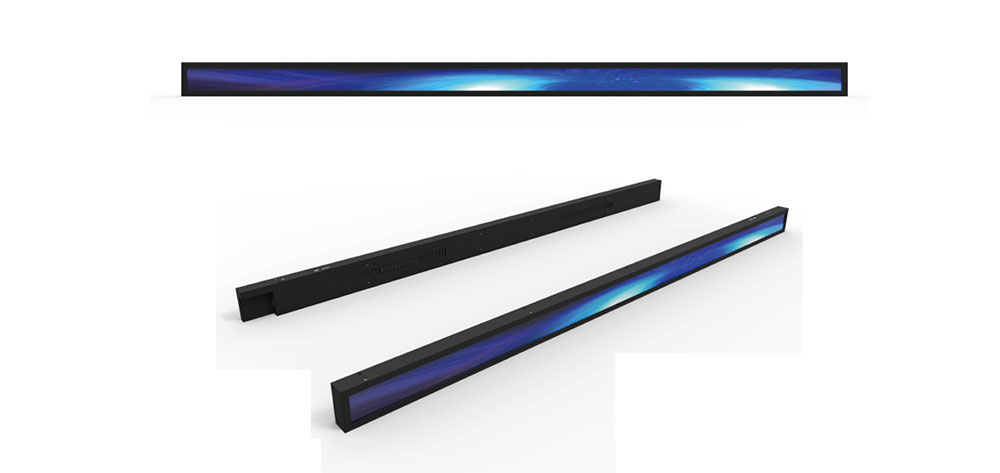
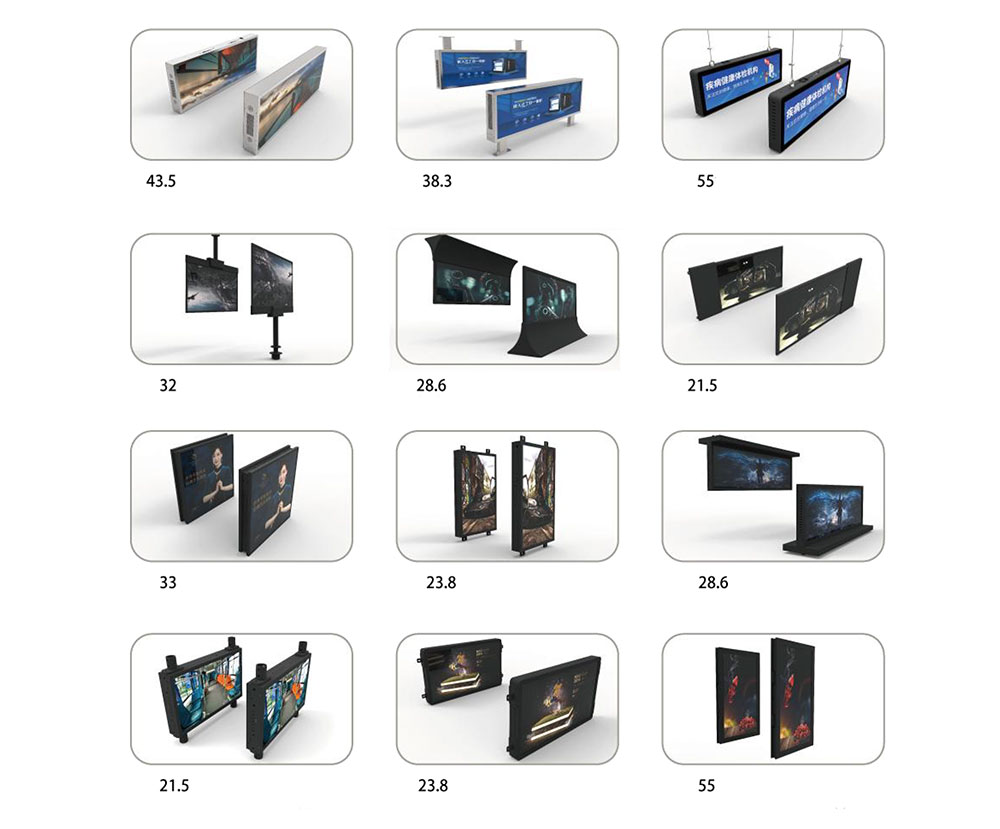
A custom ratio LCD display, sometimes called a non-standard aspect ratio or bar-type display, is a panel whose width-to-height proportion differs from mainstream commercial formats. Common examples include ultra-wide stretched bars (such as 24:9 or 32:9), tall portrait strips, square 1:1 formats, and irregular proportions like 8:3 or 3:1. At HITULCD, we produce these panels either by cutting and redriving standard glass or by manufacturing purpose-built TFT modules with a tailored active area, custom flex cabling, and dedicated timing controllers.
The goal is not simply to change the shape. A properly engineered custom ratio panel maintains full pixel integrity, uniform backlight distribution, and correct signal mapping across the entire non-standard active area—something that cheap cropping methods cannot guarantee.
Why Industrial Equipment Needs Non-Standard Aspect Ratios
Industrial design priorities differ fundamentally from consumer electronics. Space is dictated by mechanical constraints, ingress protection, and human-machine interface ergonomics rather than by the desire to watch widescreen video. Several recurring scenarios drive demand for custom ratios:
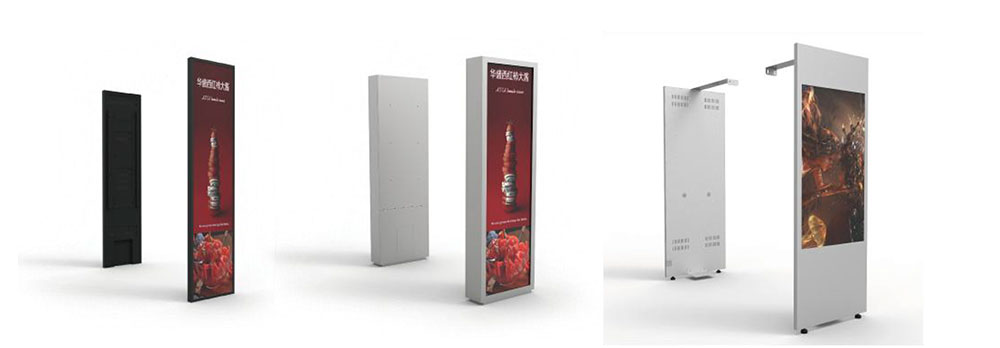
- Narrow control panels: Elevator displays, ATM edges, and vending machine facades often provide only a slim vertical or horizontal channel. A bar-type LCD fills this channel without wasting bezel space.
- Instrument clusters: Test equipment, medical monitors, and process controllers frequently require a wide, shallow readout to present continuous waveforms, gauges, or multi-parameter dashboards.
- Retrofit and legacy replacement: When an obsolete panel is discontinued, machine owners need a drop-in display matching the exact original window—dimensions that rarely align with modern standard ratios.
- Signage inside machinery: Transit information strips, shelf-edge displays, and queue systems benefit from elongated formats that match the physical mounting surface.
Engineering Considerations for a Custom Ratio Panel
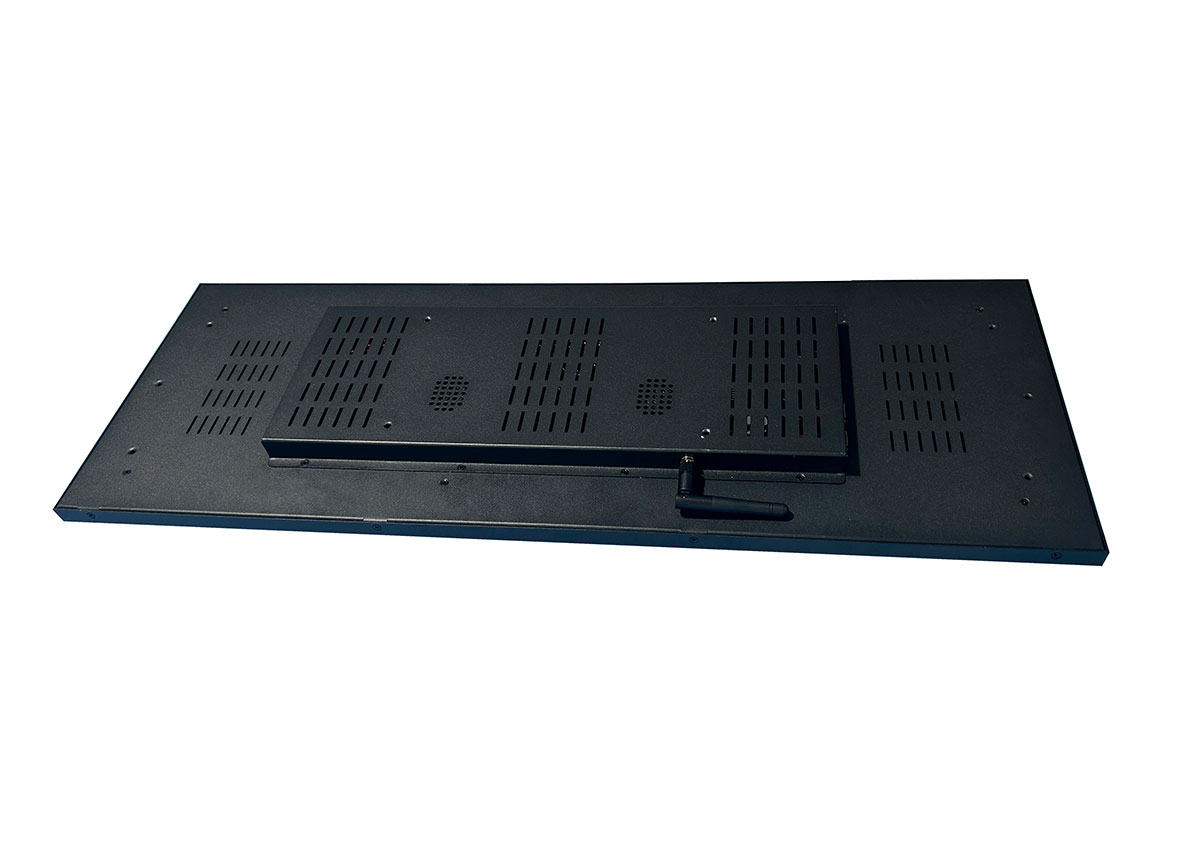
Delivering a reliable custom ratio LCD for industrial use requires more than a mechanical resize. Our engineering team evaluates a defined set of parameters for every project.
Backlight Uniformity and Brightness
Industrial displays are commonly deployed outdoors or under intense ambient lighting. Custom ratio panels must be paired with a redesigned LED backlight so that luminance remains uniform across an unusual aspect. For high-brightness applications, HITULCD engineers backlights delivering 1,000 to 2,500 nits, with local light-guide tuning to avoid hotspots or dim edges introduced by the non-standard geometry.
Timing Controller and Signal Mapping
When a panel is cut or built to a custom active area, the driver IC and timing controller must be reconfigured so the addressable resolution matches the physical pixel grid. Incorrect mapping causes image compression, dead columns, or shifted content. A dedicated TCON and correctly programmed EDID ensure that the host system recognizes and drives the true native resolution.
Interface Compatibility
Industrial hosts use a wide range of interfaces—LVDS, eDP, MIPI-DSI, or RGB. Custom ratio modules should be delivered with the interface matching the customer's SBC or controller board, along with the correct connector pinout to simplify integration.
Mechanical and Environmental Robustness
Because these panels mount into sealed enclosures, factors such as operating temperature range (typically -30°C to +85°C for industrial grade), vibration resistance, optical bonding for sunlight readability, and enhanced cover glass all influence long-term reliability in the field.
Custom Ratio vs. Standard Panel with Masking
Some integrators attempt to fake a custom ratio by placing a standard 16:9 panel behind a mask that hides unused areas. This approach wastes backlight power, increases module depth, generates unnecessary heat, and enlarges the bezel footprint. A true custom ratio LCD eliminates the dark, wasted glass, reduces power draw, and produces a cleaner industrial aesthetic. For volume production, a purpose-built panel is almost always the more cost-effective and thermally efficient solution.
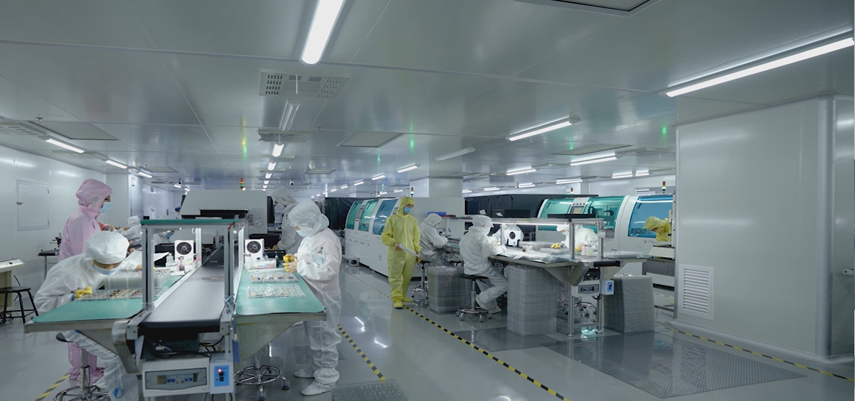
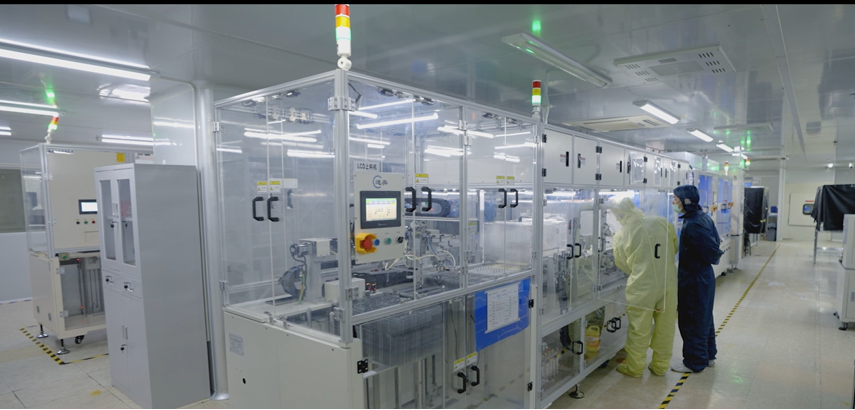
The HITULCD Customization Process
Our workflow is designed to move a project from concept to qualified production with predictable results:
- Requirement definition: We capture the exact active area, brightness target, interface, and environmental specification.
- Feasibility and sampling: Engineering confirms whether the ratio is best achieved by custom cutting or new glass tooling, then delivers samples.
- Optical and electrical validation: Each prototype is tested for uniformity, viewing angle, contrast, and signal integrity.
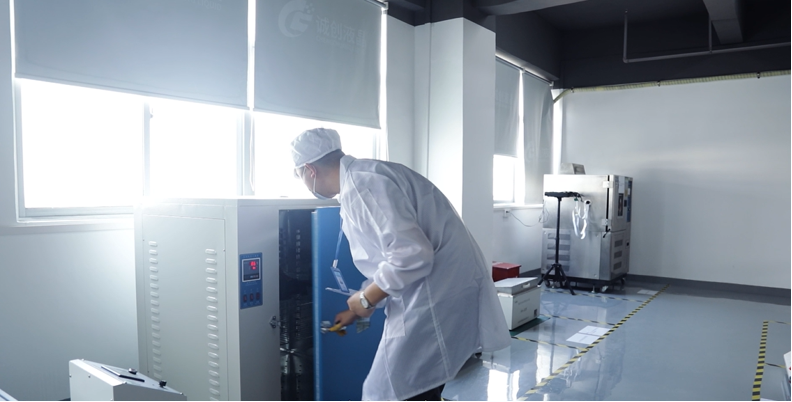
- Reliability qualification: Panels undergo thermal cycling, humidity, and vibration testing before mass production sign-off.
Conclusion
A custom ratio LCD display transforms a mechanical constraint into a design opportunity. By matching the panel precisely to the equipment window, machine builders gain a cleaner interface, lower power consumption, and better use of enclosure space. With deep expertise in high-brightness backlight engineering, timing controller configuration, and industrial-grade reliability, HITULCD helps OEMs deliver displays that fit their equipment perfectly—no compromise on shape, brightness, or longevity.
KEYWORDS: custom ratio LCD display, industrial LCD panel, bar type LCD, high brightness display, non-standard aspect ratio