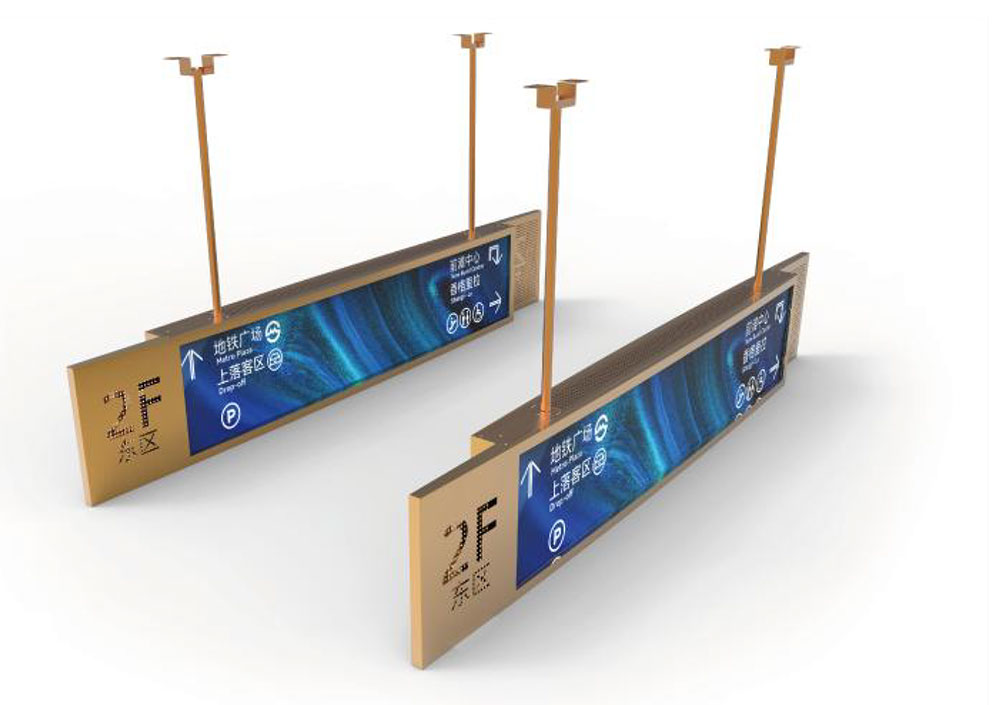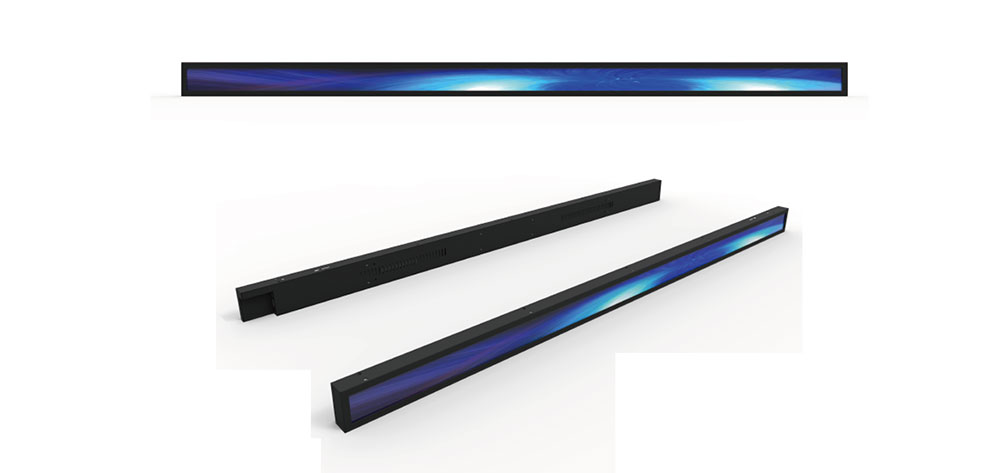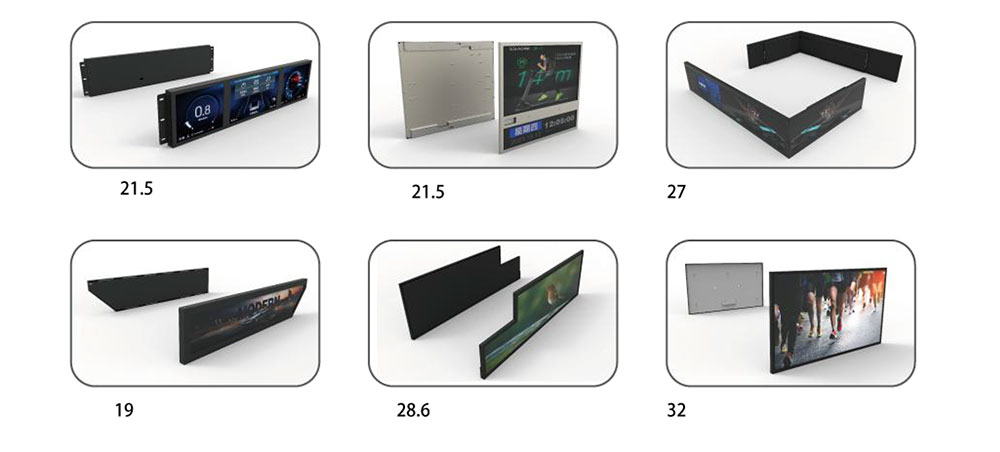
Passenger information systems have become the nervous system of modern transportation. Whether mounted at a metro platform, inside a bus shelter, on an airport concourse, or along a highway corridor, these displays carry the schedules, delays, platform changes, and safety notices that keep people moving. When the information is accurate, timely, and legible, passengers trust the network and plan with confidence. When it fails, confusion spreads quickly and operators lose credibility. At HITULCD, we design high-brightness LCD displays for exactly these demanding environments, so we see firsthand which engineering features separate a dependable passenger information display from one that degrades after a single summer. The ten features below define what reliability actually means in the field.
1. Sunlight-Readable High Brightness
A passenger information display is useless if riders cannot read it under direct sun. Outdoor and semi-outdoor transport sites commonly demand 1,500 to 2,500 nits, and transflective or fully sunlight-readable panels push higher still. High brightness keeps characters sharp against glare at a railway platform at noon or a bus stop facing west at sunset. Reliable systems pair raw luminance with optical bonding to cut internal reflection, so contrast holds up rather than washing out when ambient light is strongest.

2. Automatic Brightness Control
Fixed brightness wastes power at night and blinds passengers in dark tunnels or underground stations. An ambient light sensor lets the display track surrounding conditions in real time, dimming in low light and ramping up under sun. This protects the backlight from unnecessary thermal stress, extends service life, and keeps readability consistent across a full day and night cycle without manual intervention.
3. Wide Operating Temperature Range
Transportation hardware lives outdoors through heat waves and hard freezes. A reliable display operates across roughly minus 30 to plus 80 degrees Celsius, with features such as liquid crystal clearing-point tuning to prevent high-temperature blackening and heaters to stop low-temperature sluggishness. Without this range, screens go dark in a cold snap or turn opaque in a heat-soaked enclosure exactly when passengers need them.
4. Long-Life Backlight and Burn-In Resistance
Passenger information often shows the same layout for years: a static route header, fixed field positions, a persistent clock. LED backlights rated for 50,000 hours or more, combined with pixel-shifting and content-rotation strategies, prevent image retention and keep uniformity stable. Long backlight life also reduces the maintenance crews and track-access windows an operator must schedule.
5. Wide Viewing Angle
Passengers approach from many directions and distances. IPS-class panels deliver near 178-degree horizontal and vertical viewing with minimal color and contrast shift, so a departure board reads the same to someone standing directly in front as to a traveler glancing from the side of a concourse. Narrow viewing angles create dead zones where information effectively disappears.
6. Rugged Mechanical and Environmental Protection
Dust, rain, vibration, and vandalism are constant in transit. IP65-rated front bezels, tempered or anti-vandal cover glass, and vibration-tolerant mounting let a display survive a trackside environment or a moving vehicle. Sealed enclosures with managed airflow keep condensation and particulates away from the optical stack, which is where most field failures begin.
7. High Reliability and Long MTBF
Reliability is measured, not assumed. A strong mean time between failures, redundant power input, and industrial-grade components rated for continuous 24/7 operation keep the display live through years of uninterrupted service. Transportation networks run around the clock, so a consumer-grade panel designed for eight-hour office duty will not survive the duty cycle.
8. Fast Content Updates and Flexible Connectivity
Passenger information is only as good as how quickly it reflects reality. Reliable displays accept real-time feeds over Ethernet, cellular, or fiber, support standard protocols used by transit management systems, and refresh platform changes or delay notices within seconds. Local caching keeps the last known good content on screen if the network drops, so a connectivity hiccup never leaves passengers staring at a blank panel.
9. Clear Typography and Accessible Design
Hardware and content design must work together. High resolution, generous contrast ratios, and support for large fonts, multiple languages, and color-coded status make information readable for every passenger, including those with limited vision. A reliable display renders crisp text at the viewing distances the site actually requires, from a two-meter shelter sign to a thirty-meter station overview board.
10. Remote Monitoring and Diagnostics
Across a network of hundreds of screens, operators cannot inspect each one in person. Built-in temperature, brightness, and health sensors report status to a central dashboard, flag a failing backlight or overheating enclosure before it goes dark, and allow remote firmware updates. This turns maintenance from reactive repair into planned service, which is the practical foundation of long-term reliability.
Conclusion
Reliable passenger information is the product of deliberate engineering choices, not luck. Sunlight readability, automatic brightness, a wide temperature range, long-life backlights, broad viewing angles, rugged protection, proven MTBF, fast connectivity, accessible typography, and remote diagnostics each close a specific failure mode that transportation environments exploit. HITULCD builds high-brightness LCD displays around all ten so that schedules stay visible, updates stay current, and passengers keep their trust in the network, day and night, through every season.
KEYWORDS: passenger information display, high-brightness LCD, transportation display, sunlight-readable screen, reliable transit signage