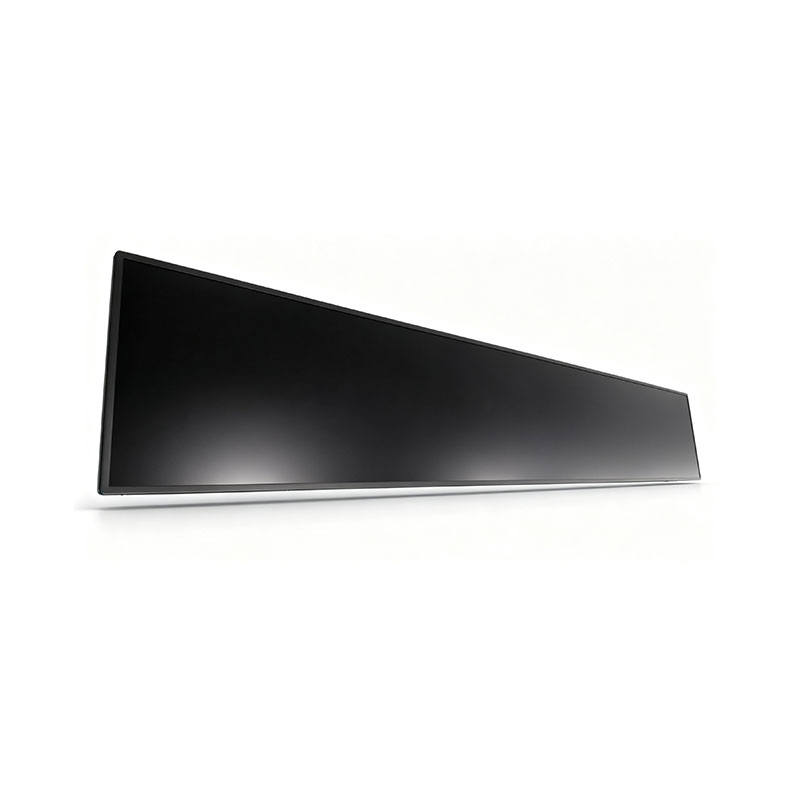
86 Inch Ultra Stretch Display for Retail Shelf and Store Signage
MODEL: DV860FBM‑N11
Need customized solution?
Our engineering team is always ready to provide you with professional technical support and flexible customized services.
Understand light customization servicesBuilt by us. Configured for you.
HITULCD supplies LCD modules and display solutions directly from our manufacturing operation, giving OEMs, integrators and distributors direct access to engineering, customization and production.
Supply
Supplier Qualification
VerificationTechnical Specifications
| LCD PANEL PARAMETERS | HDMI/CONTROL BOARD SPECIFICATIONS | ||
|---|---|---|---|
| ITEM | DETAILS | ITEM | DETAILS |
| Model Number | DV860FBM‑N11 | Input Interface | Require V‑by‑One Driver Board(NOT LVDS) |
| Manufacturer | HITULCD | Power Input | DC 12V‑20A (High‑power,Max 228W) |
| Diagonal Size | 86.0" Native Stretched Bar (Not Cut Panel) | OSD KEYS | Depends on V‑by‑One controller |
| Resolution | 3840(RGB) × 600, 6.4:1 | OSD CONTROL | Depends on V‑by‑One controller |
| Panel Type | a‑Si TFT‑LCD, LCM | ||
| Pixel Arrangement | RGB Vertical Stripe | ||
| Display Area(A.A) | 2148.48(W)×335.7(H) mm | ||
| Overall Dimension | 2171.08(W)×359.5(H)×41.29(D) mm | ||
| Panel Weight | 13.5Kgs (Max.) | ||
| Surface Treatment | Matte (Haze 25%), Hard Coating (3H) | ||
| Contrast Ratio | 1200:1 (Typ.)(Transmissive) | ||
| Typical Brightness | 1000 NITS | ||
| Response Time | 13 (Typ.)(G‑to‑G) ms | ||
| LCD Technology | ADS, Normally Black, Transmissive | ||
| Viewing Angle | 89°/89°/89°/89°(Typ.)(CR≥10) | ||
| Viewing Direction | Full Viewing Angle | ||
| Display Colors | 1.07B Colors,72% NTSC | ||
| Refresh Rate | 60Hz | ||
| Backlight Type | WLED,50K Hours,With LED Driver | ||
| Power Consumption | 228W (Max.) | ||
| Signal Interface | 51 pins,0.5 mm V‑by‑One 8‑lanes (NOT LVDS) | ||
| Supply Voltage | 12.0V (Typ.) | ||
| Touch Panel | Without Touch Function | ||
| Application Fields | Industrial Equipment,Digital Signage | ||
| Operating Temperature | -20 ~ 60 °C | ||
| Storage Temperature | -30 ~ 70 °C | ||
| Important Remark | Uses V‑by‑One 8‑lanes interface, regular LVDS controller board CANNOT work directly,special V‑by‑One driver board is mandatory.Native stretched‑bar panel,max power consumption 228W,please fully consider power supply and thermal design.Weight 13.5kg,mechanical load assessment required.Compare with DV860FBM‑N10:max power optimized to 228W,mechanical,optical & thermal parameters are identical. | ||
86-Inch Ultra Stretch LCD Display for Retail Shelf & Store Signage
An Engineering-Oriented Display Platform for Large-Format Retail Integration
The 86-inch Ultra Stretch LCD Display is designed for retail display manufacturers, digital signage integrators, system houses, and project-based buyers who need a wide-format screen that can fit long retail structures without using a conventional 16:9 display.
With a 3840 × 600 resolution, approximately 6.4:1 aspect ratio and 1000-nit brightness, the display provides a long horizontal viewing area for retail shelf communication, store signage, promotional content, product information and other large-format digital display applications.
Rather than supplying only a finished monitor, HITULCD supports display module integration and OEM/ODM engineering, allowing customers to discuss mechanical dimensions, brightness, interfaces, thermal requirements and other project-specific parameters directly with the engineering team.
Designed Around Your Mechanical Structure
For large-format retail projects, the display itself is only one part of the system.
The available installation space, cabinet structure, mounting method, power supply, ventilation and cable routing can all affect the final display configuration.
HITULCD can work with your engineering team during the early project stage to evaluate:
Display dimensions and active area
Overall mechanical envelope
Mounting and fixing requirements
Connector position and cable routing
Driver-board integration
Power supply requirements
Thermal management
Installation orientation
Protective glass or front-cover requirements
Touch or non-touch configurations
Custom brightness requirements
For the standard 86-inch configuration, the panel has an overall dimension of approximately 2171.08 × 359.5 × 41.29 mm and a maximum panel weight of approximately 13.5 kg, making mechanical load and mounting design important considerations during system integration.
Engineering Evaluation Before Production
For OEM and project-based purchases, HITULCD can evaluate the display configuration before moving into production.
A typical engineering review can cover the following areas.
1. Mechanical Compatibility
Before confirming a customized display configuration, the engineering team can review:
Required display length and height
Installation clearance
Mounting-hole requirements
Housing or bezel dimensions
Cable exit location
Driver-board placement
Structural support
Weight limitations
Customers can provide mechanical drawings, CAD files, product dimensions or installation photographs where available.
This allows the display configuration to be evaluated against the actual equipment structure instead of selecting a panel based only on diagonal size.
2. Display Interface & Controller Compatibility
The standard 86-inch model uses a 51-pin, 0.5 mm V-by-One 8-lane interface and requires a compatible V-by-One driver board. It is not a conventional LVDS panel, so controller compatibility should be confirmed before system development.
For project evaluation, customers should ideally provide:
Existing controller-board model
Video input requirement
Required resolution
Refresh-rate requirement
Signal interface
Operating system or media-player architecture
Cable length
OSD/control requirements
This helps prevent a common integration problem: confirming the LCD specification first and discovering a controller/interface mismatch later.
3. Power & Thermal Engineering
Large ultra-wide displays require more attention to power and heat than conventional small-format LCD modules.
The standard 86-inch configuration specifies:
Typical brightness: 1000 nits
Maximum power consumption: 228 W
Supply voltage: 12 V
Operating temperature: -20°C to 60°C
Storage temperature: -30°C to 70°C
LED backlight lifetime: 50,000 hours
For an enclosed retail cabinet, project engineers should consider:
Available power budget
Power-supply capacity
Internal airflow
Ambient temperature
Heat accumulation inside the enclosure
Installation orientation
Continuous operating schedule
For custom projects, HITULCD can review these parameters together with the customer's enclosure design before production.
4. Custom Display & Panel Integration
Not every retail structure has the same available display area.
Depending on the project, customers may require changes to:
Display dimensions
Aspect ratio
Brightness
Interface
Driver board
Touch function
Mechanical structure
Mounting configuration
Housing integration
HITULCD's OEM/ODM workflow supports projects from prototype samples through repeat production, with engineering communication available during specification and integration stages.
For projects involving customized panel dimensions or non-standard LCD structures, the engineering team can first evaluate the feasibility rather than committing to a production configuration before the technical requirements are understood.
5. Custom Cutting Feasibility Assessment
For projects that require a custom-cut LCD panel or non-standard display geometry, cutting feasibility needs to be evaluated separately from the standard 86-inch product.
Depending on the proposed panel structure and target dimensions, the engineering assessment may consider:
Cutting Method
The appropriate cutting process should be selected according to the specific LCD structure, required dimensions, tolerance and production volume.
Possible process considerations may include:
Mechanical cutting
Precision laser processing
Other panel-specific processing methods
The final process should be confirmed by engineering evaluation rather than assumed from the finished display dimensions.
TFT / Circuit Clearance
Before accepting a custom cutting requirement, the engineering team may need information such as:
Original LCD panel drawing
Glass dimensions
Active area
Border dimensions
Gate/Source line location
TFT array layout information where available
Existing FPC location
Connector location
Target cutting dimensions
Required dimensional tolerance
This information helps determine whether the proposed geometry is technically feasible.
6. Edge Processing & Sealing Considerations
For customized LCD glass processing, edge quality and sealing are important because the modified edge becomes part of the reliability design.
Depending on the actual panel construction and customization method, the engineering review can address:
Edge flatness
Micro-crack control
Edge protection
Moisture protection
Sealing requirements
FPC protection
Light leakage around modified areas
Mechanical stress concentration
For projects requiring secondary sealing or edge protection, the specific process and material should be confirmed according to the actual LCD construction and reliability requirements.
This approach allows the sealing method to be defined according to the project instead of applying one process to every LCD model.
7. Reliability & Quality Evaluation
For commercial and industrial B2B projects, prototype approval should cover more than visual inspection.
Depending on the application and agreed project specification, the evaluation program may include:
Temperature testing
Humidity testing
Thermal cycling
High/low-temperature operation
Continuous operation / burn-in
Mechanical inspection
Display uniformity inspection
Brightness verification
Color and optical inspection
Connector and interface testing
For customers with an established qualification procedure, HITULCD can review the required test conditions during the project evaluation stage.
Important: Specific test results should be provided according to the actual tested model and available test documentation rather than using generic reliability figures for every customized product.
8. Optical Performance After Customization
For an ultra-wide display, optical uniformity is particularly important because the viewer sees a very large continuous horizontal image area.
Engineering evaluation can therefore consider:
Brightness uniformity
Backlight uniformity
Color consistency
Mura
Light leakage
Viewing-angle performance
Surface treatment
Reflection control
The standard 86-inch model uses a matte surface with 25% haze and 3H hard coating, with a typical 1000-nit brightness, 1200:1 contrast ratio and full viewing-angle specification.
For retail environments with strong ambient lighting, the surface treatment and brightness configuration should be selected together rather than evaluating brightness alone.
9. Prototype → Validation → Mass Production
For project-based customers, HITULCD can support a staged development process:
Stage 1 — Requirement Review
Customer provides:
Target dimensions
Application
Installation environment
Required brightness
Resolution
Interface
Mechanical drawing
Quantity forecast
Stage 2 — Engineering Feasibility
HITULCD reviews:
Panel availability
Mechanical compatibility
Interface requirements
Power consumption
Thermal conditions
Customization feasibility
Estimated production requirements
Stage 3 — Prototype
A prototype configuration is prepared for:
Mechanical verification
Electrical integration
Display testing
Thermal evaluation
Software/interface testing
Installation verification
Stage 4 — Design Validation
The customer evaluates the sample within the actual equipment or retail structure.
Any required changes can then be reviewed before mass production.
Stage 5 — Production
After specification approval, the project moves into repeat production with the agreed technical configuration and QC requirements.
HITULCD currently states a 2–3 week standard lead time, with 4–6 weeks for custom projects, subject to the actual project specification. The company also states that prototype, small-batch and volume programs are supported.
10. What We Need From Your Engineering Team
To evaluate an OEM/ODM project efficiently, you do not need to prepare a complicated technical package at the beginning.
The following information is usually sufficient for an initial assessment:
| Requirement | Information |
|---|---|
| Target size | Width × height or diagonal size |
| Aspect ratio | Required ratio if known |
| Resolution | Target resolution |
| Brightness | Typical required brightness |
| Application | Retail shelf, store signage, kiosk, transportation, etc. |
| Installation | Horizontal / vertical / custom |
| Interface | HDMI, V-by-One, LVDS, eDP, etc. |
| Environment | Indoor / semi-outdoor / outdoor |
| Temperature | Required operating range |
| Operating schedule | Intermittent / 16/7 / 24/7 |
| Mechanical drawing | CAD / PDF / sketch if available |
| Quantity | Prototype quantity + estimated annual volume |
| Customization | Panel / bezel / controller / touch / housing |
If some information is not yet available, the project can still begin with the basic dimensions, application and target quantity.
11. OEM / ODM Project Support
HITULCD provides more than a standard display specification.
For OEM and system-integration projects, the engineering workflow can cover:
Display Panel → Driver Board → Mechanical Integration → Thermal Design → Prototype → Validation → Production
This makes the 86-inch ultra-stretch display suitable for customers who are developing their own:
Retail shelf systems
Store signage
Digital merchandising systems
Retail display fixtures
Commercial display equipment
Digital signage products
Custom enclosures
Multi-screen retail installations
The objective is to provide a display module that can be integrated into the customer's existing product architecture rather than forcing the project to adapt to a standard 16:9 monitor.
Technical Summary
| Parameter | Standard 86-Inch Configuration |
|---|---|
| Model | DV860FBM-N11 |
| Display Size | 86.0" |
| Resolution | 3840 × 600 |
| Aspect Ratio | Approx. 6.4:1 |
| Brightness | 1000 nits |
| Display Area | 2148.48 × 335.7 mm |
| Overall Dimension | 2171.08 × 359.5 × 41.29 mm |
| Panel Technology | a-Si TFT-LCD / ADS |
| Viewing Angle | 89° / 89° / 89° / 89° |
| Refresh Rate | 60 Hz |
| Interface | V-by-One, 8-lane |
| Power | 228 W Max. |
| Operating Temperature | -20°C to 60°C |
| Storage Temperature | -30°C to 70°C |
| Backlight Lifetime | 50,000 hours |
| Surface | Matte, 25% Haze, 3H |
| Touch | Optional project configuration |
| Application | Industrial Equipment / Digital Signage |
Know The Terms Before You Inquire.
|
01 — Shipping Terms
Incoterms Available
EXW
Ex Works — pick up from our factory
FOB
Free On Board — most common for ocean freight
CIF
Cost, Insurance & Freight — to your port
|
02 — Order Minimum
MOQ: 1 Units
Applies to standard specs. Custom brightness, cutting or bezel may adjust MOQ, confirmed at quotation. Sample units available before bulk order
|
03 — Payment Protection
Multiple Secured Methods
|
A Real Factory. Publicly Verifiable.
|
Legal Company Name
Shenzhen Hantu Jiashi Technology Co., Ltd.
|
Unified Social Credit Code
91440300306068446B
|
|
Legal Representative
YUN CHEN
|
Registered Capital
RMB 2,000,000
|
|
Established
May 23, 2014 (11+ years operation)
|
Business Status
● Active / In Operation
|
|
Registered Factory Address
Building B, Gangshen Innovation Park, Huaning Road, Dalang Sub-district, Longhua District, Shenzhen, Guangdong, China
|
|
Contact HITULCD
We'll respond via email within 24 hours. If you'd like to discuss details over WhatsApp or a call, please leave a preferred time and contact method in your message — we will never call you unannounced.
Related solutions
This product is suitable for the following industry application scenarios
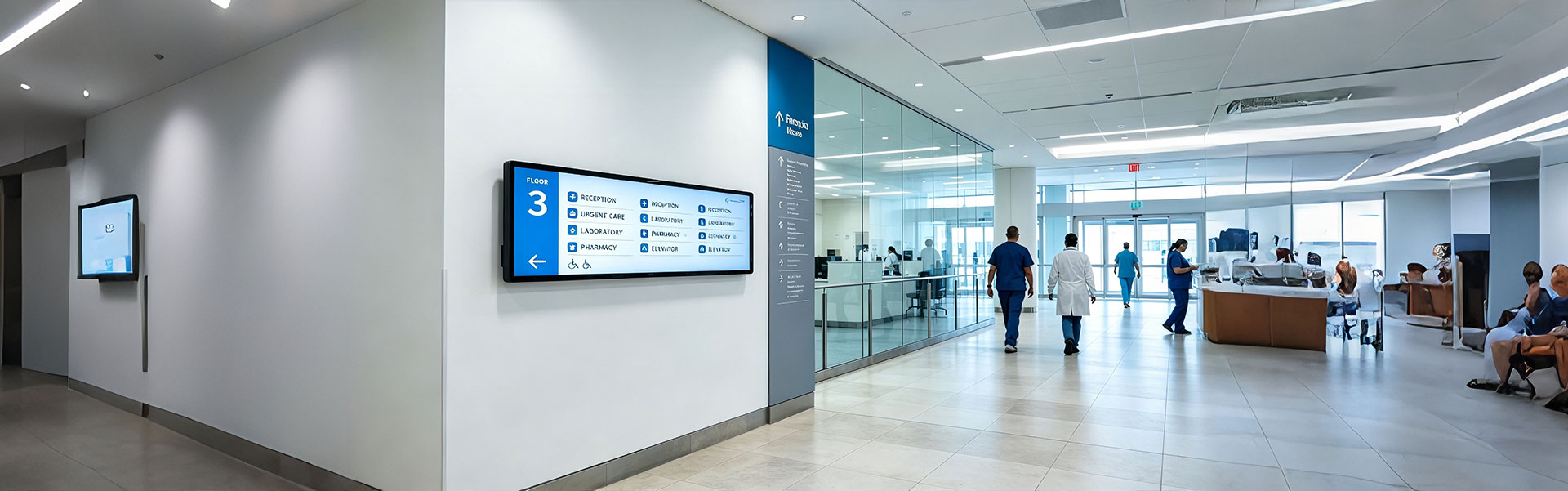
Floor Information Bar LCD Display Solution
Ultra-wide, high-brightness stretched bar LCD disp...
view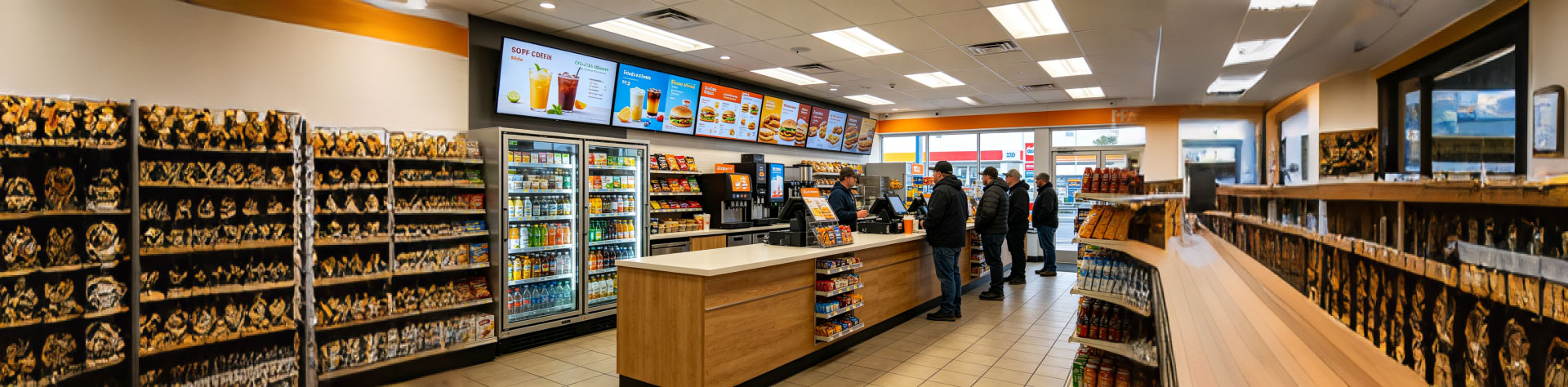
Convenience Store Bar LCD Display Solution
Ultra-slim, high-brightness stretched bar LCD disp...
view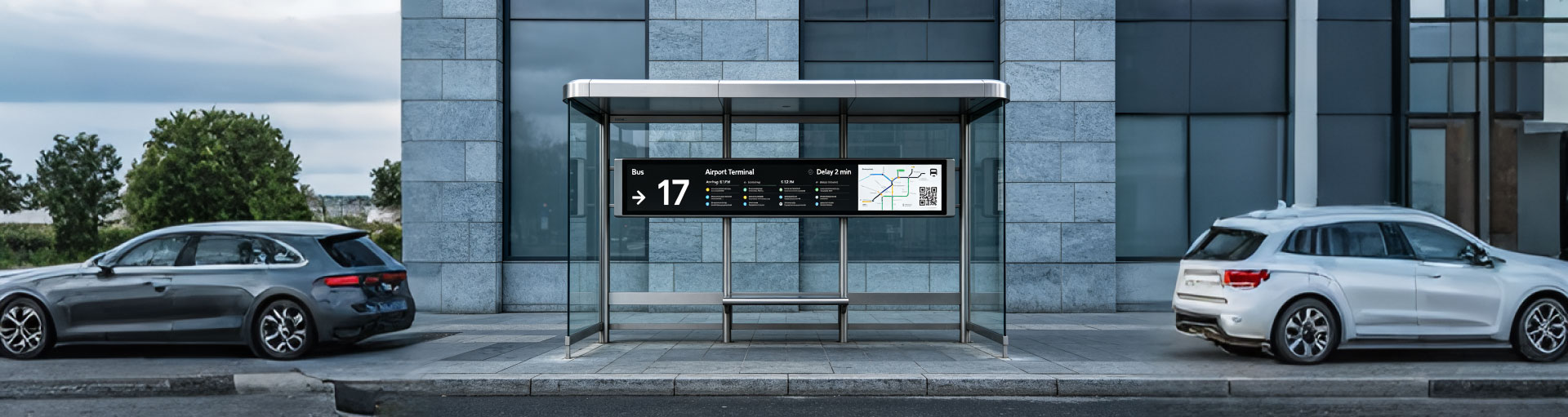
Bus Passenger Information Stretched Bar Display Solution
A rugged, ultra-wide stretched bar display solutio...
viewRelated Products
You may also be interested in the following products
