Outdoor kiosk touch screen monitors have become a defining feature of the modern British high street, transport network, and public service infrastructure. From self-service wayfinding terminals at railway stations to interactive ordering points outside quick-service restaurants, these displays must perform reliably under the UK's unpredictable weather, fluctuating temperatures, and long summer daylight hours. This guide examines ten highly capable outdoor kiosk touch screen monitors available in the UK market, and explains the technical criteria that separate a dependable deployment from a costly failure.
Why Outdoor Kiosk Displays Demand Specialist Engineering
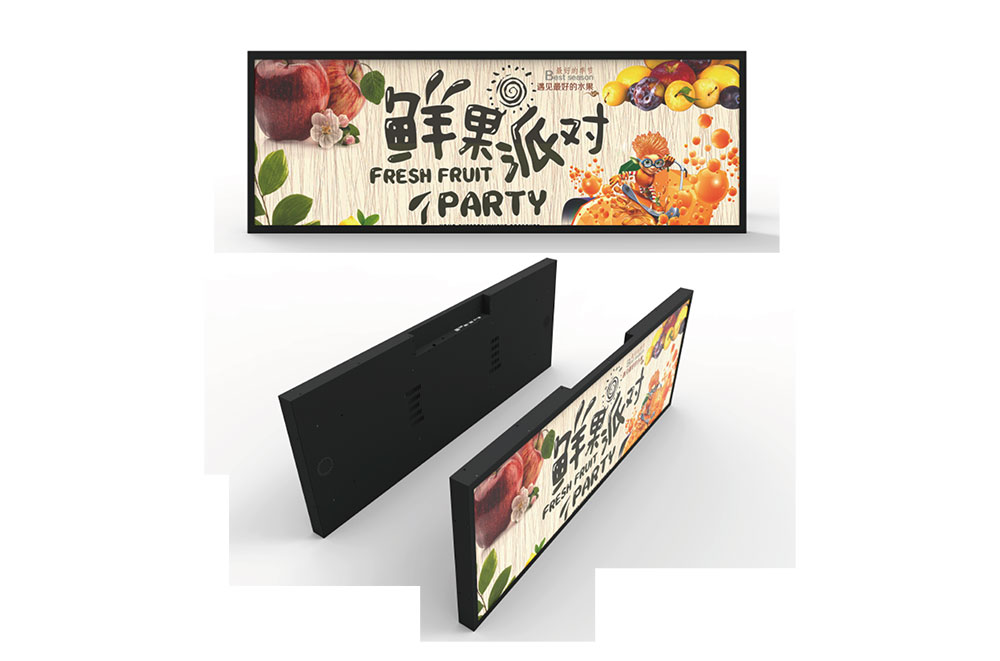
A standard indoor monitor placed behind glass in an outdoor enclosure will typically fail within months. Outdoor kiosk touch screens must contend with three principal challenges: ambient light readability, thermal management, and environmental sealing. In the UK, direct sunlight can push ambient brightness above 50,000 lux, which washes out any display below approximately 1,000 nits. Meanwhile, coastal humidity, winter frost, and condensation inside sealed enclosures place continuous stress on electronics and optical bonding.
High-brightness LCD technology addresses the readability challenge, while wide-operating-temperature panels, active cooling, and IP-rated enclosures manage the environmental burden. Understanding these fundamentals helps buyers interpret the specifications below rather than relying on headline figures alone.
Key Specifications to Compare
- Brightness (nits): Outdoor-facing units generally require 1,500 to 2,500 nits for confident sunlight readability.
- Touch technology: Projected capacitive (PCAP) offers responsive multi-touch and glove compatibility; infrared and surface acoustic wave alternatives suit specific use cases.
- Ingress protection: IP65 front and IP54 or higher rear ratings are common benchmarks for outdoor duty.
- Operating temperature range: A range of roughly -30°C to +60°C accommodates UK seasonal extremes plus internal heat build-up.
- Optical bonding: Reduces internal reflection, condensation risk, and parallax between the touch layer and panel.
10 Outdoor Kiosk Touch Screen Monitors Worth Considering
1. HITULCD 32" Sunlight-Readable PCAP Kiosk Display
Designed for continuous outdoor operation, this 2,000-nit panel pairs optical bonding with an anti-reflective front glass. Automatic brightness adjustment via an ambient light sensor helps balance visibility and power consumption across the day. PCAP touch remains responsive through rain and light gloves.
2. HITULCD 43" High-Brightness Interactive Panel
A larger format suited to wayfinding and advertising kiosks, offering 2,500 nits and a wide -30°C to +60°C operating window. The reinforced enclosure supports IP65 front sealing for exposed installations.
3. Samsung OMB Series Outdoor Display
Samsung's outdoor-oriented signage range provides robust brightness and integrated media playback. When paired with a certified kiosk enclosure and touch overlay, it serves retail and hospitality environments well.
4. LG High Brightness Outdoor Display
LG offers panels with strong colour performance and cooling systems intended for continuous operation. Touch functionality is typically added through an external PCAP layer during enclosure integration.
5. Elo 5502L Interactive Signage
Elo is well established in the UK kiosk sector. This model prioritises touch reliability and commercial-grade durability, though brightness levels make it more appropriate for shaded outdoor or semi-outdoor canopies.
6. ProDVX Outdoor Touch Terminal
A compact, Android-based option favoured for standalone self-service applications. Its integrated design simplifies deployment where a full PC is unnecessary.
7. Advantech UTC Series
Advantech's industrial touch computers combine display, compute, and I/O in one sealed unit, useful for ticketing and access-control kiosks requiring long-term firmware support.
8. HITULCD 55" Freestanding Kiosk Solution
A complete outdoor pedestal system with 2,500-nit display, active thermal management, and heater elements to prevent winter condensation—engineered specifically for UK climate variability.
9. Iiyama ProLite Outdoor-Ready Display
A cost-conscious choice for covered outdoor areas. Buyers should confirm enclosure IP ratings, as the base panel is not fully weatherproof on its own.
10. Philips D-Line High Bright Display
Philips provides high-brightness models with content management features, commonly integrated into third-party touch enclosures for public information systems.
Applicable Scenarios & Selection Considerations
No single monitor suits every outdoor deployment, and specifications should be matched to the physical environment. The following points help set realistic expectations.
- Direct sun versus shaded siting: A 1,500-nit display may perform adequately under a canopy but appear dim in unobstructed south-facing sunlight. Survey the installation position before finalising brightness requirements.
- Thermal limitations: High-brightness backlights generate heat, and enclosures without adequate cooling risk automatic dimming or shutdown during heatwaves. Displays are not immune to thermal derating, so ventilation and fan maintenance matter.
- Touch accuracy in wet conditions: PCAP performance can be affected by standing water and heavy rainfall, occasionally registering false touches. Software water-rejection features mitigate but do not fully eliminate this.
- Maintenance requirements: Outdoor units require periodic cleaning of filters, inspection of gaskets, and checks for condensation. Neglecting these tasks is a common cause of premature failure rather than any inherent product defect.
- IP ratings are conditional: An IP65 front does not guarantee whole-unit protection. Confirm the rear and cable-entry sealing, since these areas are frequent ingress points.
- Total cost of ownership: A lower purchase price can be offset by higher energy use, more frequent servicing, or shorter component lifespan. Evaluate the full lifecycle rather than headline cost alone.
Common Misconceptions
Two assumptions frequently lead to disappointing results. The first is that any bright indoor display can be reused outdoors; without proper sealing and thermal design, such units degrade rapidly. The second is that a higher IP number automatically means a more suitable product—ratings must be read in context of front, rear, and cable interfaces, and paired with correct installation practice.
Conclusion
Selecting an outdoor kiosk touch screen monitor in the UK is a matter of aligning brightness, touch technology, environmental sealing, and thermal management with the specific demands of the site. The ten options above span integrated terminals, standalone displays, and complete pedestal systems. By weighing the selection considerations honestly—particularly around maintenance and siting—organisations can specify a solution that performs consistently through the full range of British weather.
KEYWORDS: outdoor kiosk touch screen, high brightness LCD, sunlight readable display, PCAP touch monitor, UK outdoor signage