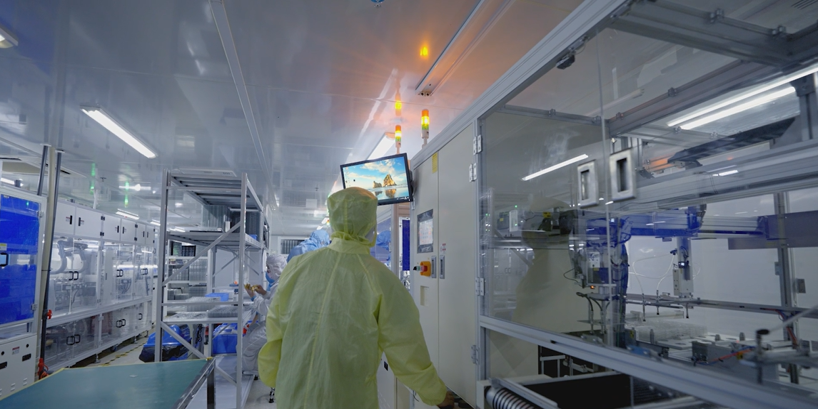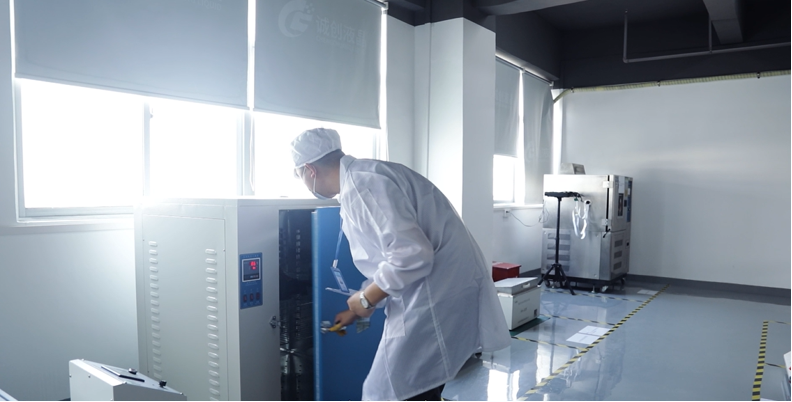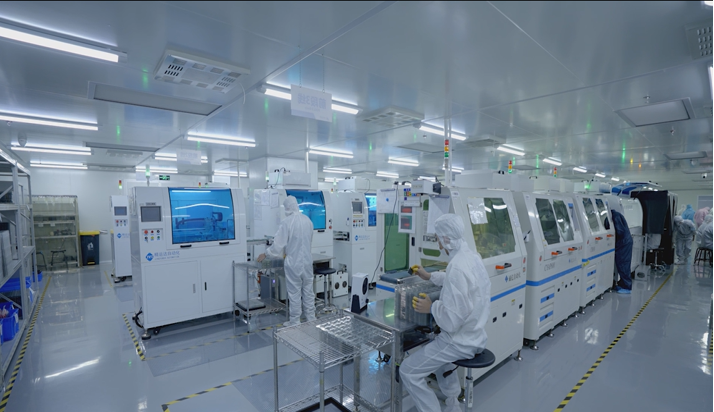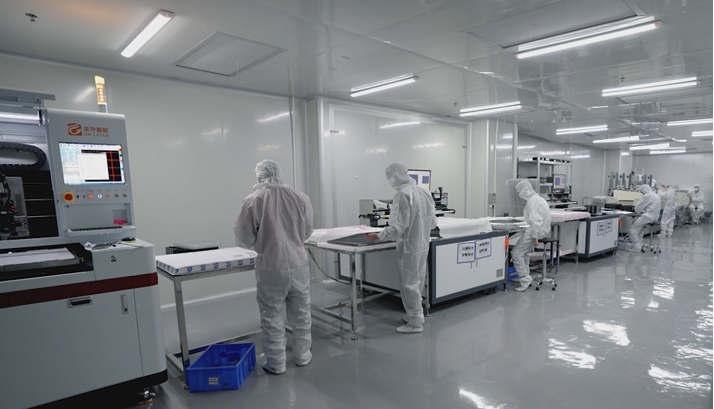
The electric vehicle (EV) revolution across the United States is accelerating at an unprecedented pace. From bustling urban charging hubs in Los Angeles to remote highway fast-charging corridors in the Midwest, the demand for reliable, high-visibility charging infrastructure has never been greater. At the heart of every successful EV charging station lies a critical yet often overlooked component: the display. The LCD screen is the primary interface between the driver and the charging network, delivering payment information, charging status, wayfinding, and dynamic advertising content. Choosing the right display is not merely a design decision—it is a mission-critical engineering choice that determines uptime, user satisfaction, and long-term operating costs.
At HITULCD, we specialize in high-brightness LCD solutions engineered for the harshest outdoor environments. In this comprehensive white paper, we examine the top 10 LCD display technologies and configurations best suited for EV charging stations in the USA, evaluating them against the demanding criteria of sunlight readability, thermal endurance, durability, and total cost of ownership.
Why LCD Display Selection Is Critical for EV Charging Stations
EV charging stations operate under conditions that push consumer-grade displays far beyond their limits. Unlike an indoor kiosk or a smartphone screen, a charging station display in the USA may face direct desert sunlight in Arizona exceeding 1,000 W/m², sub-zero winters in Minnesota, coastal salt fog in Florida, and near-constant public interaction 24 hours a day, 365 days a year.
A poorly specified display leads to washed-out screens under sunlight, black-screen failures during summer heat, condensation damage in humid climates, and premature backlight degradation. Every one of these failures translates directly into lost revenue and costly field service visits. The following ten display solutions represent the gold standard for reliable, sunlight-readable performance in American EV charging deployments.
1. HITULCD 1000-nit Sunlight-Readable TFT Display (10.1")
The 10.1-inch high-brightness TFT panel is a workhorse for compact AC Level 2 charging stations. Delivering a sustained luminance of 1000 nits, it remains fully legible even under direct midday sun. Its wide viewing angle IPS technology (178°/178°) ensures that drivers can read charging status and pricing information from any approach angle.
Engineered with an operating temperature range of -30°C to +85°C, this display thrives in the diverse climate zones of the continental USA. Its optically bonded touchscreen eliminates the air gap that causes internal condensation and reduces reflectance, improving contrast in bright conditions. For most urban and commercial Level 2 installations, this is the ideal balance of cost and performance.
2. HITULCD 1500-nit High-Brightness DCFC Display (15.6")
DC Fast Chargers (DCFC) demand larger, more informative displays capable of showing charging curves, session cost, remaining time, and interactive network features. Our 15.6-inch 1500-nit display is purpose-built for this role. The elevated brightness ceiling ensures crisp readability in the open, unshaded environments typical of highway rest stops and retail parking lots.
This model incorporates automatic ambient light sensing, dynamically adjusting brightness from a comfortable 300 nits at night to a blazing 1500 nits at noon. This intelligent dimming not only enhances user comfort but extends LED backlight lifespan and reduces power consumption—an important consideration for stations operating under time-of-use utility rates.
3. HITULCD 2500-nit Ultra-High-Brightness Outdoor Display (21.5")
For flagship charging hubs and premium branded stations that double as advertising platforms, the 21.5-inch 2500-nit ultra-high-brightness display is the definitive choice. This large-format Full HD panel remains vivid and readable even when installed facing direct sunlight without any canopy shading.
The 2500-nit output is achieved through a high-efficiency LED backlight array combined with advanced thermal spreading to prevent the localized heat buildup that plagues lesser high-brightness panels. This display is a favorite among charging network operators seeking to monetize screen real estate through dynamic digital signage and video content between charging sessions.
4. HITULCD Optically Bonded Capacitive Touch Display (13.3")
User interaction quality can make or break the charging experience. The 13.3-inch projected capacitive touch (PCAP) display features full optical bonding and a chemically strengthened cover glass rated to withstand vandalism and repeated glove-and-wet-finger use. The zero air gap construction improves optical clarity, mechanical rigidity, and thermal transfer simultaneously.
Because American charging stations are frequently unattended, resistance to abuse is paramount. This model supports 10-point multitouch through gloves up to 3mm thick—critical for winter operation in northern states where drivers rarely remove their gloves during a January charging session.
5. HITULCD Wide-Temperature Industrial TFT Display (12.1")
Not every deployment requires touch or maximum brightness, but every deployment requires reliability. The 12.1-inch wide-temperature industrial display prioritizes thermal endurance above all. With a validated operating range of -40°C to +85°C and industrial-grade components rated for 50,000+ hours of continuous operation, this display is engineered for the most extreme climates in the USA.
From Fairbanks-adjacent installations to Death Valley-region highway chargers, this panel maintains stable performance where consumer displays would fail. Conformal coating options protect against humidity, dust, and salt-laden coastal air, making it equally suited to Gulf Coast and Pacific Northwest deployments.
6. HITULCD IK10 Vandal-Resistant Reinforced Display (10.1")
Public infrastructure inevitably faces vandalism, accidental impacts, and intentional abuse. The IK10-rated reinforced display combines a 1000-nit sunlight-readable panel with a thick tempered protective glass front, achieving the highest impact protection classification available. IK10 certification means the display withstands a 20-joule impact—equivalent to a 5 kg object dropped from 40 cm.
This is the display of choice for high-traffic urban charging locations, transit centers, and parking structures where the risk of physical abuse is elevated. Paired with an IP65-rated enclosure interface, it delivers both physical toughness and complete protection against dust ingress and water jets.
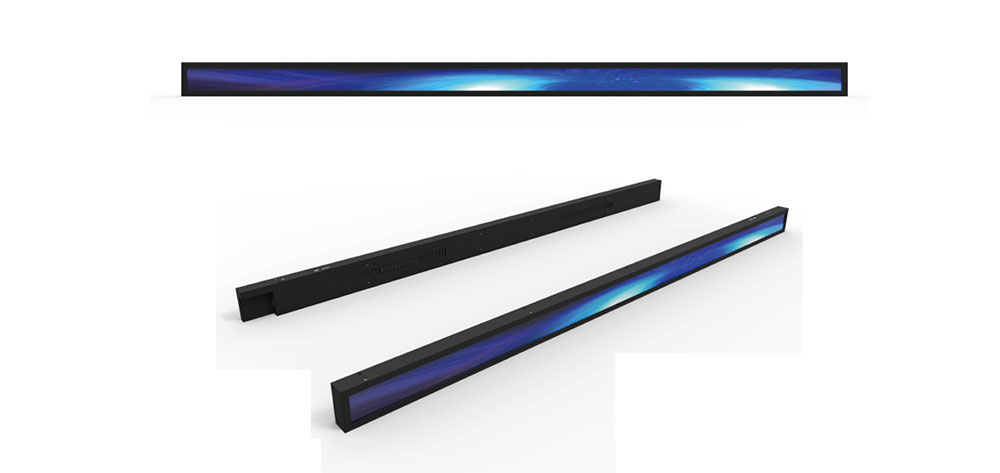
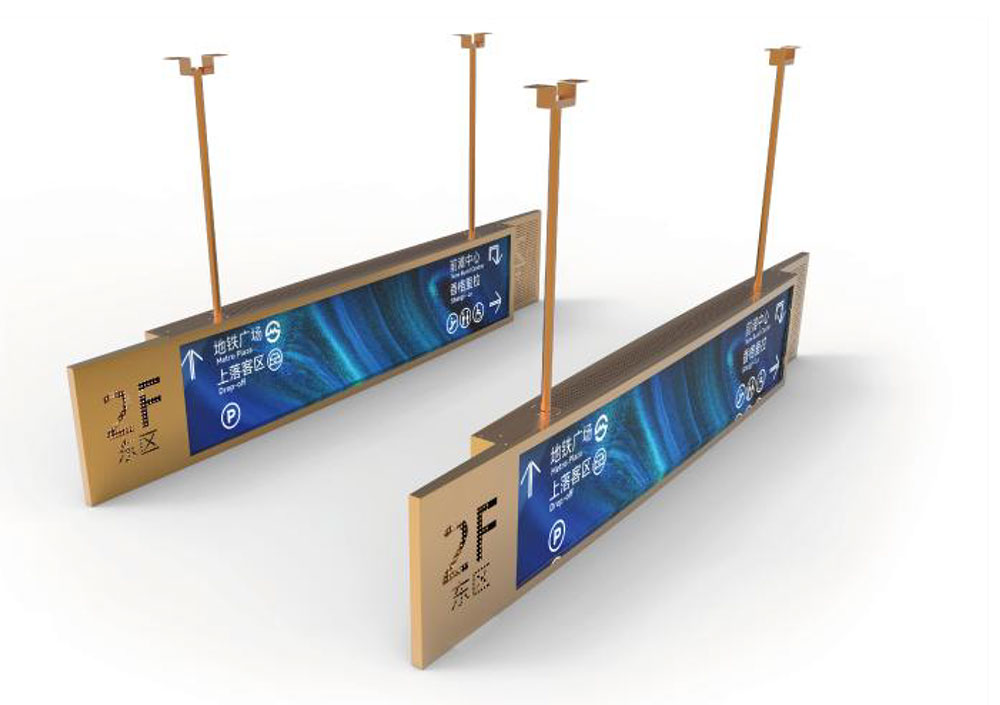
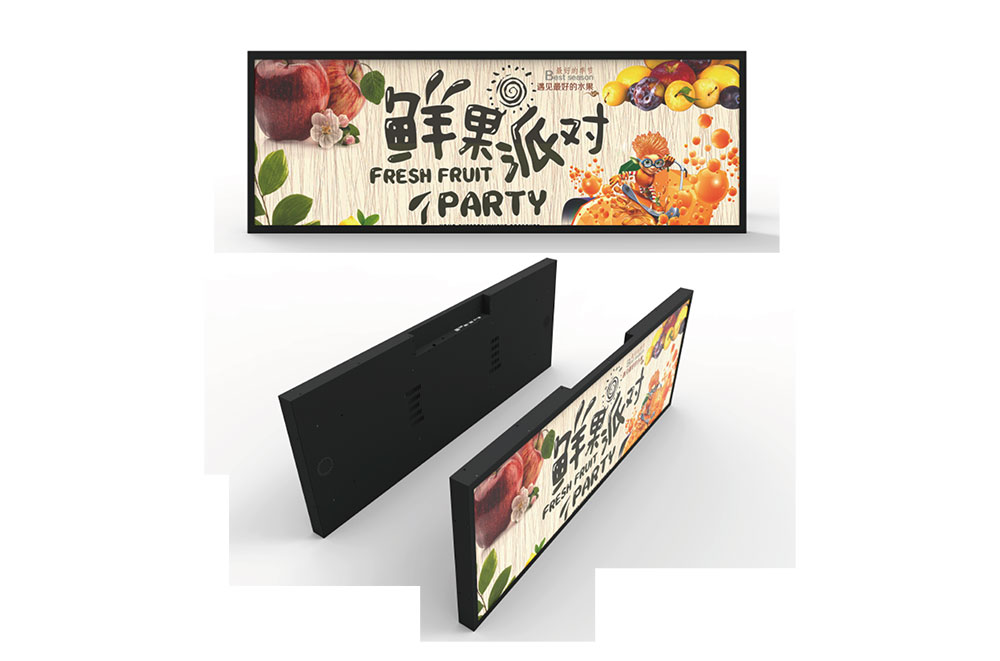
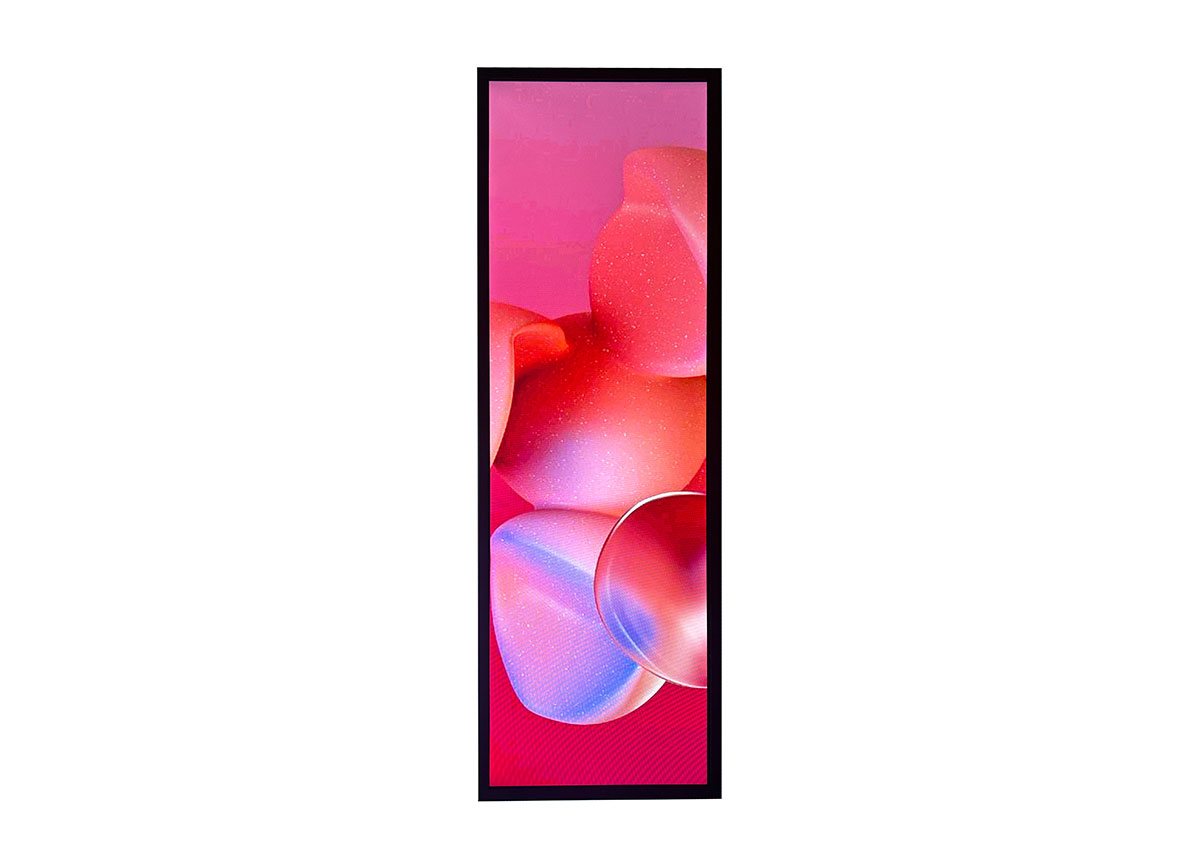
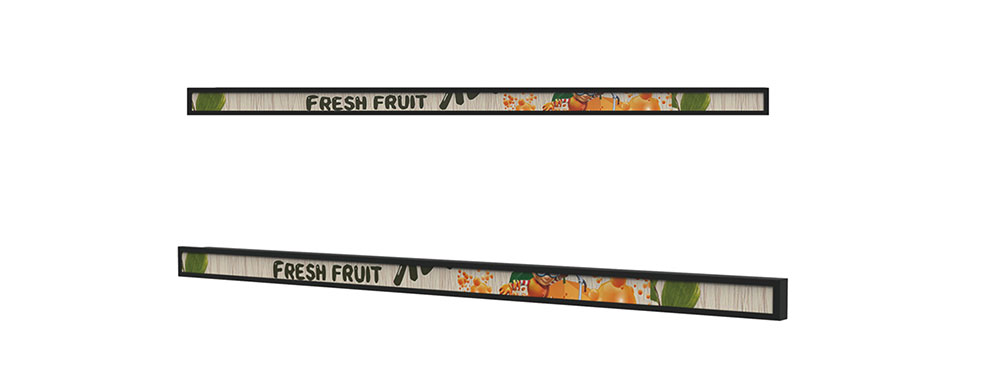
7. HITULCD Ultra-Wide Bar-Type Display (28.6" Stretched)
Modern charging pedestals increasingly favor tall, narrow form factors that mount cleanly on charging bollards while providing generous vertical space for status graphics and QR-code payment prompts. The 28.6-inch ultra-wide stretched bar display fits this architecture perfectly.
Available in brightness configurations from 1000 to 2000 nits, this uniquely shaped panel maximizes visual impact and information density on a slim footprint. Its portrait orientation is ideal for showing a vertical charging progress bar, station branding, and step-by-step user instructions in a single, glanceable layout that reduces user confusion and support calls.
8. HITULCD Anti-Glare AG+AR Coated Display (18.5")
Sunlight readability is not solely a function of brightness—surface reflection management is equally important. The 18.5-inch display featuring combined anti-glare (AG) etching and anti-reflective (AR) coating dramatically reduces mirror-like reflections and diffuses harsh sunlight, delivering excellent readability even at moderate 1000-nit brightness levels.
By reducing reflectance to below 1%, this display achieves outstanding contrast ratios in bright ambient conditions while consuming less power than brute-force high-nit alternatives. This makes it an energy-conscious, cost-effective choice for shaded canopy installations and covered parking garages where partial sunlight and glare from surrounding vehicles remain a concern.
9. HITULCD High-Contrast Local Dimming Display (23.8")
For premium charging experiences that showcase rich media, maps, and branded content, image quality matters. The 23.8-inch high-contrast display employs local dimming backlight technology to deliver deep blacks and vivid colors, elevating the visual experience during charging sessions that can last 20 to 40 minutes.
This model reaches peak brightness of 1800 nits for sunlight legibility while intelligently dimming darker screen regions to enhance contrast and reduce power draw. For charging networks positioning themselves as premium destinations—such as those co-located with retail, dining, or entertainment—this display transforms idle charging time into a branded engagement opportunity.
10. HITULCD Fully Sealed IP65 Front & Rear Modular Display (15.6")
Water and dust ingress are among the leading causes of display failure in outdoor infrastructure. The 15.6-inch fully sealed modular display achieves IP65 protection on both front and rear surfaces, allowing it to be integrated into charging enclosures with minimal additional weatherproofing engineering.
Its modular architecture simplifies field servicing—technicians can swap the entire display assembly in minutes rather than performing complex in-field repairs, minimizing station downtime. This total-cost-of-ownership advantage makes it a preferred solution for large-scale network operators managing hundreds or thousands of charging points across multiple states.
Key Selection Criteria for EV Charging Station Displays
Selecting from among these ten solutions requires a structured evaluation of the specific deployment environment. HITULCD engineers recommend weighing the following factors:
Brightness and Sunlight Readability
As a general guideline, unshaded outdoor displays in the sunbelt states should target a minimum of 1500 nits, while shaded canopy installations can perform well at 1000 nits, particularly when paired with AG+AR coatings. Automatic brightness control is strongly recommended to balance readability, power consumption, and backlight longevity.
Operating Temperature Range
The USA spans multiple climate extremes. A single national charging network may deploy identical hardware in both Phoenix and Minneapolis. Specifying a wide-temperature display rated from -30°C to +85°C—or -40°C for the most extreme locations—ensures consistent hardware across all sites and simplifies inventory management.
Optical Bonding and Condensation Control
Optical bonding eliminates the internal air gap where moisture can condense and fog the display. This is essential for any deployment facing significant day-night temperature swings or high humidity. Bonded displays also resist internal dust accumulation and improve mechanical durability.
Touch Technology and Durability
PCAP touch with thick cover glass offers the best combination of responsiveness, glove operation, and vandal resistance. For maximum protection in high-abuse locations, IK10-rated reinforced glass should be specified.
Ingress Protection and Serviceability
IP65 sealing protects against the dust, rain, snow, and car-wash-adjacent conditions common at public charging sites. Modular designs that enable rapid field replacement dram KEYWORDS: Top 10 LCD Displays for EV Charging Stations in the USA