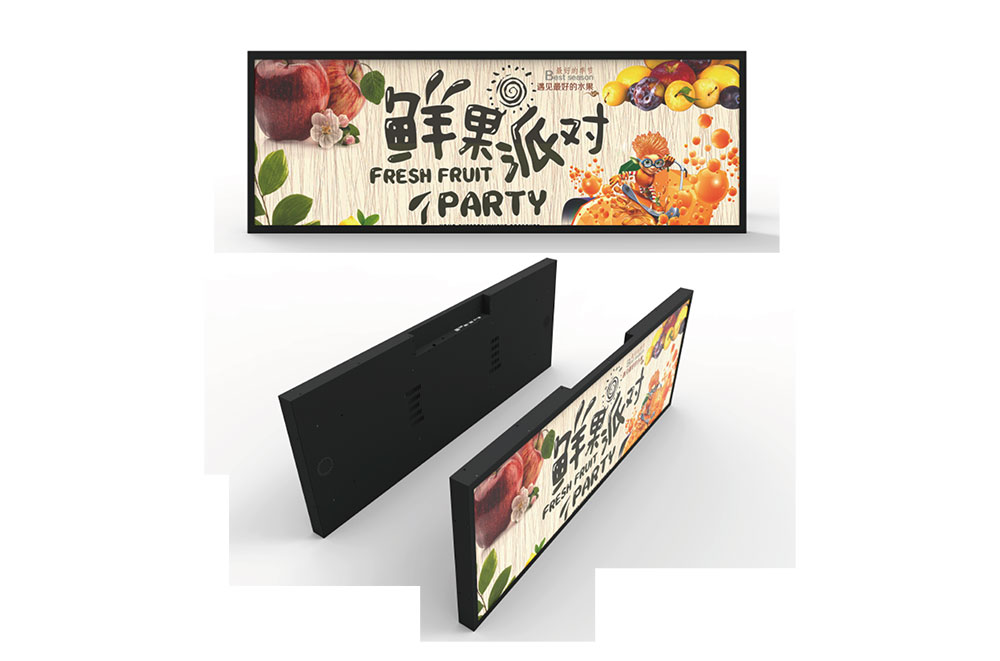
Sourcing high-brightness LCD displays for the Australian market involves far more than selecting a panel with the right nits rating. Buyers across Sydney, Melbourne, Brisbane and Perth repeatedly ask the same three questions before committing to a project: What is the minimum order quantity (MOQ)? How long is the lead time? And how much does it actually cost once compliance, freight and customs are factored in? At HITULCD, we build sunlight-readable displays that are 100% compliant with all international regulations, and this guide breaks down each of these variables so you can plan procurement with confidence.
Understanding MOQ for High-Brightness LCDs
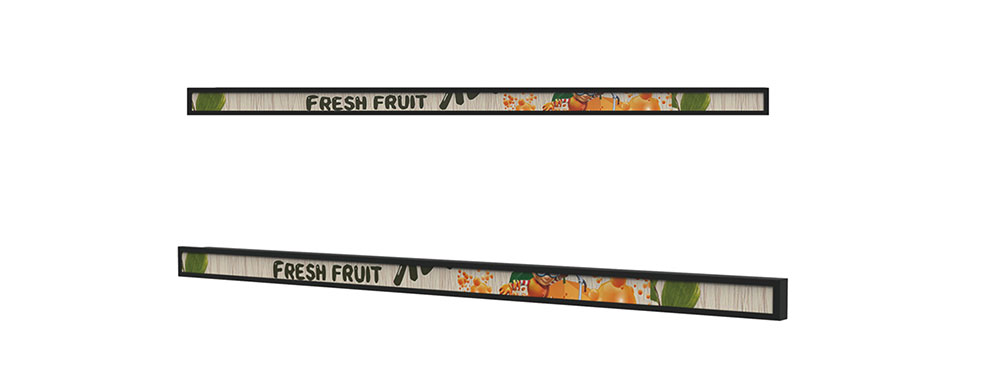
Minimum order quantity is one of the most misunderstood terms in display sourcing. For standard off-the-shelf high-brightness panels—typically 1000 to 2500 nits in common sizes such as 10.1", 15.6", 21.5", 32" and 55"—our MOQ is intentionally low to support Australian system integrators and OEMs who prototype before scaling. A realistic breakdown looks like this:
- Standard models (open frame or bare panel): MOQ as low as 1 to 5 units for sampling, with 50 to 100 units for first production runs.
- Semi-custom builds (cover glass, bonding, bracket changes): MOQ of 100 to 300 units, since tooling and optical bonding setup must be amortised.
- Fully custom enclosures or TFT re-layout: MOQ of 500 to 1000 units, reflecting the engineering and mask investment required.
The reason MOQ scales with customisation is simple. A bare panel draws from existing inventory, while optical bonding, custom LED backlight tuning for 2500+ nits, and anti-glare treatments require dedicated line time. Australian buyers frequently reduce effective MOQ by consolidating multiple size variants into a single purchase order, which lets us share logistics and compliance overhead across the shipment.
Lead Time: What Really Drives the Clock
Lead time is the gap between a confirmed order and goods ready to ship. For the Australian market, three stages dominate the schedule.
1. Component Procurement
High-brightness displays depend on specialised backlight units, enhanced thermal management and wide-temperature liquid crystal. For standard models drawing on stocked components, procurement adds little to no delay. For custom brightness levels or industrial-grade temperature ranges (-30°C to +85°C), component sourcing can add 1 to 2 weeks.
2. Production and Optical Bonding
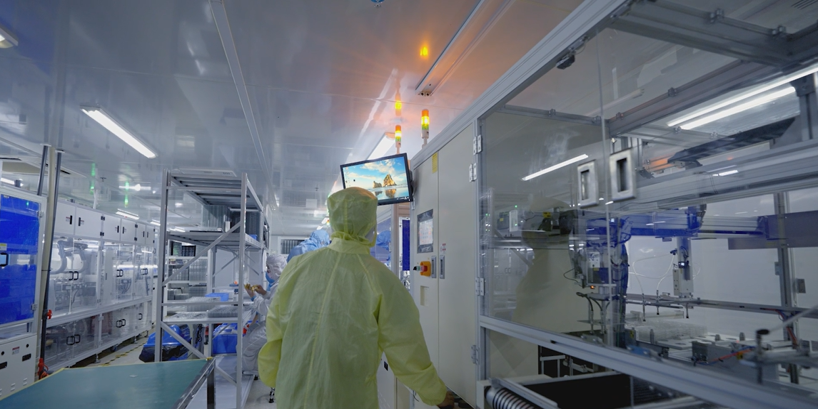
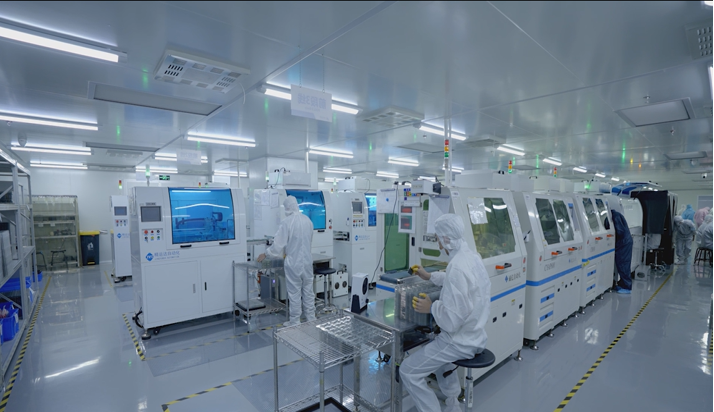
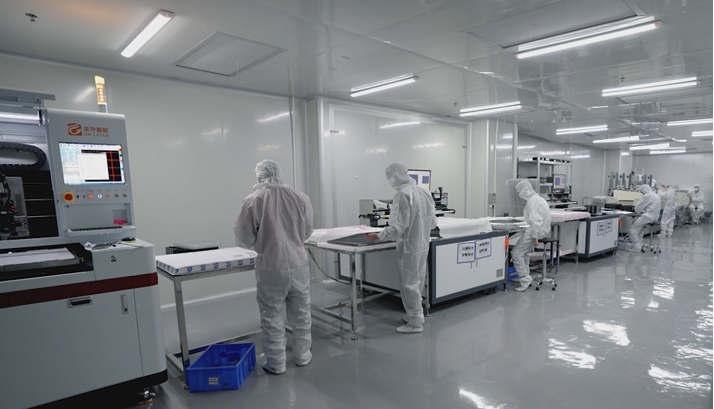
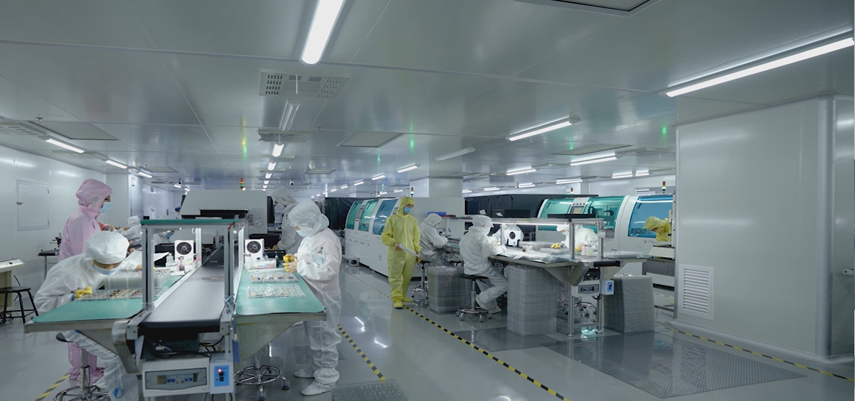
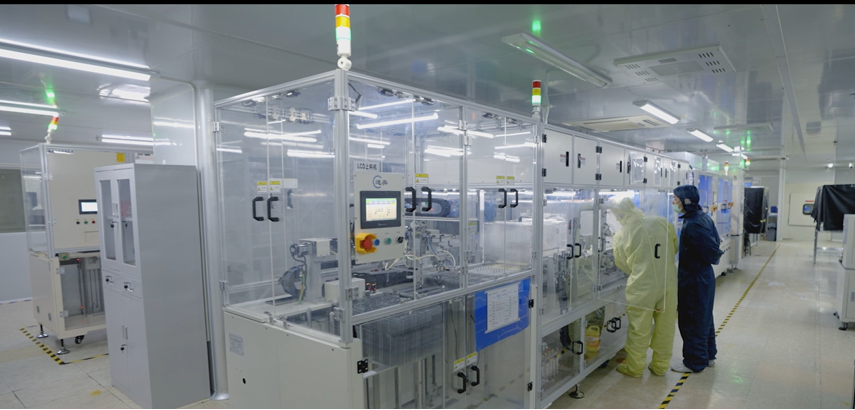
Assembly, optical bonding and burn-in testing form the core of the build. Optical bonding—critical for Australia's intense outdoor sunlight because it eliminates the air gap that causes internal reflection—requires curing and inspection time. A typical production cycle runs:
- Standard stock units: 3 to 7 working days.
- Semi-custom bonded units: 15 to 25 working days.
- Fully custom industrial displays: 30 to 45 working days including tooling.
3. Quality Assurance and Compliance Verification
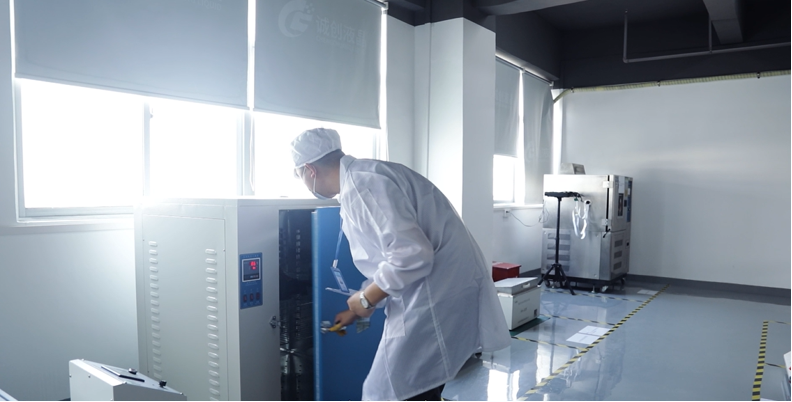
Before anything leaves our line, every unit passes brightness uniformity checks, dead-pixel inspection, thermal soak testing and EMC pre-screening. Because our products are 100% compliant with all international regulations, this stage also confirms the documentation needed for Australian import, which we cover in detail below.
Shipping to Australia: Freight and Transit Windows
Transit time is separate from production lead time and is often overlooked in project planning. From our facility to Australian ports and airports, expect:
- Air freight: 4 to 8 days door-to-door, ideal for samples and urgent runs.
- Sea freight (LCL/FCL): 18 to 30 days to Sydney, Melbourne or Fremantle, the most cost-effective option for volume orders.
- Express courier: 3 to 6 days for small sample quantities under a few kilograms.
We recommend building a buffer of 5 to 7 days for customs clearance through the Australian Border Force, particularly for first-time importers who need to establish their import records.
Compliance for the Australian Market
Australia maintains strict electrical and electromagnetic standards, and non-compliant displays can be held or rejected at the border. HITULCD displays are 100% compliant with all international regulations, which means your shipment arrives with the paperwork and markings Australian customs and end-clients expect. Relevant frameworks include:
- RCM (Regulatory Compliance Mark): required for electrical and electromagnetic conformity under the ACMA and electrical safety regulators.
- AS/NZS CISPR electromagnetic compatibility standards for emissions and immunity.
- RoHS and REACH for restricted substances, aligning with global environmental expectations.
- IEC safety standards underpinning the broader international conformity your buyers rely on.
Because this compliance work is completed during production, it does not add surprise delays at the Australian end. The documentation travels with the goods.
How Much Does It Cost?
Pricing for high-brightness LCDs in Australia is driven by four levers: panel size, brightness level, bonding and treatment, and order volume. While exact quotations depend on specification, the cost logic is consistent.
- Brightness premium: Moving from a standard 400 nit panel to a 1500 nit sunlight-readable panel typically adds a meaningful premium because of the upgraded backlight and thermal design. Pushing to 2500+ nits adds further cost.
- Optical bonding: Adds to unit cost but dramatically improves outdoor readability and durability—essential for Australian conditions.
- Volume discounts: Unit price drops as you cross MOQ tiers, with the sharpest reductions appearing between the 100-unit and 500-unit brackets.
- Landed cost: Remember that the Australian landed cost includes freight, insurance, GST and customs duty. Sea freight at volume keeps the per-unit landed cost lowest.
For an accurate figure, provide us with size, brightness target, quantity and intended environment (indoor kiosk, semi-outdoor signage, or full outdoor exposure), and we can return a transparent quotation that separates product cost from logistics.
Planning Your Australian Project
The most successful Australian procurement timelines combine a small sample order by air with a bulk production order by sea. This lets your engineering team validate brightness, mounting and interface compatibility while the volume run is in production and transit. A practical end-to-end timeline for a semi-custom order is roughly 4 to 6 weeks of production plus 3 to 4 weeks of sea freight and clearance.
With low entry MOQs, predictable lead times, honest cost structures and products that are 100% compliant with all international regulations, HITULCD helps Australian integrators move from prototype to deployment without the sourcing surprises that derail display projects. Share your specification and target timeline, and we will map the MOQ, lead time and cost precisely to your needs.