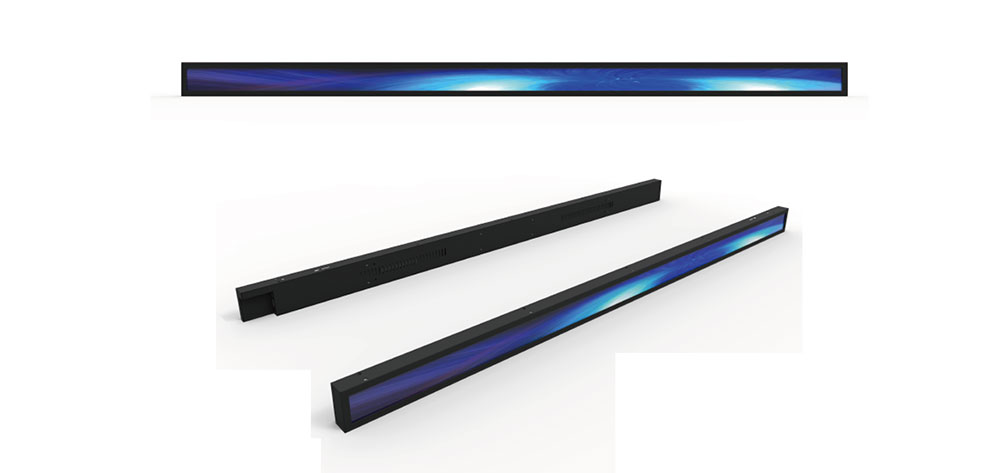
Australian supermarkets are under pressure to modernise shelf-edge communication. Price changes are more frequent, promotional cycles are shorter, and retailers want shelf labels, promotions and retail media to be controlled from one system. Paper tickets cannot keep pace, and many early electronic shelf solutions have limitations in brightness, content flexibility and viewing quality. Custom bar LCD displays, stretched panels with extreme aspect ratios, have become a practical platform for "ultra" digital shelves: slim, bright, full-colour strips that run along the shelf edge or hang from gondola headers. This article explains how to specify them for Australian store conditions, with estimated technical figures an engineer can use as a starting point.
**1. Why Bar LCDs Suit Supermarket Shelf Edges**
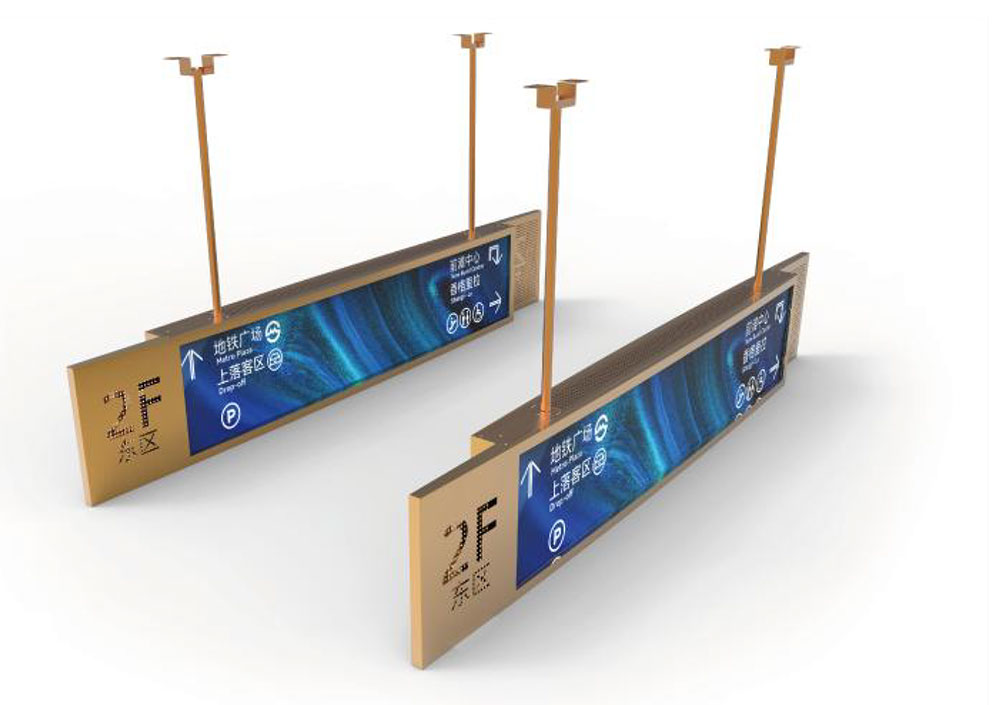
A supermarket shelf edge is typically 30 to 60 mm tall and runs in modules of 600 mm, 900 mm or 1,200 mm. Standard 16:9 monitors cannot fit this geometry. Bar LCDs are cut or built on stretched-panel glass with aspect ratios such as 8:1, 16:1 or 32:1, so they follow the shelf line without covering products.
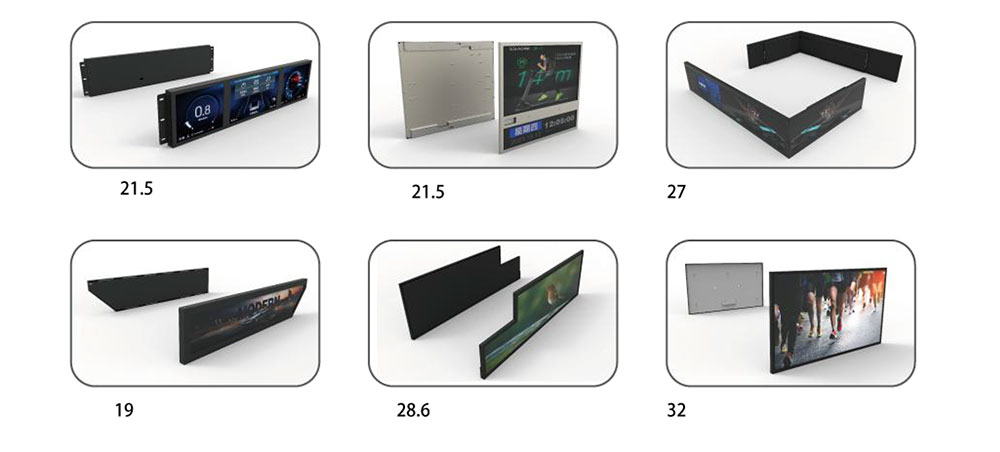
Typical shelf-edge bar sizes (estimated):
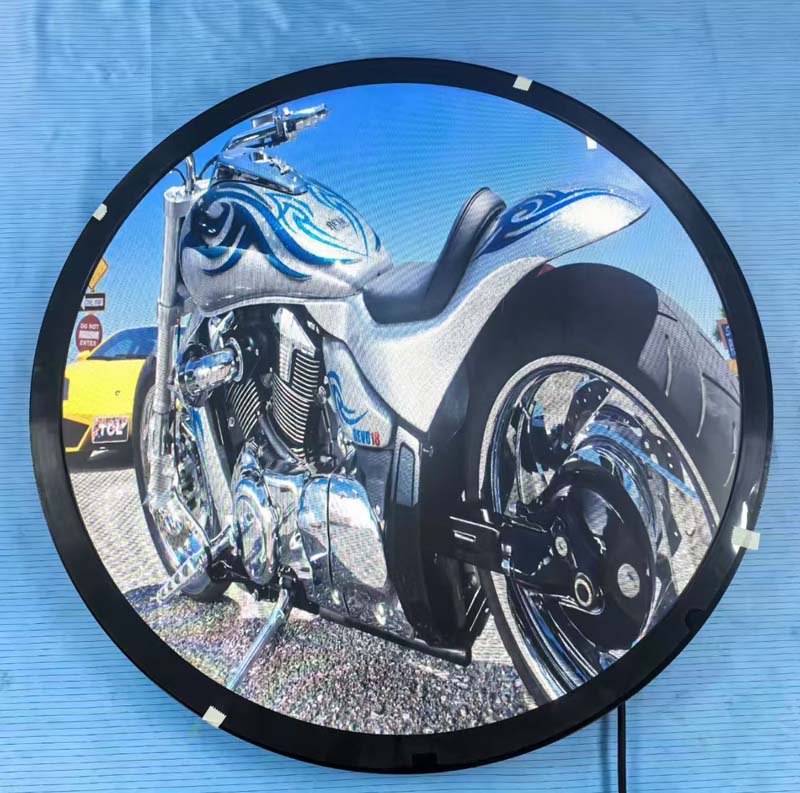
- 23.1 in bar, about 584 x 36 mm active area, 1920 x 118 resolution-class
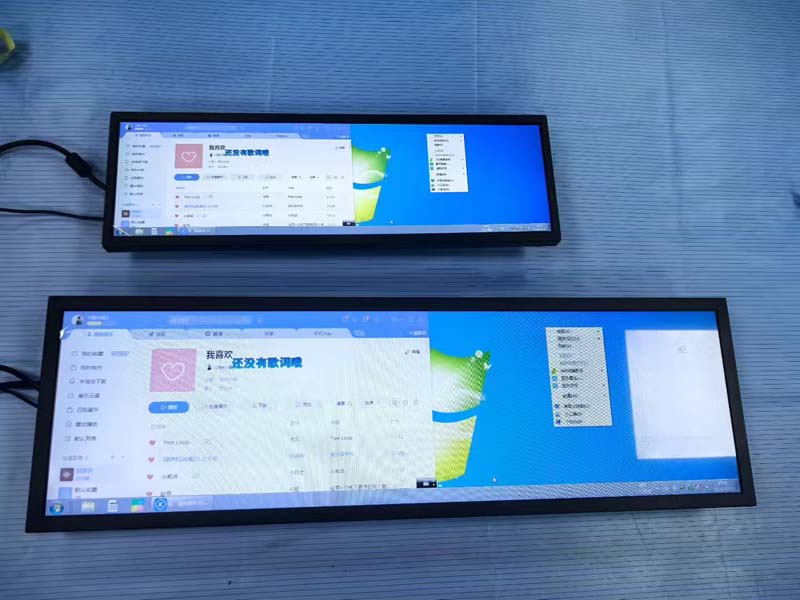
- 28.6 in bar, about 700 x 44 mm active area, 1920 x 120 resolution-class
- 35 in bar, about 880 x 28 mm active area, 1920 x 60 resolution-class
- 37.2 in bar, about 920 x 57 mm active area, 1920 x 120 resolution-class
Compared with e-paper labels, bar LCDs offer video, colour, rapid refresh, and the ability to show a price, a unit price, a promotion banner and a brand animation in one continuous strip. Compared with LED strips, they provide much finer pixel pitch (roughly 0.3 to 0.5 mm) so small price text remains crisp at close viewing distance.
**2. Brightness: Why "Ultra" Matters in Australian Stores**
Most supermarket aisles are lit at 500 to 1,000 lux, but several Australian situations demand higher luminance:
- Entrance fresh-produce zones with skylights or glass frontage
- Open-air or semi-open bottle shops and garden centres
- Refrigerated cabinets with glare from overhead lighting
- Petrol-station convenience stores with large glazed façades
A standard 250 to 350 cd/m² panel can look washed out here. Recommended estimates:
- Standard aisle shelf edge: 700 to 1,000 cd/m²
- Window-facing or entrance zones: 1,500 to 2,500 cd/m²
- Semi-outdoor or direct-sun-exposed zones: 3,000 to 4,000 cd/m²
Ultra-bright modules use high-efficiency LED backlights with optimised light guides and optical bonding. Estimated power draw rises accordingly: roughly 8 to 12 W for a 600 mm bar at 1,000 cd/m², and 18 to 30 W at 2,500 cd/m². Brightness should be adjustable through an ambient light sensor, so the display dims in the evening to save energy and avoid visual discomfort.
**3. Thermal Design for Chilled and Ambient Environments**
Australian supermarkets span two thermal extremes: chilled dairy and frozen aisles and hot, non-air-conditioned loading or outdoor areas, where summer ambient temperatures can exceed 40 °C.
Estimated specification targets:
- Ambient shelf displays: operating -10 °C to 60 °C, storage -20 °C to 70 °C
- Chilled and frozen use: operating -20 °C to 50 °C with wide-temperature liquid crystal and low-temperature backlight start-up
- Clearing point of the liquid crystal: 90 °C or higher for sun-exposed use
Condensation is the main risk in cold cabinets. Specify conformal coating on the PCB, sealed edges, and an anti-fog front surface. Optical bonding removes the internal air gap where moisture would otherwise form. A target of IP54 at the front is reasonable for shelf use, with IP65 for areas that are washed down.
**4. Custom Mechanical Design**
Customisation is what separates a retail-ready bar from a repurposed signage panel. Key parameters to define:
- Thickness: 8 to 12 mm total module depth to fit shelf channel profiles
- Bezel: 2 to 4 mm narrow frame, or a custom aluminium extrusion that clips into the shelf rail
- Cover glass: 1.1 to 2.0 mm chemically strengthened glass with anti-glare etching, resistant to trolley impacts (target IK07)
- Mounting: rail clips, magnetic backs, or hanging brackets
- Cable exit: rear or end exit, with a flat flexible cable to avoid bulk
- Length matching: modules cut to 1,000 mm standard shelf bays where panel stock allows
Weight should stay low, about 0.6 to 1.2 kg per 900 mm unit, so that retailers can reposition them without tools.
**5. Optical Performance and Readability**
Price legibility is the core job. Recommended estimates:
- Contrast ratio: 1,000:1 to 1,500:1 for TN or IPS bars
- Viewing angle: IPS preferred at 170°/170°, since shoppers read the strip from above, below and the side
- Colour gamut: 72 to 85% NTSC, enough for brand colours and fresh-food imagery
- Anti-reflective treatment: reflectance below 2% with AR coating, or haze 25 to 35% for anti-glare
- Polariser: high-temperature and UV-resistant to prevent blackening under strong light
Fonts should be designed for the strip: a minimum character height of 8 to 10 mm for price numerals at 1.5 m viewing distance, high-contrast colour pairs, and clear unit price lines as required by Australian unit pricing practice.
**6. Interfaces, Controllers and Content Management**
Bar LCDs usually run on an LVDS or eDP interface and are driven by a custom controller board or a compact Android or Linux media player. For a supermarket deployment, the controller must handle many small displays per aisle.
Common architecture:
- Controller: ARM-based board, quad-core, 2 GB RAM, 16 GB storage
- Connectivity: Wi-Fi 5/6, Ethernet or PoE, optional Bluetooth for commissioning
- Power: 12 V DC, or PoE 802.3af for network-powered shelf strips
- Content: API integration with the retailer's price management, ERP or POS system
- Update time: price changes pushed to a whole store in under 60 seconds
- Resolution handling: automatic layout scaling so the same template fits 600, 900 and 1,200 mm bars
Offline caching is important. If store Wi-Fi drops, the display should keep showing the last verified price and flag a sync error to the back office, which supports price accuracy compliance.
**7. Retail Media and Revenue Opportunities**
Digital shelves are not only a cost-saving tool. A bar display can rotate promotional content between price updates, supporting in-store retail media networks. Suppliers can pay for placement, and dynamic content can reflect time of day, stock levels or weather, such as promoting cold drinks on hot days or barbecue items before a long weekend. Proof-of-play logging allows campaign reporting. Retailers should balance this carefully so that the price remains dominant and promotional motion does not distract or mislead customers.
**8. Reliability, Compliance and Lifespan**
Estimated reliability targets:
- Backlight lifetime: 50,000 hours or more to half brightness, equal to about 5.7 years of continuous use, and longer with dimming schedules
- MTBF: 50,000 hours at the system level
- Operating hours: 18 to 24 hours per day
- Vibration and shock: tested to withstand trolley contact and shelf restocking
For Australian deployment, specify RCM marking for electrical and EMC compliance, AS/NZS 62368.1 for safety, RoHS-compliant materials, and 220-240 V, 50 Hz power adapters with Type I plugs where mains supply is required. Where displays are installed near food, use cleanable, non-toxic surface materials.
**9. Energy Efficiency and Total Cost**
Estimated average consumption for a 900 mm bar at 1,000 cd/m² is 10 to 15 W. With ambient-light dimming and overnight scheduling, daily energy use falls by 30 to 50%. A 2,000 m² supermarket with 800 bars could consume about 8 to 12 kW at peak, so network-wide power scheduling and efficient driver design are meaningful cost items. Total cost of ownership should include labour saved on paper label changes, reduced pricing errors, and any retail-media income, which often makes the payback period 2 to 4 years.
**10. Deployment Checklist for Australian Retailers**
1. Survey lighting levels and sun exposure by aisle to set brightness tiers.
2. Choose bar lengths that match the shelf module system.
3. Select temperature grade for chilled, ambient and entrance zones.
4. Confirm interface, PoE or DC power plan and Wi-Fi coverage.
5. Integrate with the pricing system and test failure behaviour.
6. Pilot in one store for 8 to 12 weeks, measuring readability, uptime and energy.
7. Plan spares at 3 to 5% and a documented replacement process.
**Conclusion**
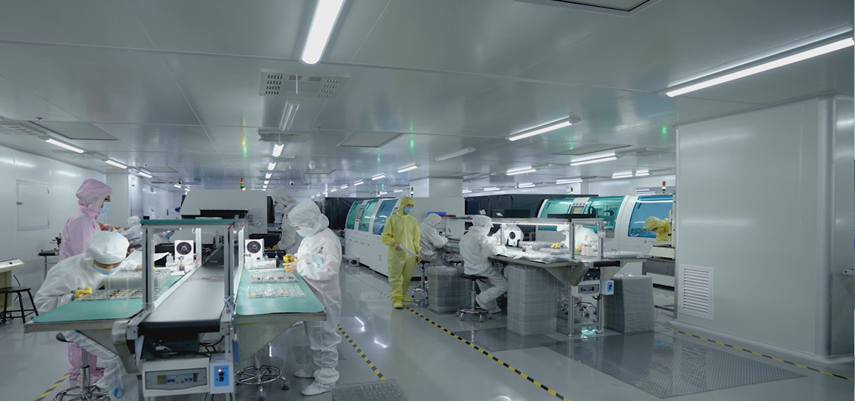
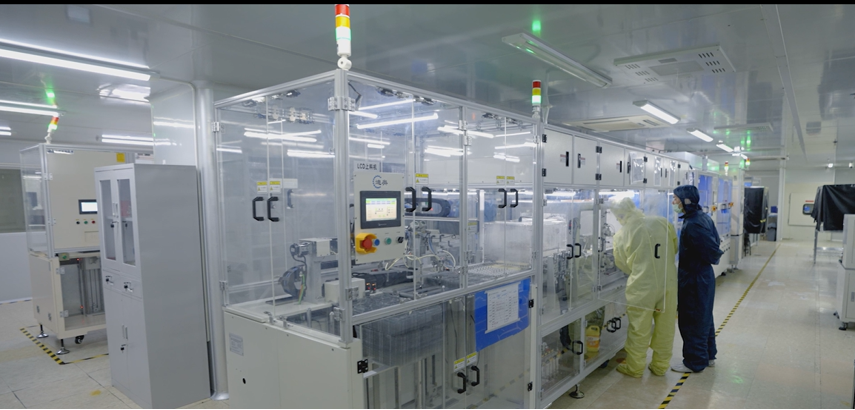
Custom bar LCDs give Australian supermarkets a legible, flexible and revenue-capable shelf edge. The key to an "ultra" result is matching brightness, thermal grade, mechanical form and content integration to each zone of the store. At HITULCD, we design and build custom high-brightness bar LCD modules with tailored dimensions, optical bonding, wide-temperature options and controller integration, helping retailers move from pilot to chain-wide rollout with predictable performance. All specifications above are engineering estimates and should be validated against the final panel, controller and store environment.
KEYWORDS: custom bar LCD, supermarket digital shelves, high brightness bar display, shelf edge LCD Australia, stretched LCD