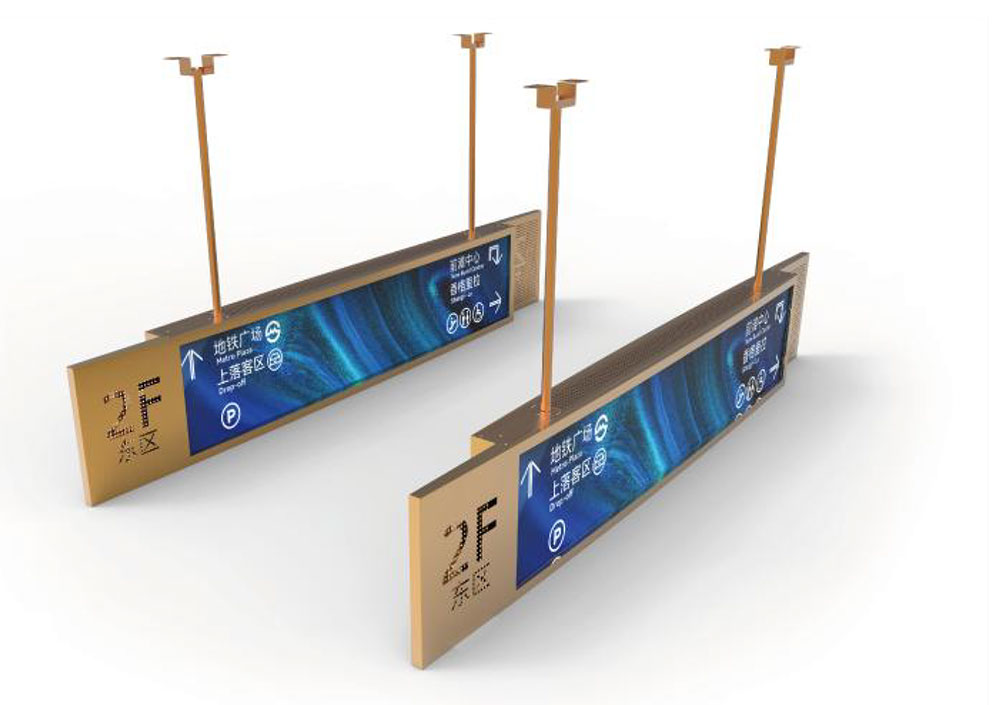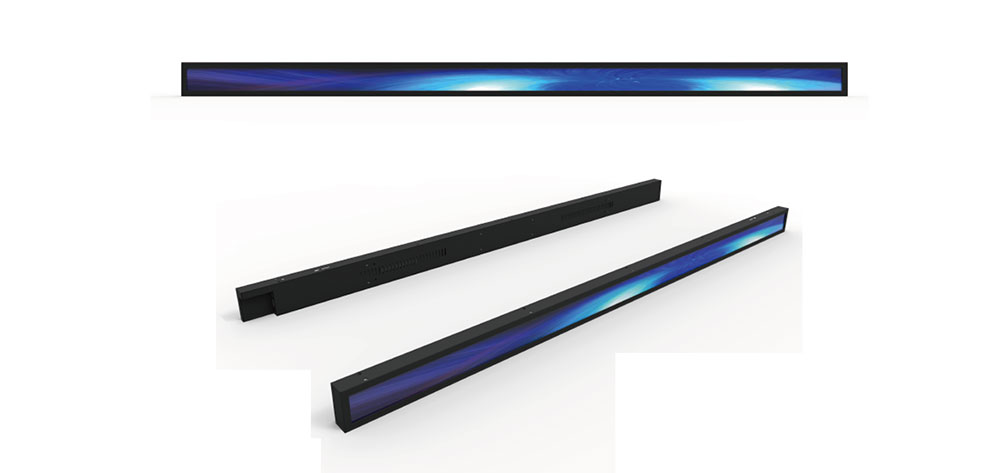
Walk into a modern Australian shopping centre, petrol station, supermarket or quick-service restaurant and you will notice a change in how information is presented. Instead of conventional 16:9 televisions, retailers increasingly install long, narrow displays: shelf-edge strips, menu header bars, window banners and ceiling-hung promotional panels. These are stretched LCD screens, often called bar LCDs, with aspect ratios such as 16:3, 24:9, 32:9, 28:9 or even 48:9. This article explains why Australian retailers choose them, what technical conditions they must satisfy in local retail environments, and how to specify them correctly.
**What a Stretched Bar LCD Actually Is**
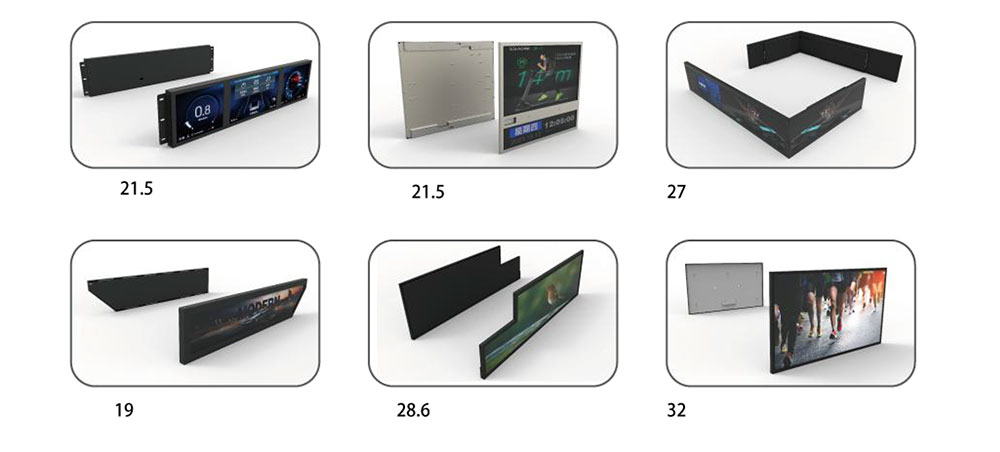
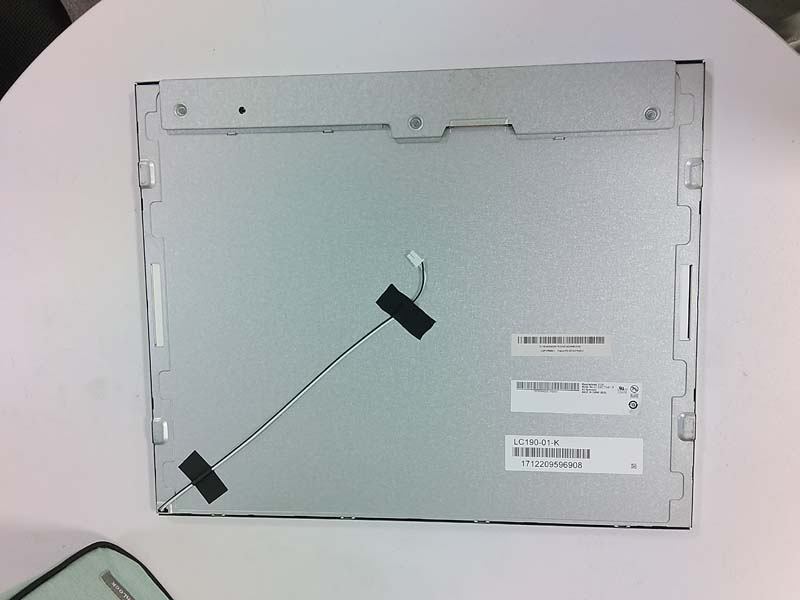
A stretched LCD is a standard TFT panel that has been cut or engineered into an extreme aspect ratio. Manufacturers typically start with a large mother glass, then cut it into long strips and bond them to custom backlights, driver boards and mechanical frames. Common sizes include 19, 23, 28, 35, 37, 38, 42, 47, 58 and 88 inches measured diagonally, with widths ranging from about 400 mm to more than 2 metres while the height stays between 100 mm and 300 mm.
Unlike a video wall of several screens, a bar display is a single continuous image surface with no bezel seams. Content is delivered through HDMI, LVDS, eDP or an Android or Linux media player built into the unit. Because the format does not match standard video, content is authored at a native resolution such as 1920×360, 1920×480, 3840×600 or 2560×800, so every pixel is used rather than letterboxed.
**Reason 1: The Space in Australian Stores Is Long, Not Tall**
Retail fixtures are mostly horizontal: gondola ends, checkout counters, shelf edges, cool room doors, drive-through canopies and window sills. A 55-inch 16:9 panel needs around 680 mm of height, which obstructs sightlines, collides with shelving, and wastes space. A bar screen of similar width needs only 150 to 250 mm. Retailers can mount it where a printed header card or price rail would previously sit, so existing store layouts need no redesign.
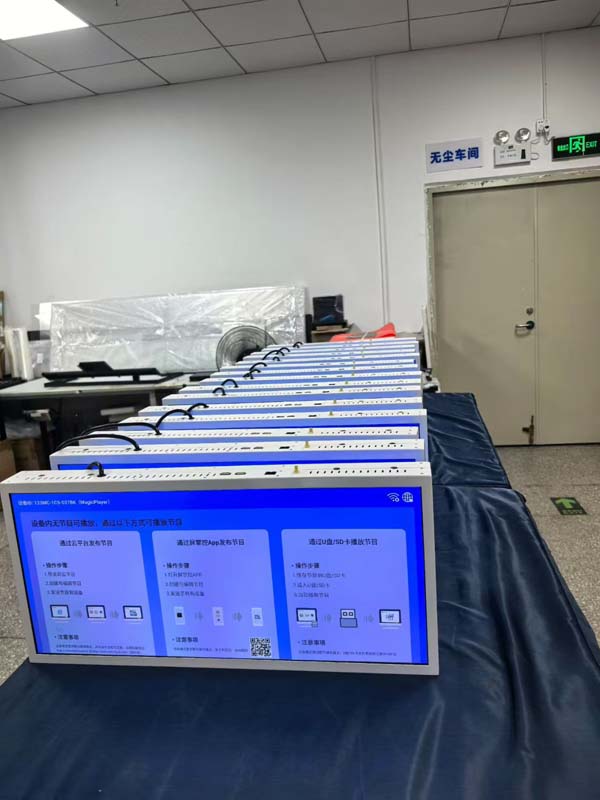
In smaller footprints such as convenience stores, bottle shops, pharmacies and café kiosks, which are common across Australian suburbs, every centimetre of wall area is commercially valuable. A bar display turns underused horizontal strips into dynamic advertising surfaces.
**Reason 2: Shelf-Edge and Price Communication**
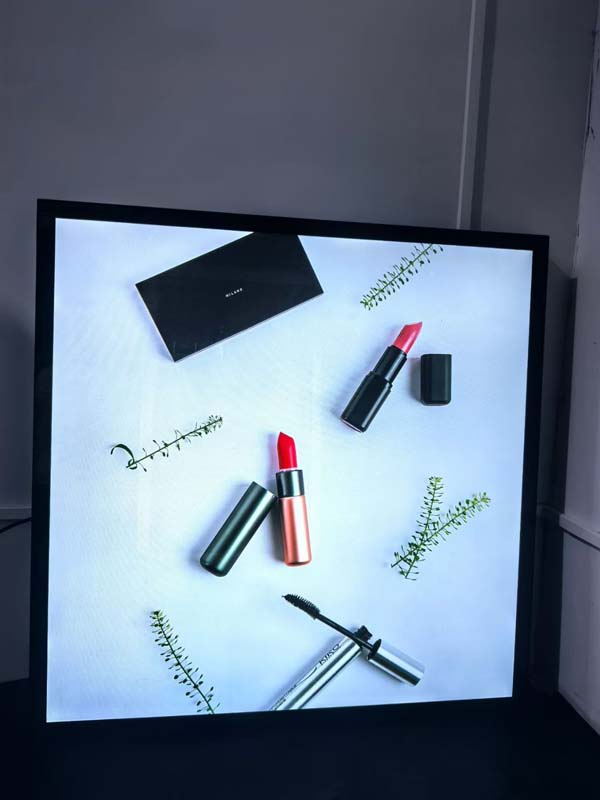
Australian grocery is a highly promotional category, with weekly catalogue specials, half-price cycles and loyalty-linked pricing. Stretched shelf-edge LCDs allow category managers to push price changes, promotions and product videos to a whole aisle simultaneously. This reduces the labour of printing, swapping and verifying paper tickets, and it limits price-label errors that attract regulator attention. Because shelf-edge bars sit at 1 to 1.8 metres from shoppers, a pixel pitch of 0.2 to 0.3 mm gives sharp text, and a brightness of 700 to 1,000 cd/m² is sufficient indoors.
**Reason 3: Sunlight, Heat and the Need for High Brightness**
Australia has some of the highest solar irradiance in the developed world. Storefront windows, outdoor menu boards, drive-through lanes, service station canopies and sports-club bars are exposed to ambient light levels of 10,000 to over 100,000 lux. A standard 300 to 400 cd/m² panel becomes unreadable under such conditions.
High-brightness bar LCDs address this with:
- Panel brightness of 1,500 to 3,500 cd/m² for window-facing use, and 2,500 to 5,000 cd/m² for semi-outdoor canopies
- Optical bonding, which fills the air gap between the cover glass and the LCD, reducing internal reflection and improving contrast under sun
- Anti-reflective and anti-glare cover glass with 1 to 4 percent surface reflectance
- Automatic brightness control through an ambient light sensor, saving energy at night and in shade
For window displays, the target is often at least 2,000 cd/m² so that content remains legible when sun strikes the glass at midday. The brightness choice should be tested against the actual lux level at the installation, not guessed from the specification sheet.
**Reason 4: Thermal Reliability in a Hot Climate**
Brightness creates heat. A 2,500 cd/m² LED backlight can dissipate 200 to 400 W/m² of panel area, and in a Queensland shopfront or Western Australian roadhouse, ambient temperatures can exceed 40°C, with enclosure temperatures well above that. Professional-grade bar LCDs counter this through:
- Liquid crystal materials with a clearing point of 110°C or higher, preventing black-out at high temperature
- Aluminium heat-spreading back plates and, where required, forced-air or heat-pipe cooling
- Temperature sensors that gradually reduce backlight output before damage occurs
- Wide operating ranges, typically −20°C to 60°C, and storage ranges down to −30°C
Retailers who previously used consumer televisions in windows frequently saw panel darkening, image retention and premature failure within one summer. Commercial high-brightness bars are designed for 50,000-hour backlight life and 24/7 operation, which lowers total cost of ownership even when the initial price is higher.
**Reason 5: Eye-Catching Impact and Higher Content Return**
The unusual shape of a stretched display attracts attention in a space dominated by standard rectangles. Retailers report longer dwell time and stronger recall because the format reads as premium signage rather than television. Common content strategies include:
- Scrolling price tickers and promotional text across the full width
- Panoramic product imagery, such as beer, wine or sauce lineups
- Split zones, with one area for video and another for price, menu or social feeds
- Time-based scheduling, for example breakfast in the morning, lunch deals midday, and happy hour after 4 pm
Since the display fills a strip rather than a block, brand messages appear at eye level without dominating the room.
**Reason 6: Easier Installation and Lower Operating Cost**
Bar LCDs are lightweight compared with large televisions: a 37-inch 16:3 unit commonly weighs 8 to 15 kg, enabling ceiling hanging, shelf rail mounting, magnetic mounting or window suction brackets. Android-based units connect over Wi-Fi or Ethernet with a cloud content management system, so a head office in Sydney or Melbourne can update hundreds of stores in minutes. Compared with printed materials, retailers remove recurring print, freight and installation costs, and often recover the investment within 12 to 24 months for high-turnover sites.
Power use is moderate: an indoor shelf-edge bar consumes 20 to 60 W, while a 2,500 cd/m² window bar may consume 100 to 250 W. Automatic dimming and scheduled sleep modes cut consumption further.
**Where Australian Retailers Deploy Stretched LCDs**
- Supermarkets and liquor stores: shelf-edge price bars, aisle headers and refrigerator door strips
- Quick-service restaurants and cafés: menu header boards and drive-through order confirmation bars
- Shopping centres: window banners and escalator-side advertising
- Service stations: forecourt price strips and shop-front promotions
- Banks, telcos and electronics shops: window-facing high-brightness bars displaying offers
- Pharmacies and health stores: counter-top information bars for seasonal campaigns
**How to Specify a Bar LCD for the Australian Market**
1. Define the use case and distance. Determine viewing distance, then choose resolution and pixel pitch accordingly.
2. Measure ambient lux. Choose brightness at least 3 to 5 times higher than the ambient level on the screen's face for comfortable readability, within what the optical stack can achieve.
3. Check operating temperature. Ensure the product handles local summer extremes, including heat trapped behind glass.
4. Choose protection. Semi-outdoor locations need dust and splash resistance such as IP54 or higher, and sealed cabinets with filtered ventilation.
5. Confirm optical bonding and glass treatment to preserve contrast and avoid sunlight washout.
6. Verify compliance: electrical safety and EMC marking through RCM, along with relevant AS/NZS standards, and check local warranty and spare-part support.
7. Plan content in native resolution and test it on a sample before rolling out across stores.
8. Select a control platform with remote monitoring, scheduling and fault alerts.
**Common Mistakes to Avoid**
Many first-time buyers select a bar display on price alone. Typical errors include underestimating sunlight, ignoring thermal derating, leaving the air gap unbonded so condensation or dust forms inside, and designing content in 16:9 then stretching it, which distorts logos and text. Another mistake is overlooking serviceability; rear access panels, replaceable power supplies and modular media players shorten repair time in remote regional stores.
**The HITULCD Perspective**
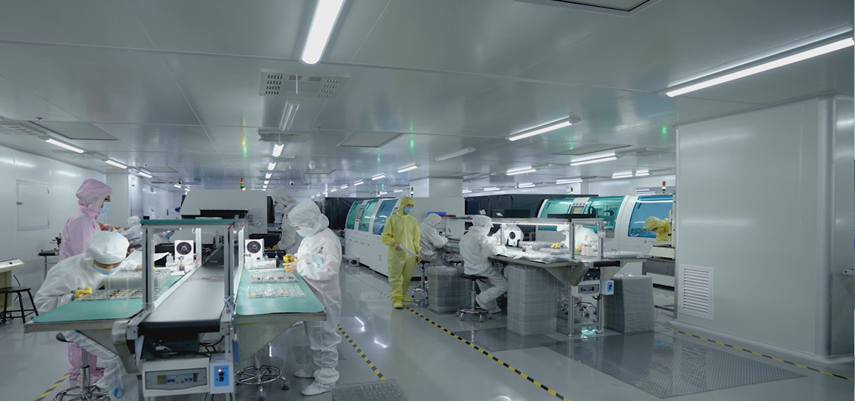
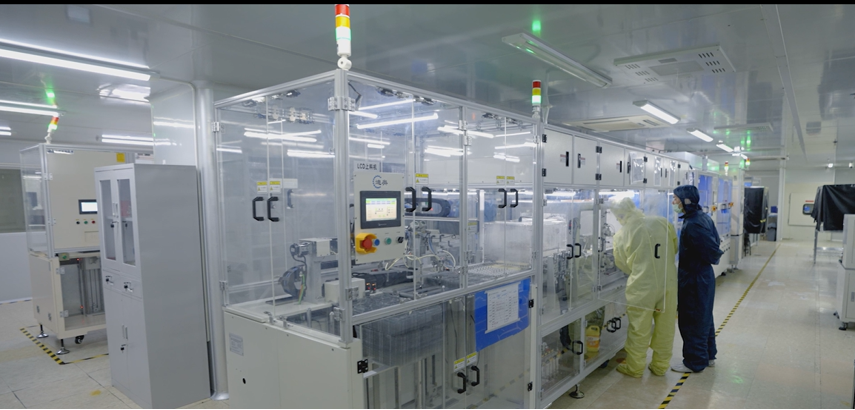
HITULCD engineers high-brightness stretched LCDs for retail environments with 1,000 to 5,000 cd/m² options, optical bonding, wide-temperature operation and customised aspect ratios. Our designs combine thermally optimised backlights, anti-glare cover glass and integrated media players, enabling retailers to run bright, long-life content in conditions typical of Australian storefronts and canopies. Custom sizing means the display can be matched to an existing fixture instead of forcing the fixture to adapt.
**Conclusion**
Australian retailers choose stretched LCD screens because they fit the long, narrow spaces of real stores, deliver readable content under intense sun, withstand heat, simplify price and promotion management, and stand out visually. When specified correctly, with the right brightness, bonding, thermal design and content workflow, a bar LCD becomes a durable, high-return tool for retail communication rather than just another screen.
KEYWORDS: stretched LCD screens, bar LCD, Australian retailers, high-brightness LCD, retail digital signage