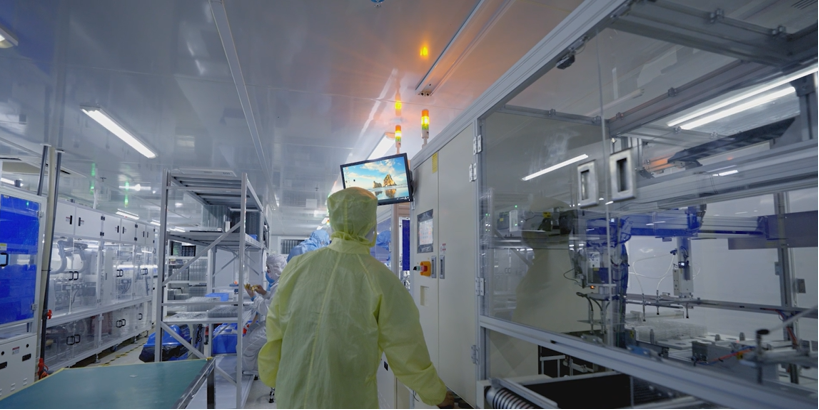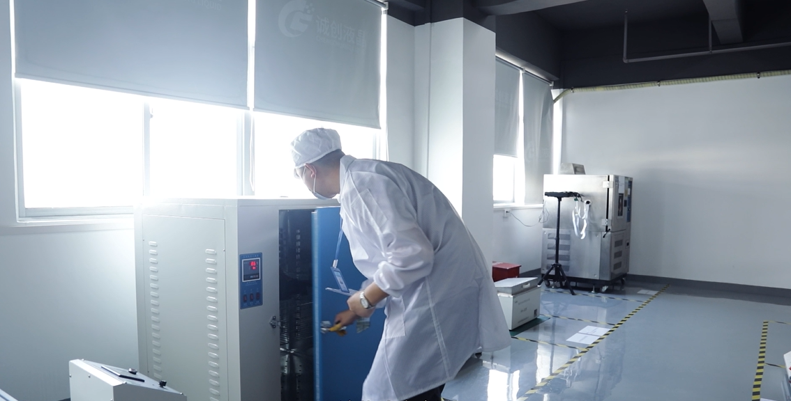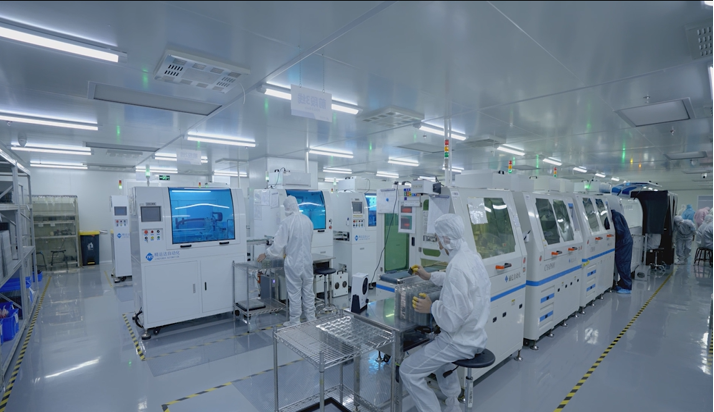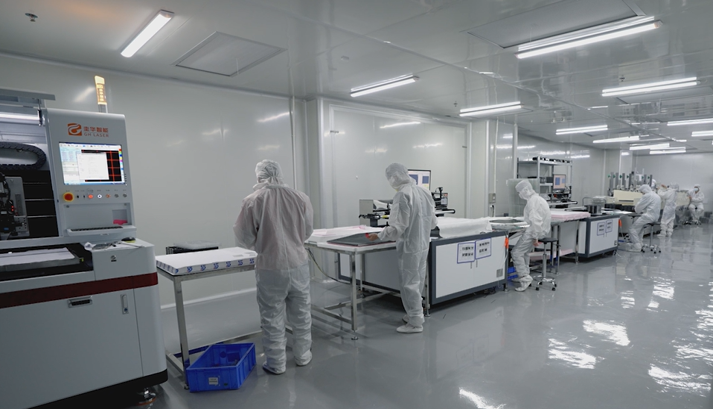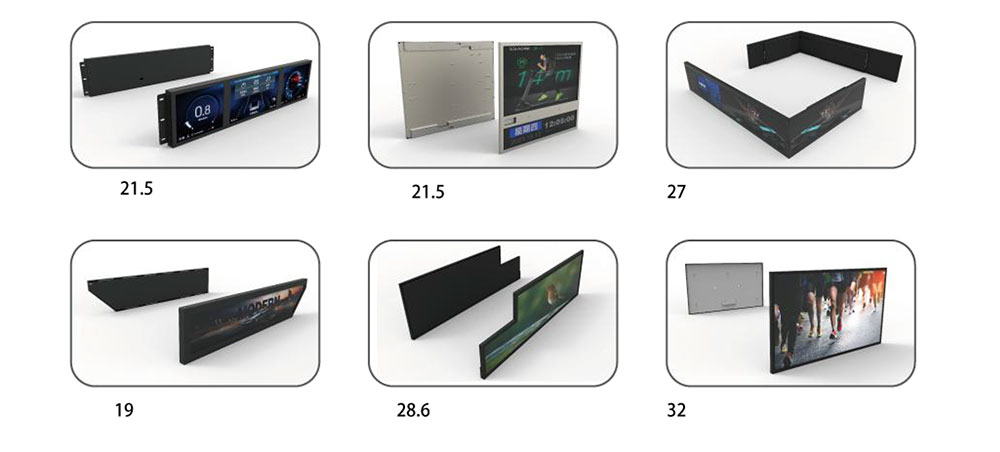
Electric vehicle (EV) chargers live outdoors, run around the clock, and face direct sun, rain, dust, and wide temperature swings. The bar LCD on the front of the unit is the driver's main point of contact: it shows pricing, charging status, payment prompts, and safety messages. Choosing the wrong panel leads to washed-out screens in daylight, cracked glass in winter, and premature failures that pull chargers offline. This guide walks through the decisions that matter when you specify a bar (stretched) LCD for an EV charging station.
Why a bar LCD suits EV chargers
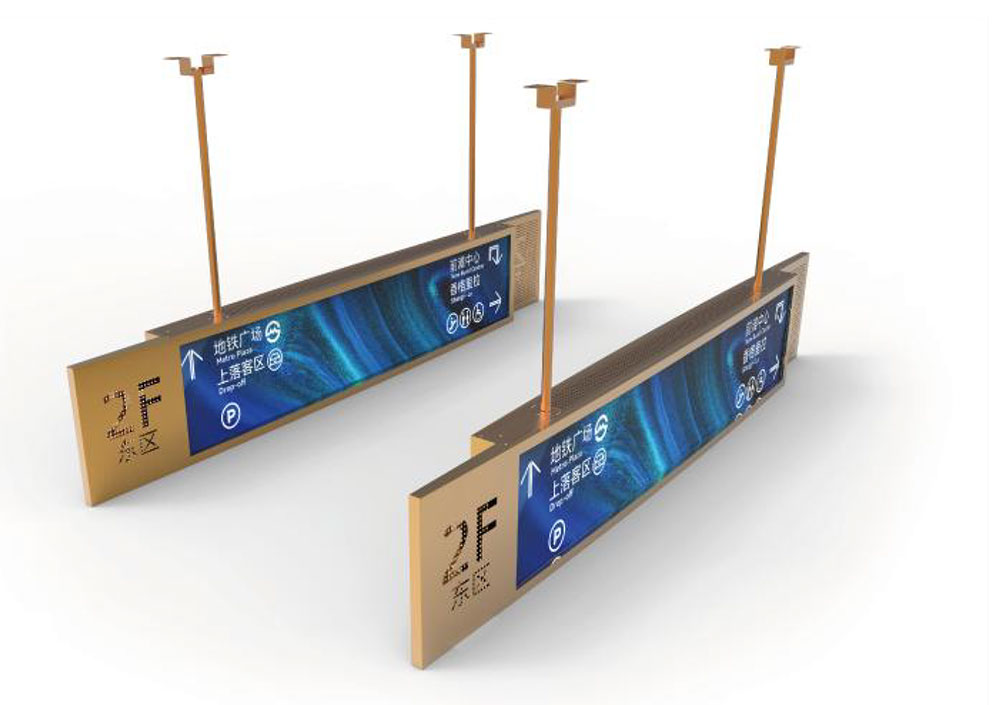
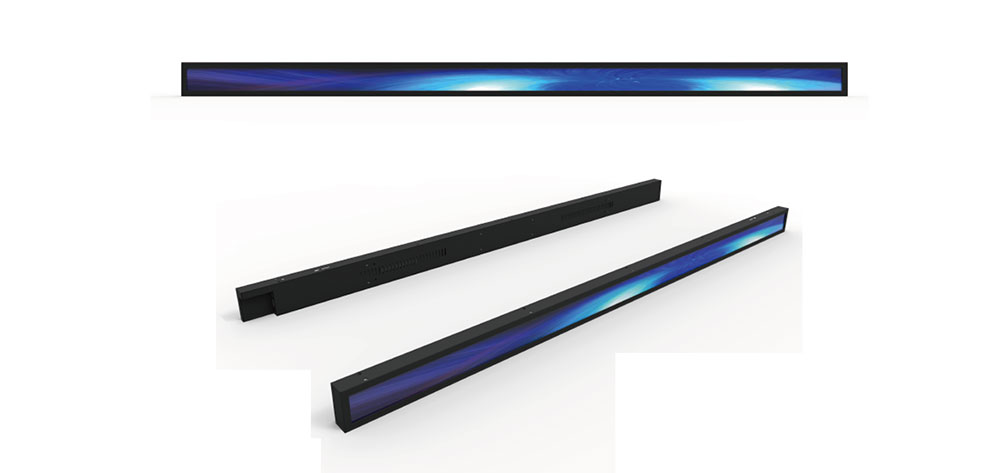
A bar LCD, sometimes called a stretched or ultra-wide display, has an elongated aspect ratio such as 16:3, 16:4.5, or similar tall-and-narrow and wide-and-short formats. EV charger enclosures are often slim vertical pillars or narrow fascias, and a conventional 16:9 panel wastes space or forces an awkward layout. A bar display matches the physical shape of the housing, giving you a clean industrial design and room to stack status, branding, and payment zones along a single axis.

1. Brightness and sunlight readability
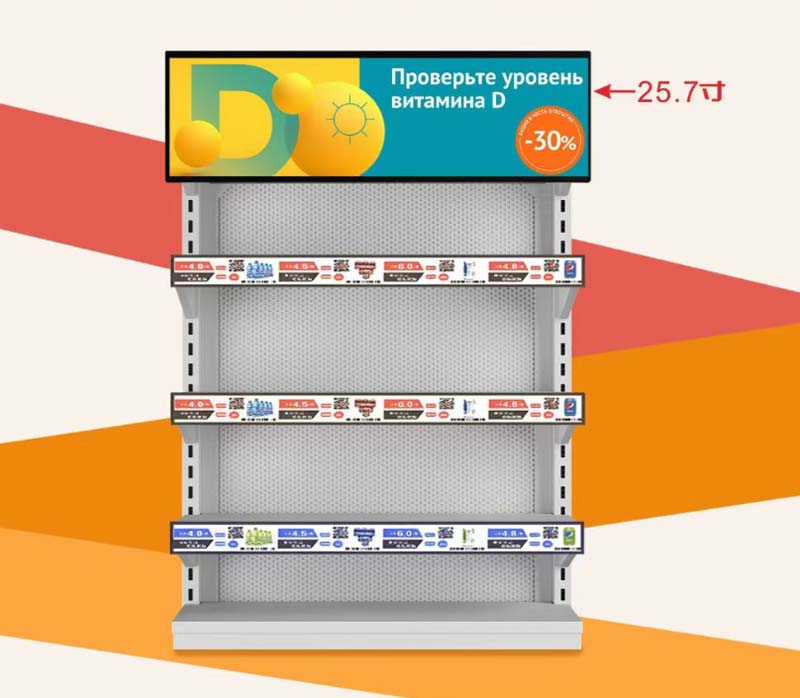
This is the single most important parameter for an outdoor charger. A standard indoor monitor is simply not visible under direct sun. For a display mounted outdoors in unshaded locations, specify a high-brightness panel so the content stays legible at midday. Treat brightness as a system property, not just a panel rating: the cover glass, bonding, and any anti-glare or anti-reflective treatment all affect what the driver actually sees. Ask the manufacturer for the brightness measured at the surface of the finished stack, not only the bare LCD.
Also confirm the display supports dimming. At night a full-brightness screen is uncomfortable and wastes power, so an ambient light sensor and a wide dimming range let the unit adapt automatically.
2. Operating and storage temperature range
An EV charger must start and run in the climate where it is installed. A panel rated only for office conditions can suffer slow or frozen response in cold weather and image degradation in heat. Specify an industrial-grade wide-temperature LCD and match its rated operating range to the worst case of your deployment sites, with margin for solar heat gain inside the enclosure. Verify both the operating range (while powered) and the storage range (while off), since a charger may sit idle overnight in extreme cold before it has to wake and run.
3. Readability treatments: bonding and reflection
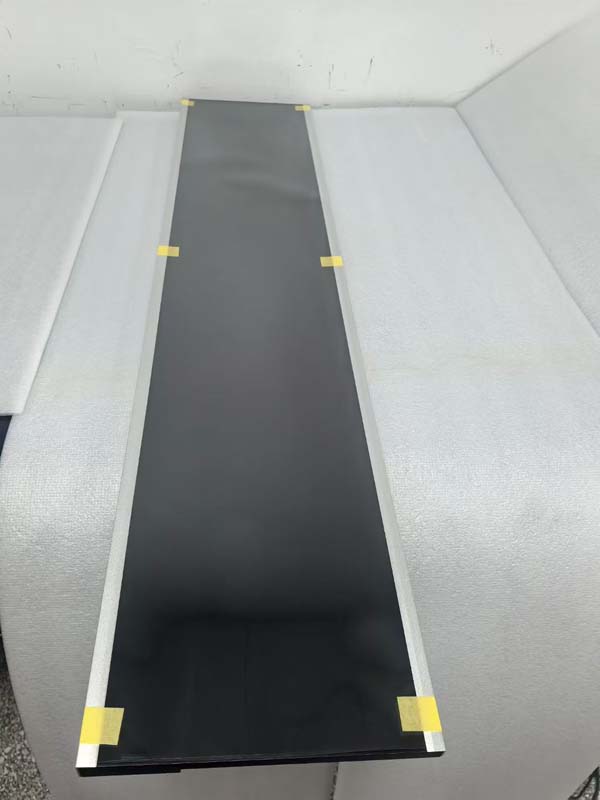
Optical bonding fills the air gap between the cover glass and the LCD with a clear adhesive. It cuts internal reflections, improves contrast in bright light, blocks moisture and condensation between the layers, and adds mechanical strength against vibration and impact. For any outdoor charger, optical bonding is strongly recommended. Pair it with an anti-reflective or anti-glare surface to tame reflected sky and sunlight.
4. Touch or no touch
Decide early whether the display is purely informational or interactive. Projected capacitive (PCAP) touch is the common choice because it supports glove touch and works through a protective cover glass. If you need touch, confirm it is tuned for thick cover glass, for wet conditions (rain on the surface should not create false touches), and for gloved hands, since drivers in cold climates will not remove gloves to tap a screen.
5. Durability and ingress protection
The front face of the charger must keep out water and dust. Confirm the sealing approach for the display opening and how the panel integrates with the enclosure's ingress protection rating. Reinforced or chemically strengthened cover glass protects against knocks, vandalism, and flying debris. If vandalism is a concern, discuss anti-shatter film and glass thickness options.
6. Lifetime, burn-in, and duty cycle
EV chargers often display the same static layout for long periods, so ask about the backlight's rated service life and whether the panel is designed for continuous operation. A longer-life LED backlight reduces field maintenance. Where static content dominates, consider whether the technology is prone to image retention and how the UI can rotate or shift content to avoid it.
7. Interface and integration
Match the display's signal interface (for example LVDS, eDP, or an HDMI/USB touch combination) to the charger's controller board. Confirm the input voltage, power draw, and connector type so the display fits your power budget and wiring. Check mounting: the mechanical cutout, bezel, and fixing points must align with your enclosure design. A supplier who can provide a mechanical drawing and a sample for fit-check will save a design iteration.
8. Supply, certification, and support
A charger has a long service life and must stay serviceable. Choose a display with a stable, long-term supply commitment so you can source replacements years after launch. Confirm the panel and its components carry the certifications required for your target markets. Finally, weigh the supplier's engineering support: custom bar sizes, bonding, cover glass printing, and touch tuning are where an experienced high-brightness manufacturer adds the most value.
A practical selection checklist
- Does the finished-stack brightness stay readable in direct sun, with automatic dimming for night?
- Does the operating and storage temperature range cover your worst-case sites with margin?
- Is the display optically bonded with an anti-reflective or anti-glare surface?
- If interactive, does touch work with gloves, through thick glass, and in rain?
- Does the sealing and cover glass meet your ingress and vandal-resistance needs?
- Is the backlight rated for continuous use with a long service life?
- Do the signal interface, power, and mechanical cutout match your controller and enclosure?
- Is long-term supply, certification coverage, and engineering support in place?
Conclusion
Choosing a bar LCD for an EV charger comes down to matching the panel to a demanding outdoor, always-on environment. Prioritize sunlight-readable brightness, a wide temperature range, optical bonding, and robust sealing, then confirm touch behavior, lifetime, interface fit, and long-term supply. Get these right and the display stays clear, reliable, and maintenance-light for the life of the charger. HITULCD specializes in high-brightness bar LCDs engineered for exactly these conditions and can tailor size, bonding, cover glass, and touch to your charger design.
KEYWORDS: bar LCD display, EV charger display, high brightness LCD, sunlight readable display, stretched bar LCD