Introduction: Why Stretched LCDs Matter for UK Equipment Builders
Across the United Kingdom, original equipment manufacturers (OEMs), system integrators, and industrial designers face a recurring challenge: standard aspect-ratio panels rarely fit the long, narrow, or awkwardly shaped display cavities found in modern custom equipment. Stretched LCD displays, also known as bar-type or ultra-wide LCDs, solve this problem by offering elongated form factors such as 16:3, 24:9, and 32:9 that map cleanly onto slim mounting spaces. At HITULCD, we design high-brightness stretched panels specifically for integration into bespoke enclosures, kiosks, transport interiors, and industrial control systems operating in demanding British environments.
This white paper examines the engineering considerations, environmental factors, and integration workflows that determine whether a stretched LCD deployment succeeds in the UK market. It is written for the technical decision-makers who specify, source, and build the equipment that carries these displays.
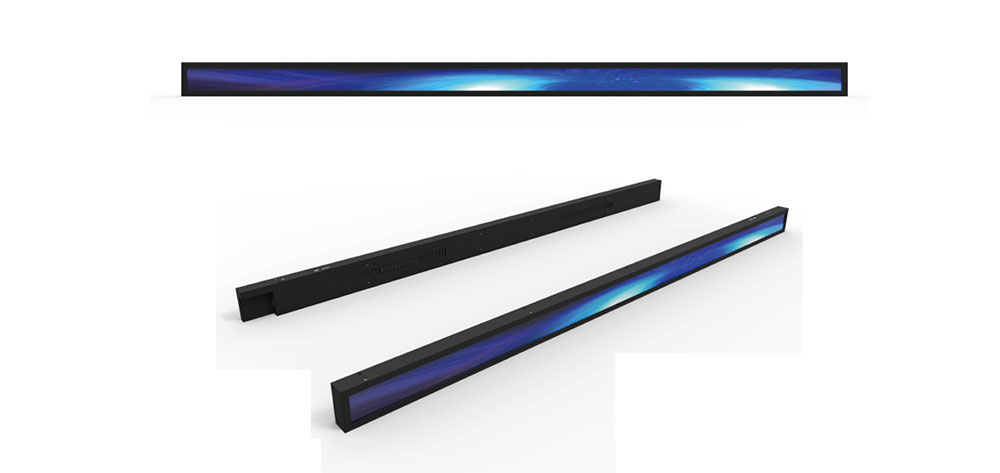
What Is a Stretched LCD Display?
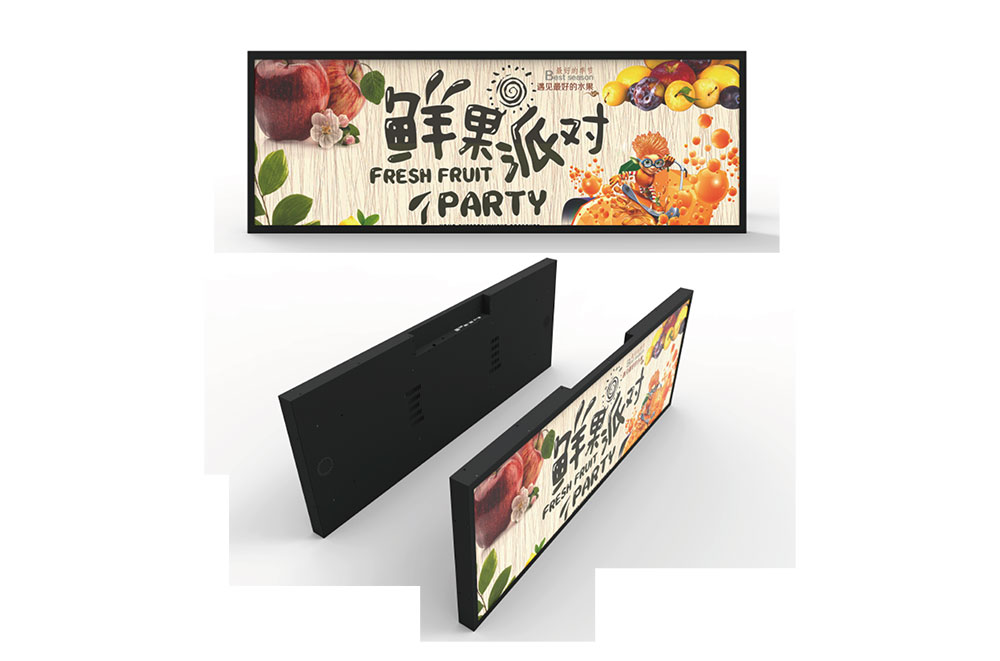
A stretched LCD is a liquid crystal display manufactured or cut to a non-standard, elongated aspect ratio. Rather than the conventional 16:9 or 4:3 formats, stretched panels present a wide-and-short or tall-and-narrow active area. There are two principal manufacturing routes:
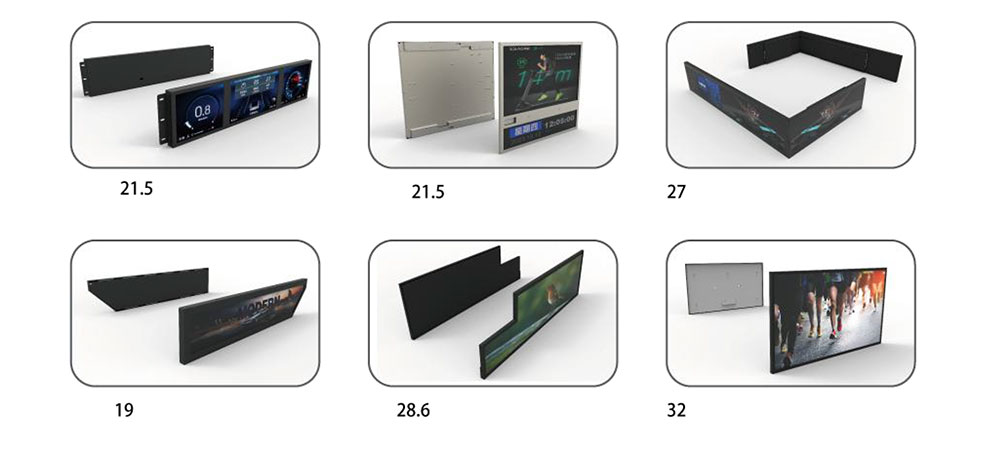
- Natively produced stretched panels: The TFT glass is fabricated at the target aspect ratio directly from the fab. These offer the best optical uniformity and edge integrity but are limited to sizes the panel maker chooses to tool.
- Cut or trimmed panels: A standard panel is precision-cut to a bar shape, with the driver electronics and backlight re-engineered to suit. This route unlocks a much wider range of custom dimensions, which is why it dominates the integration market.
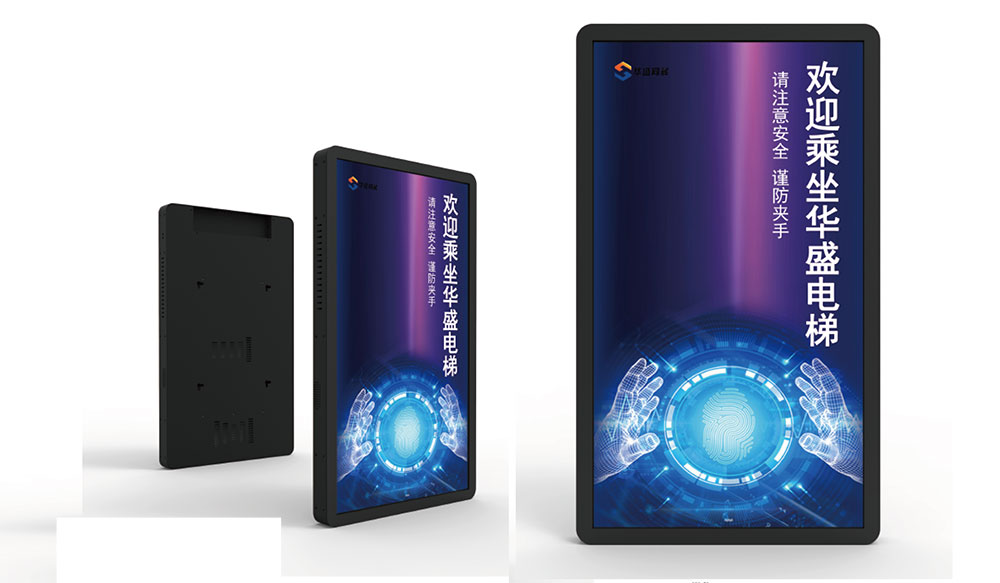
For UK equipment integration, the cut-panel approach is often preferred because it allows a display to be dimensioned around the equipment rather than forcing the equipment to accommodate an off-the-shelf screen.
High Brightness: The Non-Negotiable Requirement
Many custom installations place displays in challenging lighting conditions. A retail shelf-edge bar display sits under intense ceiling spotlights. A rail passenger information screen faces glare through carriage windows. An outdoor charging-point interface contends with direct daylight even under the UK's variable skies. Standard commercial panels rated at 250 to 350 nits wash out badly in these settings.
HITULCD stretched displays are engineered with high-brightness backlight units delivering 700 to 2500 nits depending on the model. This headroom ensures legibility in bright ambient conditions and supports optical bonding, which reduces internal reflections and further improves contrast. For UK deployments that straddle indoor and semi-outdoor placement, we recommend a minimum of 1000 nits, with automatic brightness control via an ambient light sensor to balance visibility against power draw and panel longevity.
Thermal Management in Compact Enclosures
High-brightness backlights generate heat, and stretched displays are frequently installed in slim, sealed enclosures with limited airflow. Thermal management is therefore central to reliable integration. Excess heat shortens LED backlight life, accelerates liquid crystal degradation, and can trigger image artefacts such as clouding or black-mura at elevated temperatures.
Effective strategies for UK integrators include:
- Specifying panels with a wide operating temperature range, typically -20°C to +70°C, to cope with unheated transport interiors and outdoor cabinets during British winters.
- Designing the enclosure rear as a heat spreader, using aluminium chassis in direct thermal contact with the backlight housing.
- Incorporating temperature-driven brightness roll-back so the display protects itself during peak thermal load rather than failing outright.
- Allowing convection channels or, for the highest-brightness models, forced airflow with filtered, sealed fans.
Mechanical Integration and Mounting
The elongated geometry of a stretched panel creates specific mechanical challenges. A long, thin sheet of glass is more susceptible to flexural stress and vibration than a compact panel. Improper mounting can induce mura patterns, where uneven pressure on the glass distorts the liquid crystal alignment and produces visible blotches.
HITULCD supplies stretched displays with reinforced bezels and metal mounting frames that distribute load evenly along the panel length. For integration we advise:
- Supporting the panel along its full length rather than at the corners alone.
- Using compliant gaskets between glass and enclosure to absorb vibration, which is critical for rail, bus, and industrial machinery applications common across UK infrastructure.
- Avoiding any torsional load path through the cover glass; the structural strength must come from the chassis, not the display.
- Planning cable routing for the display's driver board and LVDS or eDP interface, since bar panels often locate the electronics at one narrow end where space is tight.
Interfaces, Controllers, and Content
Custom equipment rarely drives a raw LCD panel directly. An interface board or controller translates the host system's video output into the panel's native signalling. HITULCD offers controller options supporting HDMI, DisplayPort, LVDS, and eDP inputs, with EDID configured to advertise the non-standard resolution correctly. This matters because the UK integrator's media player or single-board computer must render content at the exact pixel geometry of the bar panel, such as 1920 x 360, to avoid stretching or letterboxing.
Content creation is a frequent stumbling block. A design studio producing assets for a 32:9 shelf display must author natively at that ratio. We provide integrators with the precise active resolution, colour space, and refresh characteristics so that content pipelines, whether driven by Android media players, Windows industrial PCs, or Linux embedded boards, output pixel-perfect imagery.
Environmental and Regulatory Considerations for the UK
Equipment placed on the UK market must meet applicable regulatory requirements. Displays integrated into finished products fall under the UKCA marking regime alongside CE where relevant, covering electromagnetic compatibility and electrical safety. HITULCD panels and their driver electronics are designed to support integrators in meeting EMC directives, and we can supply the technical documentation needed for the integrator's own conformity assessment.
Beyond compliance, the UK's maritime climate introduces humidity and condensation risk, particularly in transport and outdoor applications. Conformal coating on driver boards, sealed backlight assemblies, and appropriate IP-rated enclosure design protect against moisture ingress. For coastal installations, salt-laden air adds a corrosion consideration that favours coated electronics and stainless or anodised mounting hardware.
Application Scenarios Across British Industry
Stretched LCDs have found a natural home in several UK sectors:
- Retail and hospitality: Shelf-edge pricing displays, bar-top promotional screens, and drive-through menu strips that fit narrow fascias.
- Transport: Passenger information displays in trains, buses, and the London Underground environment, where long horizontal formats suit route and next-stop information.
- Industrial control: Machine-mounted status bars and HMI strips integrated into manufacturing lines and packaging equipment.
- Gaming and leisure: Topper and feature displays on amusement machines regulated within the UK gaming sector.
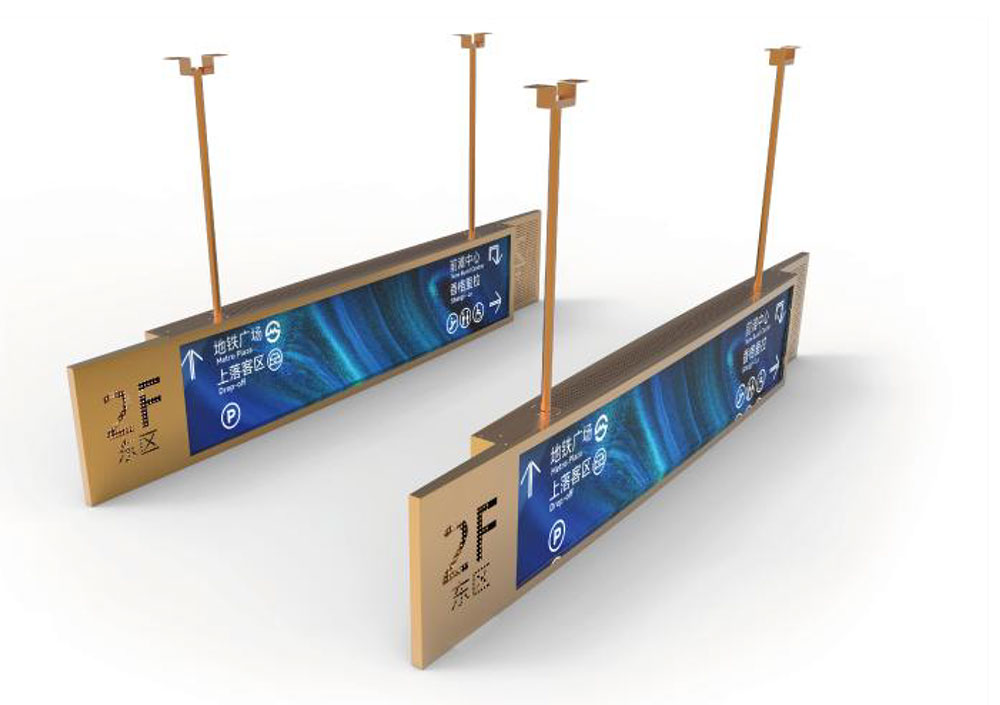
- Corporate and wayfinding: Meeting-room status panels and directional signage in lobbies and transport hubs.
Lifecycle, Supply Continuity, and Support
Custom equipment often has a service life measured in years, and integrators cannot afford a display that becomes unobtainable mid-programme. HITULCD supports UK partners with long-term availability commitments, drop-in replacement compatibility across product revisions, and firmware documentation for controllers. This lifecycle stability reduces the risk of costly redesigns when a panel reaches end of life.
We also work with integrators at the design-in stage, providing mechanical drawings, thermal data, and sample units so that enclosure design and display selection proceed in parallel rather than in sequence. This concurrent engineering approach shortens time to market for UK equipment builders.
Conclusion
Stretched LCD displays unlock design freedom for UK equipment integrators, letting the display conform to the product rather than the reverse. Success depends on getting the fundamentals right: sufficient brightness for the deployment environment, disciplined thermal management within compact enclosures, mechanically sound mounting that protects the elongated glass, correctly configured controllers, and adherence to UK regulatory expectations. HITULCD combines high-brightness stretched panel technology with the engineering support that turns a challenging form factor into a dependable, long-life product. For any custom integration project in the UK, early collaboration between the panel specialist and the equipment designer is the surest route to a display that performs reliably for the life of the equipment.
KEYWORDS: stretched LCD displays, custom equipment integration, high brightness LCD UK, bar type LCD panels, ultra-wide display integration